High grade Leather (Suede, Full grain, Unsplit, etc.)
CN → US| HS Code | Tariff Rate | Origin | Destination | Doc |
|---|---|---|---|---|
| 4202110090 | 43.0% | CN | US | Official Doc |
| 6403999055 | 20.0% | CN | US | Official Doc |
| 6403999065 | 20.0% | CN | US | Official Doc |
| 4105109000 | 12.0% | CN | US | Official Doc |
| 4105300000 | 12.0% | CN | US | Official Doc |
Product Images
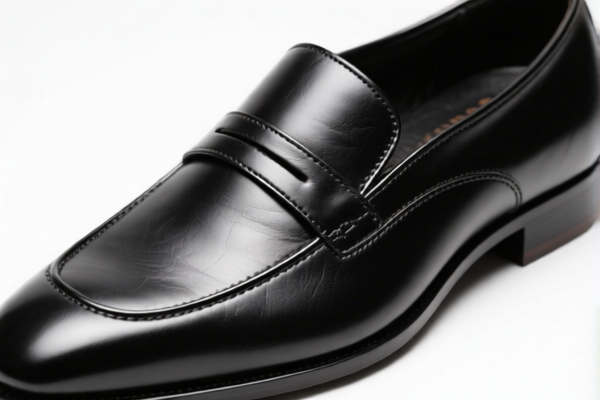
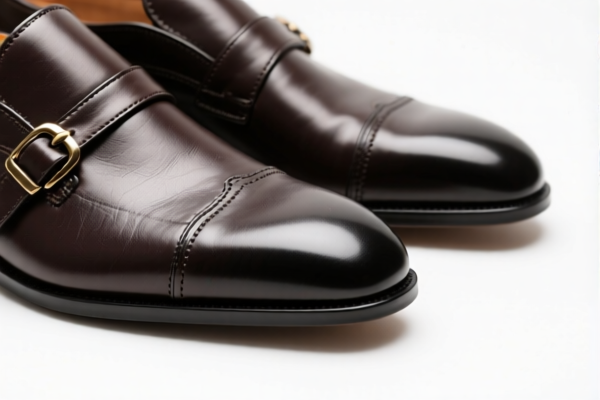
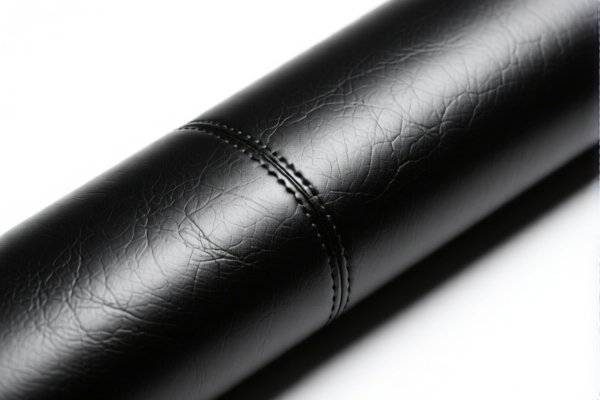
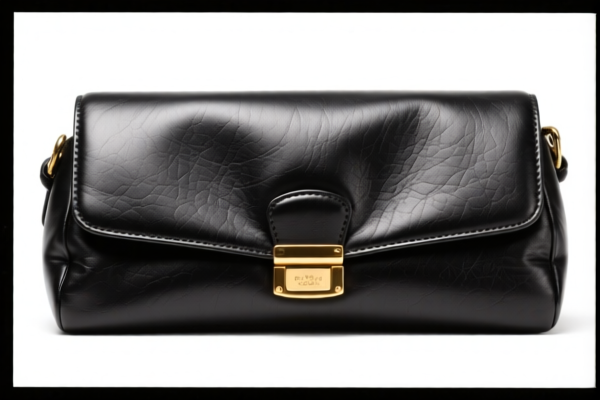
AI Analysis
👞 High Grade Leather (Suede, Full Grain, Unsplit, etc.)
🌐 HS Code Reference & Customs Clearance Guide | 2026 Latest Tariff Analysis | Professional Compliance Strategy 📌 I. Product Definition & Classification: What is "High Grade Leather"?
High-grade leather, encompassing Suede, Full Grain, Unsplit, and other premium tanned hides, is a versatile raw material or intermediate good used in footwear, handbags, automotive interiors, and luxury goods. In international trade, the HS Code classification depends heavily on: 1. Animal Source (e.g., Sheep/Lamb vs. Cow/Leather goods). 2. Processing State (Tanned, Semi-tanned, Unsplit). 3. Final Product Form (Finished Articles like bags/shoes vs. Raw Material like hides).
⚠️ Critical Distinction:
- If classified as Leather Articles (finished goods like bags/shoes) → Higher tax burden due to USITC Section 301 duties.
- If classified as Raw/Intermediate Leather (hides/skins) → Lower base duty, but still subject to specific additives.
- "Unsplit" and "Full Grain" refer to the physical integrity of the hide, not the HS Code directly, but they help define the subheading.
📦 II. HS Code Classification Details (Based on Provided Data)
| HS Code | Product Description | Summary/Logic | Total Tax Rate |
|---|---|---|---|
4202.11.00.90 |
Articles of leather or composition leather; Satchels, Briefcases, Handbags | Matches Leather/Suede Material. Logic: Falls under "Catch-all" for leather articles (e.g., bags, wallets, accessories). |
43.0% |
6403.99.90.55 |
Footwear with upper of leather; Other footwear | Matches Leather/Full Grain Material. Logic: Based on 'others' catch-all logic for leather uppers in shoes. |
20.0% |
6403.99.90.65 |
Footwear with upper of leather; Other footwear | Matches Leather Upper Material. Logic: Fits primary form catch-all logic for leather-upped shoes. |
20.0% |
4105.10.90.00 |
Sheep or lamb leather, tanned or semi-tanned | Matches Sheep/Lamb Hide. Logic: Fits description of tanned or semi-tanned sheep/lamb hides (unsplit/primary form). |
12.0% |
4105.30.00.00 |
Sheep or lamb leather, tanned or semi-tanned | Matches Tanned Sheep/Lamb Hide. Logic: Fits features of unsplit and primary form characteristics for sheep/lamb. |
12.0% |
🔍 Key Insight:
- Raw Tanned Hides (4105.10/4105.30): Have the lowest base tax (12%) but are strictly for hides/skins, not finished goods.
- Finished Leather Goods (4202.11): Subject to Highest Tax (43%) because they are finished articles.
- Footwear (6403.99): Middle ground at 20%, depending on specific upper construction.
💰 III. 2026 Latest Tariff Rate Breakdown (Including Add-ons, Policy Surcharges)
✅ Applicable Country: United States (US)
✅ Origin: China (CN)
✅ Effective Date: Current rates apply (Post-2025 adjustments)
🎯 1. 4202.11.00.90 — Leather Articles (e.g., Bags, Wallets)
| Item | Content |
|---|---|
| Base Duty | 8.0% |
| Section 301 Add-on Duty | 25.0% |
| Section 122 Duty | 10.0% |
| Total Tax Rate | 43.0% |
| Tax Calculation | CIF Value × 43% |
| De Minimis Exemption | ❌ No (Deny de minimis for China origin) |
| Legal Basis Path | USITC:4202.11.00.90 → Section 301: Footnote 9903.88.01 → Section 122: 10% surcharge |
📌 Explanation:
- This is a finished leather product.
- 8% is the standard MFN rate.
- +25% is the Section 301 tariff on Chinese manufactured goods.
- +10% is the Section 122 tariff (often applied to specific categories or as a general surcharge depending on current trade policy).
- Total: 43% is very high, significantly impacting profit margins.
🎯 2. 6403.99.90.55 & 6403.99.90.65 — Leather Footwear
| Item | Content |
|---|---|
| Base Duty | 10.0% |
| Section 301 Add-on Duty | 0.0% |
| Section 122 Duty | 10.0% |
| Total Tax Rate | 20.0% |
| Tax Calculation | CIF Value × 20% |
| De Minimis Exemption | ❌ No (Deny de minimis for China origin) |
| Legal Basis Path | USITC:6403.99.90.55/65 → Section 122: 10% surcharge |
📌 Note:
- Crucial Advantage: Unlike bags (4202), footwear (6403) in this specific data set shows 0% Section 301 duty.
- The 20% total comes from 10% base + 10% Section 122.
- This makes leather shoes significantly cheaper to import than leather bags from China under this specific data scenario.
🎯 3. 4105.10.90.00 & 4105.30.00.00 — Tanned Sheep/Lamb Hides
| Item | Content |
|---|---|
| Base Duty | 2.0% |
| Section 301 Add-on Duty | 0.0% |
| Section 122 Duty | 10.0% |
| Total Tax Rate | 12.0% |
| Tax Calculation | CIF Value × 12% |
| De Minimis Exemption | ❌ No (Deny de minimis for China origin) |
| Legal Basis Path | USITC:4105.10/30 → Section 122: 10% surcharge |
📌 Explanation:
- These are raw materials (tanned hides), not finished goods.
- Base duty is only 2% because it’s a raw material.
- 0% Section 301 suggests raw leather hides may be exempt from the 301 tariff list in this specific context.
- 12% Total is the lowest cost option, ideal if you are importing hides to manufacture goods domestically or in a third country.
🛠️ IV. Customs Clearance Practical Advice (Battle-Tested Pitfall Guide)
✅ 1. Documentation Checklist (Non-negotiable)
| Document | Required | Explanation |
|---|---|---|
| ✅ Product Specification Sheet | ✔️ | Must specify: Animal source (Sheep/Cow), Tanning method (Chrome/Vegetable), Finish (Full Grain/Suede). |
| ✅ Photos of Raw Material/Finished Good | ✔️ | Clear images showing texture, grain, and any labels. Crucial for distinguishing 4105 (hide) from 4202 (bag). |
| ✅ Commercial Invoice | ✔️ | Must clearly state "Tanned Sheep Leather Hide" or "Leather Handbag". Do not use vague terms like "Leather Material". |
| ✅ Packing List | ✔️ | Weight and dimensions must match declaration. |
| ✅ Origin Certificate | ✔️ | Proves Country of Origin (China). Essential for applying correct Section 122/301 rates. |
| ✅ Bill of Lading/Air Waybill | ✔️ | Standard shipping document. |
✅ 2. Declaration Strategy (Key Mantra)
🔥 “Define by Product Form, Not Just Material!”
| Scenario | Correct HS Code | Wrong Approach | Consequence |
|---|---|---|---|
| Importing Finished Leather Bags | 4202.11.00.90 (43%) |
Declaring as "Leather Pieces" | Customs penalty + Back taxes (43% - 12% = 31% difference!) |
| Importing Tanned Sheep Skins | 4105.10.90.00 (12%) |
Declaring as "Shoe Parts" | Higher tax (20% or 43%) + Audit risk |
| Importing Leather Shoes | 6403.99.90.55 (20%) |
Declaring as "Leather Hides" | Misdeclaration, seizure risk |
| Unsplit Full Grain Leather | 4105.30.00.00 (12%) |
Declaring as "Finished Leather Goods" | Massive tax overpayment |
📌 Key Tip:
- If you are importing hides to make your own products, declare as4105to save 31% in tariffs compared to finished bags.
- If you are importing shoes, use6403to save 23% in tariffs compared to bags.
✅ 3. Special Cases & Risk Management
| Situation | Handling Advice |
|---|---|
| Mixed Materials (e.g., Leather + Synthetic) | If leather > 50%, declare under leather HS code. Be prepared for customs inspection to verify material composition. |
| "Full Grain" vs. "Corrected Grain" | "Full Grain" is premium and may attract stricter scrutiny for value declaration. Ensure invoice value reflects market reality. |
| Section 122 Applicable? | The data shows 10% Section 122 duty for all categories. Ensure your broker applies this correctly. It’s often overlooked but adds significant cost. |
| De Minimis (Section 321) | ❌ Not Available for China-origin leather goods. Do not attempt to split shipments into <$800 parcels to avoid tax; CBP actively blocks this for China. |
🌍 V. Global Market Comparison (2026 Overview)
| Market | Recommended HS Code (Example) | Estimated Tax Rate | Notes |
|---|---|---|---|
| 🇺🇸 USA | 4202.11.00.90 (Bags) |
43% | High Section 301 + 122. |
| 🇺🇸 USA | 4105.10.90.00 (Hides) |
12% | Best for raw material importers. |
| 🇪🇺 EU | 4105.10.90 (Hides) | 0-2% | Low duty on raw hides, but VAT applies. |
| 🇨🇳 China | 4105.10.90 (Hides) | 2-5% | Low duty for domestic processing. |
| 🇲🇽 Mexico | 4105.10.90 (Hides) | 0% (USMCA) | If sourced from US/Canada, duty-free. |
📌 Conclusion:
- USA is the most expensive market for finished leather goods due to multiple surcharges.
- Importing Raw Hides (4105) is the most tax-efficient strategy if you have manufacturing capacity.
- Footwear (6403) offers a "sweet spot" with moderate tax (20%) and no Section 301 surcharge in this data set.
📌 VI. Common Errors & Pitfalls (Blood Lessons)
❌ Error 1: Declaring Finished Bags as "Leather Pieces"
👉 Result: Customs detects finished stitching/hardware → Penalty + Back Taxes (31% difference!)
❌ Error 2: Ignoring Section 122 (10%)
👉 Result: Underpayment → Interest + Penalty upon audit. Always include 10% surcharge in cost models.
❌ Error 3: Misidentifying Sheep vs. Cow Leather
👉 Result: 4105 is for Sheep/Lamb. If you import Cowhide (4104), the HS Code changes, and duties/taxes may differ.
👉 Fix: Provide exact animal species in declaration.
❌ Error 4: Assuming "Leather" = Low Tax
👉 Result: Finished leather goods face 43% in the US.
👉 Fix: Evaluate if importing raw hides (12%) and finishing locally is more cost-effective.
🎯 VII. Conclusion: Precision in Classification Saves Money!
🎯 Remember the Mantra:
🔹 "Hides = 12%, Shoes = 20%, Bags = 43%!"
🔹 "Section 122 is Always 10% in this Data Set!"
🔹 "No De Minimis for China Leather!"
📌 Pro Tip:
If you are a manufacturer, consider importing Tanned Sheep Hides (4105.10/4105.30) at 12% and manufacturing finished goods domestically or in a third country (e.g., Vietnam, Mexico) to benefit from lower tariffs and avoid US Section 301 duties on the final product.
📣 Immediate Action:
📞 Contact Your Customs Broker with Product Photos and Material Composition.
📝 Request an Advance Ruling if the classification is ambiguous (e.g., "Is this a shoe or a boot? Is this a bag or a pouch?").
🚀 Optimize Your Supply Chain: Choose Raw Hides if possible, or Footwear if importing finished goods, to minimize the 43% tax hit on bags!
✨ Professional Clearance, Starting with Precise Classification!
💼 Every Percent Saved is Pure Profit!
Customer Reviews
About HS Code Classification
The Harmonized System (HS) is an internationally standardized nomenclature developed by the World Customs Organization (WCO) to classify traded products. Over 200 countries use the HS system as the basis for customs tariffs, trade statistics, and import/export regulations.
Each HS code follows a hierarchical structure:
- Chapter (2 digits) — Broad category of goods (e.g., Chapter 84: Machinery and Mechanical Appliances)
- Heading (4 digits) — More specific grouping within the chapter
- Subheading (6 digits) — Internationally standardized breakdown, used by all WCO member countries
- National subdivisions (8-10 digits) — Country-specific extensions for further classification, such as US HTSUS 10-digit codes
Correct HS code classification is essential for smooth customs clearance, accurate duty payment, and compliance with trade regulations. Misclassification can lead to customs delays, overpayment of duties, or penalties.
When importing from CN to US, the applicable tariff rates may include:
- Most-Favored-Nation (MFN) rate — The standard duty rate applied to WTO members
- General rate — Applied to countries without trade agreements
- Trade remedy duties — Additional tariffs such as Section 301 (anti-dumping), Section 232 (national security), or countervailing duties
The information provided on this page is for reference purposes only. For official classification, please consult with your local customs authority or a licensed customs broker.