High performance Rubber Antioxidant
CN → US| HS Code | Tariff Rate | Origin | Destination | Doc |
|---|---|---|---|---|
| 3403990000 | 41.5% | CN | US | Official Doc |
| 3403195000 | 40.8% | CN | US | Official Doc |
| 2904995000 | 38.7% | CN | US | Official Doc |
| 2904994700 | 40.5% | CN | US | Official Doc |
Product Images
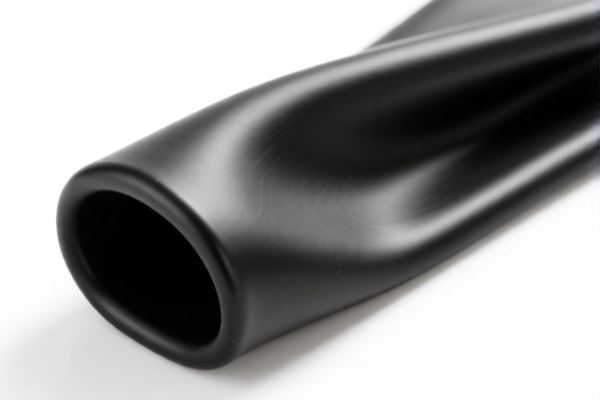
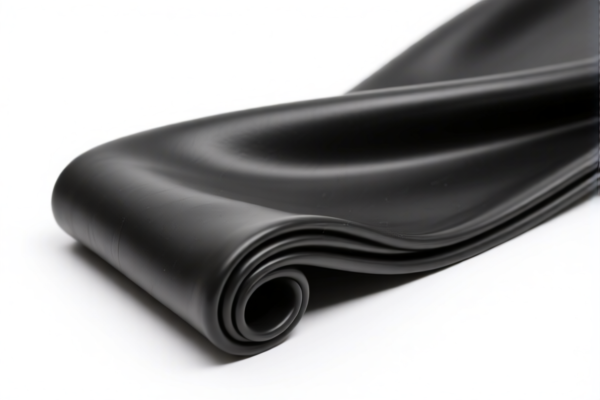
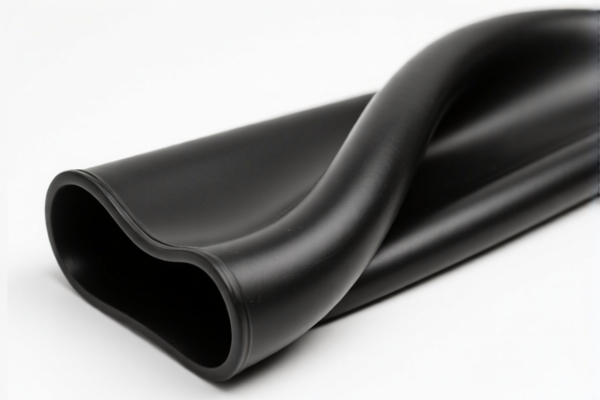
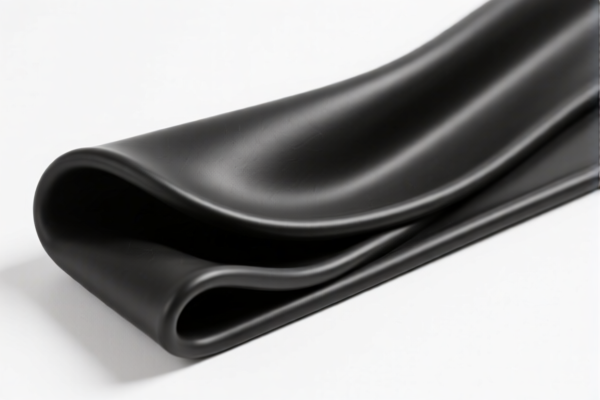
AI Analysis
🛡️ High Performance Rubber Antioxidant (Anti-Aging Agent)
🌐 HS Code Reference & Customs Clearance Guide | 2026 Latest Tariff Analysis | Strategic Clearance Strategy
📌 I. Product Definition & Classification: Do You Really Understand "Rubber Antioxidants"?
High-performance rubber antioxidants, also known as anti-aging agents, are critical chemical additives used to extend the service life of rubber products by preventing degradation caused by oxygen, ozone, heat, and light. In international trade, their classification depends heavily on whether they are classified as chemical preparations (Chapter 34) or organic chemical compounds (Chapter 29).
Key Distinction Logic: 1. Preparations/Concentrates (Chapter 34): If the product is a mixture, emulsion, or solution specifically formulated for the protection/treatment of materials, it often falls under 3403 (Greases, lubricants, and similar preparations). 2. Pure Chemical Compounds (Chapter 29): If the product is a specific isolated organic compound (e.g., a specific amine or phenol derivative), it falls under 2904 (Sulfated, nitrated, or nitrosated derivatives of hydrocarbons, or other organic compounds).
⚠️ Critical Classification Point:
- If it is a commercial mixture or "chemical preparation" for treating rubber → 3403.19.50.00
- If it is a general-purpose protective chemical not specifically described elsewhere → 3403.99.00.00
- If it is a specific organic compound (e.g., hydrocarbon derivative) → 2904.99.50.00
- If it is a specific aromatic derivative (sulfonated/nitrated/nitrosated) → 2904.99.47.00
📦 II. HS Code Classification Details (2026 Latest Tariff Authority Comparison)
| HS Code | Product Description | Applicable Scenario | Material Attribute |
|---|---|---|---|
3403.19.50.00 |
Chemical preparations for treating rubber (specific category) | Specialized rubber treatment agents, lubricants/conditioners | ✅ Chemical Preparation (Chapter 34) |
3403.99.00.00 |
Other grease/chemical preparations for material protection | General rubber anti-aging mixes, non-specific protective oils | ✅ Chemical Preparation (Chapter 34) |
2904.99.50.00 |
Other organic compounds (Hydrocarbon derivatives) | Pure synthetic anti-aging agents, specific chemical structures | ✅ Organic Compound (Chapter 29) |
2904.99.47.00 |
Aromatic derivatives (Sulfonated/Nitrated/Nitrosated) | Specific advanced aromatic anti-aging agents | ✅ Specific Derivative (Chapter 29) |
🔍 Important Reminder:
- Chapter 34 (3403) is often preferred for formulated mixtures used directly in rubber processing as "treatments." - Chapter 29 (2904) is for pure chemical entities. If your product is a pure compound, Chapter 29 may be more accurate, but the tax burden might differ due to specific subheadings. - Do not misdeclare a mixture as a pure chemical to avoid duty evasion accusations.
💰 III. 2026 Latest Tariff Rate Breakdown (Including Additional Taxes & Policy Add-ons)
✅ Applicable Country: United States (US)
✅ Origin: China (CN)
✅ Effective Time: Current tariffs include Section 301 and Section 232/122 add-ons.
🎯 1. 3403.99.00.00 —— Other Grease/Chemical Preparations
| Item | Content |
|---|---|
| Base Tariff | 6.5% (Ad valorem) |
| Section 301 Additional Tariff | +25.0% (Trade Act of 1974, Section 301) |
| Section 122 / Additional Measure | +10.0% (Specific administrative measure) |
| Total Effective Rate | 41.5% |
| Tax Calculation | CIF Value × 41.5% |
| De Minimis Eligibility | ❌ No (Deny de minimis for Chinese goods under Section 301) |
| Legal Path | HTSUS:3403.99.00.00 → Section 301:Footnote 9903.88.01 → Section 122 Add-on |
📌 Explanation:
- The 6.5% is the standard Most Favored Nation (MFN) rate. - The 25% is the heavy penalty tariff for Chinese goods under Section 301. - The 10% is an additional administrative levy (often referenced as Section 122 or similar specific trade remedy). - Total 41.5% is a significant cost factor.
🎯 2. 3403.19.50.00 —— Chemical Preparations for Treating Rubber
| Item | Content |
|---|---|
| Base Tariff | 5.8% (Ad valorem) |
| Section 301 Additional Tariff | +25.0% |
| Section 122 / Additional Measure | +10.0% |
| Total Effective Rate | 40.8% |
| Tax Calculation | CIF Value × 40.8% |
| De Minimis Eligibility | ❌ No |
| Legal Path | HTSUS:3403.19.50.00 → Section 301:Footnote 9903.88.01 → Section 122 Add-on |
📌 Note:
- This code has a slightly lower base rate (5.8% vs 6.5%), making it 0.7% cheaper than3403.99.00.00. - Suitable if the product is explicitly marketed as a "rubber treatment preparation."
🎯 3. 2904.99.50.00 —— Other Organic Compounds (Hydrocarbon Derivatives)
| Item | Content |
|---|---|
| Base Tariff | 3.7% (Ad valorem) |
| Section 301 Additional Tariff | +25.0% |
| Section 122 / Additional Measure | +10.0% |
| Total Effective Rate | 38.7% |
| Tax Calculation | CIF Value × 38.7% |
| De Minimis Eligibility | ❌ No |
| Legal Path | HTSUS:2904.99.50.00 → Section 301:Footnote 9903.88.01 → Section 122 Add-on |
📌 Analysis:
- If your antioxidant is a pure organic compound (e.g., a specific amine), this code offers the lowest base rate (3.7%). - Total 38.7% is the most cost-effective among the four options, provided the product is chemically pure and fits this description.
🎯 4. 2904.99.47.00 —— Aromatic Derivatives (Sulfonated/Nitrated/Nitrosated)
| Item | Content |
|---|---|
| Base Tariff | 5.5% (Ad valorem) |
| Section 301 Additional Tariff | +25.0% |
| Section 122 / Additional Measure | +10.0% |
| Total Effective Rate | 40.5% |
| Tax Calculation | CIF Value × 40.5% |
| De Minimis Eligibility | ❌ No |
| Legal Path | HTSUS:2904.99.47.00 → Section 301:Footnote 9903.88.01 → Section 122 Add-on |
📌 Caution:
- This code is highly specific to sulfonated, nitrated, or nitrosated aromatic derivatives. - Only use this if your chemical structure explicitly matches these functional groups. Misclassification can lead to severe penalties.
🛠️ IV. Customs Clearance Practical Advice (Pitfall Avoidance Guide)
✅ 1. Required Documentation Checklist (Non-negotiable)
| Document | Mandatory? | Explanation |
|---|---|---|
| ✅ Technical Data Sheet (TDS) | ✔️ | Must list CAS numbers, chemical composition, and purity. |
| ✅ Formula/Composition Breakdown | ✔️ | Critical for distinguishing between "Preparation" (Ch 34) and "Compound" (Ch 29). |
| ✅ Safety Data Sheet (SDS) | ✔️ | Required for chemical handling; check UN number for shipping. |
| ✅ Product Photos (Label/Packaging) | ✔️ | Show exact product name, CAS numbers, and batch details. |
| ✅ Commercial Invoice | ✔️ | Must clearly state "Rubber Antioxidant" and HS Code. |
| ✅ Certificate of Analysis (COA) | ✔️ | Proves purity if claiming Chapter 29 (Pure Compound). |
| ✅ Certificate of Origin (CO) | ✔️ | Essential for determining Section 301 applicability. |
✅ 2. Declaration Strategy (Key Mantra)
🔥 "Preparation vs. Compound: Formula is King, CAS Number is Proof!"
| Scenario | Correct Declaration | Wrong Action | Consequence |
|---|---|---|---|
| Mixture/Blend | 3403.19.50.00 or 3403.99.00.00 |
Declare as pure chemical | Classification error → Audit risk |
| Pure Compound (Hydrocarbon) | 2904.99.50.00 |
Declare as mixture | Higher base rate (missed saving) |
| Pure Aromatic Derivative | 2904.99.47.00 |
Declare as general organic | Misclassification → Penalty |
| Unclear Composition | Request Advance Ruling | Guess the HS Code | High risk of duty reassessment |
✅ 3. Special Handling Tips
| Situation | Recommendation |
|---|---|
| Proprietary Formula | Disclose key CAS numbers to CBP; do not claim "Trade Secret" for basic composition if it affects classification. |
| High Purity (>98%) | Strongly consider Chapter 29 codes (2904.99.50.00) for lower base tariffs (3.7%). |
| Industrial Blend (<90%) | Stick to Chapter 34 codes (3403.19.50.00) as they are defined as "preparations." |
| OEM/White Label | Ensure the supplier provides the correct chemical identity documents, not just marketing names. |
🌍 V. Global Market Clearance Comparison (2026 Update)
| Country/Region | Recommended HS Code | Base Tariff | Additional Taxes | Notes |
|---|---|---|---|---|
| 🇺🇸 USA | 2904.99.50.00 (if pure) |
3.7% | +35% (301+122) | Total ~38.7% (Best for pure compounds) |
| 🇺🇸 USA | 3403.19.50.00 (blend) |
5.8% | +35% (301+122) | Total ~40.8% |
| 🇨🇳 China | Same HS Codes | 5-6% | None | No Section 301 for domestic trade |
| 🇪🇺 EU | 2904 or 3403 | 0-6.5% | None | Generally lower tariffs; no aggressive add-ons |
| 🇬🇧 UK | 2904 or 3403 | 0-6.5% | None | Post-Brexit tariffs align with EU/WTO base rates |
📌 Conclusion:
- USA is the most expensive market due to Section 301 and additional levies. - Optimization Strategy: If your product is a pure chemical compound, classify under 2904.99.50.00 to save 2.8-3.2% in total taxes compared to Chapter 34 codes.
📌 VI. Common Errors & Pitfalls (Blood & Tears Lessons)
❌ Error 1: Calling a mixture a "Pure Chemical" to get a lower base rate.
👉 Result: Customs requests chemical analysis → Finds impurities → Reassigns to Chapter 34 → Retroactive taxes + fines.
❌ Error 2: Using 2904.99.47.00 without confirming the nitroso/sulfo group.
👉 Result: Classification error → Product held at port → Delayed delivery → Storage fees.
❌ Error 3: Ignoring the 122/Additional 10% tax.
👉 Result: Budgeting based only on 301 (25%) → Profit margin collapse.
❌ Error 4: Not providing CAS Numbers on the invoice.
👉 Result: CBP cannot verify classification → Exam flag → Clearance delay.
✅ Correct Practice:
"Rubber Antioxidant, N-Isopropyl-N'-phenyl-p-phenylenediamine, CAS No. 119-91-1, Purity 98%, Form: Powder"
🎯 VII. Conclusion: Precision in Classification Saves Money!
🎯 Remember the Mantra:
🔹 "Pure Compound → Chapter 29 (3.7% Base); Mixture → Chapter 34 (5.8-6.5% Base); Add 35% for US-China Trade."
🔹 "HS Code determines the base; Section 301 is the hammer; Don't let classification errors break your margin."
📌 Pro Tip:
If your product is high-purity (>95%), fight for 2904.99.50.00 to save ~3% in taxes. If it's a blend, use 3403.19.50.00 for the most accurate description.
Request an Advance Ruling from CBP if the chemical structure is complex to avoid post-clearance audits.
📣 Immediate Action:
📞 Provide your CAS numbers and purity levels to your freight forwarder.
🚀 Calculate your landed cost with 41.5% duty to ensure profitability.
✨ Professional customs clearance starts with accurate chemical classification!
💼 Every percentage point saved is pure profit!
Customer Reviews
About HS Code Classification
The Harmonized System (HS) is an internationally standardized nomenclature developed by the World Customs Organization (WCO) to classify traded products. Over 200 countries use the HS system as the basis for customs tariffs, trade statistics, and import/export regulations.
Each HS code follows a hierarchical structure:
- Chapter (2 digits) — Broad category of goods (e.g., Chapter 84: Machinery and Mechanical Appliances)
- Heading (4 digits) — More specific grouping within the chapter
- Subheading (6 digits) — Internationally standardized breakdown, used by all WCO member countries
- National subdivisions (8-10 digits) — Country-specific extensions for further classification, such as US HTSUS 10-digit codes
Correct HS code classification is essential for smooth customs clearance, accurate duty payment, and compliance with trade regulations. Misclassification can lead to customs delays, overpayment of duties, or penalties.
When importing from CN to US, the applicable tariff rates may include:
- Most-Favored-Nation (MFN) rate — The standard duty rate applied to WTO members
- General rate — Applied to countries without trade agreements
- Trade remedy duties — Additional tariffs such as Section 301 (anti-dumping), Section 232 (national security), or countervailing duties
The information provided on this page is for reference purposes only. For official classification, please consult with your local customs authority or a licensed customs broker.