High pressure hose
CN → US| HS Code | Tariff Rate | Origin | Destination | Doc |
|---|---|---|---|---|
| 3917310000 | 38.1% | CN | US | Official Doc |
| 3917390050 | 38.1% | CN | US | Official Doc |
| 5909002000 | 38.3% | CN | US | Official Doc |
| 3917390020 | 38.1% | CN | US | Official Doc |
| 3917320010 | 38.1% | CN | US | Official Doc |
| 4009220020 | 37.5% | CN | US | Official Doc |
Product Images
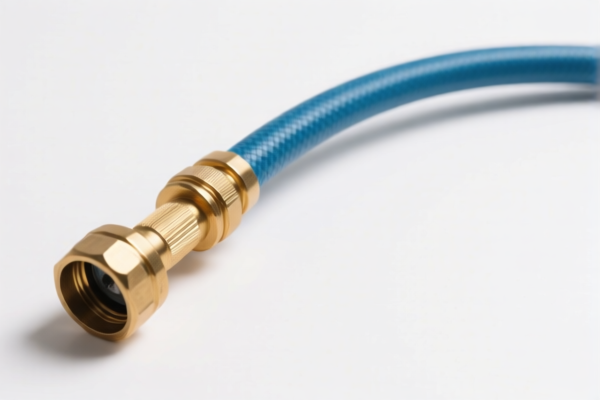
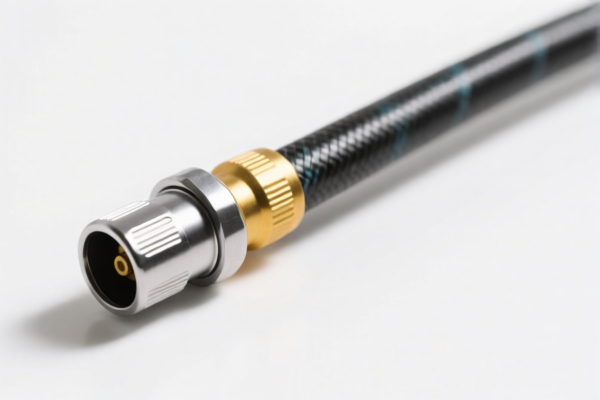
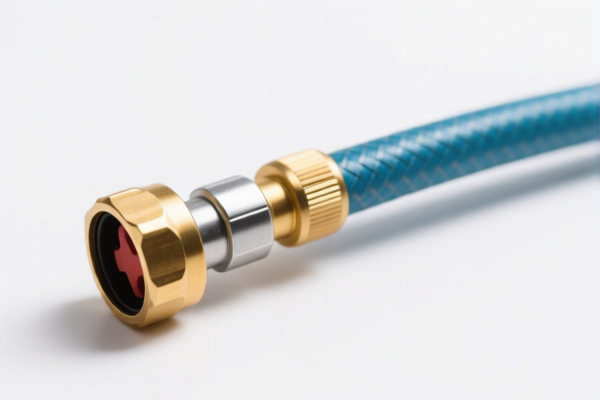
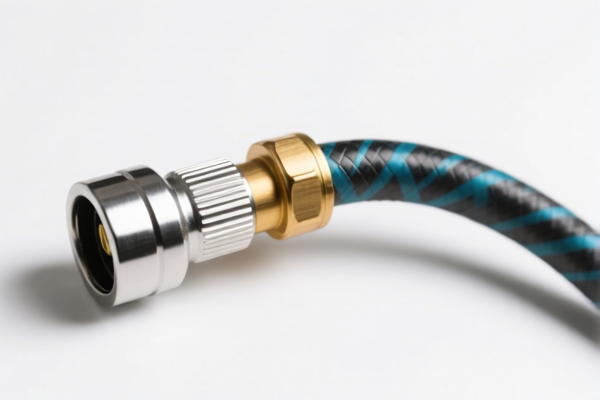
AI Analysis
🚀 High Pressure Hose (Industrial Piping Solutions)
🌐 HS Code Reference & Customs Clearance Guide | 2026 Latest Tariff Analysis | Professional Clearance Strategy
📌 I. Product Definition & Classification: What Exactly is a "High Pressure Hose"?
High pressure hoses are flexible conduits designed to transport fluids (liquids, gases, slurries) under high pressure conditions in industrial, automotive, and agricultural applications. Unlike low-pressure garden hoses, these require specialized material construction to withstand extreme pressures and harsh environments.
In international trade, they are strictly classified based on their material composition and structural integrity:
Plastic/Hose Assemblies (Chapter 39 & 59):
- Made primarily from plastics (PVC, PE, etc.) or reinforced with textile/other materials.
- Includes rigid or semi-rigid plastic hoses, including those reinforced with other materials.
- Key distinction: If the primary material is plastic, it falls under Chapter 39 (or 59 if coated/textile-reinforced).
Rubber Hoses (Chapter 40):
- Made primarily from rubber (natural or synthetic).
- Includes hoses reinforced with metal or other materials (e.g., steel wire braiding).
- Key distinction: If the core or significant structural component is rubber, it falls under Chapter 40.
⚠️ Critical Classification Point:
- "Plastic High Pressure Hose": Generally classified under 3917 (if plastic) or 5909 (if PVC-coated/reinforced).
- "Rubber High Pressure Hose": Classified under 4009 (if rubber).
- Material is King: The customs declaration must explicitly state the material (PVC, Rubber, Plastic) to determine the correct 8-digit HS Code.
📦 II. HS Code Classification Details (2026 Latest Tariff Reference)
Based on the provided data, here are the specific HS Codes applicable to high pressure hoses, categorized by material:
| HS Code | Product Description | Material | Form | Total Tax Rate |
|---|---|---|---|---|
3917.31.00.00 |
Plastic High Pressure Hose | Plastic | Hose | 38.1% |
3917.39.00.50 |
Plastic High Pressure Hose | Plastic | Hose | 38.1% |
3917.39.00.20 |
PVC High Pressure Hose | PVC | Hose | 38.1% |
3917.32.00.10 |
PVC High Pressure Hose | PVC | Hose | 38.1% |
5909.00.20.00 |
PVC High Pressure Hose | PVC | Hose | 38.3% |
4009.22.00.20 |
High Pressure Metal Joint Rubber Hose | Rubber | Hose | 37.5% |
🔍 Key Insight:
- Plastic/PVC Hoses: Most common category. HS Codes3917and5909apply. Rates are nearly identical (38.1% - 38.3%).
- Rubber Hoses: HS Code4009applies. Slightly lower total tax (37.5%) but still high due to surcharges.
- Metal Joints: If the hose includes significant metal joints or is primarily rubber with metal reinforcement, it may fall under4009.22.00.20.
💰 III. 2026 Latest Tariff Rate Breakdown (Including Surcharges)
✅ Applicable Country: United States (US)
✅ Country of Origin: China (CN)
✅ Effective Date: As of current trade policies (2025/2026)
🎯 1. Plastic & PVC Hoses (HS Codes: 3917.31, 3917.39, 3917.32, 5909.00)
| Item | Details |
|---|---|
| Base Tariff | 3.1% (for 3917 series) / 3.3% (for 5909.00.20.00) |
| Section 301 Surcharge | +25.0% |
| 122 Clause Surcharge | +10.0% |
| Total Effective Rate | 38.1% (for 3917 codes) / 38.3% (for 5909 code) |
| Calculation Basis | CIF Value × Total Rate |
| De Minimis Exemption | ❌ NOT APPLICABLE (High value threshold applies; small packages are still taxed) |
| Legal Reference Path | USITC:3917/5909 → Section 301: Footnote 9903.88.01 → 122 Clause |
📌 Explanation:
- Base Tariff: Standard MFN rate for plastic/rubber articles.
- Section 301 (25%): Imposed on Chinese goods under US Trade Act Section 301.
- 122 Clause (10%): Additional surcharge under specific US trade enforcement provisions.
- Total: ~38.1-38.3%. This is a high-cost category for importers.
🎯 2. Rubber High Pressure Hose with Metal Joints (HS Code: 4009.22.00.20)
| Item | Details |
|---|---|
| Base Tariff | 2.5% |
| Section 301 Surcharge | +25.0% |
| 122 Clause Surcharge | +10.0% |
| Total Effective Rate | 37.5% |
| Calculation Basis | CIF Value × Total Rate |
| De Minimis Exemption | ❌ NOT APPLICABLE |
| Legal Reference Path | USITC:4009 → Section 301 → 122 Clause |
📌 Explanation:
- Rubber hoses have a slightly lower base tariff (2.5% vs 3.1-3.3%) but are still subject to the same surcharges.
- Total Rate: 37.5%.
🛠️ IV. Customs Clearance Practical Advice (Avoid Pitfalls)
✅ 1. Documentation Checklist (Non-Negotiable)
| Document | Requirement | Notes |
|---|---|---|
| ✅ Commercial Invoice | Must specify material (PVC, Plastic, Rubber) | Do not use generic "Hose". Specify "PVC High Pressure Hose" or "Rubber High Pressure Hose". |
| ✅ Product Specifications | Pressure rating, diameter, length, material composition | Critical for correct HS Code classification. |
| ✅ Material Test Report | Certify primary material (e.g., PVC vs. Rubber) | Disputes often arise over material composition. |
| ✅ Photos of Product | Show hose ends, markings, and any metal fittings | Visual proof of structure. |
| ✅ Packing List | Itemize quantities, weights, and dimensions | Must match invoice. |
✅ 2. Declaration Tips (Key Mnemonics)
🔥 "Material First, Pressure Next, Joints Matter!"
| Scenario | Correct Declaration | Error to Avoid |
|---|---|---|
| PVC Hose | "PVC High Pressure Hose" → 3917.39.00.20 or 3917.32.00.10 |
Mislabeling as "Rubber" → Wrong HS Code, delays. |
| Plastic Hose | "Plastic High Pressure Hose" → 3917.31.00.00 |
Using vague "Plastic Tubing" → Potential misclassification. |
| Rubber Hose | "Rubber High Pressure Hose with Metal Joints" → 4009.22.00.20 |
Calling it "Plastic Hose" → Severe penalty for fraud. |
| Hose with Fittings | Declare as complete assembly if fittings are integral | Splitting hose and fittings into separate line items → Risk of "parts" classification errors. |
✅ 3. Special Cases
| Scenario | Handling Advice |
|---|---|
| Reinforced Hoses | If reinforced with textile, may fall under 5909 (PVC coated). Verify coating weight. |
| Metal Joint Hoses | If metal joints constitute significant value/structure, ensure 4009 is used correctly. |
| OEM/White Label | Provide customer design specs to prove material consistency. |
| Small Quantity Samples | Still subject to full tariffs if declared as commercial samples. Do not rely on de minimis for high-tariff goods. |
🌍 V. Global Market Comparison (2026)
| Country/Region | Recommended HS Code | Approx. Tariff (China Origin) | Notes |
|---|---|---|---|
| 🇺🇸 USA | 3917 / 5909 / 4009 |
37.5% - 38.3% | High due to Section 301 + 122 Clause. |
| 🇨🇳 China | 3917 / 5909 / 4009 |
~5-10% | Lower base rates, no surcharges. |
| 🇪🇺 EU | 3917 / 4009 |
0-3% | No Section 301 equivalent, but may have anti-dumping duties. |
| 🇨🇦 Canada | 3917 / 4009 |
~5-7% | Generally lower than US, but verify CUSMA rules. |
| 🇬🇧 UK | 3917 / 4009 |
~5-7% | Post-Brexit tariffs apply. |
📌 Conclusion:
- USA is the most expensive market for high pressure hoses due to Section 301 and 122 Clause surcharges.
- Consider supply chain diversification (e.g., sourcing from Vietnam or Mexico) if targeting the US market, as these countries may be exempt from certain surcharges.
- Pre-arrival clearance and Advance Rulings are highly recommended to avoid delays.
📌 VI. Common Mistakes & Pitfalls (Lessons Learned)
❌ Mistake 1: Declaring "Plastic Hose" when it is actually Rubber.
👉 Consequence: Wrong HS Code → Potential fraud penalty, back taxes, and shipment hold.
❌ Mistake 2: Ignoring 122 Clause applicability.
👉 Consequence: Underpayment of 10% → Customs audit and fine.
❌ Mistake 3: Using generic "Hose" without specifying material.
👉 Consequence: Customs may choose the highest duty rate or request additional information, causing delays.
❌ Mistake 4: Assuming de minimis exemption for small orders.
👉 Consequence: High-tariff goods (37-38%) are often excluded from de minimis thresholds in practice, or face strict scrutiny.
✅ Correct Approach:
"PVC High Pressure Hose, 2-inch diameter, rated 150 PSI, 100ft length, Model XYZ, Material: PVC"
🎯 VII. Conclusion: Precise Classification Saves Money!
🎯 Remember the Mantra:
🔹 "Material Defines HS, Surcharges Add 35%, Declare Exactly!"
🔹 "PVC/Rubber/Plastic – Know Your Code!"
📌 Pro Tip:
- If importing into the US, calculate the 38.1-38.3% cost into your pricing strategy.
- Consider pre-classification rulings from CBP for complex hoses (e.g., multi-material or reinforced).
- For volume imports, explore Bonded Warehouses or Foreign Trade Zones (FTZs) to defer duty payments.
📣 Take Action Now:
📞 Engage a licensed customs broker to verify HS Codes for your specific product.
📄 Prepare detailed specs to support your classification.
🚀 Plan your landed cost accurately to remain competitive in the US market.
✨ Professional Customs Clearance Starts with Accurate Classification!
💼 Every percentage point matters in high-tariff industries!
Customer Reviews
About HS Code Classification
The Harmonized System (HS) is an internationally standardized nomenclature developed by the World Customs Organization (WCO) to classify traded products. Over 200 countries use the HS system as the basis for customs tariffs, trade statistics, and import/export regulations.
Each HS code follows a hierarchical structure:
- Chapter (2 digits) — Broad category of goods (e.g., Chapter 84: Machinery and Mechanical Appliances)
- Heading (4 digits) — More specific grouping within the chapter
- Subheading (6 digits) — Internationally standardized breakdown, used by all WCO member countries
- National subdivisions (8-10 digits) — Country-specific extensions for further classification, such as US HTSUS 10-digit codes
Correct HS code classification is essential for smooth customs clearance, accurate duty payment, and compliance with trade regulations. Misclassification can lead to customs delays, overpayment of duties, or penalties.
When importing from CN to US, the applicable tariff rates may include:
- Most-Favored-Nation (MFN) rate — The standard duty rate applied to WTO members
- General rate — Applied to countries without trade agreements
- Trade remedy duties — Additional tariffs such as Section 301 (anti-dumping), Section 232 (national security), or countervailing duties
The information provided on this page is for reference purposes only. For official classification, please consult with your local customs authority or a licensed customs broker.