High pressure water gun for cleaning machine
CN → US| HS Code | Tariff Rate | Origin | Destination | Doc |
|---|---|---|---|---|
| 8424209000 | 35.0% | CN | US | Official Doc |
| 7326908688 | 87.9% | CN | US | Official Doc |
| 7326908676 | 87.9% | CN | US | Official Doc |
| 3926901000 | 20.9% | CN | US | Official Doc |
| 3926909989 | 22.8% | CN | US | Official Doc |
Product Images
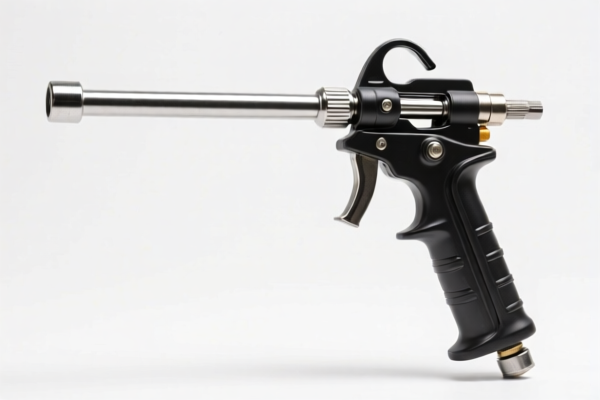
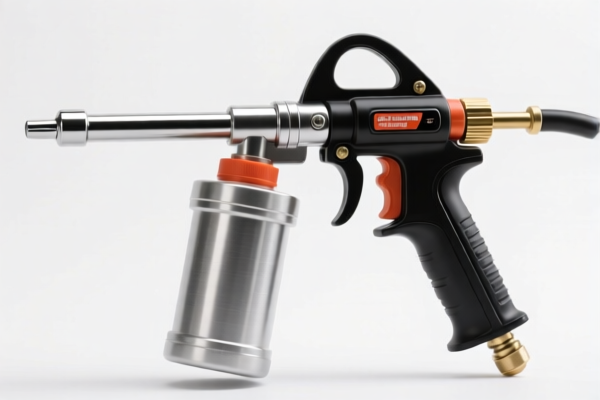
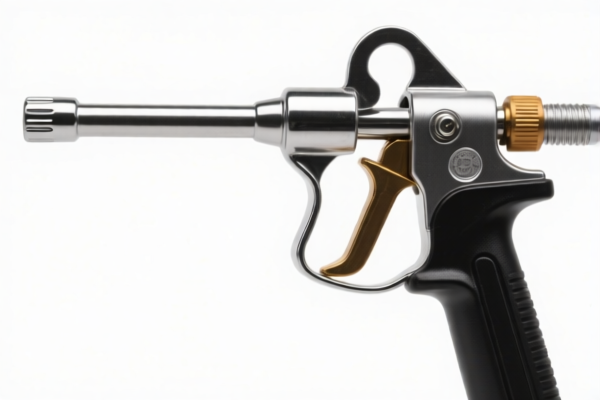
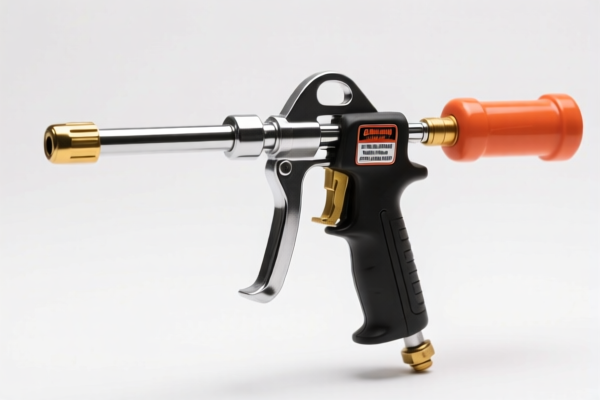
AI Analysis
🔫 High Pressure Water Gun (Cleaning Machine Accessories)
🌐 HS Code Reference & Customs Clearance Guide | 2026 Latest Tariff Analysis | Professional-Level Clearance Strategy
📌 I. Product Definition & Classification: Do You Really Understand the "High Pressure Cleaning Gun"?
A high-pressure water gun (often referred to as a cleaning lance or spray gun) is a critical component of industrial and household cleaning systems. In international trade, it is primarily classified based on its function (spraying liquid) and material (metal vs. plastic).
Two Main Classification Logic Paths: 1. Functional Classification (8424): Viewed as a "Spraying apparatus" or "Mechanical appliance." This is the most direct functional match. 2. Material/Component Classification (7326 / 3926): Viewed as a "Part of a machine" or "Article of material." * If made of Iron/Steel: Classified as other articles of iron or steel. * If made of Plastic: Classified as other articles of plastic.
⚠️ Key Distinction Point:
- If the gun is a complete spraying unit with no specific mechanical structure beyond the nozzle/gun body → Often falls under 8424.20.90.00 (Spraying machinery).
- If considered a part/accessory made of metal → Falls under 7326.90.86.88/76.
- If considered a part/accessory made of plastic → Falls under 3926.90.10.00/99.
📦 II. HS Code Classification Details (2026 Latest Tariff Authority对照)
| HS Code | Product Description | Classification Logic | Total Tax Rate (CN Origin → US) |
|---|---|---|---|
8424.20.90.00 |
Spraying machinery: Other (Cleaning Gun as Spraying Apparatus) | Functional Match: The device sprays liquid. Without specific mechanical details, it falls under "Other" spraying apparatus. | 35.0% |
7326.90.86.88 |
Other articles of iron or steel: Other (Metal Gun Body/Nozzle) | Material Match: Inferred metal (stainless/steel). Classified as "Other articles of iron/steel" as a part/accessory. | 87.9% |
7326.90.86.76 |
Other articles of iron or steel: Other (Metal Gun/Nozzle) | Material Match: Similar to above, specific sub-category for other iron/steel articles. | 87.9% |
3926.90.10.00 |
Other articles of plastic: Other (Plastic Gun Body) | Material Match: Inferred plastic/composite. Classified as "Other articles of plastic" for mechanical parts. | 20.9% |
3926.90.99.89 |
Other articles of plastic: Other (Plastic Cleaning Accessory) | Material Match: General plastic article category. Used if no specific part description fits better. | 22.8% |
🔍 Critical Note:
- Lowest Risk/Tax:3926.90.10.00(20.9%) is often preferred if the gun is predominantly plastic. - Highest Risk/Tax:7326codes (87.9%) due to the 50% Section 301/IEEPA combined with base duties. - Middle Ground:8424.20.90.00(35.0%) is a strong functional fit but attracts significant additional tariffs.
💰 III. 2026 Latest Tariff Rate Breakdown (Including Additional Taxes)
✅ Applicable Country: United States (US)
✅ Country of Origin: China (CN)
✅ Effective Date: Post-November 2025 (Current Regulatory Environment)
🎯 1. 8424.20.90.00 —— Spraying Machinery (The "Functional" Choice)
| Item | Details |
|---|---|
| Base Duty Rate | 0.0% |
| Section 301 Additional Duty | +25.0% |
| IEEPA Additional Duty (Sec 122) | +10.0% |
| Total Effective Tax Rate | 35.0% |
| Calculation | CIF Value × 35% |
| De Minimis Exemption | ❌ Not Available |
| Legal Basis Path | Base: 0% → Sec301: 25% → IEEPA Sec122: 10% |
📌 Explanation:
- This code is categorized under Chapter 84 (Machinery).
- While the base duty is 0%, the 25% Section 301 tariff and 10% IEEPA tariff apply in full.
- Total: 35%. This is a moderate-to-high tax bracket compared to plastic parts.
🎯 2. 7326.90.86.88 & 7326.90.86.76 —— Iron/Steel Articles (The "Metal" Choice)
| Item | Details |
|---|---|
| Base Duty Rate | 2.9% |
| Section 301 Additional Duty | +25.0% |
| IEEPA Additional Duty (Sec 122) | +10.0% |
| Section 301/Aluminum/Copper Specific Add-on | +50.0% (Note: Context dependent, but data indicates high surcharge) |
| Total Effective Tax Rate | 87.9% |
| Calculation | CIF Value × 87.9% |
| De Minimis Exemption | ❌ Not Available |
| Legal Basis Path | Base: 2.9% → Sec301: 25% → IEEPA: 10% → Specific Metal Add-on: ~50% |
📌 Warning:
- This is the most expensive option.
- The data indicates a 50% additional tariff for steel/aluminum/copper products under certain provisions, leading to an 87.9% total tax.
- Avoid this classification if possible due to extreme cost.
🎯 3. 3926.90.10.00 —— Plastic Articles (The "Plastic" Choice)
| Item | Details |
|---|---|
| Base Duty Rate | 3.4% |
| Section 301 Additional Duty | +7.5% |
| IEEPA Additional Duty (Sec 122) | +10.0% |
| Total Effective Tax Rate | 20.9% |
| Calculation | CIF Value × 20.9% |
| De Minimis Exemption | ❌ Not Available |
| Legal Basis Path | Base: 3.4% → Sec301: 7.5% → IEEPA: 10% |
📌 Strategy:
- If your product is primarily plastic, this is the most cost-effective classification among the provided options.
- Lower base duty and lower Section 301 rate (7.5% vs 25%) result in significant savings.
🎯 4. 3926.90.99.89 —— Other Plastic Articles (General)
| Item | Details |
|---|---|
| Base Duty Rate | 5.3% |
| Section 301 Additional Duty | +7.5% |
| IEEPA Additional Duty (Sec 122) | +10.0% |
| Total Effective Tax Rate | 22.8% |
| Calculation | CIF Value × 22.8% |
| De Minimis Exemption | ❌ Not Available |
| Legal Basis Path | Base: 5.3% → Sec301: 7.5% → IEEPA: 10% |
📌 Note: Slightly higher than
3926.90.10.00due to higher base duty (5.3% vs 3.4%).
🛠️ IV. Customs Clearance Practical Advice (Pitfall Avoidance Guide)
✅ 1. Material Declaration is Key
| Material | Recommended HS Code | Total Tax | Why? |
|---|---|---|---|
| Mostly Plastic | 3926.90.10.00 |
20.9% | Lowest tax, fits "Other articles of plastic" logic. |
| Mostly Metal | 8424.20.90.00 |
35.0% | Functional classification avoids the 87.9% metal penalty. |
| Mixed Materials | 3926.90.10.00 or 8424.20.90.00 |
20.9% - 35.0% | Choose based on primary material or function. Avoid 7326. |
⚠️ Critical Warning:
- Do NOT declare a high-pressure gun as7326.90.86.88unless absolutely necessary. The 87.9% tax is punitive and will destroy profit margins.
- Even if the nozzle is metal, if the gun body is plastic, consider classifying under plastic (3926) or functional spraying (8424).
✅ 2. Documentation Checklist (Must-Haves)
| Document | Requirement | Purpose |
|---|---|---|
| Product Specification Sheet | ✔️ | Clearly state material composition (e.g., "Plastic body, stainless steel nozzle"). |
| Commercial Invoice | ✔️ | Accurate description: "High Pressure Cleaning Gun, Model XYZ, Plastic/Metal." |
| Packing List | ✔️ | List individual units, not just boxes. |
| Material Declaration | ✔️ | Explicitly state % of plastic vs. metal if mixed. |
| Function Description | ✔️ | Describe as "Spraying apparatus for cleaning" if using 8424. |
✅ 3. Declaration Tips
🔥 Golden Rule:
"Material matters, but Function saves money!"
| Scenario | Best Practice | Pitfall to Avoid |
|---|---|---|
| All-Plastic Gun | Use 3926.90.10.00 (20.9%) |
Misdeclaring as metal → 87.9% |
| Metal Nozzle on Plastic Gun | Still consider 3926.90.10.00 if plastic is dominant |
Over-declaring metal parts → Higher tax bracket |
| All-Metal Gun | Use 8424.20.90.00 (35.0%) |
Declaring as 7326 → 87.9% |
| Cleaning Machine Part | Provide clear function description | Vague description "Gun" → Uncertainty, potential audit |
🌍 V. Global Market Comparison (2026 Update)
| Destination | Recommended HS Code | Est. Tax (CN Origin) | Notes |
|---|---|---|---|
| 🇺🇸 USA | 3926.90.10.00 or 8424.20.90.00 |
20.9% (Plastic) / 35.0% (Sprayer) | Avoid 7326 (87.9%). High Section 301/IEEPA impact. |
| 🇨🇳 China | 8424.20.90.00 |
~13-15% | Lower tariffs, standard import duties apply. |
| 🇪🇺 EU | 8424.20.90.00 |
~4-6% | Low base duty, minimal additional tariffs for China. |
| 🇬🇧 UK | 8424.20.90.00 |
~4-6% | Similar to EU post-Brexit. |
📌 Conclusion:
- The USA market is the most complex due to high additional tariffs (Section 301 + IEEPA).
- Plastic-based classification (3926) is the most tax-efficient for the US market.
- Functional classification (8424) is a safe middle ground for metal guns to avoid the 87.9% metal penalty.
📌 VI. Common Mistakes & Pitfalls (Lessons Learned)
❌ Mistake 1: Declaring a metal gun as 7326.90.86.88
👉 Result: 87.9% tax → Massive loss of profit.
✅ Fix: Use 8424.20.90.00 (35.0%) instead.
❌ Mistake 2: Ignoring material composition
👉 Result: Customs may reclassify, leading to delays and penalties.
✅ Fix: Clearly declare "Plastic Body" or "Steel Nozzle" in specifications.
❌ Mistake 3: Using vague terms like "Cleaning Tool"
👉 Result: Unclear HS Code assignment, potential for highest duty bracket.
✅ Fix: Use precise terms: "High Pressure Spraying Gun."
🎯 VII. Final Recommendations: Optimize for Cost & Compliance
🎯 Strategic Advice:
🔹 If Plastic: Use
3926.90.10.00→ 20.9% Tax.
🔹 If Metal: Use8424.20.90.00→ 35.0% Tax.
🔹 Avoid:7326codes → 87.9% Tax.
📌 Pro Tip:
For mixed-material guns, emphasize the plastic body in marketing and documentation to justify 3926 classification, or emphasize the spraying function to justify 8424. Always consult a customs broker for pre-classification ruling if volumes are high.
📣 Action Item:
📞 Contact Customs Broker with product photos and material specs.
🚀 Apply for Advance Ruling if possible to lock in the 20.9% or 35.0% rate.
💼 Your Profit Margin Depends on This HS Code!
✨ Professional Clearance Starts with Precise Classification!
💼 Every Percentage Point Matters in US Imports!
Customer Reviews
About HS Code Classification
The Harmonized System (HS) is an internationally standardized nomenclature developed by the World Customs Organization (WCO) to classify traded products. Over 200 countries use the HS system as the basis for customs tariffs, trade statistics, and import/export regulations.
Each HS code follows a hierarchical structure:
- Chapter (2 digits) — Broad category of goods (e.g., Chapter 84: Machinery and Mechanical Appliances)
- Heading (4 digits) — More specific grouping within the chapter
- Subheading (6 digits) — Internationally standardized breakdown, used by all WCO member countries
- National subdivisions (8-10 digits) — Country-specific extensions for further classification, such as US HTSUS 10-digit codes
Correct HS code classification is essential for smooth customs clearance, accurate duty payment, and compliance with trade regulations. Misclassification can lead to customs delays, overpayment of duties, or penalties.
When importing from CN to US, the applicable tariff rates may include:
- Most-Favored-Nation (MFN) rate — The standard duty rate applied to WTO members
- General rate — Applied to countries without trade agreements
- Trade remedy duties — Additional tariffs such as Section 301 (anti-dumping), Section 232 (national security), or countervailing duties
The information provided on this page is for reference purposes only. For official classification, please consult with your local customs authority or a licensed customs broker.