High quality Blue Wet Leather
CN → US| HS Code | Tariff Rate | Origin | Destination | Doc |
|---|---|---|---|---|
| 4202110030 | 43.0% | CN | US | Official Doc |
| 4202110090 | 43.0% | CN | US | Official Doc |
| 4113106000 | 12.8% | CN | US | Official Doc |
| 4113906000 | 36.6% | CN | US | Official Doc |
| 4107111020 | 35.0% | CN | US | Official Doc |
| 4107191020 | 35.0% | CN | US | Official Doc |
Product Images
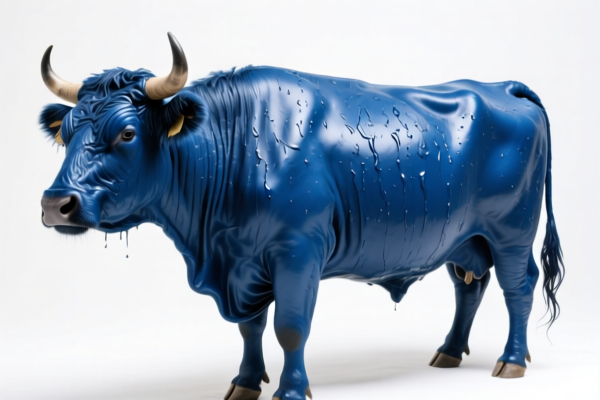
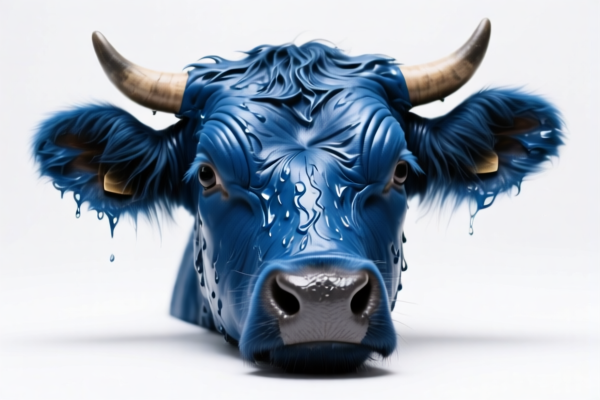
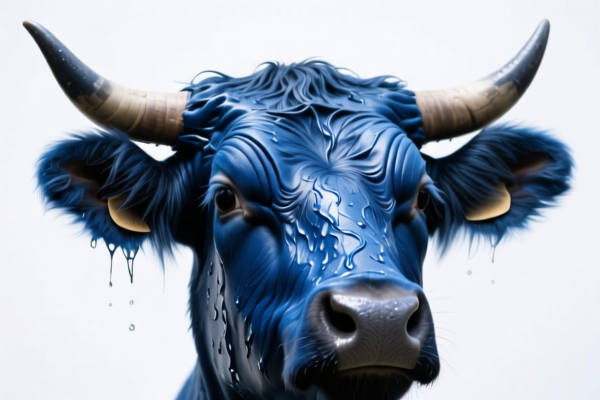
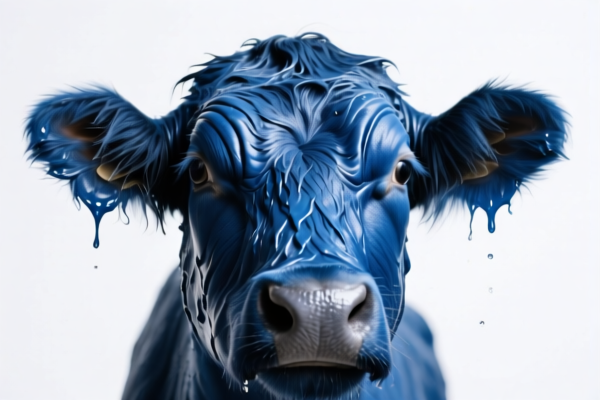
AI Analysis
🌊 Blue Wet Leather: The Ultimate Guide to HS Codes, Tariffs & Customs Clearance
🌐 HS Code Reference & Customs Clearance Guide | 2026 Latest Tariff Analysis | Professional-Level Clearance Strategy
📌 I. Product Definition & Classification: Do You Really Understand "Blue Wet Leather"?
"Blue Wet Leather" (often referred to as "Wet Blue") is a critical intermediate stage in the leather manufacturing process. It refers to hides or skins that have been tanned using chromium salts (which impart a blueish hue when wet) but have not yet been dyed, finished, or crusted for final use.
In international trade, classification depends heavily on: 1. The Animal Source (Bovine, Goat, Kid, etc.) 2. The State of Preparation (Whole hide vs. Split, Hair-on vs. Hair-off) 3. The Specific Usage (Fancy leather vs. Standard industrial leather)
⚠️ Key Distinction:
- "Wet Blue" (Intermediate): Usually falls under Chapter 41 (Raw Hides, Skins, and Leather). It is often classified as "Leather further prepared after tanning or crusting" depending on whether it has been crusted. - Finished Leather: Falls under Chapter 41 (Headings 4104-4115) or Chapter 42 (Articles of Leather). - Leather Goods: Handbags, suitcases, etc., fall under Chapter 42.
For the items provided in your data, we are looking at finished or further prepared leather goods and articles of leather, not raw wet blue pelts. The term "Blue Wet Leather" in common parlance might refer to the tanned state, but the HS codes provided are for finished/semi-finished leather articles and preparation stages.
📦 II. HS Code Classification Details (Based on Provided Data)
The provided data contains six specific HS codes related to leather and leather goods. Here is the breakdown:
| HS Code | Product Description | Tax Rate (Total) | Key Characteristics |
|---|---|---|---|
4113.10.60.00 |
Fancy Leather of Goats/Kids | 0.0% | Of goats or kids; Fancy; No wool/hair; Other than Heading 4114 |
4113.90.60.00 |
Fancy Leather of Other Animals | 26.6% | Other animals; Fancy; No wool/hair; Other than Heading 4114 |
4107.11.10.20 |
Upper/Lining Leather (Bovine, ≤28 sq ft) | 25.0% | Bovine/Equine; Whole hides; Full grains, unsplit; ≤28 sq ft; Upper/Lining |
4107.19.10.20 |
Upper/Lining Leather (Bovine, Other) | 25.0% | Bovine/Equine; Whole hides; Other; ≤28 sq ft; Upper/Lining |
4202.11.00.30 |
Luggage (Leather Outer Surface) | 0.0% | Trunks, suitcases, etc.; Leather outer surface; Attache cases, briefcases, etc. |
4202.11.00.90 |
Other Luggage (Leather Outer Surface) | 0.0% | Trunks, suitcases, etc.; Leather outer surface; Other |
🔍 Important Note:
- Codes4113and4107relate to prepared leather (tanned, crust, or further prepared). - Codes4202relate to articles of leather (finished goods like bags). - "Blue Wet Leather" as an intermediate product (chromium-tanned but not crust-processed) is typically classified under 4105 or 4106 depending on the animal, but not listed in the provided data. The provided data assumes further prepared leather or finished goods.
💰 III. 2026 Latest Tariff Rate Breakdown (Detailed Tax Clauses)
✅ Applicable Country: United States (US)
✅ Origin: China (CN)
✅ Effective Date: 2025-11-10 onwards
🎯 1. 4113.10.60.00 – Fancy Leather of Goats/Kids
| Item | Detail |
|---|---|
| Base Tariff | 0.0% |
| Section 301 Additional Tariff | 0.0% |
| Total Tariff | 0.0% |
| Tax Description | 基础关税: 0.0%, 加征关税: 0.0% |
| Legal Basis | None for additional tariffs |
📌 Explanation:
- This category enjoys zero tariff under current US trade policies for Chinese goods. - Advantage: Ideal for high-margin fancy leather imports from China. - Requirement: Must be "Fancy" (embossed, grained, or specially finished) and of goat/kid origin.
🎯 2. 4113.90.60.00 – Fancy Leather of Other Animals
| Item | Detail |
|---|---|
| Base Tariff | 1.6% |
| Section 301 Additional Tariff | 25.0% |
| Total Tariff | 26.6% |
| Tax Description | 基础关税: 1.6%, 加征关税: 25.0% |
| Legal Basis | USITC Footnote 9903.88.01 / Section 301 |
📌 Explanation:
- "Other Animals": Includes cow, pig, sheep, etc., but not goat/kid. - High Tariff: The 25% additional tariff is significant. - Strategy: If possible, source goat/kid leather (4113.10.60.00) to save 26.6%.
🎯 3 & 4. 4107.11.10.20 & 4107.19.10.20 – Bovine/Equine Leather (Upper/Lining)
| Item | Detail |
|---|---|
| Base Tariff | 0.0% |
| Section 301 Additional Tariff | 25.0% |
| Total Tariff | 25.0% |
| Tax Description | 基础关税: 0.0%, 加征关税: 25.0% |
| Legal Basis | USITC Footnote 9903.88.01 / Section 301 |
📌 Explanation:
- Applicability: Bovine (cow/buffalo) or equine leather, without hair, whole hides/skins. - Condition: Must be ≤28 square feet (approx. 2.6 m²). - Usage: Specifically for upper leather (shoes, boots) or lining leather. - Split Leather: If split, it may fall under different subheadings, but these codes cover unsplit full grain or other bovine leather. - Risk: High tariff (25%) applies. No base tax, but full additional tax.
🎯 5 & 6. 4202.11.00.30 & 4202.11.00.90 – Leather Luggage
| Item | Detail |
|---|---|
| Base Tariff | 0.0% |
| Section 301 Additional Tariff | 0.0% |
| Total Tariff | 0.0% |
| Tax Description | 基础关税: 0.0%, 加征关税: 0.0% |
| Legal Basis | None for additional tariffs |
📌 Explanation:
- Products: Trunks, suitcases, attache cases, briefcases, school satchels, etc. - Material: Outer surface of leather or composition leather. - Zero Tariff: Both specific and general categories for leather luggage have 0% total tariff. - Advantage: Highly favorable for importing finished leather goods.
🛠️ IV. Customs Clearance Practical Advice (Pitfall Avoidance Guide)
✅ 1. Documentation Checklist (Must-Have)
| Document | Required? | Notes |
|---|---|---|
| Commercial Invoice | ✔️ | Must clearly state "Leather Goods" or "Prepared Leather" and HS Code. |
| Packing List | ✔️ | Detail weight, dimensions, and quantity. |
| Bill of Lading/Air Waybill | ✔️ | Standard shipping documents. |
| Certificate of Origin | ✔️ | To prove Chinese origin for tariff application. |
| Product Description | ✔️ | Crucial: Specify animal type (bovine, goat, etc.), preparation method (tanned, crust, fancy), and whether split. |
| Photos | ✔️ | For leather: Show texture, back, and any branding. For luggage: Show exterior material and interior. |
| IEEPA/Section 301 Forms | ✔️ | If applicable, confirm origin to avoid misclassification. |
✅ 2. Declaration Tips (Key Mnemonics)
🔥 "Animal Type First, Preparation Method Second, Finish Third!"
| Scenario | Correct Declaration | Wrong Declaration | Consequence |
|---|---|---|---|
| Goat Leather (Fancy) | "Fancy Goat Leather, Tanned, Unsplit" (4113.10.60.00) |
"Goat Leather" | May be misclassified, leading to 26.6% tax instead of 0%. |
| Cow Leather (≤28 sq ft) | "Bovine Upper Leather, Full Grain, Unsplit, ≤28 sq ft" (4107.11.10.20) |
"Cow Leather" | May be classified as general leather, risking 25% tariff or higher. |
| Leather Suitcase | "Leather Suitcase, Outer Surface of Leather" (4202.11.00.90) |
"Suitcase" | If material is not specified, may be classified under synthetic or other materials, affecting duty. |
| Wet Blue Pelts | "Chromium-Tanned Goat Skins, Wet Blue" | "Finished Leather" | Misclassification! Wet blue is an intermediate product, not "further prepared" leather. |
✅ 3. Special Case Handling
| Case | Handling Advice |
|---|---|
| "Blue Wet Leather" (Intermediate) | Not covered in provided data. Typically classified under 4105 (Bovine) or 4106 (Goat/Kid) as "Crust Leather" or "Wet Blue". Consult a customs broker for accurate HS code. |
| Split Leather | If leather is split, it may not qualify for "Full Grain" codes (4107.11.10.20). Check if it falls under "Split" subheadings. |
| Composite Materials | If luggage has both leather and synthetic parts, classification depends on the principal material. If leather is the outer surface, 4202.11.00.xx likely applies. |
| Origin Marking | Ensure all products are properly marked "Made in China" to avoid penalties and ensure correct tariff application. |
🌍 V. Global Market Clearance Comparison (2026 Latest)
| Country/Region | Recommended HS Code | Tariff | Certification | Notes |
|---|---|---|---|---|
| 🇺🇸 USA | 4113.10.60.00 (Goat) |
0.0% | None | Best for goat leather |
| 🇺🇸 USA | 4113.90.60.00 (Other) |
26.6% | None | High tariff for other animals |
| 🇺🇸 USA | 4202.11.00.90 (Luggage) |
0.0% | None | Zero tariff for leather luggage |
| 🇪🇺 EU | Varies by code | 0-12% | REACH, LFGB | Leather goods often 0% |
| 🇨🇳 China | Varies by code | 0-10% | CCC (if applicable) | Import tariffs vary |
📌 Conclusion:
- USA is favorable for Goat Leather (4113.10.60.00) and Leather Luggage (4202.11.00.xx) with 0% tariffs. - Bovine Leather (4107.xx) and Other Animal Fancy Leather (4113.90.60.00) face 25-26.6% tariffs due to Section 301. - "Blue Wet Leather" (Intermediate) is not included in the zero-tariff categories and should be classified separately.
📌 VI. Common Errors & Pitfalls (Lessons Learned)
❌ Error 1: Declaring "Wet Blue" as "Finished Leather"
👉 Consequence: Misclassification, potential duty evasion, fines.
👉 Fix: Use correct HS code for intermediate tanned skins (e.g., 4105.20 for bovine crust).
❌ Error 2: Ignoring "Fancy" vs. "Standard" Leather
👉 Consequence: Goat leather declared as "standard" may be misclassified, leading to 26.6% tax instead of 0%.
👉 Fix: Clearly state "Fancy" if embossed/grained.
❌ Error 3: Incorrect Size Declaration for Bovine Leather
👉 Consequence: If size >28 sq ft, different HS code applies.
👉 Fix: Measure and declare unit surface area accurately.
❌ Error 4: Mixing "Leather" and "Synthetic" in Luggage
👉 Consequence: If not leather outer surface, may not qualify for 4202.11.00.xx.
👉 Fix: Ensure >50% of outer surface is leather or declare as "composition leather".
✅ Correct Approach:
"Goat Fancy Leather, Tanned, Unsplit, 0.5mm thickness, for footwear"
"Leather Suitcase, Outer Surface of Genuine Leather, 18x12x6 inches, Model XYZ"
🎯 VII. Conclusion: Professional Declaration, Time-Saving, Cost-Effective!
🎯 Remember the Mnemonic:
🔹 "Goat Fancy Zero, Bovine Twenty-Five, Luggage Zero, Wet Blue Ask!"
🔹 "HS Code Determines Tax, Declaration Accuracy Saves Money!"
📌 Pro Tip:
If your product is "Blue Wet Leather" (intermediate, chromium-tanned, not crust-processed), it is not covered by the provided HS codes.
- For bovine wet blue: Likely 4105.20 (Crust) or 4105.30 (Wet Blue).
- For goat/kid wet blue: Likely 4106.21 or 4106.22.
👉 Consult a customs broker for accurate classification of intermediate leather products.
📣 Immediate Action:
📞 Contact a licensed customs broker
📸 Provide product photos and specifications
🚀 Ensure smooth clearance, efficient export, and maximum profit!
✨ Professional Customs Clearance Starts with Accurate Classification!
💼 Every Cent of Cost Should Be Precisely Calculated!
Customer Reviews
About HS Code Classification
The Harmonized System (HS) is an internationally standardized nomenclature developed by the World Customs Organization (WCO) to classify traded products. Over 200 countries use the HS system as the basis for customs tariffs, trade statistics, and import/export regulations.
Each HS code follows a hierarchical structure:
- Chapter (2 digits) — Broad category of goods (e.g., Chapter 84: Machinery and Mechanical Appliances)
- Heading (4 digits) — More specific grouping within the chapter
- Subheading (6 digits) — Internationally standardized breakdown, used by all WCO member countries
- National subdivisions (8-10 digits) — Country-specific extensions for further classification, such as US HTSUS 10-digit codes
Correct HS code classification is essential for smooth customs clearance, accurate duty payment, and compliance with trade regulations. Misclassification can lead to customs delays, overpayment of duties, or penalties.
When importing from CN to US, the applicable tariff rates may include:
- Most-Favored-Nation (MFN) rate — The standard duty rate applied to WTO members
- General rate — Applied to countries without trade agreements
- Trade remedy duties — Additional tariffs such as Section 301 (anti-dumping), Section 232 (national security), or countervailing duties
The information provided on this page is for reference purposes only. For official classification, please consult with your local customs authority or a licensed customs broker.