High quality animal hair upholstery fabric
CN → US| HS Code | Tariff Rate | Origin | Destination | Doc |
|---|---|---|---|---|
| 5111191000 | 42.0% | CN | US | Official Doc |
| 5111905000 | 42.0% | CN | US | Official Doc |
| 5112199530 | 60.0% | CN | US | Official Doc |
| 5112199520 | 60.0% | CN | US | Official Doc |
Product Images
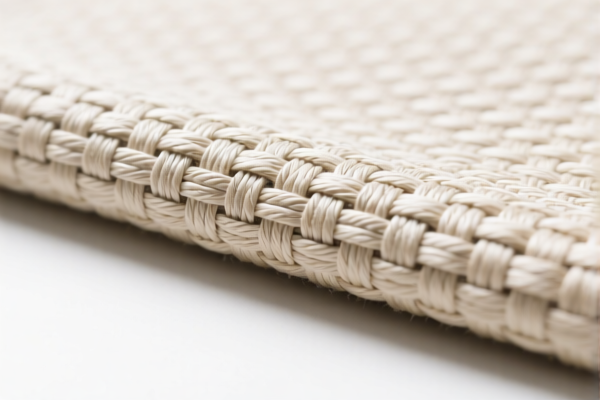
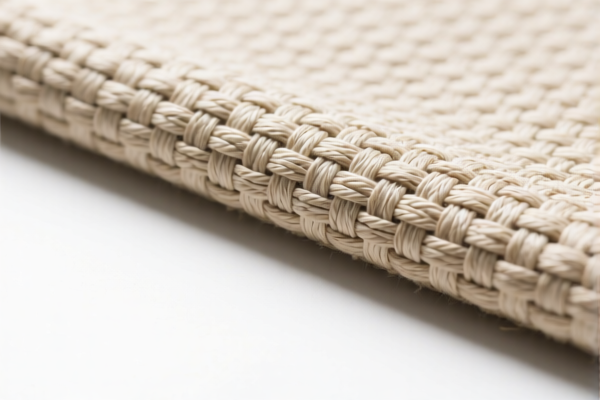
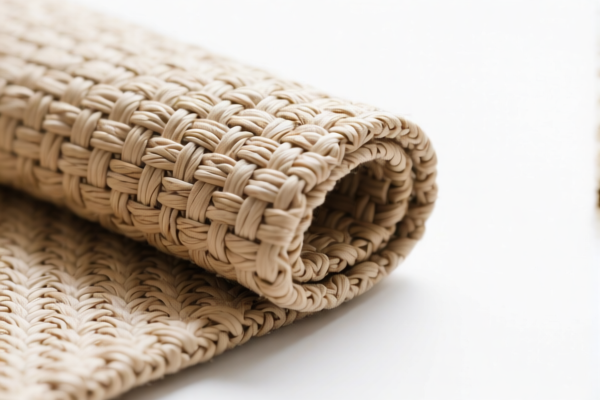
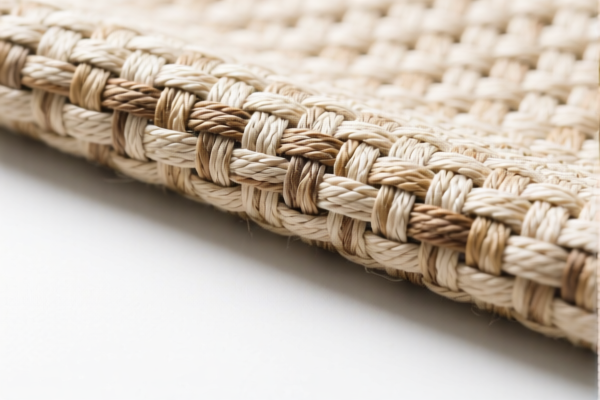
AI Analysis
🧵 High Quality Animal Hair Upholstery Fabric
🌐 HS Code Reference & Clearance Guide | 2026 Latest Tariff Analysis | Professional Customs Strategy
📌 I. Product Definition & Classification: What Exactly Is "Animal Hair Upholstery"?
"High quality animal hair upholstery fabric" is a specialized textile product primarily used for furniture covering (sofas, chairs) or interior decoration. In international trade, classification depends strictly on three factors: 1. Material Composition: Specific type of animal fiber (e.g., fine animal hair like cashmere/mohair vs. coarse hair like goat/camel). 2. Structure: Woven (machine-made) or knitted? (Note: Upholstery is almost exclusively Woven/机织物). 3. Usage: Is it strictly for upholstery/decoration, or for other uses?
⚠️ Critical Distinction Point:
- "Fine Animal Hair" (细动物毛): Refers to fibers from animals like cashmere goats, angora rabbits, or vicuña. These attract higher base tariffs (25%) due to protectionism on luxury fibers.
- "Other Animal Hair" (其他动物毛): Includes coarse hair like standard goat or sheep wool. These have a lower base tariff (7%).
- "Upholstery" (装饰/室内铺设): Must be clearly defined in the commercial invoice to avoid being miscategorized as "carpet" or "general textile."
📦 II. HS Code Classification Details (2026 Latest Tariff Authority Mapping)
Based on the provided data, here are the precise HS Codes for animal hair upholstery fabrics. Note the significant price difference in Base Tariffs between "Fine" and "Other" hair.
| HS Code | Product Description | Material Type | Structure | Primary Use | Total Tax Rate |
|---|---|---|---|---|---|
5111.19.10.00 |
Woven fabric of fine animal hair (excluding coarse) | Fine Animal Hair (细动物毛) | Woven (机织物) | Upholstery / Decoration / Tapestries | 42.0% |
5111.90.50.00 |
Other woven fabrics of fine animal hair | Fine Animal Hair (细动物毛) | Woven (机织物) | Upholstery / Decorative Coverings | 42.0% |
5112.19.95.30 |
Woven fabric of fine animal hair, not carded/combed | Fine Animal Hair (细动物毛) | Woven (机织物) | Upholstery / Decoration | 60.0% |
5112.19.95.20 |
Woven fabric of fine animal hair (fallback category) | Fine Animal Hair (细动物毛) | Woven (梭织物) | Upholstery / Decoration | 60.0% |
🔍 Key Logic for Classification:
- Chapters 5111 & 5112 both cover Woven Fabrics of Animal Hair.
- 5111 generally covers Carded (精梳) fabrics, while 5112 covers Combed (梳织/其他) or specific types.
- Subheading .10 (e.g.,5111.19) usually refers to Fine Animal Hair (like Cashmere/Mohair), while other subheadings might refer to coarse hair.
- Crucial Check: Your product says "Animal Hair." You MUST determine if it is "Fine" (Cashmere/Mohair) or "Coarse" (Goat/Wool). The data provided only lists codes for Fine Animal Hair (implied by the 25% base rate in some codes and the "Fine" descriptor in the summary).
- Why Two Rates?:
- 42% Total: Lower base tariff (7%) + High add-ons.
- 60% Total: Higher base tariff (25%) + High add-ons.
- The difference lies in the specific processing (combed vs. carded) and exact fiber definition.
💰 III. 2026 Latest Tariff Rate Breakdown (Including Surtaxes)
✅ Applicable Country: United States (US)
✅ Origin: China (CN)
✅ Effective Date: Current 2026 Tariff Structure
The total tax rate is a composite of three components. Here is the detailed breakdown:
🎯 1. Standard Tariffs (The "Normal" Part)
| Component | Rate | Explanation |
|---|---|---|
| Most Favored Nation (MFN) Base Rate | 7.0% OR 25.0% | - 7.0%: Applies to 5111.19.10.00 & 5111.90.50.00 (Likely standard fine hair).- 25.0%: Applies to 5112.19.95.30 & 5112.19.95.20 (Higher base rate, possibly due to "combed" status or specific fine hair classification). |
| USITC Section 301 Surcharge | +25.0% | Mandatory 25% surcharge on Chinese-origin goods under Section 301 of the Trade Act. This is the largest chunk of the tax. |
| Section 122 Tariff | +10.0% | Additional 10% tariff under Section 122 (or similar national security/emergency powers) for specific textile/apparel categories. |
📌 Total Tax Calculation:
- For Codes5111.19.10.00/5111.90.50.00:
$7.0\% + 25.0\% + 10.0\% = \mathbf{42.0\%}$
- For Codes5112.19.95.30/5112.19.95.20:
$25.0\% + 25.0\% + 10.0\% = \mathbf{60.0\%}$🚨 High Tax Alert:
- 60% is extremely high. If your fabric is classified under5112, your landed cost increases by 60% of the CIF value.
- 42% is also significant. Even the "cheaper" option adds nearly half the value in taxes.
🛠️ IV. Customs Clearance Practical Advice (Pitfall Avoidance Guide)
✅ 1. Required Documentation Checklist (No Exceptions)
| Document | Required? | Explanation |
|---|---|---|
| Commercial Invoice | ✅ Yes | Must clearly state: "Woven Fabric of Fine Animal Hair for Upholstery". Do NOT just say "Textile" or "Cloth". |
| Product Specification | ✅ Yes | Must specify: Fiber Content (e.g., 100% Mohair, or 80% Wool/20% Silk). Must confirm it is Fine Animal Hair (细动物毛) to avoid being miscategorized. |
| Structure Description | ✅ Yes | Must state: "Woven" (机织物/梭织物). If it is knitted, these HS codes are wrong. |
| Usage Declaration | ✅ Yes | Must state: "For Upholstery/Interior Decoration". |
| Origin Certificate | ✅ Yes | Proof of Chinese origin. If origin is different, Section 301/122 may not apply (check FTAs). |
| Photos | ✅ Yes | Close-up of fabric weave and label showing composition. |
✅ 2. Declaration Strategy (Key Mantras)
🔥 "Be Specific: Fine Hair, Woven, Upholstery. Vague = Audit!"
| Situation | Correct Declaration | Wrong Declaration | Consequence |
|---|---|---|---|
| Product | 5111.19.10.00 (Woven, Fine Hair, Upholstery) |
"Animal Hair Cloth" | Audit Risk: Customs may assign a higher generic code or deny entry. |
| Product | 5112.19.95.20 (Woven, Fine Hair, Other) |
"Furniture Fabric" | Audit Risk: Misclassification of fiber type (Fine vs. Coarse). |
| Product | Any of the above | "Knitted Fabric" | Rejection: These HS codes are for Woven fabrics only. |
| Product | Any of the above | "Carpet" | Wrong Code: Carpets have different HS codes (usually 57xx). |
💡 Tip: If your fabric is Mohair (安哥拉山羊毛) or Cashmere (羊绒), it is almost certainly "Fine Animal Hair". If it is regular Sheep Wool (羊毛), verify if it meets the "Fine" definition. If it is coarse, the provided HS codes may still apply if no other specific code exists, but the base tariff might change. Check the exact fiber micron count.
✅ 3. Special Scenarios
| Scenario | Advice |
|---|---|
| Blended Fabric | If mixed with synthetic fibers (e.g., 50% Wool, 50% Polyester), the classification changes completely. These HS codes are for 100% Animal Hair or primarily animal hair. |
| Sample vs. Bulk | Even for samples, declare accurately. Misdeclaring samples to avoid tax can lead to permanent bans for the importer. |
| Value Declaration | Declare CIF Value (Cost + Insurance + Freight). Taxes are calculated on this total, not just the product cost. |
🌍 V. Global Market Comparison (2026)
| Country | HS Code (Similar) | Base Tariff | Add-ons (China) | Total Effective Rate | Notes |
|---|---|---|---|---|---|
| 🇺🇸 USA | 5111.19.10.00 |
7.0% | +25% (301) + 10% (122) | 42.0% | Highest Barriers |
| 🇺🇸 USA | 5112.19.95.20 |
25.0% | +25% (301) + 10% (122) | 60.0% | Very High Barriers |
| 🇪🇺 EU | 5111.19.10.00 |
6.0-12% | 0% (No Section 301) | ~6-12% | Lower than US. No Section 122. |
| 🇨🇳 China | 5111.19.10.00 |
5-10% | 0% | ~5-10% | Low. But you are exporting from China. |
| 🇬🇧 UK | 5111.19.10.00 |
5-10% | 0% | ~5-10% | Post-Brexit, no US-style add-ons. |
📌 Conclusion:
- The USA is the most difficult market for Chinese animal hair upholstery fabrics due to Section 301 and Section 122 tariffs.
- 60% tax on5112codes makes these products uncompetitive in the US market unless you have significant cost advantages or premium pricing power.
- 42% tax on5111codes is still a major hurdle.
📌 VI. Common Errors & Pitfalls (Blood Lessons)
❌ Error 1: Declaring "Animal Hair" but using "Wool" in documentation.
👉 Consequence: Customs may reclassify as "Coarse Wool" vs. "Fine Hair," leading to different base tariffs and potential penalties for misdeclaration.
❌ Error 2: Not specifying "Woven" in the description.
👉 Consequence: If Customs determines it is Knitted, the HS code is invalid. Return or Rejection.
❌ Error 3: Using "Upolstery" spelling.
👉 Consequence: Minor typo, but could cause delays. Use "Upholstery".
❌ Error 4: Assuming "Fine Animal Hair" means any soft wool.
👉 Consequence: "Fine" has a technical definition (fiber diameter < certain microns). If not fine, the 25% base rate might apply, or it might fall under a different code. Test your fiber!
✅ Correct Declaration Example:
"Woven Fabric, 100% Fine Animal Hair (Mohair), for Upholstery Use, Grade A, Shipped from Ningbo, China. HS Code: 5111.19.10.00"
🎯 VII. Conclusion: Professional Declaration Saves Money!
🎯 Remember the Mantra:
🔹 "Fine Hair, Woven, Upholstery. 42% or 60%. No Loopholes."
🔹 "Section 301 + Section 122 = High Tax. Declare Accurately."
🔹 "Check Fiber Type: Fine vs. Coarse. One Letter Changes Everything."
📌 Pro Tip:
- If your product is not made in China (e.g., sourced from Peru, New Zealand, or Italy), you MIGHT avoid the 25% + 10% surcharges. Check the Country of Origin carefully.
- For US Imports, consider Advance Rulings (AMA) from CBP to lock in the HS code and avoid surprise audits.
📣 Immediate Action:
📞 Contact Your Freight Forwarder: Confirm the "Fine Animal Hair" definition.
📄 Prepare Specifications: Include fiber micron count if possible.
🚀 Calculate Landed Cost: Include 42% or 60% tax in your pricing model!
✨ Professional Clearance Starts with Accurate Classification!
💼 Every Percent Saved is Pure Profit!
Customer Reviews
About HS Code Classification
The Harmonized System (HS) is an internationally standardized nomenclature developed by the World Customs Organization (WCO) to classify traded products. Over 200 countries use the HS system as the basis for customs tariffs, trade statistics, and import/export regulations.
Each HS code follows a hierarchical structure:
- Chapter (2 digits) — Broad category of goods (e.g., Chapter 84: Machinery and Mechanical Appliances)
- Heading (4 digits) — More specific grouping within the chapter
- Subheading (6 digits) — Internationally standardized breakdown, used by all WCO member countries
- National subdivisions (8-10 digits) — Country-specific extensions for further classification, such as US HTSUS 10-digit codes
Correct HS code classification is essential for smooth customs clearance, accurate duty payment, and compliance with trade regulations. Misclassification can lead to customs delays, overpayment of duties, or penalties.
When importing from CN to US, the applicable tariff rates may include:
- Most-Favored-Nation (MFN) rate — The standard duty rate applied to WTO members
- General rate — Applied to countries without trade agreements
- Trade remedy duties — Additional tariffs such as Section 301 (anti-dumping), Section 232 (national security), or countervailing duties
The information provided on this page is for reference purposes only. For official classification, please consult with your local customs authority or a licensed customs broker.