High strength Insulating Tape
CN → US| HS Code | Tariff Rate | Origin | Destination | Doc |
|---|---|---|---|---|
| 3919102020 | 40.8% | CN | US | Official Doc |
| 3919905030 | 40.8% | CN | US | Official Doc |
| 3926909989 | 22.8% | CN | US | Official Doc |
| 3926904590 | 38.5% | CN | US | Official Doc |
| 3919102010 | 40.8% | CN | US | Official Doc |
Product Images
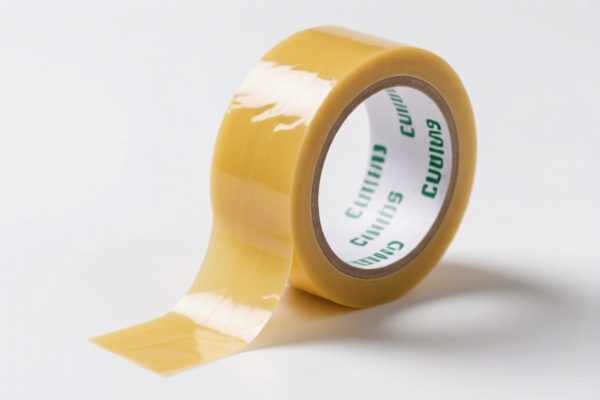
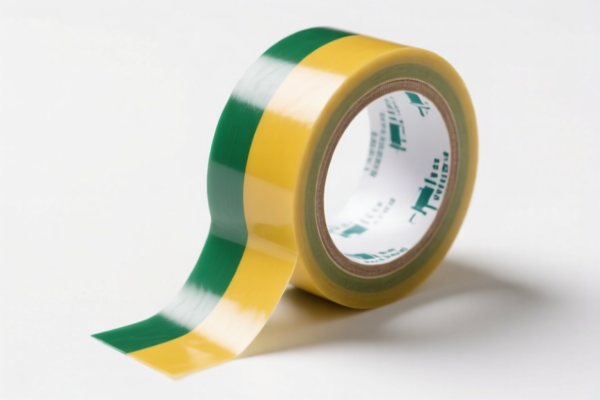
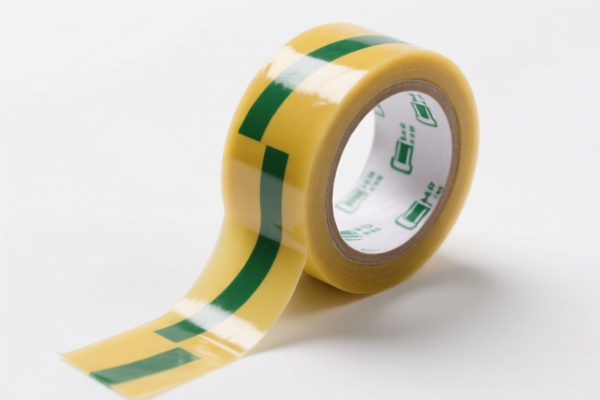
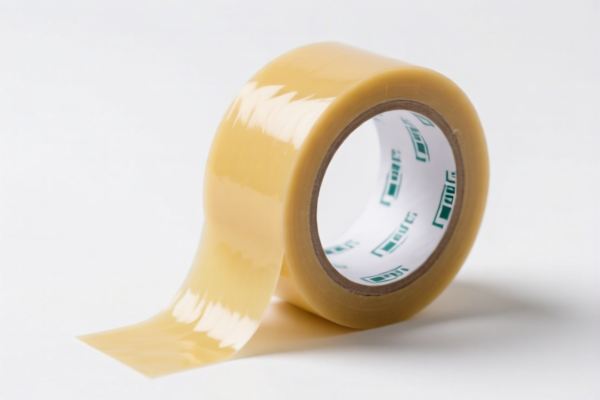
AI Analysis
🛡️ High Strength Insulating Tape (The "Iron-Clad" Electrical Shield)
🌐 HS Code Reference & Customs Clearance Guide | 2026 Latest Tariff Analysis | Professional Clearance Strategy
📌 One, Product Definition & Classification: Do You Really Know "High Strength Insulating Tape"?
High Strength Insulating Tape is not just ordinary PVC tape. In international trade, it is a specialized material used for electrical insulation, physical protection, and corrosion resistance. Its classification depends heavily on its material composition (plastic vs. polymer) and specific function (electrical vs. mechanical sealing).
Key Distinction Points:
* Electrical Plastic Self-Fusing Tape: Primarily used for insulation in wiring. Often classified under 3919 (Self-adhesive plates/film).
* Polymer/Plastic Other Articles: If the product is more about physical sealing, gasketing, or general plastic utility rather than pure electrical conductivity, it may fall under 3926 (Other articles of plastics).
* High-Strength Polypropylene (PP): If made specifically of PP with fiber reinforcement for heavy-duty holding, it has a unique subheading under 3919.
⚠️ Critical Warning:
- Misclassifying a "High Strength PP Tape" as standard PVC Insulating Tape can lead to wrong tax rates (e.g., 40.8% vs 40.8%, but different legal scrutiny).
- Confusing "Electrical Insulation" with "General Plastic Sealing" changes the HS Code from3919to3926, altering the Base Duty and 122 Section applicability.
📦 Two, HS Code Classification Details (2026 Latest Tariff Authority Comparison)
| HS Code | Product Description | Applicable Scenario | Material/Feature |
|---|---|---|---|
3919.10.20.20 |
Insulating Tape, matched for electrical use & plastic self-adhesive material attributes | Standard electrical insulation, wiring harness protection | ✅ Plastic/PVC Self-adhesive |
3919.90.50.30 |
Insulating Tape, matched for electrical insulation use & plastic self-adhesive strip attributes | Industrial electrical insulation, heavy-duty wiring | ✅ Plastic Self-adhesive Strip |
3926.90.99.89 |
Insulating Tape, matched for plastic/polymer other article attributes | General purpose plastic sealing, non-specific electrical use, polymer-based | ✅ Plastic/Polymer Other |
3926.90.45.90 |
Insulating Tape, matched for plastic/polymer gasket/sealing attributes | Industrial gaskets, sealing tapes with insulating properties | ✅ Plastic Gasket/Seal |
3919.10.20.10 |
High-Strength Polypropylene Tape, matched for plastic material & fiber-reinforced attributes | Heavy-duty bundling, high-tension electrical insulation, fiber-reinforced | ✅ PP + Fiber Reinforced |
🔍 Key Insight:
-3919series generally applies to self-adhesive plastic products, including tapes.
-3926series applies when the product is considered an "article" rather than a simple self-adhesive film, or when specific gasket/sealing functions dominate.
-3919.10.20.10is unique for High-Strength PP Tape. Do not confuse it with standard PVC insulating tape (3919.10.20.20).
💰 Three, 2026 Latest Tariff Rate Details (Including Surcharges, Policy Add-ons)
✅ Applicable Country: United States (US)
✅ Origin: China (CN)
✅ Effective Time: 2025 onwards (Including subsequent imports)
🎯 1. 3919.10.20.20 & 3919.90.50.30 & 3919.10.20.10 —— Insulating Tapes (Electrical/Plastic Self-Adhesive)
| Item | Content |
|---|---|
| Base Duty | 5.8% (Ad valorem) |
| Section 301 Surcharge | +25.0% |
| Section 122 Tariff | +10.0% |
| Total Tax Rate | 40.8% |
| Tax Calculation | CIF Value × 40.8% |
| De Minimis Eligibility | ❌ No (High risk of scrutiny) |
| Legal Basis Path | USITC:3919.10.20.20 → Section 301: 25% → Section 122: 10% |
📌 Explanation:
- Base Duty (5.8%): Standard HS duty for self-adhesive plastic products.
- Section 301 (25%): Trump-era tariff, still in effect for Chinese plastics.
- Section 122 (10%): Additional duty on specific categories, often applied to plastic articles.
- Total: 40.8%. This is a high-cost category. Pre-calculation is mandatory.
🎯 2. 3926.90.99.89 —— Insulating Tape (Plastic/Polymer Other Article)
| Item | Content |
|---|---|
| Base Duty | 5.3% (Ad valorem) |
| Section 301 Surcharge | +7.5% |
| Section 122 Tariff | +10.0% |
| Total Tax Rate | 22.8% |
| Tax Calculation | CIF Value × 22.8% |
| De Minimis Eligibility | ❌ No |
| Legal Basis Path | USITC:3926.90.99.89 → Section 301: 7.5% → Section 122: 10% |
📌 Explanation:
- Lower Total Rate (22.8%): Because Section 301 surcharge is reduced to 7.5% for certain "other plastic articles".
- Risk: This classification requires proving the product is an "article" (e.g., pre-cut gaskets, specific seals) rather than just a roll of tape. Misuse here is risky.
🎯 3. 3926.90.45.90 —— Insulating Tape (Plastic/Polymer Gasket/Sealing)
| Item | Content |
|---|---|
| Base Duty | 3.5% (Ad valorem) |
| Section 301 Surcharge | +25.0% |
| Section 122 Tariff | +10.0% |
| Total Tax Rate | 38.5% |
| Tax Calculation | CIF Value × 38.5% |
| De Minimis Eligibility | ❌ No |
| Legal Basis Path | USITC:3926.90.45.90 → Section 301: 25% → Section 122: 10% |
📌 Explanation:
- Base Duty is Low (3.5%): Gaskets/seals have lower base rates.
- But Surcharge is High (25%): Returns the total to 38.5%.
- Use Case: Only if the tape is specifically designed and marketed as a "gasket" or "sealing element" with insulating properties.
🛠️ Four, Customs Clearance Practical Advice (Battle-Tested Pitfall Avoidance)
✅ 1. Required Documentation Checklist (Non-negotiable)
| Document | Required | Description |
|---|---|---|
| ✅ Product Specification Sheet | ✔️ | Material (PVC/PP), Thickness, Width, Adhesive Type, Insulation Voltage Rating |
| ✅ Material Safety Data Sheet (MSDS) | ✔️ | Chemical composition, especially for self-fusing tapes |
| ✅ Product Photos (Clear Label) | ✔️ | Show "Insulating" marking, "High Strength" claims, voltage rating |
| ✅ Commercial Invoice | ✔️ | Must specify "Insulating Tape" NOT just "Plastic Tape" |
| ✅ Packing List | ✔️ | Net/Gross weight, number of rolls |
| ✅ Certificate of Origin | ✔️ | To prove Chinese origin (critical for tariff calculation) |
✅ 2. Declaration Tips (Key Mantras)
🔥 “Material Matters, Function Defines, Avoid Ambiguity!”
| Situation | Correct Declaration | Wrong Practice |
|---|---|---|
| Standard PVC Insulating Tape | 3919.10.20.20 (Insulating, Plastic Self-Adhesive) |
Vague "Plastic Tape" → Risk of audit |
| High-Strength PP Tape with Fiber | 3919.10.20.10 (High-Strength, PP, Fiber-Reinforced) |
General "Insulating Tape" → Wrong subheading |
| Tape Used as Gasket/Seal | 3926.90.45.90 (Gasket/Sealing) |
3919 → Missed opportunity for lower base duty? (Check Section 301 impact) |
| General Polymer Tape (Not Electrical) | 3926.90.99.89 (Other Plastic Article) |
3919 → Incorrect if not self-adhesive film type |
✅ 3. Special Case Handling
| Situation | Handling Advice |
|---|---|
| Self-Fusing Tape (Non-Adhesive) | Must declare as "Self-Fusing" to justify 3919 or 3926 distinction. Do not use "Adhesive" if it’s cold-welding. |
| High Voltage Rating | Provide test reports (UL/CSA) to prove "Insulating" function. This supports 3919 classification. |
| Fiber-Reinforced PP Tape | Explicitly mention "Polypropylene" and "Fiber Reinforced" in description to trigger 3919.10.20.10. |
| Bulk Rolls vs. Cut Pieces | Bulk rolls → 3919. Pre-cut gaskets → 3926.90.45.90. Packaging matters! |
🌍 Five, Global Market Comparison (2026 Latest)
| Country/Region | Recommended HS Code | Tariff (CN Origin) | Certification | Notes |
|---|---|---|---|---|
| 🇺🇸 USA | 3919.10.20.20 |
40.8% (High) | UL/CSA (for electrical) | High Section 301 + 122 impact |
| 🇨🇳 China | 3919.10.20.20 |
~5-6% | CCC (if applicable) | Lower tax, fewer surcharges |
| 🇪🇺 EU | 3919.10.90 |
0-6.5% | CE (if electrical) | No Section 301/122 equivalents |
| 🇬🇧 UK | 3919.10.90 |
0-6.5% | UKCA | Post-Brexit rules apply |
| 🇦🇺 Australia | 3919.10.90 |
5% | RCM (if electrical) | Moderate duty |
📌 Conclusion:
- USA is the most expensive market due to cumulative Section 301 and Section 122 tariffs.
- Cost Optimization: If possible, explore3926.90.99.89(22.8%) for non-electrical polymer tapes, but ensure compliance.
- Documentation is Key: Precise material and function descriptions prevent costly misclassification.
📌 Six, Common Mistakes & Pitfall Avoidance (Blood & Tears Lessons)
❌ Mistake 1: Calling "High-Strength PP Tape" just "Insulating Tape"
👉 Consequence: Misclassified as 3919.10.20.20 (Same rate, but wrong legal definition). May lead to port delays for verification.
❌ Mistake 2: Ignoring "Fiber Reinforcement" in PP Tape
👉 Consequence: Failure to declare fiber content may trigger anti-dumping or countervailing duty scrutiny if suspected as cheap plastic imports.
❌ Mistake 3: Using "Adhesive Tape" for Self-Fusing Tape
👉 Consequence: Self-fusing tapes do not have sticky adhesive; they bond to themselves. Misdeclaration → Customs seizure for false description.
❌ Mistake 4: Assuming All Tapes are 3919
👉 Consequence: If used as gaskets, 3926.90.45.90 may apply. Wrong code → Audit risk.
✅ Correct Practice:
"High-Strength Polypropylene Insulating Tape, Fiber-Reinforced, 24mm Width, 0.2mm Thickness, Voltage Rating 1000V, Model XYZ, UL Certified"
🎯 Seven, Conclusion: Precise Classification, Cost Control, Smooth Clearance!
🎯 Remember the Mantra:
🔹 "Material First, Function Second, Code Accuracy Saves Money!"
🔹 "PP Fiber Tape is3919.10.20.10, PVC is3919.10.20.20. Don’t Mix Them!"
🔹 "Section 122 + 301 = 35% Extra. Know Your Product, Know Your Tax."
📌 Pro Tip:
If your high-strength tape is originally manufactured in Vietnam, Mexico, or Thailand, you may qualify for IEEPA/Section 301 Exemptions, reducing the effective tariff significantly.
Recommendation: Apply for Advance Rulings (Ruling Letters) with US Customs before shipment to lock in the HS Code and tariff rate.
📣 Act Now:
📞 Contact a Professional Customs Broker + Provide Product Specs + Apply for HS Code Advance Ruling
🚀 Let Your Tape Clear Fast, Stay Legal, and Protect Margins!
✨ Professional Clearance Starts with Accurate Classification!
💼 Every Percent of Duty Saved is Pure Profit!
Customer Reviews
About HS Code Classification
The Harmonized System (HS) is an internationally standardized nomenclature developed by the World Customs Organization (WCO) to classify traded products. Over 200 countries use the HS system as the basis for customs tariffs, trade statistics, and import/export regulations.
Each HS code follows a hierarchical structure:
- Chapter (2 digits) — Broad category of goods (e.g., Chapter 84: Machinery and Mechanical Appliances)
- Heading (4 digits) — More specific grouping within the chapter
- Subheading (6 digits) — Internationally standardized breakdown, used by all WCO member countries
- National subdivisions (8-10 digits) — Country-specific extensions for further classification, such as US HTSUS 10-digit codes
Correct HS code classification is essential for smooth customs clearance, accurate duty payment, and compliance with trade regulations. Misclassification can lead to customs delays, overpayment of duties, or penalties.
When importing from CN to US, the applicable tariff rates may include:
- Most-Favored-Nation (MFN) rate — The standard duty rate applied to WTO members
- General rate — Applied to countries without trade agreements
- Trade remedy duties — Additional tariffs such as Section 301 (anti-dumping), Section 232 (national security), or countervailing duties
The information provided on this page is for reference purposes only. For official classification, please consult with your local customs authority or a licensed customs broker.