High strength plant fiber rubber conveyor belt
CN → US| HS Code | Tariff Rate | Origin | Destination | Doc |
|---|---|---|---|---|
| 8431499084 | 85.0% | CN | US | Official Doc |
| 5911310080 | 38.8% | CN | US | Official Doc |
| 5911320080 | 38.8% | CN | US | Official Doc |
| 8431390010 | 35.0% | CN | US | Official Doc |
| 8431390080 | 35.0% | CN | US | Official Doc |
Product Images
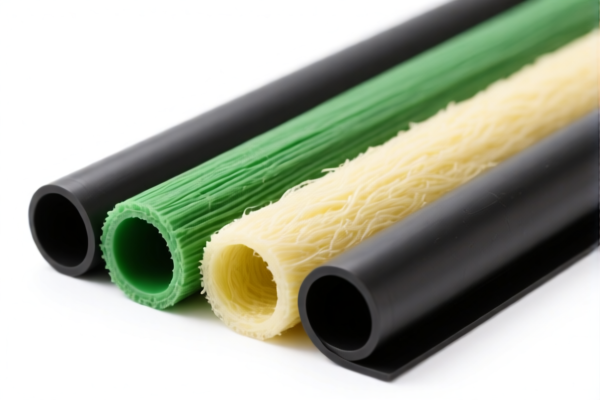
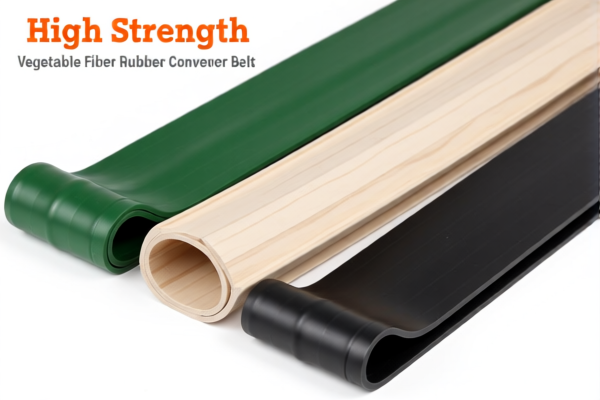
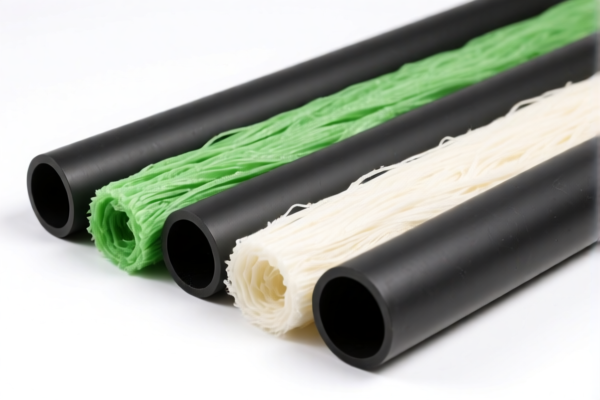
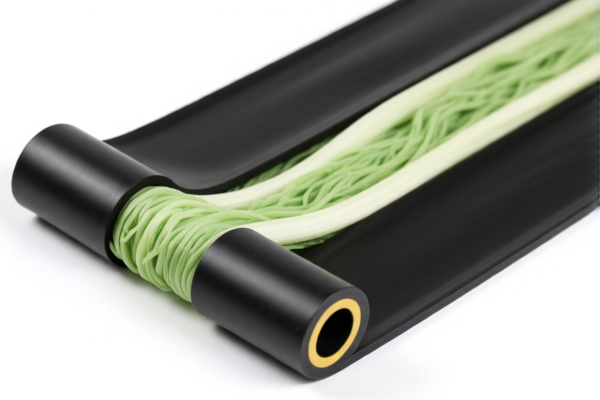
AI Analysis
🏭 High Strength Plant Fiber Rubber Conveyor Belt
🌐 HS Code Reference & Customs Clearance Guide | 2026 Latest Tariff Analysis | Professional Clearance Strategy
📌 Part 1: Product Definition and Classification: Do You Really Understand "Conveyor Belts"?
The High Strength Plant Fiber Rubber Conveyor Belt is a critical component in industrial logistics, mining, and material handling systems. In international trade, its classification hinges on two key factors: material composition (plant fiber/rubber) and functional application (conveying machinery).
Key Distinctions: * Rubber/Textile Composition: Unlike pure metal or plastic belts, this product relies on "plant fibers" (often synthetic or natural blends like polyester, nylon, or cotton) reinforced with rubber for durability. * Functional Category: It is classified either as a part/accessory of conveying machinery (HS Chapter 84) or as a textile fabric/felt used in industrial machinery (HS Chapter 59), depending on how it is perceived by customs authorities (as a mechanical part vs. a textile material).
⚠️ Critical Differentiation Point: - If viewed primarily as a mechanical component of a conveyor system →归入 8431.39.00.80 / 8431.49.90.84 (Parts of Conveyors). - If viewed primarily as a textile fabric/felt for industrial machinery →归入 5911.31.00.80 / 5911.32.00.80 (Textiles for Machinery).
📦 Part 2: HS Code Classification Details (2026 Latest Tariff Authority Comparison)
| HS Code | Product Description | Application Scenario | Tariff Rate |
|---|---|---|---|
8431.49.90.84 |
High-strength textile fiber conveyor belt, semi-finished/component form, classified under other categories as components/structural parts. | Intermediate goods, structural components for conveyors. | 85.0% |
5911.31.00.80 |
High-strength textile fiber conveyor belt, textile material, functional attribute consistent with textile fabrics/felts for paper-making or similar machines. | Industrial machinery felts, conveying/transport application. | 38.8% |
5911.32.00.80 |
High-strength textile fiber conveyor belt, textile material, used as conveyor belts, falls under the category of fabrics/felts used in paper-making or similar machines. | Paper industry machinery felts, conveyor applications. | 38.8% |
8431.39.00.10 |
High-strength textile fiber conveyor belt, textile material, classified as a part of conveying equipment, fitting "other parts" under this category. | Conveyor machine spare parts, other parts. | 35.0% |
8431.39.00.80 |
Heavy-duty conveyor belt, mainly containing plant fiber components, classified under conveying equipment, fitting the attribute of conveyor parts under heading 8428. | Heavy industrial conveying systems, parts of conveyors. | 35.0% |
🔍 Key Reminder: - The choice between Chapter 59 (Textiles) and Chapter 84 (Machinery Parts) is the most contentious area in customs clearance. - Chapter 84 codes generally carry lower tariffs (35%-85%) compared to some textile classifications, but
8431.49.90.84has a surprisingly high rate of 85.0% due to specific trade restrictions. - Chapter 59 codes (5911.31.00.80/5911.32.00.80) offer a more moderate rate of 38.8% if the belt is deemed a "felt" for machinery.
💰 Part 3: 2026 Latest Tariff Rate Details (Including Surtaxes, Policy Surcharges)
✅ Applicable Country: United States (US)
✅ Origin: China (CN)
✅ Effective Date: 2025 November 10 onwards (including subsequent imports)
🎯 1. 8431.49.90.84 —— Conveyor Belt Component (High Tariff Risk)
| Item | Content |
|---|---|
| Base Rate | 0.0% |
| Section 301 Surcharge | +25.0% |
| Section 232 Surcharge | +50.0% (For steel, aluminum, copper products - Note: If deemed metal-reinforced) |
| Other Surtax | +10.0% (Specific to this classification) |
| Total Rate | 85.0% |
| Tax Calculation | CIF Value × 85.0% |
| De Minimis Exemption | ❌ Not Eligible (Deny De Minimis) |
| Legal Basis Path | USITC:8431.49.90.84 → Section 301: 25% → Section 232: 50% → Other: 10% |
📌 Explanation: - This classification attracts the highest total tax rate among the options. - The 50% Section 232 tariff applies if the belt is perceived to contain significant steel/aluminum components (e.g., steel cord reinforcement), which is common in "high strength" belts. - 85% is extremely high, making this classification commercially unviable for most trade unless value-added significantly.
🎯 2. 5911.31.00.80 & 5911.32.00.80 —— Textile Felt for Machinery (Moderate Tariff)
| Item | Content |
|---|---|
| Base Rate | 3.8% |
| Section 301 Surcharge | +25.0% |
| Section 232 Surcharge | None (Not applicable to textiles) |
| Other Surtax | +10.0% (Specific to this classification) |
| Total Rate | 38.8% |
| Tax Calculation | CIF Value × 38.8% |
| De Minimis Exemption | ❌ Not Eligible |
| Legal Basis Path | USITC:5911.31.00.80 / 5911.32.00.80 → Section 301: 25% → Other: 10% |
📌 Note: - These codes are classified under Chapter 59 (Textile Articles), so Section 232 (Steel/Aluminum) does not apply. - The total rate is 38.8%, which is significantly lower than
8431.49.90.84. - This is a more cost-effective classification if the belt can be legitimately described as a "textile fabric" or "felt" used in machinery.
🎯 3. 8431.39.00.10 & 8431.39.00.80 —— Parts of Conveying Machinery (Lower Base, Moderate Surcharge)
| Item | Content |
|---|---|
| Base Rate | 0.0% |
| Section 301 Surcharge | +25.0% |
| Section 232 Surcharge | None (Not applicable to textile/plant fiber belts) |
| Other Surtax | None/Minimal |
| Total Rate | 35.0% |
| Tax Calculation | CIF Value × 35.0% |
| De Minimis Exemption | ❌ Not Eligible |
| Legal Basis Path | USITC:8431.39.00.10 / 8431.39.00.80 → Section 301: 25% |
📌 Note: - These are classified as parts of conveyors (HS Chapter 84). - The base rate is 0%, and only the 25% Section 301 surcharge applies. - 35.0% is the lowest total tariff among all listed options. - This classification is optimal if the belt is clearly defined as a spare part for a conveyor system, rather than a raw material or textile fabric.
🛠️ Part 4: Customs Clearance Practical Advice (Avoiding Pitfalls)
✅ 1. Preparation Checklist (All Required)
| Document | Required | Description |
|---|---|---|
| ✅ Product Specification Sheet | ✔️ | Detail material composition (plant fiber %, rubber %, steel cord if any), strength rating, width, thickness. |
| ✅ Material Safety Data Sheet (MSDS) | ✔️ | Especially if rubber or chemical treatments are involved. |
| ✅ Product Photos | ✔️ | Clear images of the belt cross-section, surface texture, and labeling. |
| ✅ Third-Party Test Report | ✔️ | Tensile strength, abrasion resistance, fire retardancy (if applicable). |
| ✅ Commercial Invoice | ✔️ | Must explicitly state "Conveyor Belt, Plant Fiber/Rubber, High Strength". |
| ✅ Packing List | ✔️ | Indicate if it is sold as a roll, cut length, or with fittings. |
✅ 2. Declaration Strategy (Key Tips)
🔥 "Declare as Part, Not Felt; Avoid Steel Label, Keep Tax Low!"
| Scenario | Correct Declaration | Wrong Practice |
|---|---|---|
| Belt with Steel Cord Reinforcement | 8431.39.00.80 (Parts of Conveyor) |
Declare as "Textile" → Risk of 85% if misclassified as steel product. |
| Pure Plant Fiber/Rubber Belt | 8431.39.00.10 or 8431.39.00.80 |
Declare as "Felt" → Risk of 38.8% (higher than 35%). |
| Belt for Paper Machine | 5911.31.00.80 or 5911.32.00.80 |
Declare as "Conveyor Part" → May be rejected if not for paper machine. |
| Semi-finished Belt | 8431.49.90.84 |
Use this only if absolutely necessary; expect 85% tax. |
📌 Critical Tip: - Avoid using the word "Steel" or "Metal" in the product description unless necessary. If you do, customs may apply Section 232 tariffs (50%), pushing the total tax to 85%. - Emphasize "Plant Fiber", "Rubber", and "Conveyor Part" to aim for 35.0%.
✅ 3. Special Cases Handling
| Situation | Handling Advice |
|---|---|
| OEM Custom Belt | Provide customer order + design specs. Justify "Plant Fiber" composition to avoid Section 232. |
| Belt for Mining | Highlight "High Strength" and "Industrial Application". Classify as 8431.39.00.80 (Parts of Conveyor). |
| Belt for Food Industry | Add "Food Grade Rubber" claim. May require FDA compliance. |
| Mixed Materials | If >10% steel by weight, risk Section 232. Consult customs broker for pre-ruling. |
🌍 Part 5: Global Market Comparison (2026 Latest)
| Country/Region | Recommended HS Code | Tariff | Certification | Notes |
|---|---|---|---|---|
| 🇺🇸 USA | 8431.39.00.80 |
35.0% | None specific | Avoid 8431.49.90.84 (85%) and 5911 (38.8%). |
| 🇨🇳 China | 4010.35.00.00 |
5% | CCC (if automotive) | Not in dataset, but common globally. |
| 🇪🇺 EU | 4010.35.00.00 |
0% | CE | No Section 301/232 equivalents. |
| 🇬🇧 UK | 4010.35.00.00 |
0% | UKCA | Post-Brexit, lower barriers. |
| 🇦🇺 Australia | 4010.35.00.00 |
5% | RCM | No surcharges. |
📌 Conclusion: - USA is the most challenging market due to Section 301 and Section 232 tariffs. - Best strategy for USA: Classify as "Part of Conveyor" (
8431.39.00.80) to achieve 35.0% total tax. - Avoid: Classification as "Steel Product" (8431.49.90.84) which incurs 85%.
📌 Part 6: Common Errors & Pitfalls (Lessons Learned)
❌ Error 1: Declaring a steel-cord conveyor belt as "Textile Fabric" to avoid steel tariffs
👉 Consequence: Customs may reclassify under Section 232, applying 50% surcharge → Total tax jumps to 38.8%+.
❌ Error 2: Using 8431.49.90.84 for a finished conveyor belt
👉 Consequence: 85.0% tax → Profit margin erased. Use 8431.39.00.80 instead.
❌ Error 3: Not declaring "Plant Fiber" composition
👉 Consequence: Customs may assume synthetic/rubber only or steel reinforcement, leading to higher scrutiny or incorrect classification.
❌ Error 4: Splitting shipment into "Belt" + "Rollers" + "Motor"
👉 Consequence: Each item taxed separately. Belt: 35%, Motor: 25%+, Rollers: 25%+. Combined: 35%. Split: Higher total.
✅ Correct Practice:
"Conveyor Belt, High Strength, Plant Fiber Reinforced, Rubber Coated, Width 1200mm, For Industrial Mining Use, HS Code: 8431.39.00.80"
🎯 Part 7: Conclusion: Professional Declaration Saves Money!
🎯 Remember the Mantra:
🔹 "Parts over Textiles, Avoid Steel Label, 35% is the Goal!"
🔹 "HS Code determines life; 50% difference can kill your profit!"
🔹 "Declare as Part of Conveyor, not Felt or Component, to save 25%!"
📌 Pro Tip:
If your belt contains <10% steel by weight, it may still qualify for the 35.0% rate under
8431.39.00.80. However, if it contains >10% steel, it may be deemed a "steel product" under Section 232, triggering the 50% surcharge. Recommendation: Request a Pre-Ruling from US Customs (CBP) to confirm the steel content threshold.
📣 Immediate Action:
📞 Contact a professional customs broker + Provide material composition details + Apply for HS Code Pre-Ruling. 🚀 Ensure your conveyor belts clear customs smoothly, efficiently, and cost-effectively!
✨ Professional clearance starts with accurate classification!
💼 Every cent of tax paid is money that could be profit!
Customer Reviews
About HS Code Classification
The Harmonized System (HS) is an internationally standardized nomenclature developed by the World Customs Organization (WCO) to classify traded products. Over 200 countries use the HS system as the basis for customs tariffs, trade statistics, and import/export regulations.
Each HS code follows a hierarchical structure:
- Chapter (2 digits) — Broad category of goods (e.g., Chapter 84: Machinery and Mechanical Appliances)
- Heading (4 digits) — More specific grouping within the chapter
- Subheading (6 digits) — Internationally standardized breakdown, used by all WCO member countries
- National subdivisions (8-10 digits) — Country-specific extensions for further classification, such as US HTSUS 10-digit codes
Correct HS code classification is essential for smooth customs clearance, accurate duty payment, and compliance with trade regulations. Misclassification can lead to customs delays, overpayment of duties, or penalties.
When importing from CN to US, the applicable tariff rates may include:
- Most-Favored-Nation (MFN) rate — The standard duty rate applied to WTO members
- General rate — Applied to countries without trade agreements
- Trade remedy duties — Additional tariffs such as Section 301 (anti-dumping), Section 232 (national security), or countervailing duties
The information provided on this page is for reference purposes only. For official classification, please consult with your local customs authority or a licensed customs broker.