High strength rubber inner tubes
CN → US| HS Code | Tariff Rate | Origin | Destination | Doc |
|---|---|---|---|---|
| 4011201015 | 39.0% | CN | US | Official Doc |
| 4011205020 | 38.4% | CN | US | Official Doc |
| 4013901000 | 35.0% | CN | US | Official Doc |
| 4016996010 | 37.5% | CN | US | Official Doc |
| 4013100020 | 38.7% | CN | US | Official Doc |
Product Images
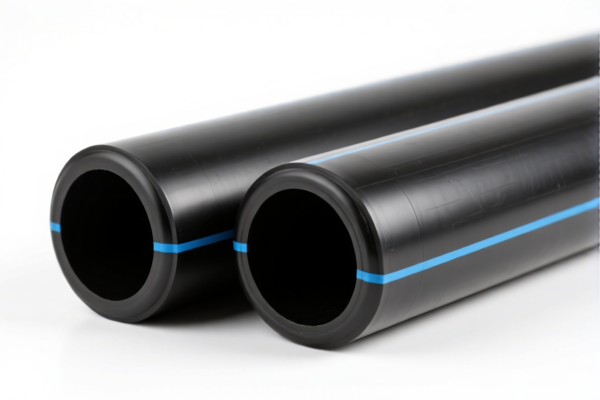
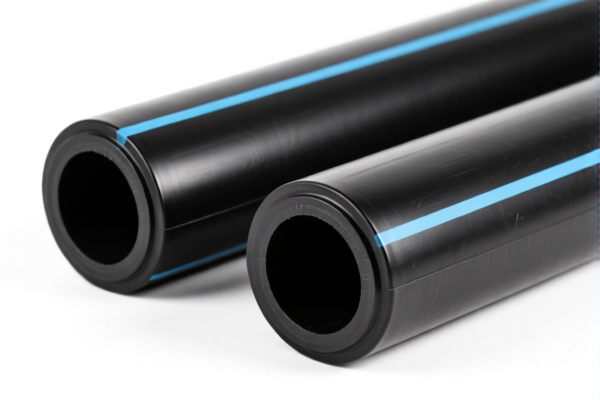
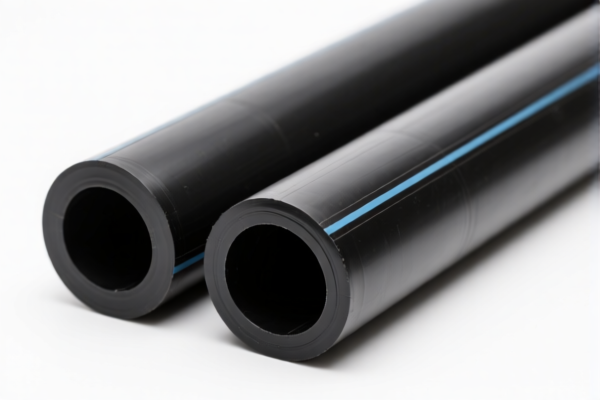
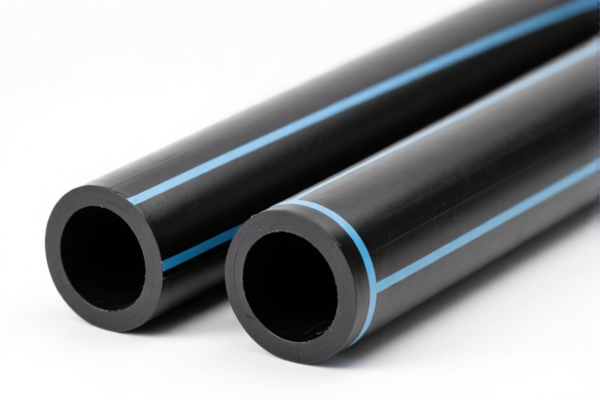
AI Analysis
🚛 High Strength Rubber Inner Tubes (Truck & Radial Tire Applications)
🌐 HS Code Reference & Customs Clearance Guide | 2026 Latest Tariff Analysis | Professional Entry Strategies
📌 I. Product Definition & Classification: Are You Sure You Know "Inner Tubes"?
High-strength rubber inner tubes are critical safety components for pneumatic tires, primarily used in heavy-duty trucks, commercial vehicles, and radial tires. In international trade, their classification depends heavily on specific application (radial vs. bias-ply), physical form, and material composition.
⚠️ Key Distinction Points:
- Usage Specificity: Is it for Radial/Highway Trucks (specialized) or General Truck Use (general purpose)?
- Material State: Is it classified as a Tube (Chapter 40.11/40.13) or a General Rubber Article (Chapter 40.16)?
- Technical Requirements: Does it meet specific "high-strength" specifications that might shift it from general machinery parts to specialized tire components?
📦 II. HS Code Classification Details (2026 Latest Tariff Authority Comparison)
Based on the provided data, here are the five potential HS codes for "High Strength Rubber Inner Tubes" and their specific rationale:
| HS Code | Product Description & Classification Logic | Applicable Scenario / Summary | Tax Detail Breakdown |
|---|---|---|---|
| 4011.20.10.15 | High-Strength Truck Inner Tube | Radial/Highway Truck Tires. Classified under "Other" categories within specific tire sub-headings. | Base: 4.0% + 25% (Section 301) + 10% (Section 122) = 39.0% |
| 4011.20.50.20 | High-Strength Truck Inner Tube | General Truck Use. Classified under "Highway/Truck" usage category. | Base: 3.4% + 25% (Section 301) + 10% (Section 122) = 38.4% |
| 4013.90.10.00 | High-Strength Rubber Inner Tube | General Rubber Tube. Meets usage and form requirements for rubber inner tubes in Ch. 40.13. | Base: 0.0% + 25% (Section 301) + 10% (Section 122) = 35.0% |
| 4016.99.60.10 | Vulcanized Rubber Inner Tube | Automotive Mechanical Parts. Classified as "Other Vulcanized Rubber Articles." | Base: 2.5% + 25% (Section 301) + 10% (Section 122) = 37.5% |
| 4013.10.00.20 | High-Strength Rubber Inner Tube | Truck Specific. Matches material, form, and usage requirements for this specific sub-heading. | Base: 3.7% + 25% (Section 301) + 10% (Section 122) = 38.7% |
🔍 重点提醒 (Critical Note):
- 4013 vs. 4011: Codes starting with4013are generally for tubes (including inner tubes), while4011is for tires. However, some sub-entries in 4011 explicitly cover inner tubes for specific tire types (like radial truck tires).
- Lowest Tax Rate:4013.90.10.00offers the lowest total tax at 35.0% because it has a 0% base tariff, though it still bears the full burden of Section 301 (25%) and Section 122 (10%) tariffs.
- Highest Tax Rate:4011.20.10.15has the highest total tax at 39.0% due to a higher base tariff (4.0%).
💰 III. 2026 Latest Tariff Rate Details (Including Surtaxes & Policy Add-ons)
✅ Applicable Country: United States (US)
✅ Origin: China (CN)
✅ Effective Time: Current rates apply as per provided data.
🎯 1. 4013.90.10.00 —— Best Value Option (Lowest Total Tax)
| Item | Content |
|---|---|
| Base Tariff | 0.0% (ad valorem) |
| USITC Surtax (Section 301) | +25.0% |
| Section 122 Surtax | +10.0% |
| Total Tax Rate | 35.0% |
| Tax Calculation | CIF Value × 35.0% |
| De Minimis Eligibility | ❌ No (Deny de minimis) |
| Legal Basis Path | Section 301 → Section 122 → HS Code 4013.90.10.00 |
📌 Explanation:
- This code classifies the item broadly as a "rubber inner tube" under Chapter 40.13, which often has lower base duties than specialized tire components.
- Note: The 25% and 10% surtaxes are mandatory for Chinese-origin goods under current trade policies. They do not stack on top of the base rate in a multiplicative way but are typically additive for total duty calculation in this context.
🎯 2. 4011.20.10.15 —— Radial Truck Tire Inner Tube (Highest Tax)
| Item | Content |
|---|---|
| Base Tariff | 4.0% |
| USITC Surtax (Section 301) | +25.0% |
| Section 122 Surtax | +10.0% |
| Total Tax Rate | 39.0% |
| Tax Calculation | CIF Value × 39.0% |
| De Minimis Eligibility | ❌ No |
| Legal Basis Path | Section 301 → Section 122 → HS Code 4011.20.10.15 |
📌 Note:
- This code is specific to Radial/Highway Truck Tires.
- The higher base tariff (4.0%) reflects the specialized nature of the product, leading to the highest total effective rate.
🎯 3. 4011.20.50.20 —— General Truck Use
| Item | Content |
|---|---|
| Base Tariff | 3.4% |
| USITC Surtax (Section 301) | +25.0% |
| Section 122 Surtax | +10.0% |
| Total Tax Rate | 38.4% |
| Tax Calculation | CIF Value × 38.4% |
| De Minimis Eligibility | ❌ No |
📌 Note:
- Slightly lower than4011.20.10.15due to a 0.6% lower base rate.
- Suitable for general truck inner tubes not specifically classified as radial highway tire components.
🎯 4. 4013.10.00.20 —— Truck Specific Rubber Tube
| Item | Content |
|---|---|
| Base Tariff | 3.7% |
| USITC Surtax (Section 301) | +25.0% |
| Section 122 Surtax | +10.0% |
| Total Tax Rate | 38.7% |
| Tax Calculation | CIF Value × 38.7% |
| De Minimis Eligibility | ❌ No |
📌 Note:
- Falls under Chapter 40.13 (Tires/Inner Tubes) but with a specific truck sub-division.
🎯 5. 4016.99.60.10 —— General Rubber Article (Mechanical Parts)
| Item | Content |
|---|---|
| Base Tariff | 2.5% |
| USITC Surtax (Section 301) | +25.0% |
| Section 122 Surtax | +10.0% |
| Total Tax Rate | 37.5% |
| Tax Calculation | CIF Value × 37.5% |
| De Minimis Eligibility | ❌ No |
📌 Note:
- This classification treats the inner tube as a "vulcanized rubber part" rather than a dedicated tire component.
- Useful if the product does not strictly meet the definition of a "tire inner tube" under Chapters 40.11 or 40.13.
🛠️ IV. Customs Clearance Practical Advice (Avoiding Pitfalls)
✅ 1. Documentation Checklist (Non-Negotiable)
| Document | Required | Explanation |
|---|---|---|
| ✅ Product Specification Sheet | ✔️ | Must detail material (Rubber/Vulcanized), pressure rating, size, and inner tube vs. tubeless distinction. |
| ✅ Material Safety Data Sheet (MSDS) | ✔️ | For rubber compounds, especially if specialized chemicals are used. |
| ✅ Commercial Invoice | ✔️ | Must clearly state: "High Strength Rubber Inner Tube for [Truck/Radial] Tires." Avoid vague terms like "Rubber Part." |
| ✅ Packing List | ✔️ | Show net weight and dimensions. Inner tubes are lightweight but bulky; ensure volume calculations are accurate. |
| ✅ Certificate of Origin (CO) | ✔️ | Essential for proving CN origin to apply correct surtaxes. |
| ✅ Test Reports | ✔️ | If claiming "High Strength," provide proof of tensile strength/pressure ratings to justify the product description. |
✅ 2. Declaration Tips (Key Mantra)
🔥 "Be Specific, Be Accurate: Don't Guess the HS Code!"
| Scenario | Correct Declaration Strategy | Incorrect Action |
|---|---|---|
| Radial Highway Truck Tubes | Use 4011.20.10.15 or 4011.20.50.20 |
Misclassify as general rubber parts → Risk of Rejection |
| General Truck Tubes | Use 4013.10.00.20 or 4013.90.10.00 |
Use 4016 for standard inner tubes → Potential Over/Under-valuation |
| Vulcanized Rubber Parts (Non-Tube) | Use 4016.99.60.10 |
Call them "Inner Tubes" → Contradiction in Declaration |
| Bundle with Tires | Declare Separately | Bundle as "Tire Set" → Complex Valuation & Higher Duties |
✅ 3. Special Case Handling
| Situation | Handling Advice |
|---|---|
| OEM Custom Tubes | Provide the end-user’s truck model/type to justify specific HS codes (e.g., Radial vs. Bias). |
| "High Strength" Claim | Ensure technical data supports this claim. If challenged, provide third-party test reports showing higher tensile strength than standard tubes. |
| Mixed Shipments | If shipping both inner tubes and tubeless tires, separate them on the invoice. Tubeless tires fall under different HS codes (usually 40.11 for tires, not inner tubes). |
| Section 301 Exclusion | Check Exclusions List: As of 2026, most rubber articles from China are subject to the 25%+10% surtax. Exclusions are rare and product-specific. |
🌍 V. Global Market Comparison (2026 Latest)
| Country/Region | Recommended HS Code | Estimated Duty (China Origin) | Key Certification | Notes |
|---|---|---|---|---|
| 🇺🇸 USA | 4013.90.10.00 (Best) |
35.0% Total | No specific mandatory cert, but DOT compliant | High due to Section 301 & 122. Avoid 4011.20.10.15 (39%) if possible. |
| 🇨🇳 China | 4013.90.10.00 |
0% (Import Duty) + VAT | CCC (if applicable) | Low entry barrier, but focus on domestic market. |
| 🇪🇺 EU | 4013.10.00 |
0% (Most FTA partners) | ECE R75 (Tire Safety) | No Section 301 equivalent. Lower risk. |
| 🇲🇽 Mexico | 4013.10.00 |
0% (USMCA if originating) | NOM Certification | Check USMCA origin rules for rubber articles. |
| 🇬🇧 UK | 4013.10.00 |
0% | UKCA Marking | Post-Brexit standards apply. |
📌 Conclusion:
- The US is the most expensive market due to the cumulative effect of Section 301 (25%) and Section 122 (10%) tariffs.
- Choosing the right HS code can save up to 4% in total duties (35% vs. 39%).
-4013.90.10.00is the most cost-effective for general high-strength inner tubes, provided it accurately describes the product.
📌 VI. Common Mistakes & Pitfalls (Lessons Learned)
❌ Mistake 1: Classifying Inner Tubes as Tires (HS 40.11) incorrectly.
👉 Consequence: If the code doesn't match the product (e.g., declaring a tube as a tire), it leads to customs delays, seizures, or fines.
❌ Mistake 2: Ignoring Section 122 Tariffs.
👉 Consequence: Many importers forget the 10% Section 122 surtax, leading to underpayment and penalties.
❌ Mistake 3: Vague Product Descriptions ("Rubber Tube").
👉 Consequence: Customs may assign a higher default duty rate or demand additional documentation, causing delays.
❌ Mistake 4: Assuming "High Strength" qualifies for an exemption.
👉 Consequence: No exemptions exist for "high strength" rubber articles from China under current trade policies.
✅ Correct Approach:
"Rubber Inner Tube, High Strength, For Radial Truck Tires, Vulcanized, Model XYZ, Made in China"
🎯 VII. Conclusion: Professional Classification Saves Money!
🎯 Remember the Mantra:
🔹 "301 + 122 = 35-39% Duty. Choose
4013for Lower Base."
🔹 "Be Specific: Radial vs. General. Truck vs. Car."
🔹 "Don't Bundle Tubes with Tires. Declare Separately."
📌 Pro Tip:
- If your product is not strictly for trucks (e.g., for agricultural or industrial vehicles), check if
4016.99.60.10is more appropriate, which has a 37.5% rate.- Always apply for an Advance Ruling from US Customs (CBP) if the shipment value is high, to lock in the HS code and duty rate.
- Verify Section 122 Eligibility: Ensure the goods are eligible for the 10% surtax and not excluded under specific trade agreements.
📣 Immediate Action:
📞 Contact a Licensed Customs Broker + Provide Product Specs + Apply for CBP Advance Ruling
🚀 Optimize Your HS Code Selection → Save Up to 4% in Duties → Boost Your Profit Margins!
✨ Professional Customs Clearance Starts with Accurate Classification!
💼 Every Dollar Saved on Duties is Pure Profit!
Customer Reviews
About HS Code Classification
The Harmonized System (HS) is an internationally standardized nomenclature developed by the World Customs Organization (WCO) to classify traded products. Over 200 countries use the HS system as the basis for customs tariffs, trade statistics, and import/export regulations.
Each HS code follows a hierarchical structure:
- Chapter (2 digits) — Broad category of goods (e.g., Chapter 84: Machinery and Mechanical Appliances)
- Heading (4 digits) — More specific grouping within the chapter
- Subheading (6 digits) — Internationally standardized breakdown, used by all WCO member countries
- National subdivisions (8-10 digits) — Country-specific extensions for further classification, such as US HTSUS 10-digit codes
Correct HS code classification is essential for smooth customs clearance, accurate duty payment, and compliance with trade regulations. Misclassification can lead to customs delays, overpayment of duties, or penalties.
When importing from CN to US, the applicable tariff rates may include:
- Most-Favored-Nation (MFN) rate — The standard duty rate applied to WTO members
- General rate — Applied to countries without trade agreements
- Trade remedy duties — Additional tariffs such as Section 301 (anti-dumping), Section 232 (national security), or countervailing duties
The information provided on this page is for reference purposes only. For official classification, please consult with your local customs authority or a licensed customs broker.