High strength synthetic staple yarn
CN → US| HS Code | Tariff Rate | Origin | Destination | Doc |
|---|---|---|---|---|
| 5509210000 | 44.7% | CN | US | Official Doc |
| 5509110000 | 44.4% | CN | US | Official Doc |
| 5511100060 | 42.5% | CN | US | Official Doc |
| 5508200000 | 46.0% | CN | US | Official Doc |
Product Images
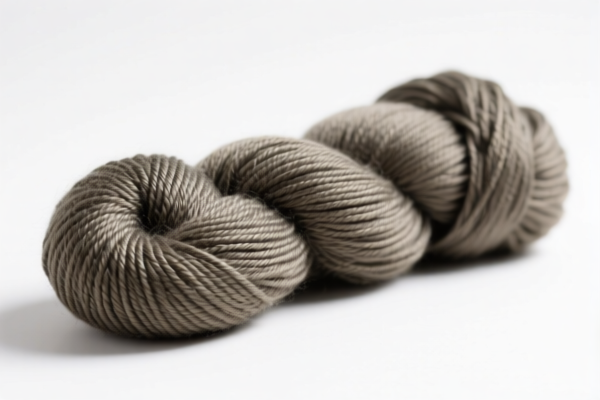
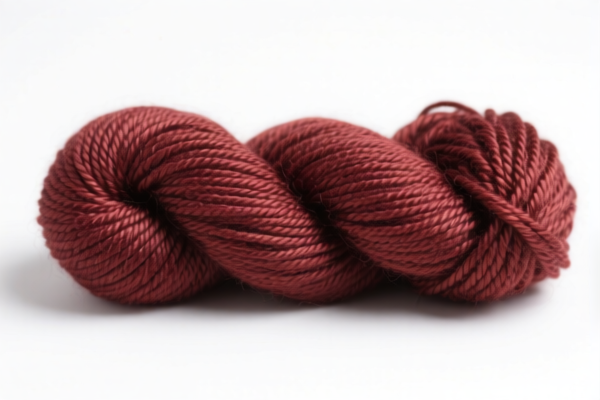
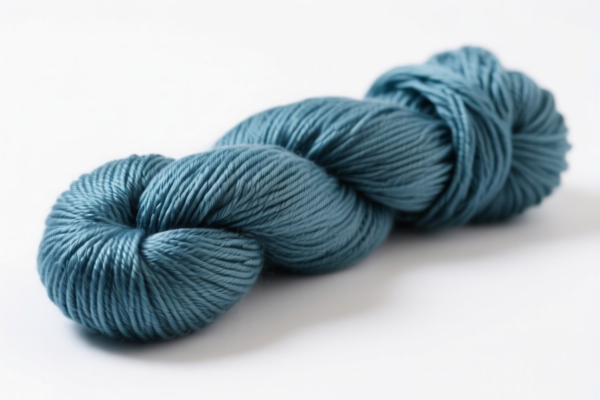
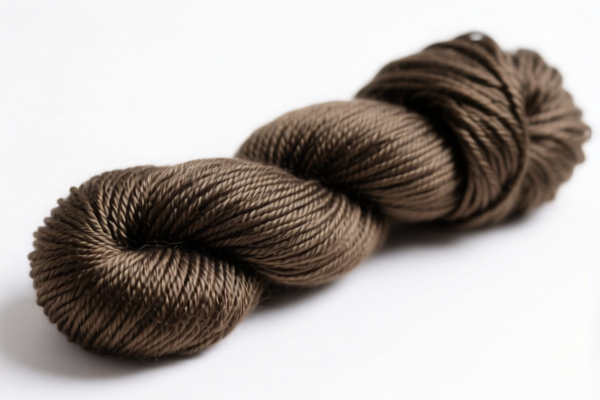
AI Analysis
🧵 High Strength Synthetic Staple Yarn (HS Code Classification & US Tariff Guide)
🌐 HS Code Reference & Customs Clearance Guide | 2026 Latest Tariff Analysis | Strategic Import Strategy for Synthetic Textiles
📌 I. Product Definition: What is "High Strength Synthetic Staple Yarn"?
Synthetic staple yarns are manufactured from long synthetic filaments that are cut into short fibers (staples) and then spun together, similar to natural fibers like cotton or wool. "High strength" typically refers to yarns made from materials with superior tensile strength, such as Nylon (Polyamide), Polyester, or specialized polymers, often used for sewing threads, industrial fabrics, and heavy-duty textiles.
⚠️ Critical Classification Distinction:
- Staple Fiber Yarns: Made from cut fibers (e.g., staple polyester, staple nylon). These fall under Chapter 55 (Man-made staple fibers).
- Continuous Filament Yarns: Made from continuous long strands. These fall under Chapter 54.
- Sewing Thread: A specific subtype of yarn, often classified separately depending on the material and composition.
- Material Matters: Polyester, Nylon, and Acrylic have different HS codes and tax rates in the US.
📦 II. Detailed HS Code Breakdown (Based on Provided Data)
The following HS codes and tax details are strictly derived from the provided dataset for High Strength Synthetic Staple Yarn.
| HS Code | Product Description | Material/Shape Match | Total Tax Rate |
|---|---|---|---|
| 5509.21.00.00 | Synthetic staple fiber yarn, matched to the material and form requirements of synthetic fiber staple yarn. | General Synthetic Staple Yarn | 44.7% |
| 5509.11.00.00 | Synthetic staple fiber yarn, matched to Nylon or other polyamide / synthetic fiber and staple fiber yarn form. | Nylon / Polyamide Staple Yarn | 44.4% |
| 5511.10.00.60 | Synthetic staple fiber yarn, inherently synthetic fiber form, consistent with inferred material of other synthetic filaments. | Other Synthetic Filament/Staple Hybrid | 42.5% |
| 5508.20.00.00 | Synthetic staple fiber yarn, matched to man-made staple fiber material and sewing thread form. | Sewing Thread (Man-made Staple) | 46.0% |
💰 III. Detailed Tariff Rate Analysis (Including Surcharges & Policy Add-ons)
✅ Applicable Country: United States (US)
✅ Origin: China (CN) (Implied by the structure of the tax details provided)
✅ Effective Date: Current (2026)
🎯 1. 5509.21.00.00 — General Synthetic Staple Fiber Yarn
This code covers general synthetic staple yarns (likely Polyester or Acrylic blends) that do not fall under the specific Nylon or Sewing Thread categories.
| Item | Content |
|---|---|
| Base Tariff | 9.7% |
| Section 301 Surcharge | +25.0% |
| Section 122 Tariff | +10.0% |
| Total Tax Rate | 44.7% |
| Tax Calculation | CIF Value × 44.7% |
| Legal Basis | Base duty + Section 301 (USITC) + Section 122 (USTR) |
📌 Explanation:
- 9.7% Base: Standard Most Favored Nation (MFN) rate for synthetic staple yarn.
- 25% Section 301: The major trade war tariff on Chinese goods.
- 10% Section 122: Often related to national security or supply chain resilience measures on specific industrial inputs.
- Total: 44.7%. This is a high-cost classification. Importers must factor this into their landed cost calculations immediately.
🎯 2. 5509.11.00.00 — Nylon/Polyamide Staple Fiber Yarn
This code is specific for yarns made from Nylon (Polyamide) or similar polyamide synthetic staples.
| Item | Content |
|---|---|
| Base Tariff | 9.4% |
| Section 301 Surcharge | +25.0% |
| Section 122 Tariff | +10.0% |
| Total Tax Rate | 44.4% |
| Tax Calculation | CIF Value × 44.4% |
| Legal Basis | Base duty + Section 301 (USITC) + Section 122 (USTR) |
📌 Explanation:
- Slightly lower base rate (9.4%) compared to general synthetic (9.7%).
- Still subject to the full 25% + 10% surcharges.
- Total: 44.4%. Very similar cost structure to general synthetic yarn.
🎯 3. 5511.10.00.60 — Other Synthetic Filament/Staple Hybrid
This code applies to synthetic staple yarns that might be inferred from other synthetic filament materials, potentially covering niche or specific polymer types not explicitly listed in 5509.
| Item | Content |
|---|---|
| Base Tariff | 7.5% |
| Section 301 Surcharge | +25.0% |
| Section 122 Tariff | +10.0% |
| Total Tax Rate | 42.5% |
| Tax Calculation | CIF Value × 42.5% |
| Legal Basis | Base duty + Section 301 (USITC) + Section 122 (USTR) |
📌 Explanation:
- Lowest Base Rate: 7.5% is the lowest base duty among the options.
- Surcharges Remain: The 25% + 10% surcharges are mandatory regardless of the base rate.
- Total: 42.5%. This is the most tax-efficient option among the four, but only if the product strictly meets the "other synthetic filament material" criteria.
🎯 4. 5508.20.00.00 — Man-made Staple Fiber Sewing Thread
⚠️ WARNING: This code is for Sewing Thread made from man-made staple fibers. If your product is industrial yarn or fabric yarn, DO NOT use this code. Misclassification here can lead to severe penalties.
| Item | Content |
|---|---|
| Base Tariff | 11.0% |
| Section 301 Surcharge | +25.0% |
| Section 122 Tariff | +10.0% |
| Total Tax Rate | 46.0% |
| Tax Calculation | CIF Value × 46.0% |
| Legal Basis | Base duty + Section 301 (USITC) + Section 122 (USTR) |
📌 Explanation:
- Highest Base Rate: 11.0%.
- Highest Total Tax: 46.0%.
- Critical Check: Only use this if the product is specifically sewing thread. If it is generic industrial yarn, using this code is incorrect and risks customs rejection.
🛠️ IV. Customs Clearance Operational Advice (Avoid Pitfalls)
✅ 1. Preparation Checklist (Mandatory)
| Document | Required? | Purpose |
|---|---|---|
| Product Specification Sheet | ✅ Yes | Must detail: Fiber type (Nylon/Polyester), Tenacity (Strength), Denier, Twist per inch. |
| Material Composition Proof | ✅ Yes | Lab test report confirming % of synthetic staple fiber vs. other materials. |
| Product Photos | ✅ Yes | Show packaging, labels, and the yarn texture (staple vs. filament). |
| Commercial Invoice | ✅ Yes | Must clearly state "Synthetic Staple Fiber Yarn" and HS Code. |
| Packing List | ✅ Yes | Net/Gross weight, number of spools/bobbins. |
| Certificate of Origin | ✅ Yes | For US Customs entry, to determine applicability of Section 301/122. |
✅ 2. Classification Strategy (Key Mnemonic)
🔥 "Check Material, Check Form, Check Strength, Check Code!"
| Scenario | Correct HS Code | Total Tax | Risk if Misclassified |
|---|---|---|---|
| General Synthetic Yarn (e.g., Polyester) | 5509.21.00.00 |
44.7% | Low risk if generic. |
| Nylon/Polyamide Yarn | 5509.11.00.00 |
44.4% | Medium risk. Must prove it's Polyamide. |
| Sewing Thread (Staple-based) | 5508.20.00.00 |
46.0% | HIGH. Do not use for industrial yarn. |
| Other/Inferred Synthetic | 5511.10.00.60 |
42.5% | HIGH. Must justify "other filament" status. |
✅ 3. Common Mistakes & Consequences
❌ Mistake 1: Classifying Sewing Thread as generic Staple Yarn.
👉 Consequence: You might choose 5509.21.00.00 (44.7%) instead of 5508.20.00.00 (46.0%). While it seems cheaper, if Customs determines it is sewing thread, they may penalize you for misdeclaration. Conversely, if you classify Industrial Yarn as Sewing Thread, you pay 46.0% unnecessarily.
❌ Mistake 2: Ignoring Section 122 Tariff.
👉 Consequence: The dataset explicitly includes a 10% Section 122 tariff. If your declaration omits this, US Customs will assess it retroactively with penalties. Always include the 10% in your landed cost calculation.
❌ Mistake 3: Confusing Staple with Filament.
👉 Consequence: Staple yarn (Chapter 55) vs. Continuous Filament (Chapter 54). Mixing them up leads to wrong HS codes and potential shipment holds. Ensure your product is made from cut fibers (staples).
🌍 V. Global Market Comparison (2026 Outlook)
| Country/Region | Recommended HS Code | Est. Tax Rate (China Origin) | Notes |
|---|---|---|---|
| 🇺🇸 USA | 5509.21.00.00 / 5509.11.00.00 |
44.4% - 46.0% | High due to Section 301 + Section 122. |
| 🇨🇳 China | 5509.21.00.00 |
~5-9% (Base) | No Section 301/122. Low cost. |
| 🇪🇺 EU | 5509.21.00.00 |
~0-4% (Base) | Generally lower tariffs, but high compliance costs (REACH). |
| 🇻🇳 Vietnam | N/A | N/A | If re-exported from Vietnam, US tariffs may be lower/zero (subject to DFPA rules). |
📌 Conclusion:
- The US market is the most expensive for importing synthetic staple yarn from China due to the cumulative 35% surcharges (25% + 10%).
- Cost Optimization: Consider sourcing from non-China origins if possible, or negotiate FOB prices to absorb the 44-46% duty burden.
📌 VI. Final Recommendations for Importers
- Precise Material Declaration: Clearly state "Nylon" or "Polyester" in the commercial invoice. Vague terms like "Synthetic Fiber" can trigger audits.
- Verify "Staple" Status: Ensure the yarn is indeed made from staple fibers. If it is continuous filament, the HS code and tax rate will be completely different (Chapter 54).
- Calculate Landed Cost Correctly: Use the Total Tax Rate (Base + 25% + 10%) in your financial models. Do not base profitability on the Base Rate alone.
- Seek Pre-Ruling: For high-volume imports, apply for a Binding Tariff Information (BTI) or Customs Ruling from US CBP to lock in the HS code and avoid future disputes.
🎯 Remember:
🔹 "44% is the floor, 46% is the ceiling for staple yarn."
🔹 "Section 122 is non-negotiable. Budget for the 10%."
🔹 "Sewing thread is not generic yarn. Check the form."
📣 Action Plan:
📞 Contact your freight forwarder to confirm the HS code based on your specific product sample.
📄 Prepare lab reports to prove fiber composition and staple length.
💰 Update your cost sheets with the 44.4% - 46.0% total tax rate.
✨ Accurate Classification Saves Money. Clear Documentation Ensures Speed.
💼 Navigate US Customs with Confidence, Not Guesswork.
Customer Reviews
About HS Code Classification
The Harmonized System (HS) is an internationally standardized nomenclature developed by the World Customs Organization (WCO) to classify traded products. Over 200 countries use the HS system as the basis for customs tariffs, trade statistics, and import/export regulations.
Each HS code follows a hierarchical structure:
- Chapter (2 digits) — Broad category of goods (e.g., Chapter 84: Machinery and Mechanical Appliances)
- Heading (4 digits) — More specific grouping within the chapter
- Subheading (6 digits) — Internationally standardized breakdown, used by all WCO member countries
- National subdivisions (8-10 digits) — Country-specific extensions for further classification, such as US HTSUS 10-digit codes
Correct HS code classification is essential for smooth customs clearance, accurate duty payment, and compliance with trade regulations. Misclassification can lead to customs delays, overpayment of duties, or penalties.
When importing from CN to US, the applicable tariff rates may include:
- Most-Favored-Nation (MFN) rate — The standard duty rate applied to WTO members
- General rate — Applied to countries without trade agreements
- Trade remedy duties — Additional tariffs such as Section 301 (anti-dumping), Section 232 (national security), or countervailing duties
The information provided on this page is for reference purposes only. For official classification, please consult with your local customs authority or a licensed customs broker.