High temperature Insulation Tape
CN → US| HS Code | Tariff Rate | Origin | Destination | Doc |
|---|---|---|---|---|
| 3919102020 | 40.8% | CN | US | Official Doc |
| 3919905030 | 40.8% | CN | US | Official Doc |
| 3926909989 | 22.8% | CN | US | Official Doc |
| 3926904590 | 38.5% | CN | US | Official Doc |
| 4014905000 | 14.2% | CN | US | Official Doc |
Product Images
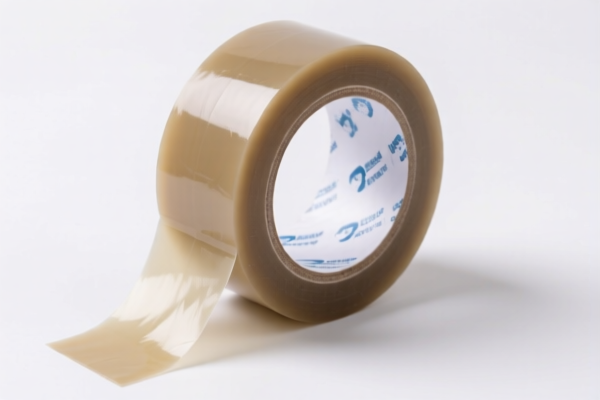
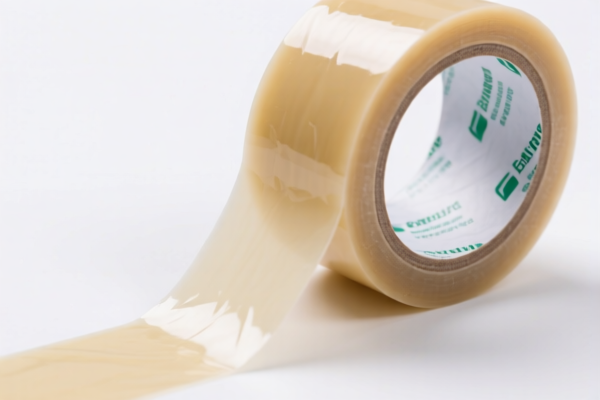
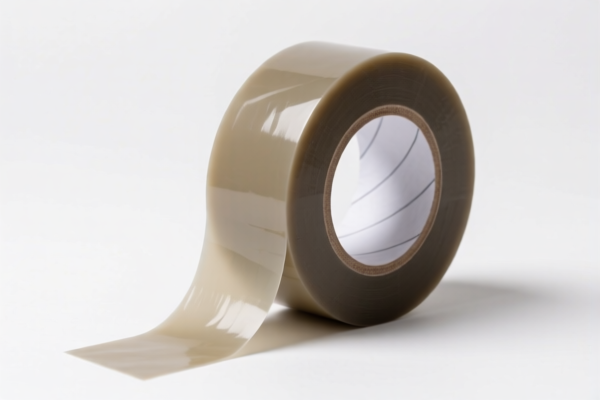
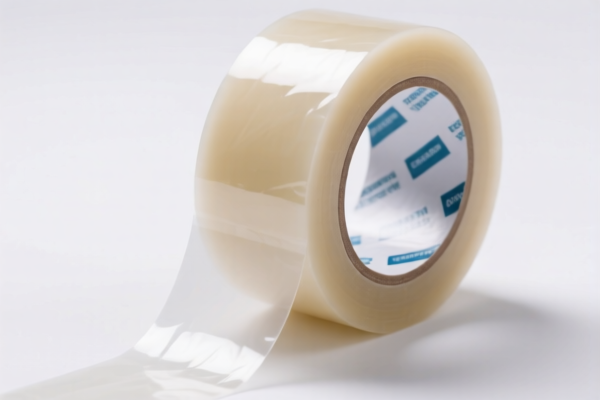
AI Analysis
🛡️ High Temperature Insulation Tape (Medical & Industrial)
🌐 HS Code Reference & Customs Clearance Guide | 2026 Latest Tariff Analysis | Professional Clearance Strategy
📌 I. Product Definition & Classification: What is "High Temperature Insulation Tape"?
High-temperature insulation tapes are critical materials used in electrical, industrial, and medical applications. In international trade, they are strictly classified based on their material composition, intended use, and technical specifications. The provided data identifies four distinct classifications for these tapes, highlighting the critical difference between industrial electrical tapes, general plastic/plastic-polmer products, and medical-grade sterilizable tapes.
⚠️ Key Distinction:
- Medical Use (Rubber Base): Specifically for sterilization/high-heat medical applications → HS4014.90.50.00(Lowest Tax).
- Electrical Use (Plastic Base): For wiring/electrical insulation → HS3919.10.20.20or3919.90.50.30(Highest Tax).
- General Plastic Use: Other plastic/polymer tapes → HS3926.90.99.89or3926.90.45.90(Moderate/High Tax).
📦 II. HS Code Classification Details (2026 Latest Tariff Authority Comparison)
| HS Code | Product Description | Application Scenario | Material | Total Tax Rate |
|---|---|---|---|---|
4014.90.50.00 |
Medical High-Temperature Sterilization Tape | Medical/Pharma use, rubber-based | Rubber | 14.2% |
3926.90.99.89 |
Insulation Tape, Plastic/Polymer Based | General plastic products, other uses | Plastic/Polymer | 22.8% |
3926.90.45.90 |
Insulation Tape, Plastic/Polymer Based | Sealing components/plastic parts | Plastic/Polymer | 38.5% |
3919.10.20.20 |
Insulation Tape, Electrical Use | Electrical wiring, plastic-based | Plastic | 40.8% |
3919.90.50.30 |
Insulation Tape, Electrical Insulation Use | Electrical insulation, plastic-based | Plastic | 40.8% |
🔍 Critical Warning:
- Medical vs. Industrial: If the tape is certified for medical high-temperature sterilization and made of rubber, it qualifies for the lowest tax bracket (4014.90.50.00). Misclassifying this as an "industrial plastic tape" can result in a 26.6% higher tax burden!
- Electrical vs. General: Tapes specifically for electrical purposes (HS3919...) attract the highest penalty tariffs due to Section 301 and Section 122 regulations.
- Section 122 Impact: All HS codes in the dataset are subject to a 10% Section 122 tariff, which applies regardless of the base classification.
💰 III. 2026 Latest Tariff Rate Breakdown (Detailed Tax Clauses)
✅ Applicable Country: United States (US)
✅ Origin: China (CN)
✅ Effective Date: Current tariffs apply (2025-2026)
🎯 1. 4014.90.50.00 —— Medical High-Temperature Sterilization Tape (Rubber Base)
| Item | Content |
|---|---|
| Base Tariff | 4.2% (ad valorem) |
| Section 301 Surcharge | 0.0% |
| Section 122 Surcharge | 10.0% |
| Total Tax Rate | 14.2% |
| Tax Calculation | CIF Value × 14.2% |
| De Minimis Exemption | ❌ Not Eligible (High-value industrial/medical goods usually excluded or strictly monitored) |
| Legal Basis | USITC: 4014.90.50.00 → SECTION_122: 10% |
📌 Explanation:
- This is the most favorable rate in the dataset.
- The 0% Section 301 surcharge suggests that medical rubber products may have specific exemptions or lower priority targets for retaliatory tariffs compared to electrical plastics.
- Section 122 (10%) applies to all imports from China under current enforcement, adding a flat layer of cost.
🎯 2. 3926.90.99.89 —— Insulation Tape, Plastic/Polymer (Other Plastic Products)
| Item | Content |
|---|---|
| Base Tariff | 5.3% |
| Section 301 Surcharge | 7.5% |
| Section 122 Surcharge | 10.0% |
| Total Tax Rate | 22.8% |
| Tax Calculation | CIF Value × 22.8% |
| De Minimis Exemption | ❌ Not Eligible |
| Legal Basis | USITC: 3926.90.99.89 → SECTION_301: 7.5% → SECTION_122: 10% |
📌 Note:
- This code is for general plastic/polymer tapes not specifically designated for electrical or sealing primary functions.
- The 7.5% Section 301 surcharge is significantly lower than the 25% rate for electrical tapes, making this a viable alternative if the product description can be legally justified as "general plastic product" rather than "electrical insulation."
🎯 3. 3926.90.45.90 —— Insulation Tape, Plastic/Polymer (Sealing Components)
| Item | Content |
|---|---|
| Base Tariff | 3.5% |
| Section 301 Surcharge | 25.0% |
| Section 122 Surcharge | 10.0% |
| Total Tax Rate | 38.5% |
| Tax Calculation | CIF Value × 38.5% |
| De Minimis Exemption | ❌ Not Eligible |
| Legal Basis | USITC: 3926.90.45.90 → SECTION_301: 25% → SECTION_122: 10% |
📌 Warning:
- Although the base tariff is low (3.5%), the 25% Section 301 surcharge (maximum penalty tier) drives the total cost up.
- This code is for tapes used as sealing components. Ensure your product is strictly for sealing; misclassification here is risky.
🎯 4. 3919.10.20.20 & 3919.90.50.30 —— Electrical Insulation Tapes (Plastic)
| Item | Content |
|---|---|
| Base Tariff | 5.8% |
| Section 301 Surcharge | 25.0% |
| Section 122 Surcharge | 10.0% |
| Total Tax Rate | 40.8% |
| Tax Calculation | CIF Value × 40.8% |
| De Minimis Exemption | ❌ Not Eligible |
| Legal Basis | USITC: 3919... → SECTION_301: 25% → SECTION_122: 10% |
📌 Critical Alert:
- This is the highest tax bracket in the dataset.
- Section 301 (25%) is applied to electrical insulation products, reflecting strict trade restrictions on electrical components from China.
- Section 122 (10%) is added on top.
- Total 40.8% makes these products highly sensitive to margin erosion.
- Difference between .10.20.20 and .90.50.30: Both have identical tax rates. The distinction lies in the specific sub-heading details (e.g., roll width, self-adhesive nature), but for cost purposes, they are equivalent.
🛠️ IV. Customs Clearance Practical Advice (Battle-Tested Pitfall Guide)
✅ 1. Required Documentation Checklist (Non-Negotiable)
| Document | Mandatory? | Description |
|---|---|---|
| ✅ Product Specification Sheet | ✔️ | Must specify: Material (Rubber vs. Plastic), Temperature Resistance (°C), Voltage Rating (if electrical), Use Case (Medical vs. Industrial). |
✅ Medical Certification (If claiming 4014) |
✔️ | FDA Registration, ISO 13485, Sterilization Proof. Crucial to prove "Medical" status and avoid 40.8% tax. |
| ✅ Composition Analysis | ✔️ | Lab report confirming if the base is Rubber (HS 40) or Plastic (HS 39). This is the #1 cause of reclassification. |
| ✅ Commercial Invoice | ✔️ | Clear description: "High-Temp Sterilization Tape, Rubber-Based, Medical Use" vs. "Electrical Insulation Tape, PVC-Based." |
| ✅ Packing List | ✔️ | Net/Gross weight, dimensions. |
✅ 2. Declaration Strategy (Key Mnemonics)
🔥 “Material First, Use Second, Tax Depends on Both!”
| Scenario | Correct Declaration | Wrong Declaration | Consequence |
|---|---|---|---|
| Medical Tape (Rubber) | 4014.90.50.00 |
"Insulation Tape, Plastic" | Tax jumps from 14.2% to 40.8% + Penalty |
| Electrical Tape (Plastic) | 3919.10.20.20 |
"General Plastic Tape" | Risk of Audit: If proven electrical, back taxes + fines |
| Sealing Tape (Plastic) | 3926.90.45.90 |
"Electrical Tape" | Unnecessary 25% surcharge if used only for sealing |
| General Plastic Tape | 3926.90.99.89 |
"Electrical Tape" | Lower tax (22.8%), but must prove NO electrical rating |
📌 Advice:
- If your tape is both medical-grade and electrical-insulating, claim Medical (4014) if possible, as it has lower taxes. Provide medical certs.
- If the tape is PVC-based and for wiring, you must use3919...codes. No way around the 40.8% tax unless you redesign the material (e.g., switch to rubber).
✅ 3. Special Circumstances Handling
| Scenario | Handling Advice |
|---|---|
| OEM for Hospital | Clearly state "For Medical Use Only" on invoice. Provide hospital PO. |
| OEM for Electrical Manufacturer | Must declare as Electrical. Accept 40.8% tax or explore supply chain changes. |
| Multi-Use Tape (Industrial & Electrical) | If it meets IEC standards for electrical insulation, CBP will likely force 3919.... Be prepared for 40.8%. |
| Section 122 Application | Applies to all items from China in this list. Ensure your customs broker calculates the 10% accurately on top of the 301 rate. |
🌍 V. Global Market Comparison (2026 Latest)
| Country/Region | Recommended HS Code | Tariff (China Origin) | Certification | Notes |
|---|---|---|---|---|
| 🇺🇸 USA | 4014.90.50.00 (Medical) |
14.2% | FDA, ISO 13485 | Best Option if medical. Electrical tapes face 40.8%. |
| 🇺🇸 USA | 3919.10.20.20 (Electrical) |
40.8% | UL, IPC | Highest penalty due to Section 301 + 122. |
| 🇪🇺 EU | 3920.99.99 (Est.) |
~3-6% | CE, RoHS | No Section 301/122. Much cheaper for electrical tapes. |
| 🇨🇳 China | 3919.10.20.20 |
5.8% | CCC | No export tariffs, but import to China is low. |
📌 Conclusion:
- The US market is the most expensive for electrical insulation tapes due to aggressive tariffs.
- Medical tapes remain a strategic low-tax lane due to humanitarian/health exemptions.
- European markets offer significantly lower costs for electrical tapes, but face different regulatory barriers (CE/REACH).
📌 VI. Common Errors & Pitfalls (Blood-Lesson Guide)
❌ Error 1: Labeling a medical rubber tape as "Plastic Insulation Tape"
👉 Consequence: Tax jumps from 14.2% to 40.8%. CBP audits medical shipments frequently.
✅ Fix: Always provide FDA/ISO docs for medical claims.
❌ Error 2: Claiming electrical tape as "General Plastic Product" (3926...)
👉 Consequence: If CBP finds voltage ratings or IEC standards, they will reclassify to 3919... and charge back taxes + penalties.
✅ Fix: Only use 3926 if the tape has no electrical rating and is not marketed for electrical use.
❌ Error 3: Ignoring Section 122 (10%)
👉 Consequence: Underpayment of duties. Section 122 is automatic for most Chinese goods.
✅ Fix: Ensure your customs broker adds the 10% on top of the 301 rate.
❌ Error 4: Mixing Medical and Industrial lots in one shipment
👉 Consequence: CBP may audit the entire shipment if documentation is inconsistent.
✅ Fix: Ship separately or clearly partition documentation.
🎯 VII. Conclusion: Professional Declaration, Cost Savings, Risk Reduction!
🎯 Key Takeaways:
🔹 “Medical Rubber = 14.2% | General Plastic = 22.8% | Electrical Plastic = 40.8%”
🔹 “Don’t let Section 301 (25%) + Section 122 (10%) kill your margin on electrical tapes!”
🔹 “Proof is everything: Medical certs unlock low tax, electrical specs lock in high tax.”
📌 Pro Tip:
If you are importing electrical insulation tape, consider:
1. Value Engineering: Can you redesign the product to be non-electrical (e.g., purely mechanical sealing)? If so, target 3926.90.45.90 (38.5%) or 3926.90.99.89 (22.8%).
2. Supply Chain Shift: If margins are thin, consider sourcing from non-China origins (e.g., Vietnam, Thailand) to avoid Section 301 and 122 tariffs.
3. Pre-Ruling: Apply for a CBP Binding Ruling if your product is on the borderline between "Electrical" and "General." This provides legal certainty.
📣 Immediate Action:
📞 Contact your customs broker with the Material Composition Report and Use-Case Documentation.
🚀 Optimize your HS Code choice to save up to 26.6% in tariffs by correctly classifying medical vs. electrical tapes!
✨ Professional Clearance Starts with Accurate Classification!
💼 Every percent in tariff is pure profit lost! Don’t leave money on the table!
Customer Reviews
About HS Code Classification
The Harmonized System (HS) is an internationally standardized nomenclature developed by the World Customs Organization (WCO) to classify traded products. Over 200 countries use the HS system as the basis for customs tariffs, trade statistics, and import/export regulations.
Each HS code follows a hierarchical structure:
- Chapter (2 digits) — Broad category of goods (e.g., Chapter 84: Machinery and Mechanical Appliances)
- Heading (4 digits) — More specific grouping within the chapter
- Subheading (6 digits) — Internationally standardized breakdown, used by all WCO member countries
- National subdivisions (8-10 digits) — Country-specific extensions for further classification, such as US HTSUS 10-digit codes
Correct HS code classification is essential for smooth customs clearance, accurate duty payment, and compliance with trade regulations. Misclassification can lead to customs delays, overpayment of duties, or penalties.
When importing from CN to US, the applicable tariff rates may include:
- Most-Favored-Nation (MFN) rate — The standard duty rate applied to WTO members
- General rate — Applied to countries without trade agreements
- Trade remedy duties — Additional tariffs such as Section 301 (anti-dumping), Section 232 (national security), or countervailing duties
The information provided on this page is for reference purposes only. For official classification, please consult with your local customs authority or a licensed customs broker.