High temperature resistant electrical tape
CN → US| HS Code | Tariff Rate | Origin | Destination | Doc |
|---|---|---|---|---|
| 3919102020 | 40.8% | CN | US | Official Doc |
| 3919905030 | 40.8% | CN | US | Official Doc |
| 3926909989 | 22.8% | CN | US | Official Doc |
| 3926904590 | 38.5% | CN | US | Official Doc |
| 3921904090 | 39.2% | CN | US | Official Doc |
Product Images
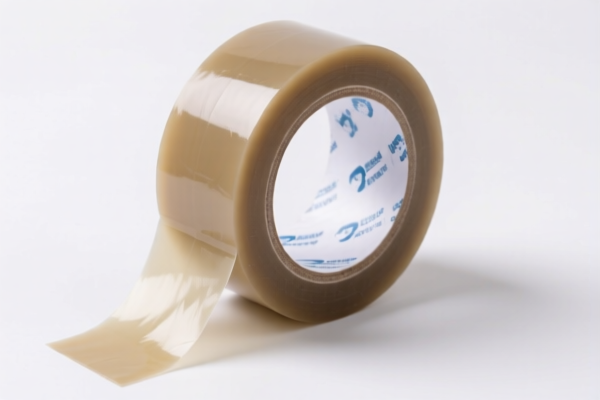
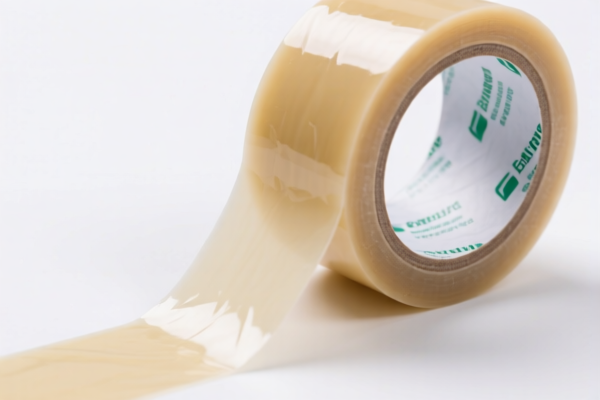
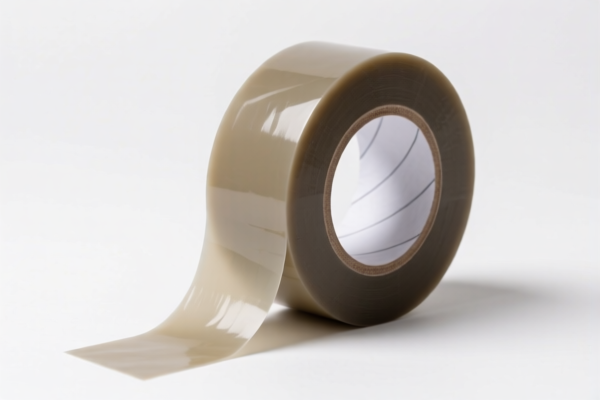
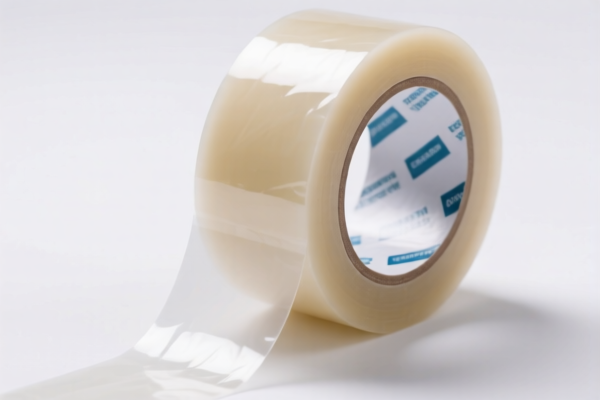
AI Analysis
🛡️ High Temperature Resistant Electrical Tape (Insulation Tape)
🌐 HS Code Reference & Customs Clearance Guide | 2026 Latest Tariff Analysis | Professional Compliance Strategy
📌 I. Product Definition & Classification: Do You Really Know "Electrical Tape"?
High-temperature resistant electrical tape is a specialized insulation material used in electrical engineering, wiring harnesses, and industrial applications where standard PVC tapes fail due to heat. In international trade, these products are not monolithic; they are classified based on material composition, specific usage, and physical form.
Depending on the exact plastic/polymer composition and the declared end-use, your tape could fall into four distinct HS Codes with significantly different tax implications.
⚠️ Key Distinction Point:
- If it is a standard electrical insulation tape made of plastic → It likely falls under 3919 or 3926.
- If it is a transparent, film-like tape primarily for sealing/heat resistance (not strictly electrical wiring insulation) → It may fall under 3921.
- Misclassification Risk: Declaring a high-temp polyimide tape as simple PVC tape can lead to significant duty differences (22.8% vs. 40.8%) and potential customs audits.
📦 II. HS Code Classification Details (2026 Latest Tariff Authority Comparison)
| HS Code | Product Description | Application Scenario | Material/Form Key |
|--------|----------|--------------------------|
| 3919.10.20.20 | Insulation Tape, matching electrical use & plastic material | Standard electrical wiring insulation, motor winding, cable bundling | Primary Use: Electrical Insulation |
| 3919.90.50.30 | Insulation Tape, matching electrical insulation use & plastic material | General electrical insulation, switchgear, specialized high-temp electrical wraps | Primary Use: Electrical Insulation |
| 3926.90.99.89 | Insulation Tape, matching plastic/polymer material & other plastic articles | General industrial insulation, non-wiring electrical applications, gaskets | Broad Plastic Article |
| 3926.90.45.90 | Insulation Tape, matching plastic material & gasket/sealing use | Sealing applications, thermal insulation gaskets, non-primary electrical uses | Primary Use: Gasket/Sealing |
| 3921.90.40.90 | Transparent Tape (High-Temp Resistant), matching plastic material & film/strip form | Clear high-temp tapes (e.g., Polyimide/PTFE), masking, surface protection, film-based sealing | Form: Film/Strip; Clear/Transparent |
🔍 Critical Reminder:
- 3919 Codes are for tapes specifically designed for electrical insulation. If your tape is used for bundling cables in high-heat environments, this is the most common classification. - 3921 Code is often triggered if the tape is transparent (like Kapton/Polyimide) and marketed more for surface protection or general high-temp sealing rather than primary electrical insulation, especially if it comes in a film/strip form. - 3926 Codes are "catch-all" categories for plastic articles. Use these only if the electrical aspect is secondary to a sealing or gasket function, or if the tape doesn't fit neatly into 3919.
💰 III. 2026 Latest Tariff Rate Breakdown (Including Surtaxes & Policy Surcharges)
✅ Applicable Country: United States (US)
✅ Country of Origin: China (CN)
✅ Effective Date: From November 10, 2025 (including subsequent imports)
🎯 1. 3919.10.20.20 & 3919.90.50.30 — Electrical Insulation Tapes
These are the most common classifications for standard high-temp electrical tapes (e.g., fiberglass, silicone-coated).
| Item | Content |
|---|---|
| Base Tariff Rate | 5.8% (Ad Valorem) |
| USITC Additional Tax (Section 301) | +25.0% |
| IEEPA Additional Tax (Section 122) | +10.0% |
| Total Effective Rate | 40.8% |
| Tax Calculation | CIF Value × 40.8% |
| De Minimis Exemption | ❌ Not Eligible (deny_de_minimis) |
| Legal Basis Path | IEEPA:9903.01.25 → USITC:3919.10.20.20 → FOOTNOTE:9903.88.01 |
📌 Explanation:
- The 5.8% is the standard Most Favored Nation (MFN) rate for plastic self-adhesive tapes. - The 25.0% is the Section 301 tariff targeting Chinese imports. - The 10.0% is the Section 122 tariff (IEEPA) specifically applied to products from China/Hong Kong. - Total: 40.8%. This is a high-cost category. You must include this in your landed cost calculation.
🎯 2. 3926.90.99.89 — Plastic Articles (General Insulation)
Used if the tape is considered a general plastic article or for non-primary electrical sealing.
| Item | Content |
|---|---|
| Base Tariff Rate | 5.3% (Ad Valorem) |
| USITC Additional Tax (Section 301) | +7.5% |
| IEEPA Additional Tax (Section 122) | +10.0% |
| Total Effective Rate | 22.8% |
| Tax Calculation | CIF Value × 22.8% |
| De Minimis Exemption | ❌ Not Eligible |
| Legal Basis Path | IEEPA:9903.01.24 → USITC:3926.90.99.89 |
📌 Note:
- This is a lower tax bracket (22.8% vs. 40.8%). - Risk: Customs may challenge this if the product is clearly marketed as "Electrical Insulation Tape." If the primary use is electrical, you should likely be in the 3919 category (40.8%). Using 3926 to save taxes can trigger an audit.
🎯 3. 3926.90.45.90 — Plastic Gaskets & Seals
Used if the tape is primarily for sealing/gasket applications, even if it has insulation properties.
| Item | Content |
|---|---|
| Base Tariff Rate | 3.5% (Ad Valorem) |
| USITC Additional Tax (Section 301) | +25.0% |
| IEEPA Additional Tax (Section 122) | +10.0% |
| Total Effective Rate | 38.5% |
| Tax Calculation | CIF Value × 38.5% |
| De Minimis Exemption | ❌ Not Eligible |
| Legal Basis Path | IEEPA:9903.01.25 → USITC:3926.90.45.90 |
📌 Note:
- Base rate is low (3.5%), but the 25% Section 301 tax brings the total to 38.5%. - Similar to the 3919 category, this is a high-tax scenario. Ensure the "Gasket/Sealing" use is substantiated by product specs.
🎯 4. 3921.90.40.90 — Transparent High-Temp Tapes (Film/Strip)
Often used for Polyimide (Kapton) or PTFE tapes that are transparent and used for heat resistance/masking.
| Item | Content |
|---|---|
| Base Tariff Rate | 4.2% (Ad Valorem) |
| USITC Additional Tax (Section 301) | +25.0% |
| IEEPA Additional Tax (Section 122) | +10.0% |
| Total Effective Rate | 39.2% |
| Tax Calculation | CIF Value × 39.2% |
| De Minimis Exemption | ❌ Not Eligible |
| Legal Basis Path | IEEPA:9903.01.25 → USITC:3921.90.40.90 |
📌 Note:
- This category captures the "Transparent" and "Film/Strip" characteristics. - If your high-temp tape is clear (like Kapton) and used for solder masking or surface protection, this is the correct code. - Tax is 39.2%, slightly lower than the 40.8% for standard electrical insulation tapes.
🛠️ IV. Customs Clearance Practical Advice (Battle-Tested Pitfall Guide)
✅ 1. Documentation Checklist (Mandatory)
| Document | Required | Notes |
|---|---|---|
| ✅ Product Specification Sheet | ✔️ | Must state: Material (e.g., Fiberglass, Silicone, Polyimide), Temp Range, Thickness, Adhesive Type. |
| ✅ Usage Declaration | ✔️ | Explicitly state: "For Electrical Insulation" OR "For Surface Protection/Sealing." This determines 3919 vs. 3921. |
| ✅ Product Photos | ✔️ | Show the roll, label, and cross-section if possible. Highlight "High Temp" markings. |
| ✅ Material Safety Data Sheet (MSDS) | ✔️ | Proves chemical composition (plastic/polymer type). |
| ✅ Commercial Invoice | ✔️ | Must match the HS Code description precisely. Avoid vague terms like "Tape." Use "High-Temp Electrical Insulation Tape." |
| ✅ Packing List | ✔️ | Detail weight, dimensions, and quantity. |
✅ 2. Declaration Tips (Key Mnemonics)
🔥 "Material Dictates Code, Use Dictates Tax!"
| Scenario | Correct HS Code | Tax Rate | Why? |
|---|---|---|---|
| Standard Brown/Black Tape for wiring | 3919.10.20.20 or 3919.90.50.30 |
40.8% | Primary use is electrical insulation. |
| Clear/Yellow Tape (Kapton) for masking/heat | 3921.90.40.90 |
39.2% | Transparent, film/strip form, high-temp. |
| Tape used primarily for Sealing/Gaskets | 3926.90.45.90 |
38.5% | Primary use is sealing, not electrical. |
| General Plastic Tape (Non-electrical focus) | 3926.90.99.89 |
22.8% | Lower tax, but risky if "electrical" is claimed. |
⚠️ Warning:
- Do not declare "Electrical Tape" under3926.90.99.89to save on the 25% Section 301 tax. If customs inspects and sees "Electrical" on the label or invoice, they will reclassify to 3919 and charge 40.8% + penalties. - For Transparent High-Temp Tapes, emphasize "Film/Strip" and "Transparent" in the description to justify3921.90.40.90.
✅ 3. Special Cases
| Situation | Handling Advice |
|---|---|
| OEM Custom Tape | Provide the client’s design spec. If it’s custom for a specific machine, justify the use case. |
| Mixed Shipments | If shipping both electrical tape (3919) and sealing tape (3926), declare separately. Do not lump them under one code. |
| "High-Temp" Claim | Ensure the product can actually withstand the claimed temperature. Misrepresentation of material properties can lead to rejection. |
| Small Samples | Even for low-value samples, if shipped from China, the 40.8% (or 39.2%) tax applies. There is no de minimis exemption for these codes. |
🌍 V. Global Market Clearance Comparison (2026 Latest)
| Country/Region | Recommended HS Code | Estimated Duty (China Origin) | Certification Requirements | Notes |
|---|---|---|---|---|
| 🇺🇸 USA | 3919.10.20.20 (Electrical) |
40.8% | UL, FCC (if applicable) | High duty due to Section 301 & 122. |
| 🇺🇸 USA | 3926.90.99.89 (General) |
22.8% | N/A | Lower tax, but higher audit risk if misused. |
| 🇨🇳 China | 3919.10 |
5.8% | CCC (if applicable) | Base rate only. No Section 301. |
| 🇪🇺 EU | 3919.10 |
6.5% | REACH, RoHS | No Section 301 equivalent, but REACH strict. |
| 🇯🇵 Japan | 3919.10 |
6.0% | PSE (if electrical) | Moderate duty. |
📌 Conclusion:
- The US market is the most expensive for Chinese electrical tapes due to the 40.8% combined tariff. - Profit Margins must account for this high duty cost. - Consider supply chain diversification if possible, or ensure your pricing strategy includes the 40% tax buffer.
📌 VI. Common Mistakes & Pitfall Guide (Blood & Tears Lessons)
❌ Mistake 1: Declaring Electrical Tape as "Plastic Adhesive Tape" to avoid Section 301.
👉 Consequence: Customs detects "Electrical" on product/label → Reclassifies to 3919 → Back taxes + Penalties!
❌ Mistake 2: Using 3926.90.99.89 for clear high-temp tape without justifying "Non-Electrical" use.
👉 Consequence: If the tape is used in electrical panels, it may be reclassified to 3919 → Rate jumps from 22.8% to 40.8%.
❌ Mistake 3: Ignoring the Section 122 (10%) tax.
👉 Consequence: Many brokers forget this. If it’s omitted, you may face post-audit demands for the unpaid 10%.
❌ Mistake 4: Vague Description ("Tape").
👉 Consequence: Customs assigns the highest general duty rate → Unexpected cost.
✅ Correct Practice:
"High-Temperature Electrical Insulation Tape, Fiberglass/Silicone, Brown, 20mm x 18m, UL 969 Certified, Model XYZ"
🎯 VII. Conclusion: Professional Declaration, Save Time, Reduce Costs!
🎯 Remember the Mantra:
🔹 "Electrical Use = 3919 (40.8%)"
🔹 "Clear Film/Heat Mask = 3921 (39.2%)"
🔹 "Sealing/Gasket = 3926.45 (38.5%)"
🔹 "General Plastic = 3926.99 (22.8%)"
🔹 "Misclassification = Audit + Penalty!"
📌 Pro Tip:
If your high-temp tape is originated in Vietnam, Thailand, or Malaysia, you may be eligible for IEEPA Exemptions or lower Section 301 rates.
Recommendation:
📞 Contact your customs broker before shipping.
🚀 Apply for an Advance Ruling if your product is complex or high-value.
📣 Immediate Action:
📋 Prepare Product Specs (Material, Use, Temp Range)
📊 Calculate Landed Cost including 40.8% (or relevant rate)
✅ Verify HS Code with your broker to avoid surprise bills
✨ Professional Customs Clearance Starts with Accurate Classification!
💼 Your Every Dollar of Cost Deserves Precise Calculation!
Customer Reviews
About HS Code Classification
The Harmonized System (HS) is an internationally standardized nomenclature developed by the World Customs Organization (WCO) to classify traded products. Over 200 countries use the HS system as the basis for customs tariffs, trade statistics, and import/export regulations.
Each HS code follows a hierarchical structure:
- Chapter (2 digits) — Broad category of goods (e.g., Chapter 84: Machinery and Mechanical Appliances)
- Heading (4 digits) — More specific grouping within the chapter
- Subheading (6 digits) — Internationally standardized breakdown, used by all WCO member countries
- National subdivisions (8-10 digits) — Country-specific extensions for further classification, such as US HTSUS 10-digit codes
Correct HS code classification is essential for smooth customs clearance, accurate duty payment, and compliance with trade regulations. Misclassification can lead to customs delays, overpayment of duties, or penalties.
When importing from CN to US, the applicable tariff rates may include:
- Most-Favored-Nation (MFN) rate — The standard duty rate applied to WTO members
- General rate — Applied to countries without trade agreements
- Trade remedy duties — Additional tariffs such as Section 301 (anti-dumping), Section 232 (national security), or countervailing duties
The information provided on this page is for reference purposes only. For official classification, please consult with your local customs authority or a licensed customs broker.