Hiking Camping Tent
CN → US| HS Code | Tariff Rate | Origin | Destination | Doc |
|---|---|---|---|---|
| 6306221000 | 17.5% | CN | US | Official Doc |
| 6306229010 | 26.3% | CN | US | Official Doc |
| 3926909989 | 22.8% | CN | US | Official Doc |
| 3926907500 | 14.2% | CN | US | Official Doc |
| 6306229010 | 26.3% | CN | US | Official Doc |
Product Images
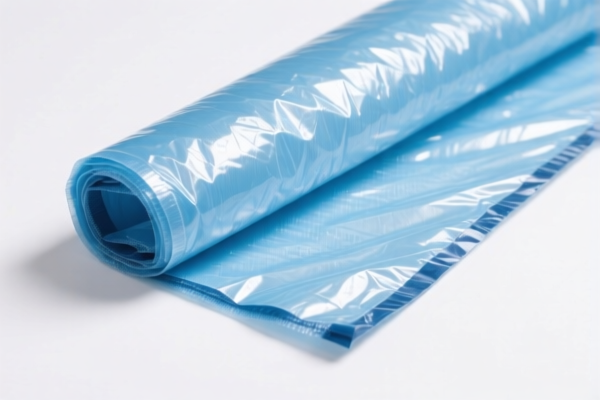
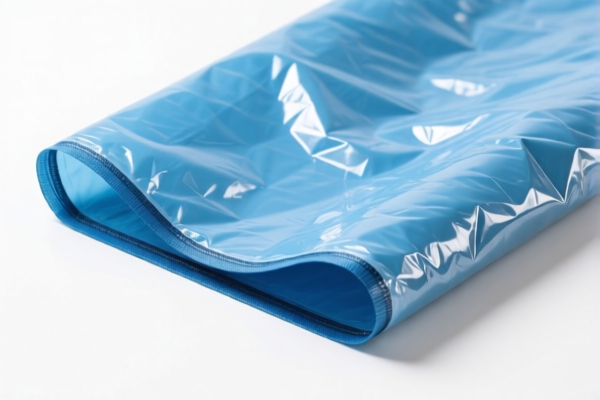
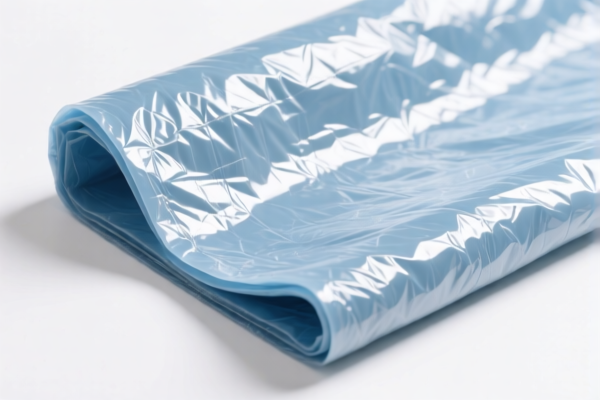

AI Analysis
🏕️ Hiking Camping Tent (Outdoor Shelter Systems)
🌐 HS Code Reference & Customs Clearance Guide | 2026 Latest Tariff Analysis | Professional Entry Strategies
📌 I. Product Definition & Classification: Do You Really Understand "Tents"?
A "Hiking Camping Tent" is a portable shelter designed for outdoor recreation, hiking, and camping. In international trade, classification depends heavily on material composition and specific structural features. The primary distinction lies in whether the tent is made of synthetic fibers (fabric) or plastic materials (coated fabrics/non-wovens often classified under plastics if not strictly woven/knitted).
Synthetic Fiber Tents (Fabric): The most common type, made from nylon, polyester, or ripstop fabric.
Plastic/Coated Tents: Tents made entirely of plastic sheets or non-woven synthetic materials that do not fall under Chapter 63 (Textiles).
⚠️ Key Distinction Point:
- If the tent is made of woven/knitted synthetic fabric (e.g., Nylon/Polyester) → Classified under Chapter 63 (Articles of Apparel and Clothing Accessories, Not Knitted or Crocheted; Other Made-Up Textile Articles).
- If the tent is made of plastic materials (e.g., PVC tarpaulins, non-woven synthetic sheets) → Classified under Chapter 39 (Plastics and Articles Thereof).
📦 II. HS Code Classification Details (2026 Latest Tariff Authority Comparison)
| HS Code | Product Description | Applicable Scenario | Material Inference |
|---|---|---|---|
6306.22.10.00 |
Tents, of synthetic fibers (Specific for Camping) | Hiking tents, camping shelters made of nylon/polyester fabric | ✅ Synthetic Fiber (Woven/Knitted) |
6306.22.90.10 |
Tents, of synthetic fibers (Other/Residual) | Generic synthetic fiber tents falling under residual categories | ✅ Synthetic Fiber (Woven/Knitted) |
3926.90.99.89 |
Other articles of plastics (Unspecified) | Plastic sheets, non-woven synthetic shelters, not specifically listed elsewhere | ✅ Plastic / Non-woven Synthetic |
3926.90.75.00 |
Other articles of plastics (Outdoor/Inflatable/Non-inflatable) | Outdoor plastic products, inflatable tents, or specific outdoor plastic gear | ✅ Plastic, Nylon, or Polyester Fiber (as Plastic Article) |
🔍 Key Reminder:
- Most standard hiking/camping tents are made of nylon or polyester fabric. Therefore, Chapter 63 (6306.22.xx) is the most accurate and common classification. - If the "tent" is essentially a plastic sheet (e.g., emergency survival blanket structure, PVC tarp structure), it may fall under Chapter 39. -6306.22.10.00is often preferred for standard camping tents of synthetic fibers due to its specificity.6306.22.90.10is the "catch-all" for synthetic fiber tents.
💰 III. 2026 Latest Tariff Rate Details (Including Additional Taxes, Policy Add-ons)
✅ Applicable Country: United States (US)
✅ Origin: China (CN)
✅ Effective Date: From November 10, 2025 (and subsequent imports)
🎯 1. 6306.22.10.00 —— Tents, of Synthetic Fibers (Specific Camping Category)
| Item | Content |
|---|---|
| Base Rate | 0.0% (ad valorem) |
| Section 301 Additional Duty | +7.5% |
| Section 122 Duty (USMCA/USCHFTA) | +10% |
| Total Rate | 17.5% |
| Tax Calculation | CIF Value × 17.5% |
| De Minimis Eligibility | ❌ Not Eligible (Deny De Minimis) |
| Legal Basis Path | Base: 0% → 301: 7.5% → 122: 10% |
📌 Explanation:
- This is the lowest tax bracket for synthetic fiber tents.
- The 0% base rate is offset by the Section 301 (7.5%) and Section 122 (10%) duties.
- Crucial Note: This classification requires proof that the tent is made of synthetic fibers (e.g., Nylon, Polyester) and is specifically designed for camping.
🎯 2. 6306.22.90.10 —— Tents, of Synthetic Fibers (Residual/Catch-all)
| Item | Content |
|---|---|
| Base Rate | 8.8% |
| Section 301 Additional Duty | +7.5% |
| Section 122 Duty (USMCA/USCHFTA) | +10% |
| Total Rate | 26.3% |
| Tax Calculation | CIF Value × 26.3% |
| De Minimis Eligibility | ❌ Not Eligible (Deny De Minimis) |
| Legal Basis Path | Base: 8.8% → 301: 7.5% → 122: 10% |
📌 Explanation:
- This code applies to synthetic fiber tents that do not fit into the specific6306.22.10.00category.
- It has a higher base rate (8.8%) compared to6306.22.10.00.
- Risk: If you can prove your tent fits6306.22.10.00, you save 8.8% in base taxes. Misclassification here leads to overpayment.
🎯 3. 3926.90.99.89 —— Other Articles of Plastics (Unspecified)
| Item | Content |
|---|---|
| Base Rate | 5.3% |
| Section 301 Additional Duty | +7.5% |
| Section 122 Duty (USMCA/USCHFTA) | +10% |
| Total Rate | 22.8% |
| Tax Calculation | CIF Value × 22.8% |
| De Minimis Eligibility | ❌ Not Eligible (Deny De Minimis) |
| Legal Basis Path | Base: 5.3% → 301: 7.5% → 122: 10% |
📌 Explanation:
- Applies if the tent is made of plastic materials (e.g., PVC, PE) that are not woven/knitted textiles.
- Total Rate 22.8% is higher than the best-case textile rate (17.5%) but lower than the residual textile rate (26.3%).
- Warning: Misclassifying a fabric tent as a plastic tent can lead to penalties for incorrect declaration.
🎯 4. 3926.90.75.00 —— Other Articles of Plastics (Outdoor/Inflatable)
| Item | Content |
|---|---|
| Base Rate | 4.2% |
| Section 301 Additional Duty | +0.0% |
| Section 122 Duty (USMCA/USCHFTA) | +10% |
| Total Rate | 14.2% |
| Tax Calculation | CIF Value × 14.2% |
| De Minimis Eligibility | ❌ Not Eligible (Deny De Minimis) |
| Legal Basis Path | Base: 4.2% → 301: 0.0% → 122: 10% |
📌 Explanation:
- This code applies to plastic outdoor articles, including inflatable or non-inflatable outdoor products made of plastic.
- Lowest Total Rate (14.2%) among all options.
- Critical Condition: Only applies if the tent is made of plastic materials (e.g., PVC tarpaulin, coated non-woven synthetic sheets) AND is not classified as a textile.
- Risk: If the tent is actually made of woven synthetic fabric (nylon/polyester), this code is incorrect and may result in customs audits, back taxes, and fines.
🛠️ IV. Customs Clearance Practical Advice (Battle-Tested Pitfall Avoidance)
✅ 1. Required Documentation Checklist (Non-negotiable)
| Document | Mandatory? | Description |
|---|---|---|
| ✅ Product Specifications | ✔️ | Must clearly state material composition (e.g., "100% Polyester Oxford Fabric", "PVC Coated Nylon"). |
| ✅ Product Photos (Including Details) | ✔️ | Show fabric texture, stitching, zippers, and poles. Clear distinction between fabric vs. plastic sheet. |
| ✅ Commercial Invoice | ✔️ | Must accurately describe the item as "Camping Tent" and specify "Material: Synthetic Fibers" or "Plastic". |
| ✅ Packing List | ✔️ | Include dimensions, weight, and number of units. |
| ✅ HS Code Justification (if requested) | ✔️ | Provide a brief explanation linking the product features to the HS code (e.g., "Woven Polyester Tent → 6306.22.10"). |
| ✅ Third-Party Test Report (if available) | ✔️ | Fiber composition analysis can support Chapter 63 classification. |
✅ 2. Declaration Strategy (Key Mnemonics)
🔥 "Material First, Code Follows; Fabric to 63, Plastic to 39; Be Specific, Avoid Disputes!"
| Scenario | Correct Declaration | Error Consequence |
|---|---|---|
| Standard Nylon/Polyester Tent | 6306.22.10.00 (Best) or 6306.22.90.10 |
Misclassifying as Plastic (39xx) → Potential penalty for misdeclaration. |
| PVC/Plastic Sheet Tent | 3926.90.75.00 (Best if no 301) or 3926.90.99.89 |
Misclassifying as Fabric (63xx) → Potential penalty for misdeclaration. |
| Mixed Material Tent (Fabric + Plastic Pole) | 6306.22.10.00 (Fabric is the essential character) |
Splitting declaration (e.g., Pole as Steel, Tent as Plastic) → High Risk of rejection. |
| Inflatable Plastic Tent | 3926.90.75.00 (0% 301) |
Misclassifying as Fabric → Higher tax (17.5% vs 14.2%). |
✅ 3. Special Situations Handling
| Situation | Handling Advice |
|---|---|
| OEM Custom Tents | Provide design specs. If material is changed (e.g., from Nylon to PVC), update HS code immediately. |
| Tent with Integrated Electronics (e.g., LED lights) | Still classified as Tent (6306.22.xx or 3926.90.xx) unless electronics are the primary function. Do not split. |
| Emergency Survival Bivvy (Plastic Sheet) | Likely 3926.90.75.00 or 3926.90.99.89. Ensure it is not woven fabric. |
| High-End Alpine Tent (Gore-Tex etc.) | Still 6306.22.10.00. Gore-Tex is a membrane on fabric, not a separate plastic article. |
🌍 V. Global Main Market Clearance Comparison (2026 Latest)
| Country/Region | Recommended HS Code | Tariff (China Origin) | Certification Required | Remarks |
|---|---|---|---|---|
| 🇺🇸 USA | 6306.22.10.00 |
17.5% (0% Base + 7.5% 301 + 10% 122) | None (Standard) | Best rate for fabric tents. |
| 🇺🇸 USA | 3926.90.75.00 |
14.2% (4.2% Base + 0% 301 + 10% 122) | None | Only if made of plastic. |
| 🇪🇺 EU | 6306.22 |
0% - 6.5% (Varies) | CE (if applicable) | No Section 301/122. Lower rates generally. |
| 🇨🇳 China | 6306.22 |
8% - 10% | CCC (if applicable) | Import duties into China. |
| 🇬🇧 UK | 6306.22 |
5% - 6.5% | UKCA | Post-Brexit tariffs. |
📌 Conclusion:
- USA has the most complex tariff structure due to Section 301 and Section 122.
- For China-origin hiking tents,6306.22.10.00(17.5%) is the standard and most defensible classification.
-3926.90.75.00(14.2%) offers savings only if the tent is genuinely made of plastic materials and qualifies for the 0% Section 301 rate.
📌 VI. Common Mistakes & Pitfall Guide (Lessons Learned)
❌ Mistake 1: Misclassifying a Nylon Tent as Plastic (39xx) to seek lower base rates.
👉 Consequence: Customs audit, demand for back taxes, penalties for misdeclaration.
✅ Correct: Verify material. If woven/knitted synthetic → Chapter 63.
❌ Mistake 2: Ignoring Section 122 (10%) in tariff calculations.
👉 Consequence: Underestimating landed cost by 10%.
✅ Correct: Always include all applicable additional duties in cost models.
❌ Mistake 3: Splitting the tent into "Poles (Steel)" and "Fabric (Textile)" for separate declaration.
👉 Consequence: Rejection by customs. Tents are classified as complete units.
✅ Correct: Declare as a single unit. The material of the main body (fabric) determines the chapter.
❌ Mistake 4: Using vague descriptions like "Outdoor Shelter".
👉 Consequence: Customs holds the shipment for clarification, causing delays.
✅ Correct: Use precise terms: "Camping Tent, 3-Person, Polyester Fabric, with Aluminum Poles".
🎯 VII. Conclusion: Professional Declaration, Cost Optimization!
🎯 Remember Mnemonics:
🔹 "Fabric to 63, Plastic to 39; Section 122 is 10%, Don't Forget It!"
🔹 "6306.22.10 is the Gold Standard for Nylon Tents; 3926.90.75 is for Plastic Shelters."
🔹 "Tax Difference is Critical: 17.5% vs 26.3% vs 14.2% – Choose Wisely!"
📌 Pro Tip:
- If your tent is made of synthetic fibers, 6306.22.10.00 is your safest and most accurate bet (17.5%).
- If you are using plastic materials, 3926.90.75.00 offers the lowest total rate (14.2%), but proof of material is essential.
- Always provide product samples and material test reports to customs if challenged.
📣 Immediate Action:
📞 Consult with a Customs Broker + Provide Material Specs + Verify Section 301/122 Applicability
🚀 Ensure Smooth Clearance, Minimize Duties, Maximize Profit!
✨ Professional Clearance, Starting with Accurate Classification!
💼 Every Percent Saved is Pure Profit!
Customer Reviews
About HS Code Classification
The Harmonized System (HS) is an internationally standardized nomenclature developed by the World Customs Organization (WCO) to classify traded products. Over 200 countries use the HS system as the basis for customs tariffs, trade statistics, and import/export regulations.
Each HS code follows a hierarchical structure:
- Chapter (2 digits) — Broad category of goods (e.g., Chapter 84: Machinery and Mechanical Appliances)
- Heading (4 digits) — More specific grouping within the chapter
- Subheading (6 digits) — Internationally standardized breakdown, used by all WCO member countries
- National subdivisions (8-10 digits) — Country-specific extensions for further classification, such as US HTSUS 10-digit codes
Correct HS code classification is essential for smooth customs clearance, accurate duty payment, and compliance with trade regulations. Misclassification can lead to customs delays, overpayment of duties, or penalties.
When importing from CN to US, the applicable tariff rates may include:
- Most-Favored-Nation (MFN) rate — The standard duty rate applied to WTO members
- General rate — Applied to countries without trade agreements
- Trade remedy duties — Additional tariffs such as Section 301 (anti-dumping), Section 232 (national security), or countervailing duties
The information provided on this page is for reference purposes only. For official classification, please consult with your local customs authority or a licensed customs broker.