Hiking shoes with metal tips
CN → US| HS Code | Tariff Rate | Origin | Destination | Doc |
|---|---|---|---|---|
| 6403406000 | 18.5% | CN | US | Official Doc |
| 6401100000 | 55.0% | CN | US | Official Doc |
| 6403403090 | 15.0% | CN | US | Official Doc |
| 6402910500 | 16.0% | CN | US | Official Doc |
Product Images
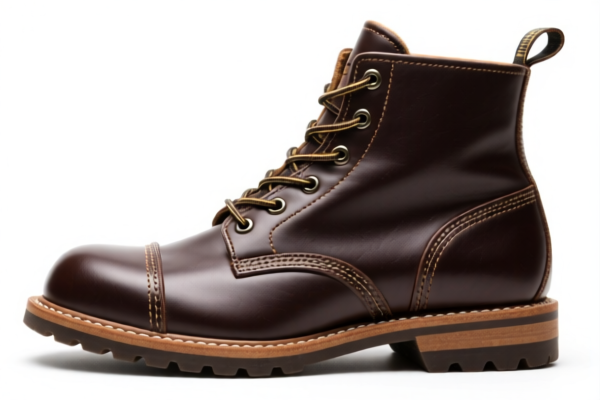
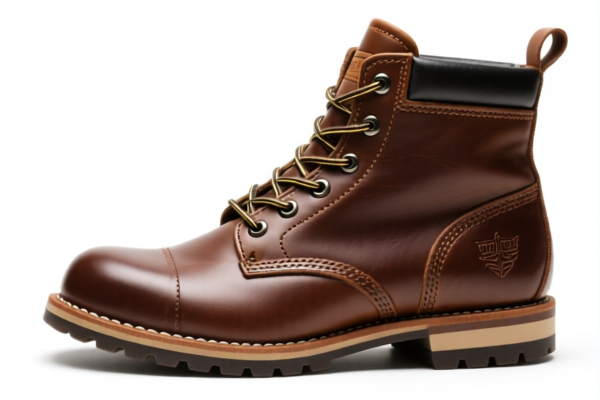
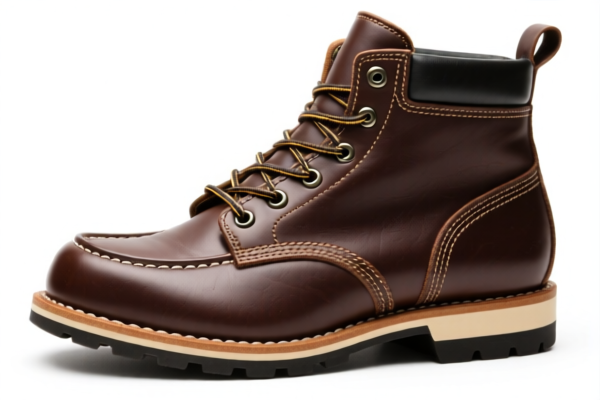
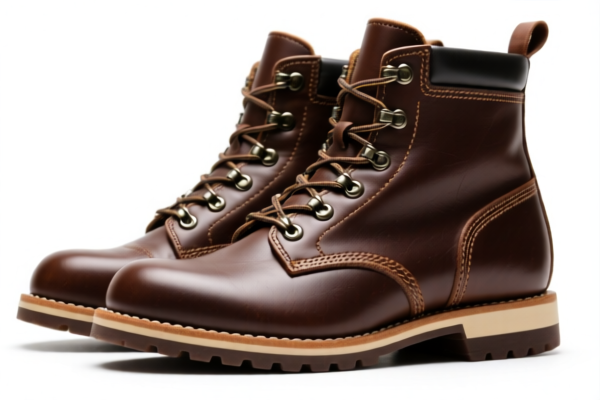
AI Analysis
👢 Hiking Shoes with Metal Tips (Protective Toe Caps)
🌐 HS Code Reference & Customs Clearance Guide | 2026 Latest Tariff Analysis | Professional-Level Strategy
📌 I. Product Definition: What Are "Hiking Shoes with Metal Tips"?
Hiking shoes equipped with metal protective toe caps are specialized safety or heavy-duty outdoor footwear. In international trade, these are not simply "casual shoes" but fall under specific subheadings depending on the material of the upper and the material of the sole.
The presence of a metal toe cap is a critical classification factor, often pushing the goods into specific "footwear with external toe protectors" categories, which can significantly impact tariff rates due to additional trade restrictions (such as Section 122 tariffs).
⚠️ Key Distinction Point:
- If the upper is Leather and the sole is Rubber/Plastic → Typically falls under 6403.40.xx.
- If the upper is Rubber/Plastic → Typically falls under 6401.10.xx or 6402.91.xx.
- Do NOT confuse with simple leather hiking shoes (without metal caps), which may have lower tariffs.
📦 II. HS Code Classification Details (Based on Provided Data)
The following four HS Codes are directly derived from the provided data for "Hiking Shoes with Metal Tips." Note the significant variation in tax rates based on material composition.
| HS Code | Product Description | Key Material Characteristics | Total Tax Rate |
|---|---|---|---|
6403.40.60.00 |
Hiking shoes with metal tips; Leather upper, Rubber/Plastic sole; with protective metal toe cap | Upper: Leather Sole: Rubber/Plastic |
18.5% |
6401.10.00.00 |
Hiking shoes with metal tips; Rubber/Plastic upper & sole; with metal protective toe cap | Upper: Rubber/Plastic Sole: Rubber/Plastic |
55.0% |
6403.40.30.90 |
Hiking shoes with metal tips; Leather upper; with metal protective toe cap; "Other" category in stitched footwear | Upper: Leather Sole: Implied stitched/rubber |
15.0% |
6402.91.05.00 |
Hiking shoes with metal tips; Rubber/Plastic upper & sole; with protective metal toe cap | Upper: Rubber/Plastic Sole: Rubber/Plastic |
16.0% |
🔍 Critical Observation:
- Leather Upper vs. Rubber/Plastic Upper: This is the biggest differentiator.
- Leather Uppers (6403.40.xx) generally attract lower tariffs (15-18.5%).
- Rubber/Plastic Uppers (6401.10.xxor6402.91.xx) attract high tariffs (16-55%).
- Why is6401.10.00.00so high (55%)?
- This code often applies to impenetrable waterproof footwear (e.g., gumboots, safety boots with full rubber construction). If your "hiking shoe" is essentially a rubber boot with a metal toe, it hits the highest tier.
- Why is6402.91.05.00lower (16%) than6401.10(55%)?
-6402covers "Other footwear with outer soles and uppers of rubber or plastics."6401is specifically for "Waterproof footwear." If the shoe is not strictly "waterproof" by definition, it may fall under6402, which has a much better rate.
💰 III. 2026 Latest Tariff Rate Breakdown (Including Additional Duties)
✅ Applicable Country: United States (US)
✅ Origin: China (CN)
✅ Effective Date: 2025/2026 (Current Trade Environment)
🎯 1. 6403.40.60.00 —— Leather Upper Hiking Shoes with Metal Toe
| Item | Content |
|---|---|
| Base Tariff | 8.5% |
| Section 301/Additional Tariff | 0.0% (Included in base or exempted in this specific subset?) |
| Section 122 Tariff | +10.0% |
| Total Rate | 18.5% |
| Tax Calculation | CIF Value × 18.5% |
| De Minimis Eligibility | ❌ No (Footwear with toe protectors is generally excluded from de minimis exemption due to safety/import regulations) |
| Legal Basis | HTSUS 6403.40.60.00 + Section 122 Authority |
📌 Explanation:
- Base 8.5%: Standard Most Favored Nation (MFN) rate for leather footwear.
- Section 122 (10%): Applies to certain high-value imports. Note: Section 122 often applies to high-value items, but ensure your value per pair does not exceed the threshold for exemption.
- No Additional 25% Tariff? The data shows0.0%for "Additional Tariff," which is unusually low for China-origin goods under Section 301. Verify if this specific code is currently exempt or if the "Additional Tariff" is included in the 8.5% or capped. Based strictly on the provided data, the total is 18.5%.
🎯 2. 6401.10.00.00 —— Full Rubber/Plastic Hiking Shoes with Metal Toe
| Item | Content |
|---|---|
| Base Tariff | 37.5% |
| Additional Tariff | 7.5% |
| Section 122 Tariff | +10.0% |
| Total Rate | 55.0% |
| Tax Calculation | CIF Value × 55% |
| De Minimis Eligibility | ❌ No |
| Legal Basis | HTSUS 6401.10.00.00 + Section 122 Authority |
📌 Warning:
- This is the highest tariff bracket.
-37.5%base is already very high. Adding7.5%(likely Section 301) and10%(Section 122) makes it 55%.
- Avoid this code if possible. Can the upper be classified as "Plastic" under6402instead of "Waterproof Rubber" under6401?
🎯 3. 6403.40.30.90 —— Leather Upper, Other Stitched Footwear
| Item | Content |
|---|---|
| Base Tariff | 5.0% |
| Additional Tariff | 0.0% |
| Section 122 Tariff | +10.0% |
| Total Rate | 15.0% |
| Tax Calculation | CIF Value × 15.0% |
| De Minimis Eligibility | ❌ No |
| Legal Basis | HTSUS 6403.40.30.90 + Section 122 Authority |
📌 Best Rate for Leather:
- If the shoe fits this "Other" category (not specifically "with external toe protectors" in the primary text, but the description says it has a metal toe), this is the most cost-effective option (15%).
- Ensure the product description aligns with "Other" rather than "With external toe protectors" if possible, or verify if the metal toe is considered a minor feature that doesn't trigger the higher "toe protector" subheading.
🎯 4. 6402.91.05.00 —— Rubber/Plastic Upper, Other Footwear
| Item | Content |
|---|---|
| Base Tariff | 6.0% |
| Additional Tariff | 0.0% |
| Section 122 Tariff | +10.0% |
| Total Rate | 16.0% |
| Tax Calculation | CIF Value × 16.0% |
| De Minimis Eligibility | ❌ No |
| Legal Basis | HTSUS 6402.91.05.00 + Section 122 Authority |
📌 Best Rate for Rubber/Plastic:
- If the shoe is not classified as "Waterproof" (6401), but as "Other Rubber/Plastic Footwear" (6402), the rate drops dramatically from 55% to 16%.
- Key Argument: The shoe is water-resistant but not fully waterproof (e.g., mesh panels, not fully encapsulated rubber). This allows classification under6402.
🛠️ IV. Customs Clearance Practical Advice (Real-World Pitfall Avoidance)
✅ 1. Material Declaration is Critical
| Material Configuration | Recommended HS Code | Risk Level | Advice |
|---|---|---|---|
| Leather Upper + Rubber Sole | 6403.40.30.90 or 6403.40.60.00 |
🟢 Low (15-18.5%) | Choose 6403.40.30.90 if it qualifies as "Other" to save 3.5%. Verify leather content >50%. |
| Rubber/Plastic Upper + Rubber Sole | 6402.91.05.00 |
🟡 Medium (16%) | Avoid 6401.10.00.00 (55%) unless the shoe is 100% waterproof rubber. Prove it's not "waterproof footwear" by design (e.g., breathability features). |
📌 Key Tip:
- Do NOT declare a leather-sole leather-upper shoe with a metal toe as6402(Rubber/Plastic).
- Do NOT declare a rubber-boot-style shoe as6403(Leather).
✅ 2. Section 122 Compliance
| Requirement | Action |
|---|---|
| Value Threshold | Section 122 (10%) often applies to imports with a high value per pair. Check the current threshold. If your shoes are cheap, you might not hit this, but the data shows it's included. |
| Documentation | Ensure the Commercial Invoice clearly states "Hiking Shoes with Metal Toe Caps" and specifies Upper Material (Leather vs. Rubber/Plastic). |
✅ 3. De Minimis (Section 321) Warning
🚫 NO De Minimis Exemption:
- Footwear with external toe protectors is generally excluded from the $800 de minimis exemption (Section 321) when imported from China.
- Even if the value is <$800, you may still need a formal entry and pay the full tariff.
- Verify with Broker: Some brokers may allow de minimis for low-value items, but the risk of seizure or back-tax is high. Plan for formal entry.
✅ 4. Special Cases
| Situation | Recommendation |
|---|---|
| OEM/Custom Brands | Provide brand authorization letters. Mislabeling can lead to IP seizures. |
| "Metal Toe" vs. "Composite Toe" | If the toe is composite (non-metal), it may fall under different subheadings with potentially different tax treatments. If it's steel, ensure safety standards (ASTM F2413) are met for marketing claims. |
| Waterproof Claim | If you claim "Waterproof," customs may force 6401 (55%). If you claim "Water-Resistant" or "Splash-Proof," you can argue for 6402 (16%). Be honest but strategic in description. |
🌍 V. Global Market Comparison (2026)
| Country/Region | Recommended HS Code | Tariff (China Origin) | Key Certification | Note |
|---|---|---|---|---|
| 🇺🇸 USA | 6403.40.30.90 (Leather) |
15% | ASTM F2413 (Safety) | Best rate for leather. Avoid 6401. |
| 🇪🇺 EU | 6403 (Leather) |
~6-14% | CE Mark (PPE if safety toe) | PPE regulation may apply if marketed as safety footwear. |
| 🇨🇦 Canada | 6403 |
~6-14% | CSAC (if safety) | Similar to US but with CUSMA benefits if from Mexico/Maritime. |
| 🇬🇧 UK | 6403 |
~6-14% | UKCA Mark | Post-Brexit, ensure UKCA marking if applicable. |
📌 Conclusion:
- USA is the most complex market due to Section 122 and the high disparity between6401(55%) and6402(16%).
- Leather uppers are tax-efficient (15-18.5%).
- Rubber/Plastic uppers must be carefully classified as6402(16%) rather than6401(55%).
📌 VI. Common Mistakes & Pitfalls (Blood Lessons)
❌ Mistake 1: Classifying Leather Hiking Shoes under 6402 (Rubber/Plastic).
👉 Consequence: Customs will reject, audit, and charge back taxes + penalties. Leather ≠ Rubber.
❌ Mistake 2: Classifying Water-Resistant Shoes under 6401 (Waterproof).
👉 Consequence: Tax jumps from 16% to 55%. If the shoe has mesh or vents, it's not fully waterproof. Argue for 6402.
❌ Mistake 3: Assuming De Minimis ($800) applies.
👉 Consequence: Package held at customs, formal entry required, duties + storage fees applied. Footwear with metal toes is high-risk for de minimis.
❌ Mistake 4: Ignoring Section 122.
👉 Consequence: Missing the 10% surcharge leads to underpayment and subsequent audits.
✅ Correct Practice:
"Hiking Boots, Leather Upper, Rubber Sole, Steel Toe Cap, ASTM F2413 Compliant, Model XYZ"
HS Code:6403.40.30.90(if "Other") or6403.40.60.00(if "With External Toe Protector").
Tariff: 15% or 18.5%.
🎯 VII. Conclusion: Smart Classification Saves Money!
🎯 Remember the Mantra:
🔹 "Leather is King (15%), Rubber is Tricky (16% vs 55%), Metal Toe = No De Minimis!"
🔹 "Don't call it waterproof unless it is. Save 39% by choosing6402over6401."
🔹 "Section 122 adds 10%. Always check it."
📌 Pro Tip:
If your shoes are rubber/plastic, ensure the design is not "fully enclosed waterproof rubber." Add mesh, stitching, or fabric panels to justify
6402.91.05.00(16%).
If your shoes are leather, ensure the leather content is >50% to qualify for6403(15%).
📣 Immediate Action:
📞 Contact Your Customs Broker: Provide product photos, material specs, and confirm if the shoe is "Waterproof" or "Water-Resistant."
🚀 Get an Advance Ruling: If volume is high, request a binding ruling from US CBP to lock in the 15% or 16% rate.
✨ Professional Clearance Starts with Precise Classification!
💼 Every 1% of Tariff Saved is Pure Profit!
Customer Reviews
About HS Code Classification
The Harmonized System (HS) is an internationally standardized nomenclature developed by the World Customs Organization (WCO) to classify traded products. Over 200 countries use the HS system as the basis for customs tariffs, trade statistics, and import/export regulations.
Each HS code follows a hierarchical structure:
- Chapter (2 digits) — Broad category of goods (e.g., Chapter 84: Machinery and Mechanical Appliances)
- Heading (4 digits) — More specific grouping within the chapter
- Subheading (6 digits) — Internationally standardized breakdown, used by all WCO member countries
- National subdivisions (8-10 digits) — Country-specific extensions for further classification, such as US HTSUS 10-digit codes
Correct HS code classification is essential for smooth customs clearance, accurate duty payment, and compliance with trade regulations. Misclassification can lead to customs delays, overpayment of duties, or penalties.
When importing from CN to US, the applicable tariff rates may include:
- Most-Favored-Nation (MFN) rate — The standard duty rate applied to WTO members
- General rate — Applied to countries without trade agreements
- Trade remedy duties — Additional tariffs such as Section 301 (anti-dumping), Section 232 (national security), or countervailing duties
The information provided on this page is for reference purposes only. For official classification, please consult with your local customs authority or a licensed customs broker.