Hinge
CN → US| HS Code | Tariff Rate | Origin | Destination | Doc |
|---|---|---|---|---|
| 8302109090 | 13.4% | CN | US | Official Doc |
| 8302106090 | 88.5% | CN | US | Official Doc |
| 8302106060 | 88.5% | CN | US | Official Doc |
| 7326190080 | 87.9% | CN | US | Official Doc |
| 7326908688 | 87.9% | CN | US | Official Doc |
Product Images
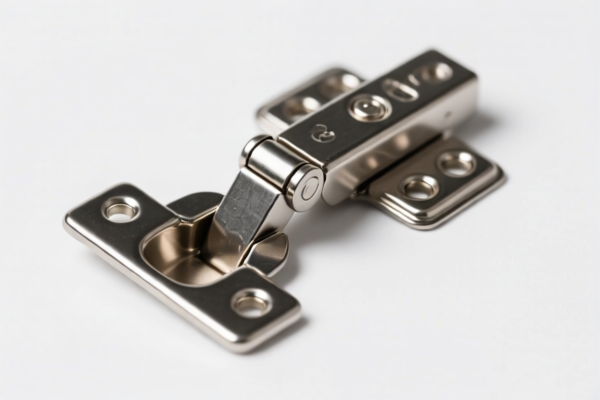
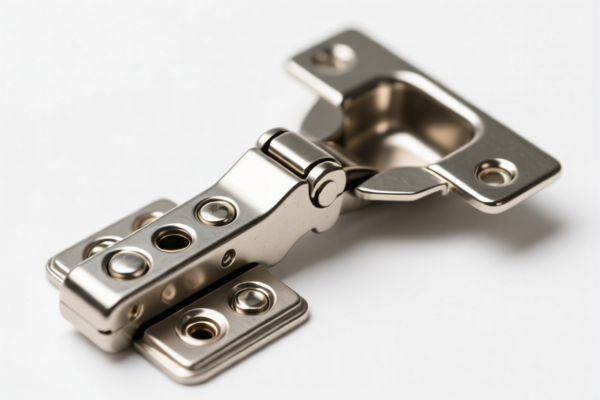
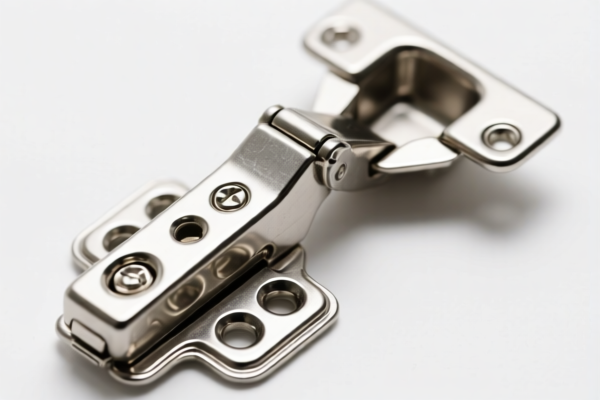
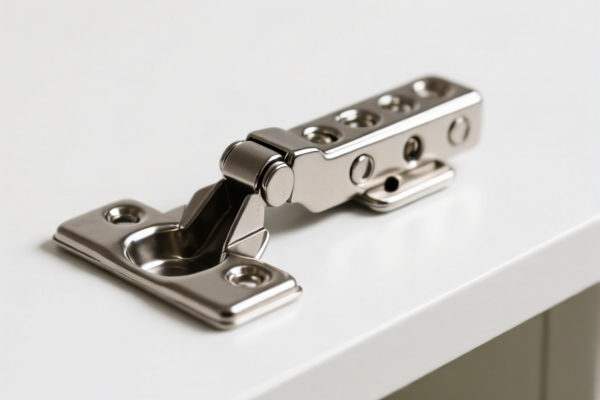
AI Analysis
🔗 HINGE (Hinges & Similar Fittings) – Ultimate 2025-2026 Global Clearance Guide
🌐 HS Code Masterclass & Tariff Warfare | Decoding the "Hinge" Tax Trap | Professional Customs Strategy
📌 I. Product Definition: What Exactly is a "Hinge"?
In international trade, a Hinge is a simple mechanical device used to connect two solid objects, typically allowing one to rotate relative to the other. However, the devil is in the details. Material composition and manufacturing method are the single most critical factors determining your HS Code and, consequently, your tax liability.
⚠️ The Great Divide: - Class A (Non-Steel/Non-Steel): Generic hinges made of base metals (copper, brass, aluminum without specific steel classification). - Class B (Steel/Stainless Steel): Hinges made of iron, steel, or stainless steel. 🚨 WARNING: These are currently under heavy scrutiny for "Steel & Aluminum" surcharges. - Manufacturing Method: Are they cast (8302) or forged/stamped (7326)? This changes the entire tariff profile.
📦 II. HS Code Classification Breakdown (Based on Provided Data)
Based on the analysis of your product data, here is the exact mapping of Hinge variants to their HS Codes, Tax Rates, and Specific Tariff Breakdowns.
📊 Tariff Matrix: The "Hinge" Cost Table
| HS Code | Product Description | Material Status | Total Tax Rate | Critical Tariff Components |
|---|---|---|---|---|
| 8302.10.90.90 | Generic Hinge (Material unspecified, inferred as base metal) | Base Metal (Other) | 13.4% | 3.4% Base + 0% Additional + 10% (122 Sec) |
| 8302.10.60.90 | Hinge (Stainless Steel Base Metal) | Stainless Steel | 88.5% | 3.5% Base + 25% AD + 10% (122 Sec) + 50% (Steel/Al/Cu) |
| 8302.10.60.60 | Stainless Steel Hinge | Stainless Steel | 88.5% | 3.5% Base + 25% AD + 10% (122 Sec) + 50% (Steel/Al/Cu) |
| 7326.19.00.80 | Stainless Steel Hinge (Forged/Stamped Steel) | Iron/Steel | 87.9% | 2.9% Base + 25% AD + 10% (122 Sec) + 50% (Steel/Al/Cu) |
| 7326.90.86.88 | Stainless Steel Hinge (Metal Fitting, Other) | Iron/Steel | 87.9% | 2.9% Base + 25% AD + 10% (122 Sec) + 50% (Steel/Al/Cu) |
🔍 Key Insight: - 8302 Series: Generally applies to base metal fittings (hinges, handles, mounts). - 7326 Series: Applies to other articles of iron/steel (specifically if classified as "forged or stamped" rather than standard fittings). - The "Steel/Al/Cu" Penalty: If your hinge is Iron, Steel, or Stainless Steel, you face a massive 50% surcharge on top of other taxes.
💰 III. Detailed Tariff Analysis (The Math Behind the Pain)
🎯 Scenario A: The "Safe" Zone (Generic/Base Metal)
HS Code: 8302.10.90.90
* Scenario: Material is not specified or is a non-ferrous base metal (e.g., Brass, Bronze, Aluminum alloy not classified as steel).
* Tax Breakdown:
* Base Duty: 3.4%
* Anti-Dumping (AD): 0.0% (No surcharge applied)
* Section 122 Tariff: 10.0%
* Total Tax: 13.4%
* Verdict: LOW RISK. This is the most cost-effective classification if the material allows.
🚨 Scenario B: The "Steel Trap" (Stainless/Steel Hinges)
HS Codes: 8302.10.60.90, 8302.10.60.60, 7326.19.00.80, 7326.90.86.88
* Scenario: The hinge is made of Stainless Steel, Iron, or Steel.
* Tax Breakdown:
* Base Duty: 2.9% or 3.5%
* Anti-Dumping (AD): 25.0% (High penalty)
* Section 122 Tariff: 10.0%
* Steel/Al/Cu Surcharge: 50.0% (The killer clause)
* Total Tax: 87.9% - 88.5%
* Verdict: EXTREMELY HIGH COST. Do NOT ship steel hinges under this tariff unless you have a very high margin or are using a bonded warehouse.
📌 Explanation of Terms: * Base Duty: The standard Most-Favored-Nation (MFN) tariff. * Anti-Dumping (AD): A penalty tax imposed to protect domestic industry from foreign goods sold below cost. * 122 Clause (Section 122): A specific retaliatory tariff imposed on certain Chinese goods (often related to trade disputes). * Steel/Al/Cu Surcharge (50%): A punitive tariff targeting steel and aluminum products, effectively doubling the base value of the duty.
🛠️ IV. Customs Clearance Strategy & Practical Advice
✅ 1. Material Verification is Mandatory
Before declaring, you MUST know the exact alloy composition. * Action: Request a mill test certificate or chemical analysis from your supplier. * Why: If you declare "Stainless Steel" but the lab proves it's a non-ferrous alloy (e.g., brass-plated aluminum), you could legally drop from 88.5% to 13.4%. * Risk: Misdeclaring steel as "other metal" leads to seizure, fines, and blacklist status.
✅ 2. Choose the Right "Fitting" vs. "Article" Path
- For
8302(Fittings): Ensure the hinge is a distinct fiting (designed for doors/cabinets). If it's a generic stamped metal part, customs might force you into7326. - For
7326(Articles): If the hinge is stamped/forged and lacks the specific "hinge" classification in 8302, it falls here. Note: Both8302.10.60and7326carry the 50% Steel Surcharge.
✅ 3. Documentation Checklist for Steel Hinges
Since steel hinges face a ~88% tax, your paperwork must be flawless to avoid delays: * Commercial Invoice: Must clearly state "Stainless Steel Hinges" + HS Code. * Bill of Materials: Explicitly list the steel grade (e.g., 304, 316). * Country of Origin: Must be clearly marked "Made in China" (to apply the 122 clause correctly) or a third country (if re-exported, though steel surcharges often follow the material). * Value Declaration: Since the tax is 88%, ensure the CIF value is accurate. Under-declaration is heavily audited.
✅ 4. Cost-Benefit Analysis
- Strategy: If your hinge is steel, calculate the Landed Cost.
- Formula:
Cost + 88.5% Tax + Logistics. - Decision: Is the product still profitable? If not, consider sourcing from a non-steel material (if functionally possible) or a country with a free trade agreement (if applicable).
- Formula:
🚫 V. Common Pitfalls & "Do Not Do" List
| ❌ Mistake | 💥 Consequence |
|---|---|
| Declaring Steel Hinges as "Plastic" or "Other Metal" | Seizure & Fraud Charges: Customs will perform X-ray or magnetic testing. Immediate detention. |
| Grouping Steel Hinges with Base Metal Hinges in One Ship | Audit Trigger: The steel portion will be flagged, causing the whole shipment to be held for separate assessment. |
| Ignoring the "50% Steel Surcharge" | Budget Failure: You calculated 3.5% tax, but paid 88.5%. Loss of 85% of your margin. |
Using 7326 for a standard door hinge |
Re-classification Risk: If it fits 8302, use 8302. If it's a generic stamping, 7326 is correct, but both have high taxes. |
🌍 VI. Final Verdict: The "Hinge" Reality Check
- If it's NOT Steel/Iron: Aim for
8302.10.90.90→ 13.4% Tax. (✅ Profitable) - If it IS Steel/Stainless: You face
8302.10.60.xor7326.x→ ~88% Tax. (❌ Critical Warning)
🚀 Pro Tip: "If your hinge is stainless steel, do not ship it under standard trade lanes without a pre-calculation of the 88.5% total duty. The 50% Steel Surcharge is non-negotiable. Consider value-added processing in a third country (like Vietnam or Mexico) if the rules of origin allow you to escape the steel surcharge, though this requires complex supply chain validation."
✨ Customs Precision = Profit Precision. 💼 Verify your steel content today to avoid tomorrow's 88% tax bill!
Customer Reviews
About HS Code Classification
The Harmonized System (HS) is an internationally standardized nomenclature developed by the World Customs Organization (WCO) to classify traded products. Over 200 countries use the HS system as the basis for customs tariffs, trade statistics, and import/export regulations.
Each HS code follows a hierarchical structure:
- Chapter (2 digits) — Broad category of goods (e.g., Chapter 84: Machinery and Mechanical Appliances)
- Heading (4 digits) — More specific grouping within the chapter
- Subheading (6 digits) — Internationally standardized breakdown, used by all WCO member countries
- National subdivisions (8-10 digits) — Country-specific extensions for further classification, such as US HTSUS 10-digit codes
Correct HS code classification is essential for smooth customs clearance, accurate duty payment, and compliance with trade regulations. Misclassification can lead to customs delays, overpayment of duties, or penalties.
When importing from CN to US, the applicable tariff rates may include:
- Most-Favored-Nation (MFN) rate — The standard duty rate applied to WTO members
- General rate — Applied to countries without trade agreements
- Trade remedy duties — Additional tariffs such as Section 301 (anti-dumping), Section 232 (national security), or countervailing duties
The information provided on this page is for reference purposes only. For official classification, please consult with your local customs authority or a licensed customs broker.