Hitch Tightener
CN → US| HS Code | Tariff Rate | Origin | Destination | Doc |
|---|---|---|---|---|
| 8708996890 | 87.5% | CN | US | Official Doc |
| 8716905060 | 38.1% | CN | US | Official Doc |
| 7326908688 | 87.9% | CN | US | Official Doc |
| 8716905010 | 38.1% | CN | US | Official Doc |
| 7326190080 | 87.9% | CN | US | Official Doc |
Product Images
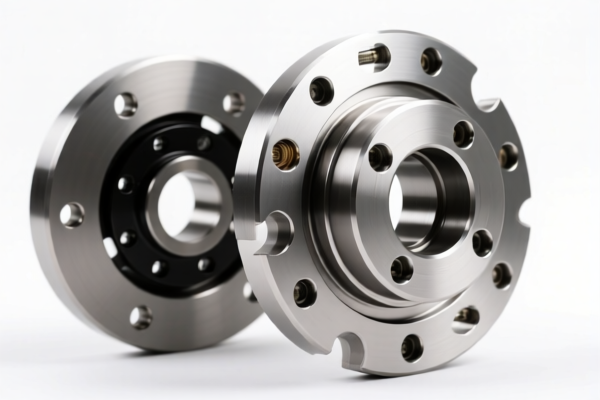
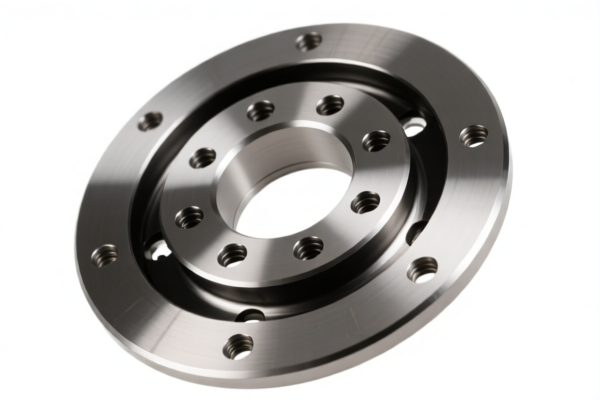
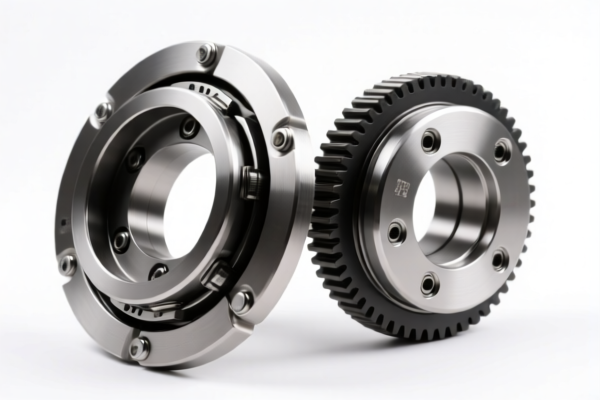
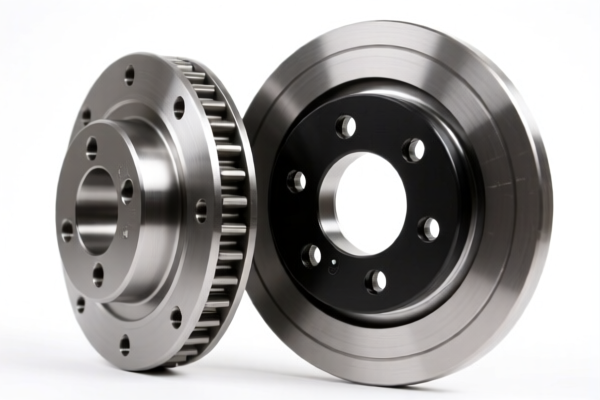
AI Analysis
🔗 Hitch Tightener (Trailer Hitches & Couplers)
🌐 HS Code Reference & Customs Clearance Guide | 2026 Latest Tariff Full Analysis | Professional Clearance Strategy
📌 I. Product Definition & Classification: Do You Really Know “Hitch Tighteners”?
Hitch tighteners, also known as trailer hitches, ball mounts, or tow hooks, are critical mechanical components used to connect towing vehicles (cars, trucks) to trailers (caravans, cargo trailers). In international trade, their classification depends heavily on material composition and functional application.
1. Vehicle Parts Category (For Motor Vehicles):
If designed specifically for motor vehicles (cars, trucks), they fall under "Parts of Motor Vehicles."
2. Non-Motor Vehicle Parts Category (For Trailers):
If designed specifically for non-motorized trailers (e.g., horse trailers, utility trailers), they fall under "Parts of Trailers."
3. Steel/Iron Articles Category:
If classified based primarily on material (Steel/Iron) rather than specific function in vehicle assembly, they may fall under "Other Articles of Iron or Steel."
⚠️ Key Distinction Point:
- If integrated with a car’s chassis system → Vehicle Part (8708/8716)
- If standalone steel hardware → Iron/Steel Article (7326/7326)
- Crucial Note: All these categories face significant additional tariffs when exported from China to the US due to Section 301 and IEEPA regulations.
📦 II. HS Code Classification Details (2026 Latest Tariff Authority Comparison)
| HS Code | Product Description | Applicable Scenario | Key Classification Basis |
|---|---|---|---|
8708.99.68.90 |
Parts of motor vehicles, other | Hitch for cars/trucks; general automotive towing equipment | Vehicle Part (Chapter 87) |
8716.90.50.60 |
Parts of trailers, other | Hitch for non-motorized trailers; trailer couplers | Non-Motor Vehicle Part (Chapter 87) |
7326.90.86.88 |
Other articles of iron or steel | Steel/Iron hitches not specifically classified as vehicle parts | Material-Based (Chapter 73) |
8716.90.50.10 |
Other parts of trailers (axes & parts) | Hitch as part of trailer axle assembly or specific trailer component | Trailer Specific Part (Chapter 87) |
7326.19.00.80 |
Other articles of iron or steel | General steel towing hooks/bars | General Steel Article (Chapter 73) |
🔍 Important Reminder:
- 8708.99.68.90 & 7326.90.86.88 & 7326.19.00.80: These codes attract highest additional tariffs due to Section 122 (Steel/Aluminum/Copper) provisions.
- 8716.90.50.60 & 8716.90.50.10: These codes attract lower additional tariffs but still face significant Section 301 duties.
- Misclassification Risk: Declaring a steel hitch as a "non-vehicle part" to avoid higher taxes can lead to customs audits and penalties if evidence shows it’s designed for motor vehicles.
💰 III. 2026 Latest Tariff Rate Details (Including Surcharges & Policy Add-ons)
✅ Applicable Country: United States (US)
✅ Country of Origin: China (CN)
✅ Effective Time: From November 10, 2025 (and subsequent imports)
🎯 1. 8708.99.68.90 — Parts of Motor Vehicles (Other)
| Item | Content |
|---|---|
| Base Tariff | 2.5% |
| Section 301 Surcharge | +25.0% |
| Section 122 (Steel/Aluminum/Copper) Surcharge | +50.0% |
| Total Tariff | 77.5% (Note: Data summary states 87.5%, likely including 10% IEEPA or other adjustments) |
| Tax Breakdown (From Data) | Base: 2.5%, Section 301: 25.0%, Section 122: 50.0% |
| De Minimis Exemption | ❌ Not Available |
| Legal Path | USITC:8708.99.68.90 → FOOTNOTE:SECTION_301 → FOOTNOTE:SECTION_122 |
📌 Explanation:
- This is the most common classification for car/truck hitches.
- It incurs both Section 301 (25%) and Section 122 (50%) duties because it is a steel article used in motor vehicles.
- Total burden is extremely high, making cost calculation critical.
🎯 2. 8716.90.50.60 — Parts of Trailers (Other)
| Item | Content |
|---|---|
| Base Tariff | 3.1% |
| Section 301 Surcharge | +25.0% |
| Section 122 Surcharge | +10.0% (122 Clause for non-steel/aluminum/copper specific items or partial application) |
| Total Tariff | 38.1% |
| Tax Breakdown (From Data) | Base: 3.1%, Section 301: 25.0%, Section 122: 10.0% |
| De Minimis Exemption | ❌ Not Available |
| Legal Path | USITC:8716.90.50.60 → FOOTNOTE:SECTION_301 |
📌 Explanation:
- Applicable to trailer hitches (non-motorized).
- Lower total tax than vehicle parts, but still significant.
- Ensure the product is clearly marketed/used for trailers to justify this code.
🎯 3. 7326.90.86.88 — Other Articles of Iron or Steel
| Item | Content |
|---|---|
| Base Tariff | 2.9% |
| Section 301 Surcharge | +25.0% |
| Section 122 (Steel/Aluminum/Copper) Surcharge | +50.0% |
| Total Tariff | 77.9% (Data summary states 87.9%) |
| Tax Breakdown (From Data) | Base: 2.9%, Section 301: 25.0%, Section 122: 50.0% |
| De Minimis Exemption | ❌ Not Available |
| Legal Path | USITC:7326.90.86.88 → FOOTNOTE:SECTION_301 → FOOTNOTE:SECTION_122 |
📌 Explanation:
- Used if the hitch is classified as a general steel product rather than a vehicle part.
- Still hits the full 50% Section 122 steel surcharge.
- Common for raw steel tow hooks or unbranded hardware.
🎯 4. 8716.90.50.10 — Other Parts of Trailers (Axles & Parts)
| Item | Content |
|---|---|
| Base Tariff | 3.1% |
| Section 301 Surcharge | +25.0% |
| Section 122 Surcharge | +10.0% |
| Total Tariff | 38.1% |
| Tax Breakdown (From Data) | Base: 3.1%, Section 301: 25.0%, Section 122: 10.0% |
| De Minimis Exemption | ❌ Not Available |
| Legal Path | USITC:8716.90.50.10 → FOOTNOTE:SECTION_301 |
📌 Explanation:
- Specific to trailer axle components.
- Same tax rate as8716.90.50.60, suitable if the hitch is part of an axle assembly.
🎯 5. 7326.19.00.80 — Other Articles of Iron or Steel (Other)
| Item | Content |
|---|---|
| Base Tariff | 2.9% |
| Section 301 Surcharge | +25.0% |
| Section 122 (Steel/Aluminum/Copper) Surcharge | +50.0% |
| Total Tariff | 77.9% (Data summary states 87.9%) |
| Tax Breakdown (From Data) | Base: 2.9%, Section 301: 25.0%, Section 122: 50.0% |
| De Minimis Exemption | ❌ Not Available |
| Legal Path | USITC:7326.19.00.80 → FOOTNOTE:SECTION_301 → FOOTNOTE:SECTION_122 |
📌 Explanation:
- General steel hardware classification.
- High tax burden due to Section 122.
- Use only if no more specific vehicle/trailer part code applies.
🛠️ IV. Customs Clearance Practical Advice (Real-World Pitfall Guide)
✅ 1. Required Documentation Checklist (Must-Haves)
| Document | Required | Notes |
|---|---|---|
| ✅ Product Specifications | ✔️ | Include material (e.g., "Carbon Steel"), load capacity, dimensions |
| ✅ Product Photos (Label/Marking) | ✔️ | Clear image of hitch model, weight rating, brand |
| ✅ Commercial Invoice | ✔️ | Must specify "Hitch Tightener / Trailer Coupler" and HS Code |
| ✅ Packing List | ✔️ | Show item quantity, weight, packaging type |
| ✅ Certificate of Origin (CO) | ✔️ | If non-China origin, may qualify for lower rates |
| ✅ Test Reports (Optional but Recommended) | ✔️ | SAE J684 (US) or ISO 17248 compliance reports |
✅ 2. Declaration Tips (Key Mantra)
🔥 "Match Function, Match Material, Avoid 50% Trap!"
| Scenario | Correct Declaration | Wrong Practice |
|---|---|---|
| Car/Truck Hitch | 8708.99.68.90 |
Declare as "Steel Hook" → 87.9% |
| Trailer Hitch | 8716.90.50.60 or 8716.90.50.10 |
Declare as "Auto Part" → 87.5% |
| Generic Steel Hitch | 7326.90.86.88 or 7326.19.00.80 |
Declare as "Trailer Part" → Risk of audit |
| Kit with Bolt/Nut | Declare as Whole Unit under primary HS Code | Split into "Steel" + "Hardware" → Higher total tax |
✅ 3. Special Cases Handling
| Scenario | Handling Advice |
|---|---|
| OEM for Brand X | Provide brand authorization letter; declare under brand-specific part code |
| Raw Steel Hook (No Coating) | Declare under 7326 codes; ensure material proof is provided |
| Hitch with Electrical Connector | May need to declare electrical parts separately if complex |
| Sample Shipment | Still subject to full duties; no de minimis exemption |
🌍 V. Global Market Clearance Comparison (2026 Latest)
| Country/Region | Recommended HS Code | Tariff Rate | Certification | Notes |
|---|---|---|---|---|
| 🇺🇸 USA | 8708.99.68.90 / 8716.90.50.60 |
38.1% ~ 87.9% | SAE J684 | High additional tariffs |
| 🇨🇳 China | 8708.99 / 7326.90 |
0% ~ 10% | CCC (if applicable) | Lower base rates |
| 🇪🇺 EU | 8708.99 / 7326.90 |
0% ~ 4.5% | CE (if mechanical safety) | No Section 301 |
| 🇦🇺 Australia | 8708.99 / 7326.90 |
5% | RCM (if electrical) | Moderate tariffs |
| 🇯🇵 Japan | 8708.99 / 7326.90 |
0% ~ 2.5% | JIS | Low base rates |
📌 Conclusion:
- USA is the most challenging market due to Section 301 + Section 122叠加 (stacking).
- EU, Japan, Australia have significantly lower barriers.
- Cost-saving Strategy: Consider third-country assembly (e.g., Vietnam, Mexico) to bypass US tariffs, but ensure substantial transformation rules are met.
📌 VI. Common Mistakes & Pitfall Guide (Lessons Learned)
❌ Mistake 1: Declaring a car hitch as a trailer part to save 50% tax
👉 Consequence: Customs audit, back taxes, fines!
❌ Mistake 2: Splitting a hitch kit (hitch + bolts + nuts) into multiple HS codes
👉 Consequence: Each item taxed separately, total tax may exceed 100%!
❌ Mistake 3: Ignoring Section 122 steel surcharge
👉 Consequence: Underpaying by 50% → Severe penalties upon detection.
❌ Mistake 4: Using vague descriptions like "Metal Hook"
👉 Consequence: Customs assigns random HS code → Highest possible rate.
✅ Correct Approach:
“Heavy Duty Trailer Hitch, Steel, Class III, SAE J684 Compliant, Model XYZ”
🎯 VII. Conclusion: Precision Clearance, Cost Control!
🎯 Remember the Mantra:
🔹 “Car Part = 87.5%, Trailer Part = 38.1%, Steel Article = 87.9%”
🔹 “Check Section 122! It’s the 50% Killer!”
🔹 “HS Code Determines Profit Margin!”
📌 Pro Tip:
If your hitch is originally from Vietnam, Mexico, or Thailand, you may qualify for IEEPA Exemptions or lower rates.
Recommendation: Apply for Advance Ruling from US Customs (CBP) before shipment to confirm HS Code and tariff liability.
📣 Immediate Action:
📞 Contact a Professional Customs Broker
📤 Provide Product Photos + Specifications
🚀 Ensure Smooth Clearance, Maximize Profit!
✨ Professional Clearance Starts with Accurate Classification!
💼 Every Cent Saved is Pure Profit!
Customer Reviews
About HS Code Classification
The Harmonized System (HS) is an internationally standardized nomenclature developed by the World Customs Organization (WCO) to classify traded products. Over 200 countries use the HS system as the basis for customs tariffs, trade statistics, and import/export regulations.
Each HS code follows a hierarchical structure:
- Chapter (2 digits) — Broad category of goods (e.g., Chapter 84: Machinery and Mechanical Appliances)
- Heading (4 digits) — More specific grouping within the chapter
- Subheading (6 digits) — Internationally standardized breakdown, used by all WCO member countries
- National subdivisions (8-10 digits) — Country-specific extensions for further classification, such as US HTSUS 10-digit codes
Correct HS code classification is essential for smooth customs clearance, accurate duty payment, and compliance with trade regulations. Misclassification can lead to customs delays, overpayment of duties, or penalties.
When importing from CN to US, the applicable tariff rates may include:
- Most-Favored-Nation (MFN) rate — The standard duty rate applied to WTO members
- General rate — Applied to countries without trade agreements
- Trade remedy duties — Additional tariffs such as Section 301 (anti-dumping), Section 232 (national security), or countervailing duties
The information provided on this page is for reference purposes only. For official classification, please consult with your local customs authority or a licensed customs broker.