Hole Positioning Locator
CN → US| HS Code | Tariff Rate | Origin | Destination | Doc |
|---|---|---|---|---|
| 8466208020 | 38.7% | CN | US | Official Doc |
| 8205595510 | 40.3% | CN | US | Official Doc |
| 7326908630 | 87.9% | CN | US | Official Doc |
| 7326908688 | 87.9% | CN | US | Official Doc |
| 8205591000 | 42.2% | CN | US | Official Doc |
Product Images
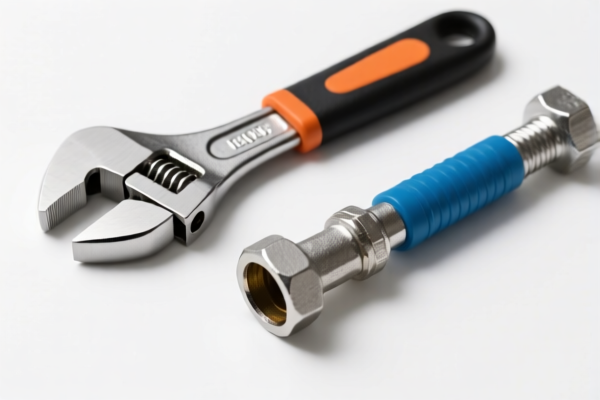
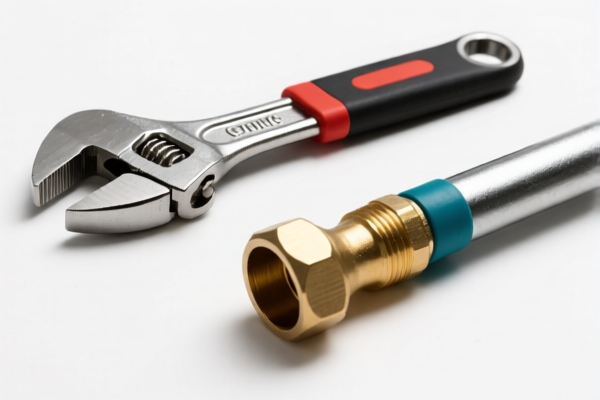
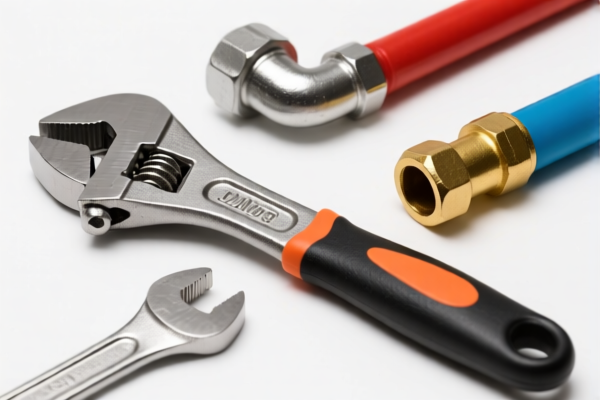
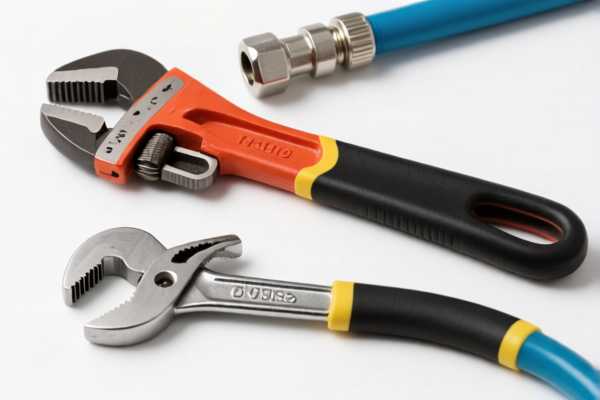
AI Analysis
📍 Hole Positioning Locator: The Precision Essential for Industrial Assembly
🌐 HS Code Classification & Customs Clearance Guide | 2026 Latest Tariff Analysis | Strategic Entry Protocol
📌 I. Product Definition: What is a "Hole Positioning Locator"?
A Hole Positioning Locator is a critical auxiliary tool or fixture component used in manufacturing, particularly in welding, drilling, riveting, and assembly operations. Its primary function is to ensure precise alignment of parts before fastening.
In international trade, these products are often ambiguous. They can be classified as:
1. Functional Fixtures/Clamps: Designed specifically to hold or position workpieces.
2. Hand Tools/Parts: If they are manual, handheld positioning aids.
3. Metal Articles: If they are simple metal supports or pins without complex mechanical actuation.
⚠️ Critical Distinction:
- If it is a complete fixture designed to hold a specific part → Likely Chapter 84 (Machinery Accessories).
- If it is a simple manual tool for alignment → Likely Chapter 82 (Tools).
- If it is a generic metal support/pin → Likely Chapter 73 (Iron/Steel Articles).
📦 II. HS Code Classification Matrix (2026 Latest Tariff Authority)
Based on the provided data, here are the five potential classifications. Note that the Tax Rate varies significantly based on the specific physical form and material inference.
| HS Code | Product Description & Logic | Estimated Total Tax Rate | Key Tax Components |
|---|---|---|---|
| 8466.20.80.20 | Locator as Functional Fixture Component Inferred as metal, fits the definition of jigs and fixtures. |
38.7% | Base: 3.7% Add. 301: 25.0% Section 122: 10% |
| 8205.59.55.10 | Part/Component of Hand Tools Bladed or non-bladed tool part, "Other" category. Inferred metal. |
40.3% | Base: 5.3% Add. 301: 25.0% Section 122: 10% |
| 7326.90.86.30 | Auxiliary Tool/Support Logical equivalent to brackets/supports. Inferred metal/non-conflicting material. |
87.9% | Base: 2.9% Add. 301: 25.0% Section 122: 10% Steel/Aluminum/Copper Surcharge: 50% |
| 7326.90.86.88 | Other Metal Articles Other iron/steel articles, specific component form. Inferred metal. |
87.9% | Base: 2.9% Add. 301: 25.0% Section 122: 10% Steel/Aluminum/Copper Surcharge: 50% |
| 8205.59.10.00 | Locator as Hand Tool/Part Fits "Other hand tools and parts" category. Inferred metal. |
42.2% | Base: 7.2% Add. 301: 25.0% Section 122: 10% |
🔍 Critical Insight:
- The lowest tax rate (38.7%) is for 8466.20.80.20, treating it as a fixture component.
- The highest tax rate (87.9%) applies to 7326.90.86.30 and 7326.90.86.88, due to the additional 50% surcharge on steel, aluminum, and copper products under Section 122/Trade Act provisions.
- Middle ground (40-42%) applies if classified as hand tools or parts (Ch. 82).
💰 III. Detailed Tax Breakdown & Legal Basis (US Imports from China)
✅ Applicable Country: United States (US)
✅ Origin: China (CN)
✅ Effective Date: Current trade policies (2026 context)
🎯 1. Best Case: 8466.20.80.20 (Fixture Component)
| Item | Value/Description |
|---|---|
| Base Duty | 3.7% |
| Section 301 Duty | 25.0% |
| Section 122 Duty | 10.0% |
| Total Duty | 38.7% |
| Additional Surcharge | ❌ None (Assumed non-steel/aluminum/copper specific surcharge or exempt category) |
| Legal Path | USITC:8466.20.80.20 → Section301:25% → Section122:10% |
📌 Why this is best: It avoids the 50% surcharge. To qualify, the locator must be clearly defined as a "part/accessory of machinery" rather than a generic metal tool.
🎯 2. Middle Case: 8205.59.55.10 / 8205.59.10.00 (Hand Tool Parts)
| Item | Value/Description |
|---|---|
| Base Duty | 5.3% (55.10) / 7.2% (10.00) |
| Section 301 Duty | 25.0% |
| Section 122 Duty | 10.0% |
| Total Duty | 40.3% / 42.2% |
| Additional Surcharge | ❌ None |
| Legal Path | USITC:8205.59.xx → Section301:25% → Section122:10% |
📌 Why this is neutral: These codes are for "other hand tools." If the locator is a manual, handheld alignment pin, this is a safe classification. It still incurs the 35% total add-on tax but avoids the 50% steel surcharge.
🎯 3. Worst Case: 7326.90.86.30 / 7326.90.86.88 (Metal Articles)
| Item | Value/Description |
|---|---|
| Base Duty | 2.9% |
| Section 301 Duty | 25.0% |
| Section 122 Duty | 10.0% |
| Steel/Al/Copper Surcharge | 50% |
| Total Duty | 87.9% |
| Legal Path | USITC:7326.90.86.xx → Section301:25% → Section122:10% → Surcharge:50% |
📌 Why this is dangerous: If the locator is deemed a generic steel/aluminum pin or support rather than a specialized tool or fixture part, it triggers the 50% penalty rate. This is the most costly classification.
🛠️ IV. Customs Clearance Strategy & Risk Mitigation
✅ 1. Document Preparation Checklist
| Document | Requirement | Purpose |
|---|---|---|
| Product Specification Sheet | Must clearly state "Positioning Fixture" or "Alignment Tool". Avoid vague terms like "metal pin." | Supports 8466 or 8205 classification over 7326. |
| Material Declaration | If possible, declare non-steel/aluminum/copper materials (e.g., plastic, composite, or treated steel exempt from surcharge). | Crucial for avoiding the 50% surcharge in 7326 codes. |
| Technical Drawings | Show the locator as part of a welding jig or assembly fixture. | Proves function as a machine accessory (8466). |
| Commercial Invoice | Describe as "Jig and Fixture Locator for CNC/Welding" not "Hole Punch Tool." | Aligns description with 8466 definition. |
| Origin Certificate | Required for Section 301/122 calculations. | Confirms China origin. |
✅ 2. Classification Strategy (The "How-To")
🔥 "Fixtures Over Tools, Tools Over Metal!"
| Scenario | Recommended HS Code | Reasoning |
|---|---|---|
| Locator is part of a larger jig/fixture | 8466.20.80.20 |
It is an accessory to machinery. Lowest tax (38.7%). |
| Locator is a handheld, ergonomic tool | 8205.59.10.00 |
It is a hand tool/part. Medium tax (42.2%). |
| Locator is a simple metal pin/rod | 8205.59.55.10 |
It is a tool part. Medium tax (40.3%). |
| Locator is a generic steel support bracket | 7326.90.86.30 |
High risk! Only if no other functional definition fits. Tax: 87.9%. |
✅ 3. Critical Warnings
❌ Avoid "Generic Metal Description"
- Do not describe as "Steel Pin" or "Metal Support" alone. This leads to 7326 and the 50% surcharge.
- Use "Fixture," "Jig," "Locator," or "Alignment Tool" in descriptions.
❌ Material Matters
- If the locator is made of aluminum or steel, ensure it is classified under 8466 or 8205 to avoid the 7326 surcharge.
- If it must be 7326, consider if a non-steel/aluminum/copper material version can be shipped to avoid the 50% penalty.
❌ Do Not Split Shipments Incorrectly
- If a locator is part of a fixture kit, declare it as a single unit or clearly as a part of the fixture, not as separate metal articles.
🌍 V. Global Market Comparison (2026 Context)
| Market | Recommended HS Code | Estimated Tax | Key Requirement |
|---|---|---|---|
| 🇺🇸 USA | 8466.20.80.20 |
38.7% | Must prove it is a fixture part, not generic metal. |
| 🇨🇳 China | 8466.20.80.20 |
~13% | Standard import duty. No 301/122 taxes. |
| 🇪🇺 EU | 8466.20.80.20 |
~4.5% | No major surcharges. Focus on functional description. |
| 🇦🇺 Australia | 8466.20.80.20 |
~5% | Standard tariff. |
📌 Conclusion:
- The US market is the most challenging due to Section 301 and Section 122 taxes.
- Correct classification is critical to save up to 49% in taxes (87.9% vs 38.7%).
- Strategy: Always argue for8466(Fixture Accessory) or8205(Hand Tool Part) over7326(Generic Metal Article).
📌 VI. Common Mistakes & Pitfalls
❌ Mistake 1: Describing the product as "Steel Positioning Pin"
👉 Result: Customs may classify as 7326.90.86.30 → 87.9% Tax.
✅ Fix: Use "CNC Fixture Locator" or "Welding Jig Component."
❌ Mistake 2: Ignoring the 50% Surcharge on Steel/Aluminum
👉 Result: Unexpected high duty if 7326 is applied.
✅ Fix: Ensure material declaration is accurate and classification avoids 7326.
❌ Mistake 3: Misclassifying as General Machinery (8466.99)
👉 Result: Higher base duty or audit risk.
✅ Fix: Use the specific subheading 8466.20 for "parts of jigs and fixtures."
🎯 VII. Final Recommendation
🎯 Action Plan:
1. Review Product Design: Is it a standalone tool or part of a fixture?
2. Update Descriptions: Change "Metal Pin" to "Fixture Locator" or "Alignment Jig Part."
3. Select HS Code:
- Priority 1: 8466.20.80.20 (38.7%) – Best for fixture parts.
- Priority 2: 8205.59.10.00 (42.2%) – Best for handheld tools.
- Avoid: 7326.90.86.30 (87.9%) – Unless unavoidable.
4. Consult Customs Broker: Request an Advance Ruling to lock in the 8466 classification.
📣 Final Tip:
"Classification is cost control. A 10% description change can save you 49% in taxes!"
✨ Professional Customs Clearance Starts with Precision Classification!
💼 Maximize your profit margin by minimizing tariff risk!
Customer Reviews
About HS Code Classification
The Harmonized System (HS) is an internationally standardized nomenclature developed by the World Customs Organization (WCO) to classify traded products. Over 200 countries use the HS system as the basis for customs tariffs, trade statistics, and import/export regulations.
Each HS code follows a hierarchical structure:
- Chapter (2 digits) — Broad category of goods (e.g., Chapter 84: Machinery and Mechanical Appliances)
- Heading (4 digits) — More specific grouping within the chapter
- Subheading (6 digits) — Internationally standardized breakdown, used by all WCO member countries
- National subdivisions (8-10 digits) — Country-specific extensions for further classification, such as US HTSUS 10-digit codes
Correct HS code classification is essential for smooth customs clearance, accurate duty payment, and compliance with trade regulations. Misclassification can lead to customs delays, overpayment of duties, or penalties.
When importing from CN to US, the applicable tariff rates may include:
- Most-Favored-Nation (MFN) rate — The standard duty rate applied to WTO members
- General rate — Applied to countries without trade agreements
- Trade remedy duties — Additional tariffs such as Section 301 (anti-dumping), Section 232 (national security), or countervailing duties
The information provided on this page is for reference purposes only. For official classification, please consult with your local customs authority or a licensed customs broker.