Holiday Tissue Paper
CN → US| HS Code | Tariff Rate | Origin | Destination | Doc |
|---|---|---|---|---|
| 4819200040 | 35.0% | CN | US | Official Doc |
| 4202995000 | 42.8% | CN | US | Official Doc |
| 4202999000 | 55.0% | CN | US | Official Doc |
| 3923210095 | 38.0% | CN | US | Official Doc |
| 3923290000 | 38.0% | CN | US | Official Doc |
| 4819504060 | 35.0% | CN | US | Official Doc |
Product Images
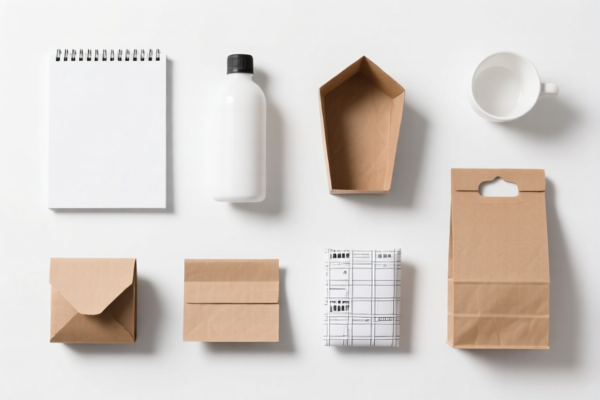

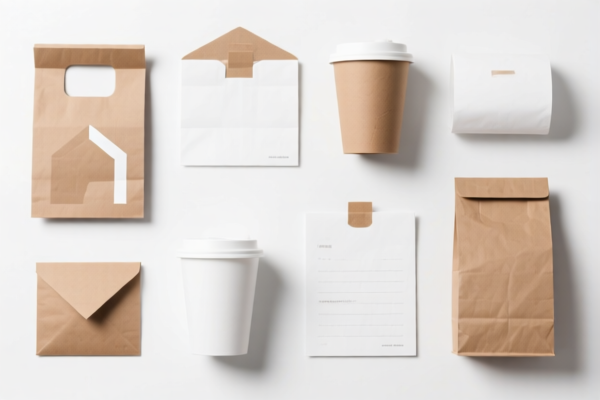

AI Analysis
🎁 Holiday Tissue Paper (Festival Gift Wrapping & Packaging)
🌐 HS Code Reference & Customs Clearance Guide | 2026 Latest Tariff Analysis | Professional Clearance Strategy
📌 I. Product Definition & Classification: Do You Really Know "Holiday Tissue Paper"?
Holiday Tissue Paper is a lightweight, often translucent paper product used primarily for gift wrapping, decorative layering, and packaging during festive seasons. In international trade, it is not a single commodity but is classified based on its material structure, physical form (corrugated vs. non-corrugated), and intended container function.
The key to accurate classification lies in distinguishing between: * Non-Corrugated Paper Containers: Simple sheets, bags, or pouches made of paper/paperboard. * Covered/Reinforced Containers: Containers where paper covers other materials (like plastic) or is part of a composite structure. * Plastic-Integrated Packaging: Bags or pouches where plastic is the primary structural material (even if used for "paper-like" gifts).
⚠️ Key Distinction Point:
- If it is pure paper/paperboard and used as a wrapping sheet or simple bag → Look at Chapter 48.
- If it is a box/container made of paper but classified under general "containers" (less common for simple tissue, but possible if structured) → Look at Chapter 42.
- If it is a plastic bag (e.g., cellophane, polyethylene) used for wrapping → Look at Chapter 39.
📦 II. HS Code Classification Details (2026 Latest Tariff Authority Comparison)
| HS Code | Product Description | Applicable Scenario | Material/Structure |
|---|---|---|---|
4819.20.00.40 |
Non-corrugated paper/paperboard containers for packaging | Gift wrapping paper, flat sheets, simple paper bags | ✅ Pure Paper/Paperboard |
4202.99.50.00 |
Other containers covered wholly or mainly with paper | Paper-covered gift boxes, structured paper containers | ✅ Paper-covered |
4202.99.90.00 |
Other containers and pouches (Packaging category) | Complex packaging, paper/plastic/textile mix | ✅ Mixed/Composite |
3923.21.00.95 |
Plastic sacks and bags (Polyethylene) | Plastic-wrapped gifts, cellophane bags, poly bags | ✅ Plastic (PE) |
3923.29.00.00 |
Plastic sacks and bags (Other plastics) | Other plastic pouches/bags for packaging | ✅ Plastic (Other) |
4819.50.40.60 |
Other paper/paperboard containers (Catch-all) | Generic paper packaging not elsewhere specified | ✅ Pure Paper (Generic) |
🔍 Key Reminder:
- Simple Tissue Paper Sheets: If sold as flat sheets for wrapping, they are often considered "paper" rather than a "container." However, if declared as packaging material (bags, pouches, or pre-cut wraps), they fall under 4819.
- Gift Bags: If paper, use 4819. If plastic, use 3923.
- Composite Materials: If the "tissue" is actually a thin plastic film on paper, customs may classify it under 3923 if plastic is the essential character.
💰 III. 2026 Latest Tariff Rate Details (Including Surcharges & Policy Add-ons)
✅ Applicable Country: United States (US)
✅ Origin: China (CN)
✅ Effective Date: November 10, 2025 (and subsequent imports)
🎯 1. 4819.20.00.40 —— Non-Corrugated Paper Containers (Pure Paper)
| Item | Content |
|---|---|
| Base Rate | 0.0% (ad valorem) |
| Section 301 Surtax | +25.0% |
| Section 122 Tariff | +10.0% |
| Total Rate | 35.0% |
| Tax Calculation | CIF Value × 35% |
| De Minimis Exemption | ❌ Not Eligible (High tariff threshold) |
| Legal Basis Path | Section 301: 9903.88.01 → Section 122 → USITC:4819.20.00.40 |
📌 Explanation:
- 0% Base: Paper packaging often enjoys low base tariffs.
- 25% Section 301: Standard USITC surtax on Chinese goods.
- 10% Section 122: Additional tariff under specific trade actions.
- Total 35%: Significant cost impact. Pure paper packaging is not exempt.
🎯 2. 4202.99.50.00 —— Paper-Covered Containers
| Item | Content |
|---|---|
| Base Rate | 7.8% |
| Section 301 Surtax | +25.0% |
| Section 122 Tariff | +10.0% |
| Total Rate | 42.8% |
| Tax Calculation | CIF Value × 42.8% |
| De Minimis Exemption | ❌ Not Eligible |
| Legal Basis Path | Section 301 → Section 122 → USITC:4202.99.50.00 |
📌 Explanation:
- Higher base rate (7.8%) due to being classified as a "container" rather than simple paper.
- Total tariff is 7.8% higher than pure paper containers.
- Use this only if the product is a structured box/container with paper covering.
🎯 3. 4202.99.90.00 —— Other Containers/Pouches (Mixed Materials)
| Item | Content |
|---|---|
| Base Rate | 20.0% |
| Section 301 Surtax | +25.0% |
| Section 122 Tariff | +10.0% |
| Total Rate | 55.0% |
| Tax Calculation | CIF Value × 55.0% |
| De Minimis Exemption | ❌ Not Eligible |
| Legal Basis Path | Section 301 → Section 122 → USITC:4202.99.90.00 |
📌 Explanation:
- Highest Tax Bracket (55%).
- Applies to complex packaging or mixed materials where paper is not the sole defining feature.
- Avoid this code unless necessary; it drastically increases landed cost.
🎯 4. 3923.21.00.95 —— Plastic Sacks/Bags (PE)
| Item | Content |
|---|---|
| Base Rate | 3.0% |
| Section 301 Surtax | +25.0% |
| Section 122 Tariff | +10.0% |
| Total Rate | 38.0% |
| Tax Calculation | CIF Value × 38.0% |
| De Minimis Exemption | ❌ Not Eligible |
| Legal Basis Path | Section 301 → Section 122 → USITC:3923.21.00.95 |
📌 Explanation:
- If your "tissue paper" is actually a plastic bag (e.g., cellophane, poly bag), it falls here.
- Base rate is higher than pure paper (3% vs 0%), but total tax (38%) is still lower than mixed containers (55%).
🎯 5. 3923.29.00.00 —— Plastic Sacks/Bags (Other)
| Item | Content |
|---|---|
| Base Rate | 3.0% |
| Section 301 Surtax | +25.0% |
| Section 122 Tariff | +10.0% |
| Total Rate | 38.0% |
| Tax Calculation | CIF Value × 38.0% |
| De Minimis Exemption | ❌ Not Eligible |
| Legal Basis Path | Section 301 → Section 122 → USITC:3923.29.00.00 |
📌 Explanation:
- Similar to above, but for non-PE plastics (e.g., PP, PVC bags).
- Tax rate identical to PE bags (38%).
🎯 6. 4819.50.40.60 —— Other Paper Containers (Catch-All)
| Item | Content |
|---|---|
| Base Rate | 0.0% |
| Section 301 Surtax | +25.0% |
| Section 122 Tariff | +10.0% |
| Total Rate | 35.0% |
| Tax Calculation | CIF Value × 35.0% |
| De Minimis Exemption | ❌ Not Eligible |
| Legal Basis Path | Section 301 → Section 122 → USITC:4819.50.40.60 |
📌 Explanation:
- Same tax burden as4819.20.00.40(35%).
- Use if the product doesn't fit neatly into "folded boxes" or "corrugated" categories but is still pure paper.
🛠️ IV. Customs Clearance Practical Advice (Battle-Tested Pitfall Guide)
✅ 1. Documentation Checklist (Must-Haves)
| Document | Required | Description |
|---|---|---|
| ✅ Product Specification Sheet | ✔️ | Material composition (e.g., "100% Virgin Paper"), GSM, dimensions |
| ✅ Product Photos (Clear) | ✔️ | Show texture, transparency, and any printing/design |
| ✅ Commercial Invoice | ✔️ | Clearly state "Gift Wrapping Paper" or "Paper Packaging Bags" |
| ✅ Packing List | ✔️ | Detail package contents (rolls, sheets, bags) |
| ✅ Material Declaration | ✔️ | Confirm no plastic lining if claiming 4819 |
| ✅ Origin Certificate (CO) | ✔️ | If applicable for preferential treatment (not applicable for US/CN tariffs) |
✅ 2. Declaration Tips (Key Mantra)
🔥 "Material Dictates Code, Form Dictates Tax, Be Precise or Pay More!"
| Situation | Correct Declaration | Wrong Practice |
|---|---|---|
| Pure Paper Tissue Sheets | 4819.20.00.40 or 4819.50.40.60 |
Misdeclare as "Plastic" → 38% (Higher) |
| Paper Gift Bags | 4819.20.00.40 |
Misdeclare as "Container" → 42.8% or 55% |
| Plastic/Waxed Paper Bags | 3923.21.00.95 |
Misdeclare as "Paper" → 35% (Underpay, Risk Penalty) |
| Mixed Material (Paper + Plastic) | 4202.99.50.00 or 3923... |
Ambiguous description → Customs Re-classification |
✅ 3. Special Scenarios
| Scenario | Handling Advice |
|---|---|
| Cellophane (Transparent Paper) | If synthetic cellulose, it may be classified under 3923 (Plastic) if it behaves like plastic. If natural, 4819. |
| Waxed Paper | If waxed, it may be considered coated paper. Check if wax is the essential character. Often still 4819. |
| Pre-printed Gift Wrap | Declared as "Paper for Gift Wrapping" under 4819. Ensure description highlights "Paper." |
| Kraft Paper Bags | Definitely 4819.20.00.40 if no plastic lining. |
🌍 V. Global Market Comparison (2026 Latest)
| Country/Region | Recommended HS Code | Tariff | Certification | Notes |
|---|---|---|---|---|
| 🇺🇸 USA | 4819.20.00.40 |
35% | No special certs | High surtax applies |
| 🇨🇳 China | 4819.20.00.40 |
5% | No special certs | Low base rate |
| 🇪🇺 EU | 4819.20.00.40 |
0% (if eligible) | REACH (if coated) | No surtax |
| 🇬🇧 UK | 4819.20.00.40 |
0% | UKCA (if coated) | No surtax |
📌 Conclusion:
- The US imposes a significant 35-55% tariff on paper packaging from China.
- Non-US markets generally have lower or zero tariffs for similar items.
- Cost Impact: 35% tariff can erase profit margins for low-cost tissue paper. Consider duty mitigation strategies (e.g., third-country transshipment if eligible, or product redesign).
📌 VI. Common Mistakes & Pitfall Guide (Lessons Learned)
❌ Mistake 1: Declaring Plastic Bags as "Paper Tissue"
👉 Consequence: Underpayment of duty. Customs will assess at 38%+ plus penalties.
❌ Mistake 2: Declaring Paper Boxes as "Paper Sheets"
👉 Consequence: If it has structure, it may be reclassified to 4202 (42.8%-55%).
❌ Mistake 3: Ignoring Section 122 Tariff
👉 Consequence: Even with 0% base, 10% surtax applies. Total is 35%, not 0%.
❌ Mistake 4: Vague Description ("Gift Supplies")
👉 Consequence: Customs delays, manual classification, possible misclassification.
✅ Correct Approach:
"100% Virgin Paper Tissue Sheets, Unprinted, 50x50cm, for Gift Wrapping, Model XYZ"
🎯 VII. Conclusion: Precise Classification, Cost Optimization!
🎯 Remember the Mantra:
🔹 "Pure Paper = 35%, Plastic = 38%, Mixed = 55%. Know Your Material!"
🔹 "Tariff is 35% Minimum for Paper. No Free Lunch!"
📌 Pro Tip:
If your product is plastic-coated or has a plastic lining, it cannot use the 0% base rate of paper. It will likely be classified under 3923 (38% total).
Recommendation:
1. Verify Material Composition: If >50% plastic by weight or value, use 3923.
2. Optimize Design: If possible, reduce plastic content to qualify for 4819.
3. Apply for Pre-Ruling: Submit a binding ruling request to US Customs (CBP) to confirm classification before shipment.
📣 Immediate Action:
📞 Consult a Customs Broker + Provide Material Safety Data Sheet (MSDS) + Request HS Code Pre-Ruling
🚀 Ensure your Holiday Tissue Paper clears US customs smoothly, avoiding 35-55% unexpected costs!
✨ Professional Clearance Starts with Accurate Classification!
💼 Every Percent of Tariff Matters!
Customer Reviews
About HS Code Classification
The Harmonized System (HS) is an internationally standardized nomenclature developed by the World Customs Organization (WCO) to classify traded products. Over 200 countries use the HS system as the basis for customs tariffs, trade statistics, and import/export regulations.
Each HS code follows a hierarchical structure:
- Chapter (2 digits) — Broad category of goods (e.g., Chapter 84: Machinery and Mechanical Appliances)
- Heading (4 digits) — More specific grouping within the chapter
- Subheading (6 digits) — Internationally standardized breakdown, used by all WCO member countries
- National subdivisions (8-10 digits) — Country-specific extensions for further classification, such as US HTSUS 10-digit codes
Correct HS code classification is essential for smooth customs clearance, accurate duty payment, and compliance with trade regulations. Misclassification can lead to customs delays, overpayment of duties, or penalties.
When importing from CN to US, the applicable tariff rates may include:
- Most-Favored-Nation (MFN) rate — The standard duty rate applied to WTO members
- General rate — Applied to countries without trade agreements
- Trade remedy duties — Additional tariffs such as Section 301 (anti-dumping), Section 232 (national security), or countervailing duties
The information provided on this page is for reference purposes only. For official classification, please consult with your local customs authority or a licensed customs broker.