Home Appliances
CN → US| HS Code | Tariff Rate | Origin | Destination | Doc |
|---|---|---|---|---|
| 8509801000 | 10.0% | CN | US | Official Doc |
| 8509805095 | 14.2% | CN | US | Official Doc |
| 3924905650 | 20.9% | CN | US | Official Doc |
| 3924104000 | 13.4% | CN | US | Official Doc |
| 6911900050 | 22.9% | CN | US | Official Doc |
Product Images
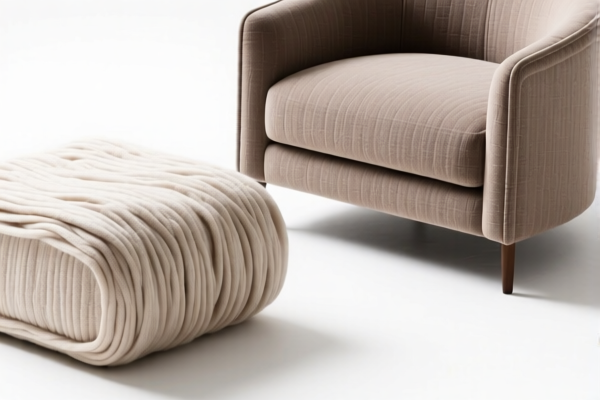
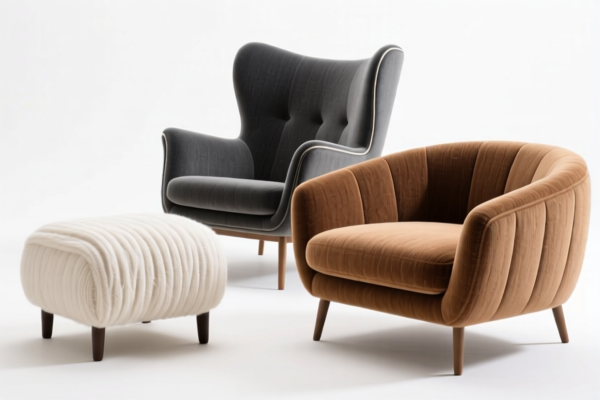
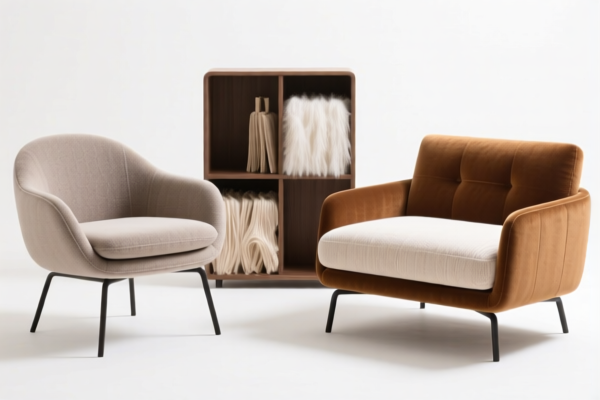
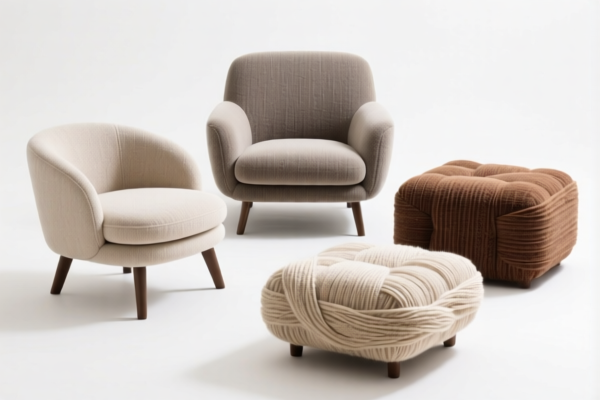
AI Analysis
🏠 Home Appliances (General Household Articles & Electrical Appliances)
🌐 HS Code Reference & Customs Clearance Guide | 2026 Latest Tariff Analysis | Strategic Compliance Strategy
📌 I. Product Definition & Classification: What Exactly Are "Home Appliances"?
"Home Appliances" is a broad term in international trade, covering two main categories: 1. Electrical Home Appliances: Devices powered by electricity (motors, heating elements) for household use. 2. Non-Electrical Household Articles: Utensils, tableware, and containers made of plastic, ceramic, or other materials.
⚠️ Critical Distinction:
- If the item is powered (plugs in, batteries), it generally falls under Chapter 85 (Electrical Machinery).
- If the item is non-electrical (cups, bowls, plastic containers), it falls under Chapter 39 (Plastics) or Chapter 69 (Ceramics).
- Misclassification Risk: Declaring a ceramic mug as an "electronic device" or a blender as "plastic waste" will lead to seizures, fines, or excessive duties.
📦 II. HS Code Classification Matrix (2026 Latest Tariff对照)
Based on the provided data, here are the five potential HS Codes for "Home Appliances" with their specific logic and tax implications.
| HS Code | Product Description | Material/Type | Application Logic |
|---|---|---|---|
8509.80.10.00 |
Electrical Mechanical Appliances | Electric/Mechanical | "Home appliances" match this category. No material conflict. Low base duty. |
8509.80.50.95 |
Other Electrical Appliances | Electric/Mechanical | Generic "electric household appliances." Consistent usage, no structural conflict. |
3924.90.56.50 |
Other Plastic Tableware/Household Articles | Plastic | "Household articles" is a residual category. No material conflict (assumed plastic). High "Section 301/122" duty. |
3924.10.40.00 |
Plastic Tableware, Kitchenware, Household Articles | Plastic | Explicitly matches "Tableware/kitchenware." Inferred to be plastic. |
6911.90.00.50 |
Ceramic Tableware/Household Articles | Ceramic | Matches "Ceramic household and toilet articles." Inferred to be ceramic. |
🔍 Key Insight:
The term "Home Appliances" is ambiguous. You must know the material and power source. - Electric? → Look at8509codes. - Plastic? → Look at3924codes. - Ceramic? → Look at6911code.
💰 III. 2026 Tariff Rate Breakdown (Detailed Tax Clauses)
✅ Applicable Country: United States (US)
✅ Origin: China (CN)
✅ Effective Date: Post-2025 (Including Section 301 & "122 Clause" tariffs)
🎯 1. 8509.80.10.00 – Electrical Mechanical Appliances (Lowest Risk Base)
| Item | Content |
|---|---|
| Base Duty | 0.0% |
| Section 301 (Add-on) | 0.0% |
| "122 Clause" Surcharge | 10% |
| Total Rate | 10.0% |
| Tax Detail | Base: 0.0% + Section 301: 0.0% + 122 Clause: 10% |
| Legal Basis | IEEPA/USITC specific to electrical machinery residual |
📌 Analysis:
This is the most favorable option for electrical appliances. With a 0% base tariff, the total cost is driven solely by the "122 Clause" surcharge. Ideal for general household electrical gadgets.
🎯 2. 8509.80.50.95 – Other Electrical Appliances
| Item | Content |
|---|---|
| Base Duty | 4.2% |
| Section 301 (Add-on) | 0.0% |
| "122 Clause" Surcharge | 10% |
| Total Rate | 14.2% |
| Tax Detail | Base: 4.2% + Section 301: 0.0% + 122 Clause: 10% |
| Legal Basis | Residual electrical machinery categories |
📌 Analysis:
Slightly higher due to the 4.2% base duty. Use this if8509.80.10.00does not fit the specific technical specifications of the device.
🎯 3. 3924.90.56.50 – Other Plastic Household Articles (High Penalty Zone)
| Item | Content |
|---|---|
| Base Duty | 3.4% |
| Section 301 (Add-on) | 7.5% |
| "122 Clause" Surcharge | 10% |
| Total Rate | 20.9% |
| Tax Detail | Base: 3.4% + Section 301: 7.5% + 122 Clause: 10% |
| Legal Basis | Plastics Article 301 Tariff List |
📌 Analysis:
⚠️ High Risk! This category carries a 7.5% Section 301 tariff on top of the base duty. Plastic household items are heavily scrutinized. Ensure the product is indeed "other" (not standard tableware) to justify this code, otherwise, it might be classified differently.
🎯 4. 3924.10.40.00 – Plastic Tableware/Kitchenware
| Item | Content |
|---|---|
| Base Duty | 3.4% |
| Section 301 (Add-on) | 0.0% |
| "122 Clause" Surcharge | 10% |
| Total Rate | 13.4% |
| Tax Detail | Base: 3.4% + Section 301: 0.0% + 122 Clause: 10% |
| Legal Basis | Plastics Tableware Specific |
📌 Analysis:
Optimal for Plastic Tableware. It avoids the 7.5% Section 301 penalty. If your "home appliance" is actually a plastic lunchbox, cup, or kitchen utensil, this is the cheapest option at 13.4%.
🎯 5. 6911.90.00.50 – Ceramic Household Articles
| Item | Content |
|---|---|
| Base Duty | 5.4% |
| Section 301 (Add-on) | 7.5% |
| "122 Clause" Surcharge | 10% |
| Total Rate | 22.9% |
| Tax Detail | Base: 5.4% + Section 301: 7.5% + 122 Clause: 10% |
| Legal Basis | Ceramics Article 301 Tariff List |
📌 Analysis:
Most Expensive. Ceramic items face the highest base duty (5.4%) and the full Section 301 surcharge (7.5%). Only use this for genuine ceramic products (plates, mugs, vases).
🛠️ IV. Customs Clearance Practical Advice (Avoiding Pitfalls)
✅ 1. Documentation Checklist (Must-Have)
| Document | Required? | Reason |
|---|---|---|
| ✅ Product Photo | ✔️ | Must clearly show if the item is electric (cord/plug) or non-electric. |
| ✅ Material Statement | ✔️ | Explicitly state: "100% Plastic," "Ceramic," "Stainless Steel," etc. |
| ✅ Function Description | ✔️ | e.g., "Electric Blender," "Plastic Storage Container," "Ceramic Plate." |
| ✅ Invoice | ✔️ | Describe items accurately. Do NOT use generic "Home Appliance." Use specific terms like "Kitchen Utensil" or "Electric Mixer." |
✅ 2. Declaration Strategy (Key Tips)
🔥 "Power? Material? Be Specific!"
| Scenario | Recommended HS Code | Why? |
|---|---|---|
| Electric Kettle, Blender, Fan | 8509.80.10.00 |
Lowest tax (10%). Fits "Electrical Mechanical Appliances." |
| Electric Toothbrush, Heater | 8509.80.50.95 |
Fits "Other Electrical Appliances." Tax: 14.2%. |
| Plastic Lunchbox, Cutting Board | 3924.10.40.00 |
Fits "Plastic Tableware." Avoids 7.5% Section 301. Tax: 13.4%. |
| Plastic Trash Can, Bucket | 3924.90.56.50 |
Fits "Other Household Articles." Note: Higher tax (20.9%) due to Section 301. |
| Ceramic Plate, Mug, Vase | 6911.90.00.50 |
Only for Ceramics. High tax (22.9%) unavoidable. |
✅ 3. Critical Warnings
- ❌ Don't "Over-Classify" Plastic Items as Electrical: If a plastic item has no motor, do not classify it under
8509. It will be rejected as "Incorrect Classification." - ❌ Don't Ignore Material: Customs will inspect the material. If you declare
3924.10.40.00(Plastic) but the item is Ceramic, you will face fines and back taxes. - ⚠️ Section 301 Impact: Products under
3924.90and6911attract a 7.5% additional tariff. If you can argue the item is "Tableware" (3924.10), you save this cost.
🌍 V. Market Comparison (2026 Outlook)
| Market | Typical HS Code | Base Duty | Section 301 / Surcharge | Total Est. Cost |
|---|---|---|---|---|
| 🇺🇸 USA | 8509 / 3924 / 6911 |
0-5.4% | 0-10% (122 Clause) + 0-7.5% (301) | 10% - 22.9% |
| 🇨🇳 China | Similar Codes | 0-10% | None | 0% - 15% |
| 🇪🇺 EU | Similar Codes | 0-6.5% | None (Generally) | 0% - 12% |
📌 Conclusion:
The US market imposes significant "122 Clause" and "Section 301" tariffs. Accurate material and functional classification is the #1 way to reduce duty costs.
📌 VI. Common Errors & How to Fix Them
❌ Error 1: Declaring all "Kitchen Items" under one HS Code.
👉 Fix: Separate Electric (8509) from Non-Electric (3924/6911).
❌ Error 2: Using "Home Appliance" as the product name.
👉 Fix: Use specific names: "Electric Hand Mixer" or "Plastic Food Container."
❌ Error 3: Ignoring the "122 Clause."
👉 Fix: Budget for an additional 10% on all these codes regardless of base duty. This is a fixed cost for China-origin goods under this specific clause.
🎯 VII. Final Recommendation
🎯 For Electrical Items:
Prioritize 8509.80.10.00 (10% Total). It is the most tax-efficient for electric household goods.
🎯 For Plastic Items:
Try to classify as 3924.10.40.00 (13.4% Total) if they are tableware/kitchenware. Avoid 3924.90.56.50 (20.9%) unless necessary, to save on the 7.5% Section 301 duty.
🎯 For Ceramic Items:
Accept 6911.90.00.50 (22.9% Total). No major savings available here.
📌 Pro Tip:
Always provide photos and material specs with your commercial invoice. Customs officers make decisions based on what they see. Clear documentation prevents delays and ensures you get the lowest possible duty rate under the new 2026 tariff structures.
✨ Smart Classification = Lower Costs
💼 Don't let ambiguity cost you 10-20% in taxes!
Customer Reviews
About HS Code Classification
The Harmonized System (HS) is an internationally standardized nomenclature developed by the World Customs Organization (WCO) to classify traded products. Over 200 countries use the HS system as the basis for customs tariffs, trade statistics, and import/export regulations.
Each HS code follows a hierarchical structure:
- Chapter (2 digits) — Broad category of goods (e.g., Chapter 84: Machinery and Mechanical Appliances)
- Heading (4 digits) — More specific grouping within the chapter
- Subheading (6 digits) — Internationally standardized breakdown, used by all WCO member countries
- National subdivisions (8-10 digits) — Country-specific extensions for further classification, such as US HTSUS 10-digit codes
Correct HS code classification is essential for smooth customs clearance, accurate duty payment, and compliance with trade regulations. Misclassification can lead to customs delays, overpayment of duties, or penalties.
When importing from CN to US, the applicable tariff rates may include:
- Most-Favored-Nation (MFN) rate — The standard duty rate applied to WTO members
- General rate — Applied to countries without trade agreements
- Trade remedy duties — Additional tariffs such as Section 301 (anti-dumping), Section 232 (national security), or countervailing duties
The information provided on this page is for reference purposes only. For official classification, please consult with your local customs authority or a licensed customs broker.