Home Decor Ornaments
CN → US| HS Code | Tariff Rate | Origin | Destination | Doc |
|---|---|---|---|---|
| 6913105000 | 17.5% | CN | US | Official Doc |
| 6913905000 | 23.5% | CN | US | Official Doc |
| 4420908000 | 38.2% | CN | US | Official Doc |
| 4420190000 | 13.2% | CN | US | Official Doc |
| 7018905000 | 41.6% | CN | US | Official Doc |
Product Images
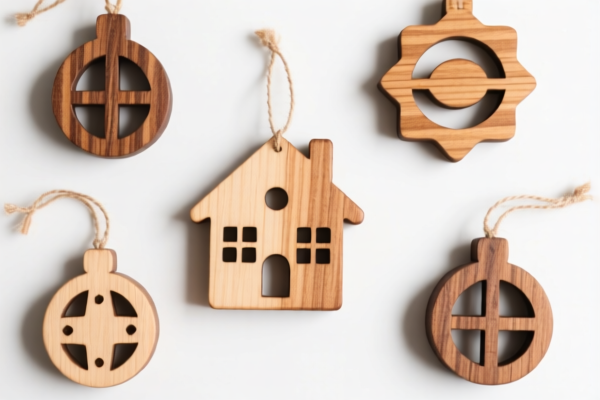
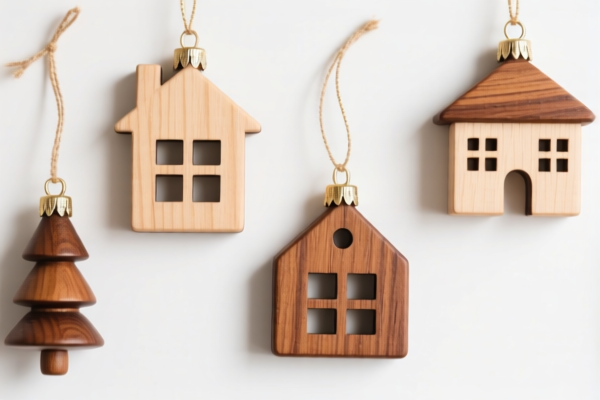
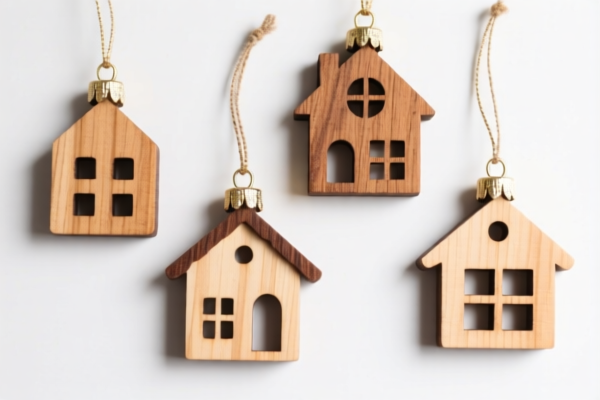

AI Analysis
🏡 Home Decor Ornaments (Decorative Articles)
🌐 HS Code Reference & Customs Clearance Guide | 2026 Latest Tariff Analysis | Professional Compliance Strategy
📌 I. Product Definition & Classification: What Are "Home Decor Ornaments"?
Home decor ornaments are non-functional items used to beautify living spaces. In international trade, they are classified primarily by material and form. Unlike functional lighting or furniture, their value lies in aesthetics.
Key Categories: * Ceramic Ornaments: Statues, vases, figurines made of clay/ceramics. * Wooden Ornaments: Carvings, frames, or decorative wood items. * Glass Ornaments: Lampwork figures, blown glass decorative items.
⚠️ Critical Distinction:
- Material is King: Customs officials classify these strictly by raw material (Ceramic vs. Wood vs. Glass). - Function vs. Form: If the item has a functional purpose (e.g., a lamp, a clock), it may fall under a different chapter. This guide focuses on purely decorative items.
📦 II. HS Code Classification Details (2026 Latest Tariff Authority)
Based on the provided data, here are the four likely HS Codes for home decor ornaments, depending on material:
| HS Code | Product Description | Material | Use Case |
|---|---|---|---|
6913.10.50.00 |
Ceramic Ornamental Articles | Ceramic | Decorative ceramic pieces, statues, figurines |
6913.90.50.00 |
Other Ceramic Ornamental Articles | Ceramic | Other decorative ceramic items not specified elsewhere |
4420.90.80.00 |
Other Wooden Decorations | Wood | Wooden decorative items, carvings, inferred wooden material |
4420.19.00.00 |
Other Wooden Decorations | Wood | Wooden decorative items, consistent use, no material conflict |
7018.90.50.00 |
Lampwork Glass Ornaments | Glass | Glass figurines, lampwork statues, decorative glass items |
🔍 Key Insight:
- Ceramics fall under Chapter 69. - Wood falls under Chapter 44. - Glass falls under Chapter 70. - Misclassification Risk: Declaring a ceramic statue as "Wood" to avoid high tariffs will lead to severe penalties, seizures, and fines.
💰 III. 2026 Latest Tariff Rate Breakdown (Including Surcharges)
✅ Applicable Market: United States (US)
✅ Origin: China (CN)
✅ Effective Date: Current policies apply (2025-2026)
🎯 1. Ceramic Ornaments
🏺 A. 6913.10.50.00 – Ceramic Ornamental Articles
| Item | Detail |
|---|---|
| Base Tariff | 0.0% |
| Section 301 Surcharge | 7.5% |
| Section 122 Surcharge | 10.0% |
| Total Effective Tax | 17.5% |
| Tax Calculation | CIF Value × 17.5% |
| De Minimis Exemption | ❌ Not Available (High tariff items generally excluded or flagged) |
📌 Explanation:
- Despite a 0% base rate, the 7.5% Section 301 and 10% Section 122 surcharges push the total to 17.5%. - Section 122 is a specific trade remedy that adds significant cost to ceramic imports.
🏺 B. 6913.90.50.00 – Other Ceramic Ornamental Articles
| Item | Detail |
|---|---|
| Base Tariff | 6.0% |
| Section 301 Surcharge | 7.5% |
| Section 122 Surcharge | 10.0% |
| Total Effective Tax | 23.5% |
| Tax Calculation | CIF Value × 23.5% |
| De Minimis Exemption | ❌ Not Available |
📌 Explanation:
- This code carries a higher base tariff (6.0%), resulting in a 23.5% total. - Cost Impact: $1,000 worth of goods incurs $235 in duties.
🎯 2. Wooden Ornaments
🪵 A. 4420.90.80.00 – Other Wooden Decorations
| Item | Detail |
|---|---|
| Base Tariff | 3.2% |
| Section 301 Surcharge | 25.0% |
| Section 122 Surcharge | 10.0% |
| Total Effective Tax | 38.2% |
| Tax Calculation | CIF Value × 38.2% |
| De Minimis Exemption | ❌ Not Available |
📌 Explanation:
- High Tariff Alert: The 25% Section 301 surcharge significantly increases costs. - This is one of the most expensive categories for Chinese wood imports due to aggressive trade measures.
🪵 B. 4420.19.00.00 – Other Wooden Decorations (Specific Subcategory)
| Item | Detail |
|---|---|
| Base Tariff | 3.2% |
| Section 301 Surcharge | 0.0% |
| Section 122 Surcharge | 10.0% |
| Total Effective Tax | 13.2% |
| Tax Calculation | CIF Value × 13.2% |
| De Minimis Exemption | ⚠️ Check Specific Exclusions |
📌 Explanation:
- Optimization Opportunity: This code has 0% Section 301 surcharge. - Total Tax: Only 13.2%, making it significantly cheaper than4420.90.80.00. - Requirement: Must meet specific criteria for this subheading (e.g., specific type of wood carving or decoration).
🎯 3. Glass Ornaments
💎 7018.90.50.00 – Lampwork Glass Ornaments
| Item | Detail |
|---|---|
| Base Tariff | 6.6% |
| Section 301 Surcharge | 25.0% |
| Section 122 Surcharge | 10.0% |
| Total Effective Tax | 41.6% |
| Tax Calculation | CIF Value × 41.6% |
| De Minimis Exemption | ❌ Not Available |
📌 Explanation:
- Highest Tariff: At 41.6%, this is the most expensive option. - Impact: $1,000 of glass ornaments results in $416 in duties. - Recommendation: Highly discouraged unless value-added margin is very high.
🛠️ IV. Customs Clearance Practical Advice (Real-World Pitfall Guide)
✅ 1. Documentation Checklist (Must-Haves)
| Document | Required | Notes |
|---|---|---|
| ✅ Commercial Invoice | ✔️ | Must specify material (e.g., "Ceramic Figurine," not just "Decor") |
| ✅ Packing List | ✔️ | Detail weight, dimensions, and item count |
| ✅ Product Photos | ✔️ | Show material texture (porcelain vs. ceramic, wood grain) |
| ✅ Material Certificate | ✔️ | If claimed as specific wood or glass type |
| ✅ Country of Origin Cert | ✔️ | Crucial for applying correct surcharges |
| ✅ HTS Code Justification | ✔️ | Brief explanation of why specific HS code was chosen |
✅ 2. Declaration Tips (Crucial for Accuracy)
🔥 "Material First, Function Second, HS Code Third!"
| Scenario | Correct Declaration | Wrong Approach |
|---|---|---|
| Ceramic Statue | 6913.10.50.00 "Ceramic Ornamental Statue" |
Vague: "Home Decor" |
| Wooden Carving | 4420.19.00.00 "Wooden Decorative Carving" |
Vague: "Wood Item" |
| Glass Figurine | 7018.90.50.00 "Lampwork Glass Ornament" |
Vague: "Glass Decor" |
| Mixed Box | Split Declaration | Mixed declaration → Seizure Risk |
⚠️ Warning:
- Never declare wooden items as "Ceramic" to save on Section 301 tariffs. US Customs (CBP) uses X-ray and physical inspections to verify material. - De Minimis ($800): Do NOT rely on de minimis for these items. High tariffs (17.5% - 41.6%) mean even small shipments incur significant duties, and misuse of de minimis for high-tariff goods is heavily penalized.
✅ 3. Special Case Handling
| Situation | Advice |
|---|---|
| Mixed Material Items | If a statue has a wooden base and ceramic body, declare separately or as the primary material. |
| LED-Embedded Decor | If it has lighting, it may fall under Chapter 94 (Furniture/Lighting), not Chapter 69/44/70. Re-evaluate HS Code. |
| Antiques | If over 100 years old, different rules may apply. Provide proof of age. |
| High-Value Art | For fine art pieces, consider "Art Works" classification if applicable, which may have different duties. |
🌍 V. Global Market Comparison (2026)
| Country/Region | Recommended HS Code | Base Tariff | Additional Surcharges | Total Effective Tax | Notes |
|---|---|---|---|---|---|
| 🇺🇸 USA | 6913.10.50.00 (Ceramic) |
0.0% | 7.5% (301) + 10% (122) | 17.5% | High due to Section 122 |
| 🇺🇸 USA | 4420.90.80.00 (Wood) |
3.2% | 25.0% (301) + 10% (122) | 38.2% | Very High Tariff |
| 🇺🇸 USA | 4420.19.00.00 (Wood) |
3.2% | 0.0% (301) + 10% (122) | 13.2% | Best Option for Wood |
| 🇺🇸 USA | 7018.90.50.00 (Glass) |
6.6% | 25.0% (301) + 10% (122) | 41.6% | Highest Tariff |
| 🇨🇳 China | 6913.10.50.00 |
30.0% | None | 30.0% | Import into China is costly |
| 🇪🇺 EU | 6913.10.00 |
2.7% | None | 2.7% | No Section 301/122 |
📌 Conclusion:
- USA is the most expensive market due to Section 301 and Section 122 surcharges. - EU and other markets do not have these surcharges, making them more competitive for Chinese exports. - Wooden items (4420.19.00.00) offer the best tariff optimization in the US.
📌 VI. Common Mistakes & Pitfall Guide (Lessons Learned)
❌ Mistake 1: Declaring all "Home Decor" under one HS Code
👉 Consequence: Customs rejects the declaration, demands detailed breakdown, delays shipment, and may assess higher penalties.
❌ Mistake 2: Ignoring Section 122 for Ceramics
👉 Consequence: Underpayment of duties. Section 122 adds 10% on top of 301. Total miscalculation leads to back-taxes and interest.
❌ Mistake 3: Using De Minimis for High-Tariff Items
👉 Consequence: CBP increasingly scrutinizes de minimis shipments. High-tariff items (like glass ornaments at 41.6%) are flagged. Do not use de minimis for these.
❌ Mistake 4: Misdeclaring Wood as Ceramic
👉 Consequence: Seizure of goods, fines, and potential loss of import privileges. Material verification is rigorous.
✅ Best Practice:
"Ceramic Ornamental Statue, Glazed, 10cm Height, Model XYZ, Origin: China"
"Wooden Decorative Carving, Pine Wood, 20cm Length, Model ABC, Origin: China"
🎯 VII. Conclusion: Strategic Sourcing for Profitability
🎯 Key Takeaways:
🔹 Ceramics: 17.5% (Code
6913.10.50.00) is more favorable than 23.5% (Code6913.90.50.00).
🔹 Wood:4420.19.00.00(13.2%) is significantly cheaper than4420.90.80.00(38.2%). Optimize your product design to fit this subheading.
🔹 Glass: At 41.6%, glass ornaments are the most expensive. Consider sourcing from non-China countries if possible, or absorb the cost in pricing.
🔹 No De Minimis: Plan for full duty payments. Do not rely on the $800 exemption.
📌 Recommendation:
- For Wooden Items: Consult with your supplier to ensure the product fits the
4420.19.00.00subheading criteria to save 25%.- For Ceramics: Use
6913.10.50.00to minimize tariff impact.- For Glass: Re-evaluate pricing strategy or explore alternative materials.
📣 Immediate Action:
📞 Pre-Ruling Request: Submit an Advance Ruling request to US CBP for your specific product designs.
🚀 Supply Chain Audit: Verify material origins and ensure accurate HS code classification for each SKU.
💼 Cost Modeling: Recalculate landed costs using the exact rates provided (17.5%, 23.5%, 38.2%, 13.2%, 41.6%).
✨ Professional Customs Clearance Starts with Accurate Classification!
💼 Every Percent Saved in Duties is Pure Profit!
Customer Reviews
About HS Code Classification
The Harmonized System (HS) is an internationally standardized nomenclature developed by the World Customs Organization (WCO) to classify traded products. Over 200 countries use the HS system as the basis for customs tariffs, trade statistics, and import/export regulations.
Each HS code follows a hierarchical structure:
- Chapter (2 digits) — Broad category of goods (e.g., Chapter 84: Machinery and Mechanical Appliances)
- Heading (4 digits) — More specific grouping within the chapter
- Subheading (6 digits) — Internationally standardized breakdown, used by all WCO member countries
- National subdivisions (8-10 digits) — Country-specific extensions for further classification, such as US HTSUS 10-digit codes
Correct HS code classification is essential for smooth customs clearance, accurate duty payment, and compliance with trade regulations. Misclassification can lead to customs delays, overpayment of duties, or penalties.
When importing from CN to US, the applicable tariff rates may include:
- Most-Favored-Nation (MFN) rate — The standard duty rate applied to WTO members
- General rate — Applied to countries without trade agreements
- Trade remedy duties — Additional tariffs such as Section 301 (anti-dumping), Section 232 (national security), or countervailing duties
The information provided on this page is for reference purposes only. For official classification, please consult with your local customs authority or a licensed customs broker.