Home Storage Box
CN → US| HS Code | Tariff Rate | Origin | Destination | Doc |
|---|---|---|---|---|
| 4420908000 | 38.2% | CN | US | Official Doc |
| 4202929315 | 52.6% | CN | US | Official Doc |
| 3926901000 | 20.9% | CN | US | Official Doc |
| 4202926010 | 41.3% | CN | US | Official Doc |
| 3926909989 | 22.8% | CN | US | Official Doc |
Product Images
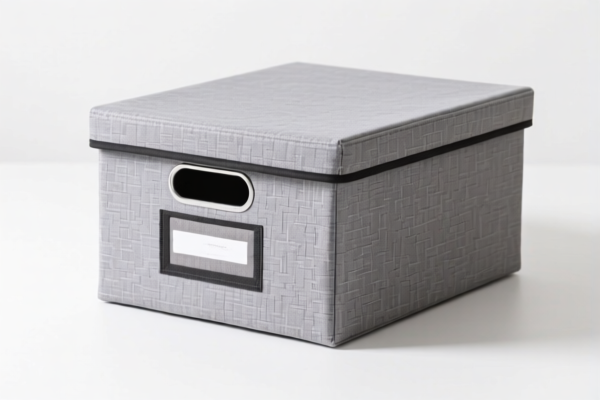
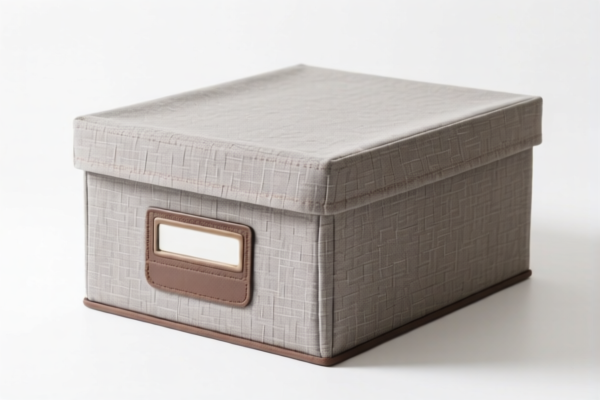
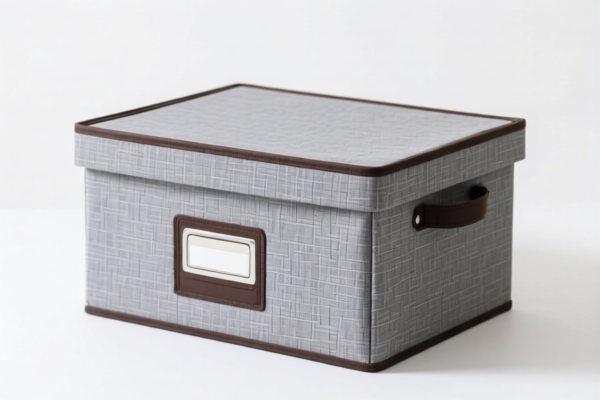
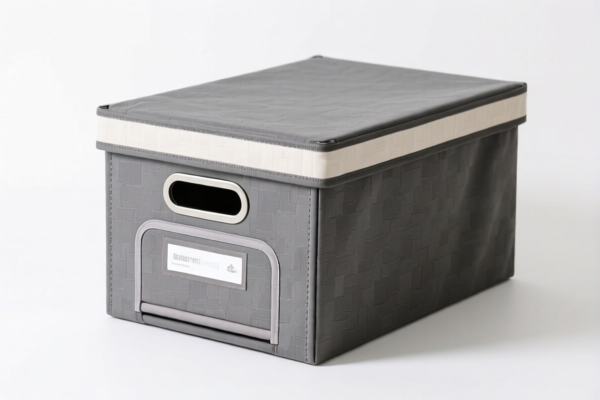
AI Analysis
📦 Home Storage Box (The "Universal" Container Dilemma)
🌐 HS Code Reference & Customs Clearance Guide | 2026 Latest Tariff Analysis | Material-Specific Classification Strategy
📌 I. Product Definition: Why "One Box" Has Five Faces?
A "Home Storage Box" is a generic term that masks significant material differences. In international trade (specifically US Customs), material dictates destiny. A wooden box and a plastic box may look similar, but they fall into entirely different chapters of the Harmonized Tariff Schedule (HTSUS), leading to vastly different tax liabilities.
⚠️ Key Distinction:
- Wood: Falls under Chapter 44 (Wood and Articles of Wood).
- Textiles/Fabrics: Falls under Chapter 42 (Articles of Leather; Saddle Harness; Trunk...).
- Plastics: Falls under Chapter 39 (Articles of Plastic).
📦 II. HS Code Classification Matrix (Based on Provided Data)
| HS Code | Material Basis | Summary Description | Tax Category |
|---|---|---|---|
| 4420.90.80.00 | 🪵 Wood | Storage boxes made of wood, classified as jewelry boxes, cutlery boxes, or similar wooden articles. | Low Base Tax |
| 4202.92.93.15 | 🧵 Textile/Fabric | Storage boxes with an outer surface of textile materials or where no material conflict exists, classified as containers. | High Base Tax |
| 3926.90.10.00 | 🧪 Plastic (General) | Plastic storage boxes classified as other plastic articles (containers). | Lowest Base Tax |
| 4202.92.60.10 | 🧵/🧪 Jewelry Box Form | Jewelry boxes or similar containers, potentially made of plastic or textile. | Medium-High Base Tax |
| 3926.90.99.89 | 🧪 Plastic (Other) | Plastic storage boxes classified as "other plastic articles" (not specifically containers). | Low-Medium Base Tax |
💰 III. 2026 Tariff Rate Breakdown (US Imports from China)
✅ Applicable Country: United States (US)
✅ Origin: China (CN)
✅ Components: Base Duty + Section 301 (Section 9903) + Section 122 (IEEPA)
🎯 1. 4420.90.80.00 — Wooden Storage/Jewelry Boxes
| Item | Detail |
|---|---|
| Base Duty | 3.2% |
| Section 301 (25%) | +25.0% (High tariff impact) |
| Section 122 (10%) | +10.0% |
| Total Effective Rate | 38.2% |
| Legal Basis | USITC:4420.90.80.00 → FOOTNOTE:9903.01.24 (25%) + IEEPA:9903.01.25 (10%) |
📌 Analysis:
While the base duty is low (3.2%), the 25% Section 301 tariff heavily penalizes wood products. This is a standard high-tariff category for Chinese wood goods.
🎯 2. 4202.92.93.15 — Textile/ fabric Storage Boxes
| Item | Detail |
|---|---|
| Base Duty | 17.6% |
| Section 301 (25%) | +25.0% |
| Section 122 (10%) | +10.0% |
| Total Effective Rate | 52.6% |
| Legal Basis | USITC:4202.92.93.15 → FOOTNOTE:9903.01.24 (25%) + IEEPA:9903.01.25 (10%) |
📌 Analysis:
This is the HIGHEST tax bracket in the provided data.
- High base duty (17.6%) combined with 25% + 10% surcharges makes textiles the most expensive option.
- Risk: High. Avoid this code unless the product is exclusively textile and cannot be reclassified.
🎯 3. 3926.90.10.00 — Plastic Storage Boxes (Container Class)
| Item | Detail |
|---|---|
| Base Duty | 3.4% |
| Section 301 (7.5%) | +7.5% (Lower Section 301 rate for some plastics) |
| Section 122 (10%) | +10.0% |
| Total Effective Rate | 20.9% |
| Legal Basis | USITC:3926.90.10.00 → FOOTNOTE:9903.01.23 (7.5%) + IEEPA:9903.01.25 (10%) |
📌 Analysis:
This is the OPTIMAL code for plastic containers.
- The Section 301 tariff is significantly lower (7.5% vs 25%).
- Base duty is minimal.
- Strategy: If your box is plastic, ensure it is explicitly described as a "container" to fit this code.
🎯 4. 4202.92.60.10 — Jewelry Box Form (Plastic/Textile)
| Item | Detail |
|---|---|
| Base Duty | 6.3% |
| Section 301 (25%) | +25.0% |
| Section 122 (10%) | +10.0% |
| Total Effective Rate | 41.3% |
| Legal Basis | USITC:4202.92.60.10 → FOOTNOTE:9903.01.24 (25%) + IEEPA:9903.01.25 (10%) |
📌 Analysis:
- Even if made of plastic, if it is classified as a "jewelry box" under Chapter 42, it attracts the 25% Section 301 tariff.
- Trap: Do not use "Jewelry Box" as the description if you can avoid it, unless it is truly jewelry storage, as it incurs a 41.3% total tax.
🎯 5. 3926.90.99.89 — Other Plastic Articles
| Item | Detail |
|---|---|
| Base Duty | 5.3% |
| Section 301 (7.5%) | +7.5% |
| Section 122 (10%) | +10.0% |
| Total Effective Rate | 22.8% |
| Legal Basis | USITC:3926.90.99.89 → FOOTNOTE:9903.01.23 (7.5%) + IEEPA:9903.01.25 (10%) |
📌 Analysis:
- Similar to3926.90.10.00, this plastic code benefits from the lower 7.5% Section 301 rate.
- Slightly higher base duty (5.3% vs 3.4%) makes it the second-best option for plastics.
🛠️ IV. Customs Clearance Strategy & Recommendations
✅ 1. Material First: The Golden Rule
Tax rates are driven by material, not function.
- Wood → 38.2%
- Textile → 52.6% (Avoid if possible)
- Plastic → 20.9% - 22.8% (Best Option)
Recommendation:
- If designing a new product, choose Plastic to minimize tariff impact.
- If you must use Wood, accept the 38.2% rate.
- If you must use Textile, budget for the 52.6% rate or consider re-engineering to plastic/composite.
✅ 2. Description is Critical
Customs officers rely on your Commercial Invoice description.
| If Your Product Is... | Use This Description | Avoid This Description |
|---|---|---|
| Plastic Box | "Plastic Storage Container, Molded Polypropylene" | "Jewelry Box" (Triggers 41.3%) |
| Wooden Box | "Wooden Storage Box for Household Use" | "Chest" (May trigger different codes) |
| Fabric Box | "Textile Fabric Storage Cube" | "Bakery Box" (May change HS Code) |
⚠️ Warning:
- Calling a plastic box a "Jewelry Box" (4202.92.60.10) jumps your tax from 20.9% to 41.3%.
- Never over-specify "Jewelry" unless it is exclusively for jewelry.
✅ 3. Section 122 (IEEPA) Impact
All codes listed include a +10% Section 122 tariff (IEEPA).
- This is a fixed surcharge on most Chinese imports in 2026.
- It applies to ALL 5 codes above.
- No mitigation possible for this specific 10% unless you change the Country of Origin.
✅ 4. Pre-shipment Checklist
- Material Verification: Confirm the primary outer surface material.
- Wood? →
4420.90.80.00 - Plastic? →
3926.90.10.00(Best) or3926.90.99.89 - Textile? →
4202.92.93.15(High Tax)
- Wood? →
- Function Check: Is it strictly for storage? If it’s for jewelry, be aware of the "Jewelry Box" classification trap (
4202.92.60.10). - Invoice Accuracy:
- Include: Material, Dimensions, Brand, Model.
- Exclude: Ambiguous terms like "Gift Box" or "Display Case" unless accurate.
🌍 V. Quick Comparison Summary
| Material | HS Code | Base Tax | Sec 301 | Sec 122 | Total Tax | Verdict |
|---|---|---|---|---|---|---|
| Plastic | 3926.90.10.00 |
3.4% | 7.5% | 10% | 20.9% | 🟢 Best Choice |
| Plastic | 3926.90.99.89 |
5.3% | 7.5% | 10% | 22.8% | 🟡 Good Alternative |
| Wood | 4420.90.80.00 |
3.2% | 25.0% | 10% | 38.2% | 🔴 High Tax |
| Jewelry Form | 4202.92.60.10 |
6.3% | 25.0% | 10% | 41.3% | 🔴 Avoid (High Tax) |
| Textile | 4202.92.93.15 |
17.6% | 25.0% | 10% | 52.6% | 🚫 Highest Tax |
📌 VI. Common Pitfalls & Solutions
❌ Pitfall 1: Calling a plastic box a "Jewelry Box" to make it sound premium.
✅ Solution: Stick to "Storage Box" or "Organizer" to qualify for the lower plastic tariff (3926.90.10.00).
❌ Pitfall 2: Assuming all plastics have the same tax rate.
✅ Solution: Ensure the product is classified as a "Container" (3926.90.10.00) rather than "Other" (3926.90.99.89) to save 1.9% on the base duty.
❌ Pitfall 3: Ignoring the Section 122 10% surcharge.
✅ Solution: Factor this 10% into all cost calculations. It is mandatory for Chinese goods in 2026.
🎯 VII. Final Advice
🔹 "Material is King, Description is Queen."
🔹 "Plastic saves you 30%+ vs. Wood or Textile."
🔹 "Avoid 'Jewelry Box' unless you are ready to pay 41.3%."
📌 Pro Tip:
If you are importing Wood or Textile boxes, consider Value Engineering:
- Can you use a plastic interior liner?
- Can you use a composite material that classifies as plastic?
📣 Action Item:
Review your Bill of Materials (BOM). If >50% of the surface is plastic, use
3926.90.10.00.
If >50% is wood, use4420.90.80.00.
If >50% is textile, prepare for the 52.6% hit or switch materials.
✨ Smart Customs, Higher Margins!
💼 Every percentage point saved is pure profit.
Customer Reviews
About HS Code Classification
The Harmonized System (HS) is an internationally standardized nomenclature developed by the World Customs Organization (WCO) to classify traded products. Over 200 countries use the HS system as the basis for customs tariffs, trade statistics, and import/export regulations.
Each HS code follows a hierarchical structure:
- Chapter (2 digits) — Broad category of goods (e.g., Chapter 84: Machinery and Mechanical Appliances)
- Heading (4 digits) — More specific grouping within the chapter
- Subheading (6 digits) — Internationally standardized breakdown, used by all WCO member countries
- National subdivisions (8-10 digits) — Country-specific extensions for further classification, such as US HTSUS 10-digit codes
Correct HS code classification is essential for smooth customs clearance, accurate duty payment, and compliance with trade regulations. Misclassification can lead to customs delays, overpayment of duties, or penalties.
When importing from CN to US, the applicable tariff rates may include:
- Most-Favored-Nation (MFN) rate — The standard duty rate applied to WTO members
- General rate — Applied to countries without trade agreements
- Trade remedy duties — Additional tariffs such as Section 301 (anti-dumping), Section 232 (national security), or countervailing duties
The information provided on this page is for reference purposes only. For official classification, please consult with your local customs authority or a licensed customs broker.