Home Textile Armrest Pad
CN → US| HS Code | Tariff Rate | Origin | Destination | Doc |
|---|---|---|---|---|
| 9404909605 | 17.3% | CN | US | Official Doc |
| 6304910170 | 23.3% | CN | US | Official Doc |
| 9404901030 | 22.8% | CN | US | Official Doc |
Product Images
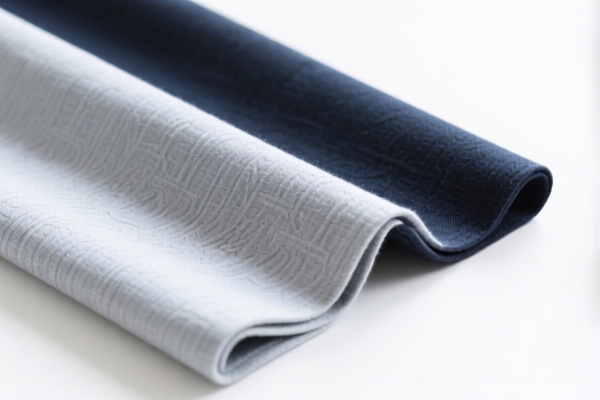
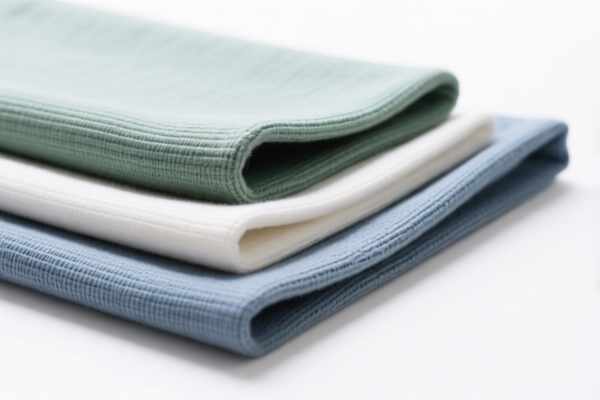
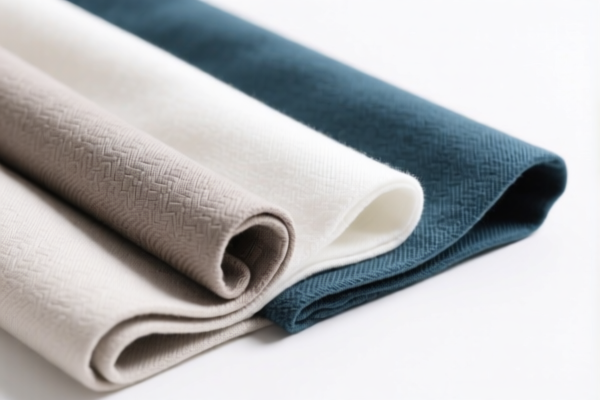
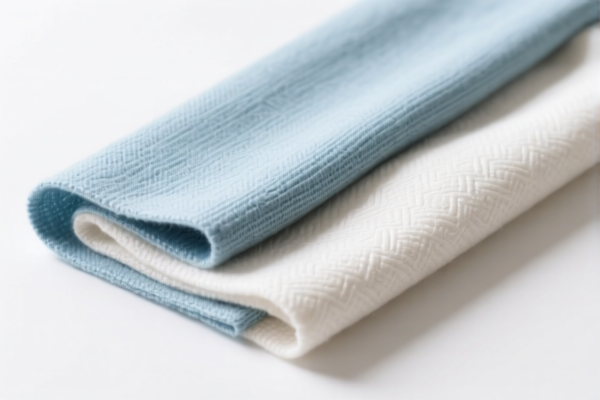
AI Analysis
🛋️ Home Textile Armrest Pad (Furniture Accessories)
🌐 HS Code Reference & Customs Clearance Guide | 2026 Latest Tariff Analysis | Professional Strategy for Home Textiles
📌 I. Product Definition: What is an "Armrest Pad"?
The Home Textile Armrest Pad is a soft furnishing accessory designed to protect, cushion, or decorate the armrests of sofas, chairs, and other furniture. In international trade, it is classified primarily under Chapter 94 (Furniture) or Chapter 63 (Other Made-up Textile Articles).
Key Distinction Criteria: * Primary Function: Is it primarily a furniture part (protecting the chair/sofa structure) or a general textile article (like a blanket or towel)? * Material Composition: Is it made of cotton, silk, wool, or other fibers? * Form Factor: Does it resemble a pillow/cushion (indicative of Ch. 94) or a flat/rectangular textile piece (indicative of Ch. 63)?
⚠️ Critical Classification Point:
- If it is shaped specifically as a cushion/pillow for furniture support → HS Code 9404 is highly likely.
- If it is a flat textile cover or made of non-standard upholstery fibers → HS Code 6304 may apply.
- Misclassification Risk: Declaring a furniture accessory as a general textile can lead to significant tax discrepancies due to the complex US tariff structure on Chinese goods.
📦 II. HS Code Classification Details (Based on Provided Data)
| HS Code | Product Description & Logic | Material Implication | Total Tax Rate |
|---|---|---|---|
| 9404.90.96.05 | Home Textile Armrest Pad: Classified as a "Mattress Support" or "Furniture Accessory." Form matches the "Cushion/Pillow" category. | Implied: Cotton or Fiber-based (Standard upholstery fill) | 17.3% |
| 6304.91.01.70 | Home Textile Armrest Pad: Classified as "Other Made-up Furnishing Articles." Form is textile-based but not a standard pillow. | Non-cotton, Non-silk, Non-wool (Other synthetic/blended fibers) | 23.3% |
| 9404.90.10.30 | Home Textile Armrest Pad: Form is consistent with cushions/pillows. | Implied: Cotton or Fabric (Upholstery grade) | 22.8% |
🔍 Key Insight:
- 9404 Codes (Ch. 94): Generally apply when the item is structurally a cushion/pillow used for furniture. The tax rates here range from 17.3% to 22.8%.
- 6304 Code (Ch. 63): Applies if the item is considered a general textile furnishing article (e.g., a decorative cover without bulky filling) made of specific non-natural fibers. This has the highest rate at 23.3%.
- Material Matters: The specific fiber content (Cotton vs. Other Fibers) significantly impacts the choice between 9404 and 6304 subheadings, affecting the final duty.
💰 III. Detailed Tariff Breakdown (US Market Focus)
✅ Applicable Country: United States (US)
✅ Origin: China (CN)
✅ Note: All rates include Base Duty, Section 301 (Add-on), and Section 122 (Retaliatory/Additional Tariff) where applicable.
🎯 1. 9404.90.96.05 – Armrest Pad (Cushion Type)
| Item | Detail |
|---|---|
| Base Tariff | 7.3% |
| Add-on Tariff (Sec. 301) | 0.0% |
| Section 122 Tariff | 10% |
| Total Tax Rate | 17.3% |
| Calculation Basis | CIF Value × 17.3% |
📌 Explanation:
- This code offers the lowest total tariff among the three options.
- Why 0% Add-on? Some specific 9404 subheadings may have exemptions or lower rates under Section 301, but the Section 122 (10%) retaliatory tariff still applies to Chinese origin goods.
- Strategy: If the product is clearly a "cushion/pillow" type, this is the most cost-effective classification.
🎯 2. 6304.91.01.70 – Armrest Pad (Textile Furnishing)
| Item | Detail |
|---|---|
| Base Tariff | 5.8% |
| Add-on Tariff (Sec. 301) | 7.5% |
| Section 122 Tariff | 10% |
| Total Tax Rate | 23.3% |
| Calculation Basis | CIF Value × 23.3% |
📌 Explanation:
- Despite a lower base tariff (5.8%), the Section 301 add-on (7.5%) and Section 122 (10%) push the total to the highest level.
- Material Constraint: This code is specific to non-cotton, non-silk, non-wool fibers (e.g., polyester, acrylic blends).
- Risk: If customs determines the material is cotton, this classification will be rejected, leading to re-classification and penalties.
🎯 3. 9404.90.10.30 – Armrest Pad (Cotton/Fabric Type)
| Item | Detail |
|---|---|
| Base Tariff | 5.3% |
| Add-on Tariff (Sec. 301) | 7.5% |
| Section 122 Tariff | 10% |
| Total Tax Rate | 22.8% |
| Calculation Basis | CIF Value × 22.8% |
📌 Explanation:
- Similar to the previous code, the base tariff is low (5.3%), but the add-on tariffs (7.5% + 10%) are significant.
- Material Constraint: Implies cotton or fabric composition.
- Comparison: Slightly cheaper than6304.91.01.70(22.8% vs 23.3%) but more expensive than9404.90.96.05(17.3%).
🛠️ IV. Customs Clearance Practical Advice
✅ 1. Documentation Checklist (Must-Haves)
| Document | Required? | Description |
|---|---|---|
| ✅ Product Specification Sheet | ✔️ | Must clearly state: Dimensions, Fill Material (e.g., 100% Polyester, Cotton batting), Cover Material (e.g., Cotton blend). |
| ✅ Product Photos | ✔️ | Show the item in use (on a sofa armrest) to prove it is a furniture accessory/cushion, not a flat textile. |
| ✅ Commercial Invoice | ✔️ | Description should match HS Code logic (e.g., "Furniture Armrest Cushion" vs. "Textile Cover"). |
| ✅ Packing List | ✔️ | Weight and dimensions of each package. |
| ✅ Material Declaration | ✔️ | Critical! Explicitly declare fiber content to avoid misclassification penalties. |
✅ 2. Classification Strategy & Tips
🔥 "Shape Dictates Chapter, Material Dictates Rate!"
| Scenario | Recommended HS Code | Why? |
|---|---|---|
| Puffy/Cushion Shape (Filled) | 9404.90.96.05 | Lowest total tax (17.3%). Shape matches "Cushion." |
| Flat/Unfilled Cover (Synthetic) | 6304.91.01.70 | Highest tax (23.3%). Only if made of non-natural fibers. |
| Puffy/Cushion Shape (Cotton) | 9404.90.10.30 | Mid-range tax (22.8%). If cotton content is high but not eligible for the lowest subheading. |
📌 Pro Tip:
- If your product is filled (even with thin padding), fight for 9404.90.96.05. The 5.5–6% tax savings vs. other codes is significant on high-volume shipments.
- Avoid 6304 unless you have a specific commercial reason (e.g., thin, non-cushioned slipcover) and are prepared for the higher duty.
✅ 3. Special Considerations
| Situation | Advice |
|---|---|
| Mixed Materials | If the cover is cotton but the fill is polyester, declare the dominant material. For 9404, focus on the "cushion" aspect rather than fiber purity. |
| OEM Custom Colors | Provide color fastness reports if requested, but fiber content is the primary driver for HS classification. |
| Section 122 Tariff Impact | The 10% Section 122 tariff applies to all Chinese-origin home textiles/furniture accessories in this data. There is no exemption. Factor this into your landed cost calculation. |
🌍 V. Market Comparison (2026 Overview)
| Market | HS Code Focus | Key Tariff Note |
|---|---|---|
| 🇺🇸 USA | 9404 / 6304 | High Complexity. Section 301 and Section 122 tariffs make classification critical. 9404.90.96.05 is the most economical. |
| 🇨🇳 China | 9404 / 6304 | Lower base duties, but export VAT rebates may apply. |
| 🇪🇺 EU | 9404 / 6304 | No Section 301/122. Standard EU common customs tariff applies. |
| 🇬🇧 UK | 9404 / 6304 | Post-Brexit rules may differ; check UK Trade Tariff for specific "furniture accessories" rates. |
📌 VI. Common Mistakes & Pitfalls
❌ Mistake 1: Declaring a filled cushion as a "Textile Cover" (6304)
👉 Consequence: You pay 23.3% instead of 17.3%. Overpayment of 6% duty on every shipment.
❌ Mistake 2: Ignoring Fiber Content
👉 Consequence: If you declare "Polyester" but customs finds "Cotton," they may reclassify to 9404.90.10.30 (22.8%) or reject the declaration, causing delays.
❌ Mistake 3: Forgetting Section 122 Tariff
👉 Consequence: Even if Base Duty is low, the 10% Section 122 is unavoidable for Chinese goods. Do not exclude it from cost calculations.
✅ Correct Approach:
"Armrest Cushion, 18x18 inch, Cotton Blend Cover, Polyester Fill. Classified under 9404.90.96.05 due to cushion form factor. Total Duty: 17.3%."
🎯 VII. Conclusion: Maximize Profit Through Precise Classification
🎯 Key Takeaway:
🔹 Shape is King: If it’s a cushion, aim for 9404.90.96.05 (17.3%).
🔹 Material Matters: Cotton/Fiber fills lean towards 9404; Synthetic flat textiles lean towards 6304 (higher tax).
🔹 Factor in Retaliatory Tariffs: The 10% Section 122 is a constant cost for Chinese home textiles. Optimize base duty to minimize total landed cost.
📌 Action Item:
📞 Consult your freight forwarder with clear photos and material specs.
📄 Request a Binding Tariff Ruling if shipping large volumes, to lock in the 9404.90.96.05 classification and secure the 17.3% rate.
✨ Smart Classification = Lower Costs + Faster Clearance
💼 Don’t let tariff complexity eat your margins!
Customer Reviews
About HS Code Classification
The Harmonized System (HS) is an internationally standardized nomenclature developed by the World Customs Organization (WCO) to classify traded products. Over 200 countries use the HS system as the basis for customs tariffs, trade statistics, and import/export regulations.
Each HS code follows a hierarchical structure:
- Chapter (2 digits) — Broad category of goods (e.g., Chapter 84: Machinery and Mechanical Appliances)
- Heading (4 digits) — More specific grouping within the chapter
- Subheading (6 digits) — Internationally standardized breakdown, used by all WCO member countries
- National subdivisions (8-10 digits) — Country-specific extensions for further classification, such as US HTSUS 10-digit codes
Correct HS code classification is essential for smooth customs clearance, accurate duty payment, and compliance with trade regulations. Misclassification can lead to customs delays, overpayment of duties, or penalties.
When importing from CN to US, the applicable tariff rates may include:
- Most-Favored-Nation (MFN) rate — The standard duty rate applied to WTO members
- General rate — Applied to countries without trade agreements
- Trade remedy duties — Additional tariffs such as Section 301 (anti-dumping), Section 232 (national security), or countervailing duties
The information provided on this page is for reference purposes only. For official classification, please consult with your local customs authority or a licensed customs broker.