Home Textile Fabric
CN → US| HS Code | Tariff Rate | Origin | Destination | Doc |
|---|---|---|---|---|
| 6006909000 | 35.0% | CN | US | Official Doc |
| 6302991520 | 17.5% | CN | US | Official Doc |
| 5208212040 | 43.4% | CN | US | Official Doc |
| 5208212090 | 43.4% | CN | US | Official Doc |
| 5407810020 | 49.9% | CN | US | Official Doc |
Product Images
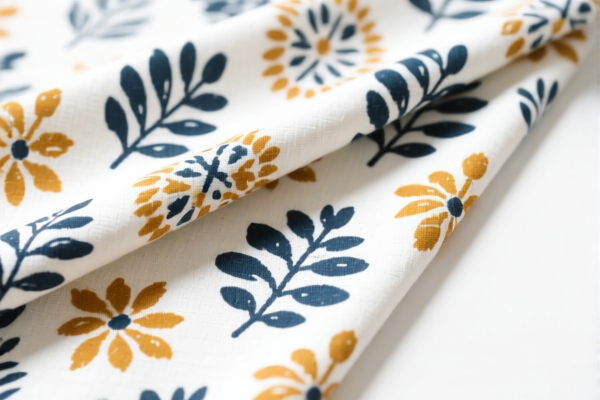
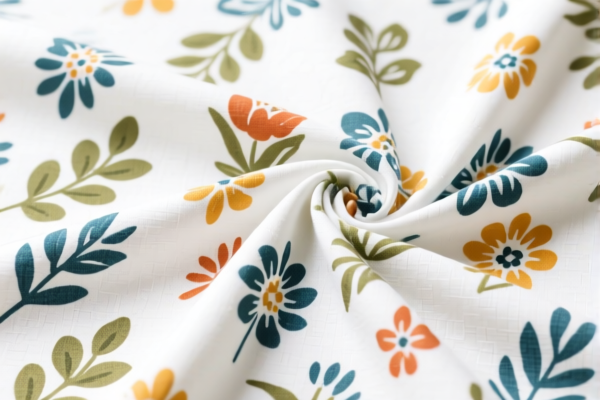
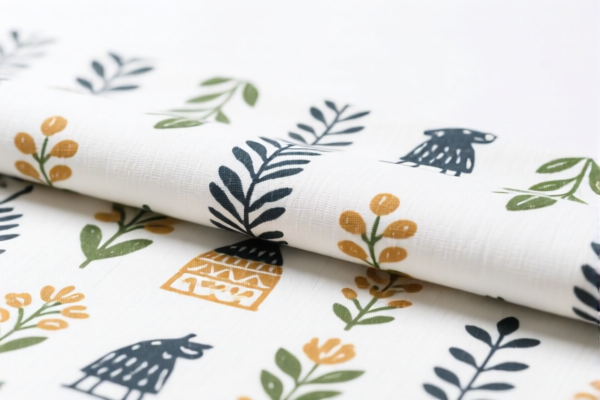
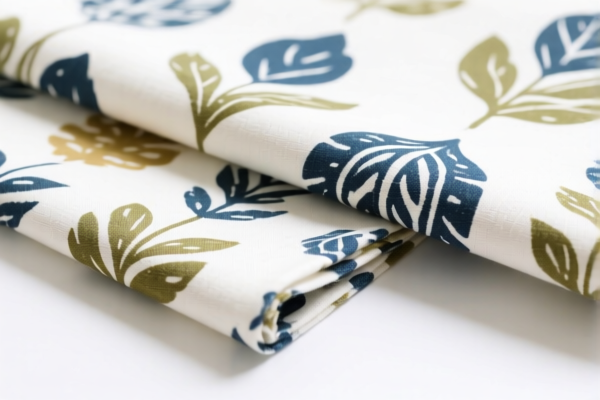
AI Analysis
🧵 Home Textile Fabric (漂白/机织/棉混纺类)
🌐 HS Code Reference & Customs Clearance Guide | 2026 Latest Tariff Analysis | Professional Clearance Strategy
📌 I. Product Definition & Classification: Do You Really Understand "Home Textile Fabric"?
Home textile fabric refers to woven materials used for household applications such as bedding, towels, curtains, and table linens. In international trade, classification depends heavily on fiber content, weave structure, and processing state (e.g., bleached, dyed).
Key Distinctions:
- Material Basis: Cotton (Ch 52), Synthetic Blends (Ch 54), or Other (Ch 60/63).
- Processing State: "Bleached" (漂白) significantly impacts tariff rates due to higher processing value and specific trade measures.
- End Use: "Home Textile" (家用纺织品) triggers specific subheadings under Chapter 63 or specific yarn-based chapters (52/54).
⚠️ Critical Classification Point:
- If the fabric is knitted/weft-knitted and not primarily for clothing, it may fall under Ch 60.
- If the fabric is woven, made of cotton, and bleached, it falls under Ch 52.
- If the fabric is woven, made of synthetic/cotton blends, and bleached, it falls under Ch 54.
- If the fabric is woven, made of other textiles, and bleached, it may fall under Ch 63.
📦 II. HS Code Classification Details (2026 Latest Tariff Authority Reference)
Based on the provided data, here are the specific HS codes, their descriptions, and corresponding tax structures.
| HS Code | Product Description & Summary | Application Scenario | Key Characteristics |
|---|---|---|---|
6006.90.90.00 |
Fabric for garments, classified under "Other" in the knitted or crocheted fabrics category. | Knitted fabrics not primarily for apparel or specific garment types. | 🧶 Knitted/Crocheted; Non-clothing specific; "Other" category. |
6302.99.15.20 |
Bleached woven fabric for home textiles; textile material used for household linens. | Bleached tablecloths, napkins, or general home textile wovens. | 🏠 Woven; Bleached; Home textile use; No specific fiber listed (likely other fibers). |
5208.21.20.40 |
Bleached woven fabric for home textiles; conforms to characteristics of bleached cotton plain weave. | Bleached cotton sheets, pillowcases, or plain weave cotton home goods. | ☁️ 100% Cotton; Plain weave; Bleached; Home textile. |
5208.21.20.90 |
Bleached woven fabric for home textiles; conforms to bleached plain weave morphology and home textile use. | Alternative subheading for bleached cotton plain weave home textiles (specifically for goods not covered by .40). | ☁️ 100% Cotton; Plain weave; Bleached; Home textile. |
5407.81.00.20 |
Bleached woven fabric for home textiles; conforms to synthetic fiber and cotton blend characteristics. | Bleached blends (e.g., Poly-Cotton) used for home textiles. | 🔀 Synthetic + Cotton Blend; Woven; Bleached; Home textile. |
🔍 Key Reminder:
- "Bleached" (漂白) is a critical descriptor. Bleached fabrics often attract higher base tariffs and specific trade measures (like Section 122 or 301 tariffs).
- Cotton vs. Synthetic: The base tariff differs significantly between pure cotton (Ch 52) and blends (Ch 54).
- Knitted vs. Woven: Knitted fabrics (Ch 60) have different tax structures compared to woven fabrics (Ch 52/54/63).
💰 III. 2026 Latest Tariff Rate Breakdown (Including Additional Taxes & Policy Surcharges)
✅ Applicable Country: United States (US)
✅ Origin: China (CN)
✅ Effective Date: 2025+ (Includes subsequent imports)
🎯 1. 6006.90.90.00 —— Knitted/Crocheted Fabric (Other)
| Item | Detail |
|---|---|
| Base Tariff | 0.0% |
| Retaliatory/Add-on Tariff | +25.0% (Section 301) |
| Section 122 Tariff | +10.0% (Targeting specific textile categories from China) |
| Total Tariff | 35.0% |
| Tax Calculation | CIF Value × 35% |
| De Minimis Exemption | ❌ Not Eligible (High tariff rate exceeds exemption thresholds) |
| Legal Basis | USITC Heading 6006.90.90.00 + Section 301 Footnote + Section 122 Statute |
📌 Explanation:
- Although the base tariff is 0%, the 25% Section 301 tariff and 10% Section 122 tariff apply, resulting in a 35% total rate.
- This classification is for knitted/crocheted fabrics not specifically for clothing.
🎯 2. 6302.99.15.20 —— Bleached Woven Home Textile (Other Fibers)
| Item | Detail |
|---|---|
| Base Tariff | 0.0% |
| Retaliatory/Add-on Tariff | +7.5% (Section 301, lower bracket) |
| Section 122 Tariff | +10.0% |
| Total Tariff | 17.5% |
| Tax Calculation | CIF Value × 17.5% |
| De Minimis Exemption | ❌ Not Eligible |
| Legal Basis | USITC Heading 6302.99.15.20 + Section 301 Footnote + Section 122 Statute |
📌 Note:
- This code is for woven home textiles that are bleached but do not fall under the specific cotton or blend categories.
- The Section 301 tariff is lower (7.5%) compared to cotton/synthetic blends, making this a relatively more favorable classification for non-cotton synthetics or other fibers.
🎯 3. 5208.21.20.40 & 5208.21.20.90 —— Bleached Cotton Plain Weave Home Textile
| Item | Detail |
|---|---|
| Base Tariff | 8.4% |
| Retaliatory/Add-on Tariff | +25.0% (Section 301) |
| Section 122 Tariff | +10.0% |
| Total Tariff | 43.4% |
| Tax Calculation | CIF Value × 43.4% |
| De Minimis Exemption | ❌ Not Eligible |
| Legal Basis | USITC Heading 5208.21.20.xx + Section 301 Footnote + Section 122 Statute |
📌 Explanation:
- Base Tariff is 8.4% for cotton fabrics.
- Total Rate is 43.4% due to the addition of 25% (Section 301) and 10% (Section 122).
- .40 and .90 are subheadings within the same tariff rate. Use .40 if it meets specific criteria (e.g., specific width, weight, or brand); otherwise, use .90.
- High Cost Alert: This is a high-tariff category.
🎯 4. 5407.81.00.20 —— Bleached Synthetic-Cotton Blend Home Textile
| Item | Detail |
|---|---|
| Base Tariff | 14.9% |
| Retaliatory/Add-on Tariff | +25.0% (Section 301) |
| Section 122 Tariff | +10.0% |
| Total Tariff | 49.9% |
| Tax Calculation | CIF Value × 49.9% |
| De Minimis Exemption | ❌ Not Eligible |
| Legal Basis | USITC Heading 5407.81.00.20 + Section 301 Footnote + Section 122 Statute |
📌 Warning:
- This is the highest tariff rate in the provided data at 49.9%.
- It applies to blends of synthetic fibers and cotton.
- The high base rate (14.9%) plus full Section 301 and 122 tariffs makes this category extremely expensive for US importers.
🛠️ IV. Customs Clearance Practical Advice (Real-World Pitfall Avoidance Guide)
✅ 1. Required Documentation Checklist
| Document | Required? | Notes |
|---|---|---|
| ✅ Product Specification Sheet | ✔️ | Must specify fiber content, weave type (plain, twill, etc.), processing (bleached, dyed), and weight. |
| ✅ Composition Certificate | ✔️ | Critical for distinguishing between 5208 (Cotton), 5407 (Blend), and 6302 (Other). |
| ✅ Photos of Fabric & Label | ✔️ | Show texture, weave, and any care labels indicating "Home Textile". |
| ✅ Commercial Invoice | ✔️ | Must clearly state "Bleached Woven/Knitted Fabric for Home Textile". |
| ✅ Packing List | ✔️ | Detail roll dimensions, weight, and quantity. |
✅ 2. Declaration Tips (Key Mantras)
🔥 "Fiber Content is King, Processing State Defines Tariff, 'Bleached' Triggers Penalty!"
| Scenario | Correct Declaration | Wrong Declaration | Consequence |
|---|---|---|---|
| 100% Cotton, Plain Weave, Bleached | 5208.21.20.40/90 |
6302.99.15.20 |
Underpayment of tax → Penalty + Back Tax |
| Poly-Cotton Blend, Bleached | 5407.81.00.20 |
5208.21.20.90 |
Classification Error → 49.9% vs 43.4% (Loss of ~$6/cwt) |
| Knitted Fabric, Not Clothing | 6006.90.90.00 |
5208... |
Wrong Chapter → 35% vs 43.4% (Incorrect, but different penalty) |
| Unbleached Fabric | Check Base Tariff (Lower) | Declare as "Bleached" | Overpayment → Lost Profit |
✅ 3. Special Considerations
| Situation | Advice |
|---|---|
| Mixed Shipments | Separate cotton, blend, and other fabrics in the invoice to avoid customs scrutiny on fiber content. |
| "Home Textile" Definition | Ensure the fabric is intended for household use (bedding, tablecloths). If for apparel, HS codes change entirely (e.g., to 61/62). |
| Section 122 Applicability | Verify if your specific fabric falls under the 10% Section 122 list. It applies to many textiles but not all. |
🌍 V. Global Market Comparison (2026 Latest)
| Country/Region | Recommended HS Code | Tariff (China Origin) | Key Certifications | Notes |
|---|---|---|---|---|
| 🇺🇸 USA | 5208.21.20.90 |
43.4% | None Specific | High Tariff due to Sec 301 + 122. |
| 🇺🇸 USA | 6302.99.15.20 |
17.5% | None Specific | Lower Tariff for non-cotton woven home textiles. |
| 🇺🇸 USA | 6006.90.90.00 |
35.0% | None Specific | Knitted fabrics face significant surcharges. |
| 🇨🇳 China | Same HS Codes | 5%-15% | CCC (if applicable) | No Section 301/122. |
| 🇪🇺 EU | Same HS Codes | 0%-8% | REACH, OEKO-TEX | No Section 122 equivalent. |
📌 Conclusion:
- USA is the most expensive market for these textiles due to Section 301 (25%) and Section 122 (10%) tariffs.
- Cotton and Blends face the highest rates (43.4% - 49.9%).
- Non-cotton woven home textiles (6302.99.15.20) have a lower tariff (17.5%) but still suffer from Section 122.
- Strategy: Consider fiber blend optimization (if possible) to move to a lower-tariff category, or re-route supply chain to non-China origins for the US market.
📌 VI. Common Errors & Pitfalls (Blood Lessons)
❌ Error 1: Declaring Bleached Cotton as Home Textile (Ch 63) to avoid Section 301.
👉 Result: Customs will reclassify to Ch 52, apply 43.4% tariff, and issue a penalty for misdeclaration.
❌ Error 2: Ignoring Section 122 on all textile imports.
👉 Result: Unexpected 10% additional cost on every shipment, eroding margins.
❌ Error 3: Confusing Knitted (Ch 60) with Woven (Ch 52/54/63).
👉 Result: Wrong HS code, potential detention, and re-declaration fees.
❌ Error 4: Not specifying "Bleached" in the description.
👉 Result: If customs determines it is bleached, they may apply bleached fabric rates (higher) instead of gray/undyed rates.
✅ Correct Practice:
"Bleached Woven Cotton Fabric, 100% Cotton, Plain Weave, for Home Textiles (Sheets/Towels), HS Code: 5208.21.20.90"
🎯 VII. Conclusion: Precise Classification Saves Money!
🎯 Remember the Mantra:
🔹 "Cotton & Blends: 43-50%, Synthetics/Other: 17-35%. Bleached is Key!"
🔹 "Section 301 + Section 122 = Double Tax Hit. Verify Fiber Content First!"
📌 Pro Tip:
If your home textile fabric is originally from Vietnam, India, or Bangladesh, you may avoid Section 301 tariffs, reducing rates significantly.
For US imports, always request an Advance Ruling from CBP to confirm the HS Code and tariff applicability before shipping.
📣 Immediate Action:
📞 Contact your customs broker with fiber composition reports + fabric photos.
🚀 Optimize your supply chain to mitigate the 35-50% tariff burden on US-bound home textile fabrics.
✨ Professional Clearance Starts with Accurate Classification!
💼 Your Fabric’s Value Depends on Its HS Code!
Customer Reviews
About HS Code Classification
The Harmonized System (HS) is an internationally standardized nomenclature developed by the World Customs Organization (WCO) to classify traded products. Over 200 countries use the HS system as the basis for customs tariffs, trade statistics, and import/export regulations.
Each HS code follows a hierarchical structure:
- Chapter (2 digits) — Broad category of goods (e.g., Chapter 84: Machinery and Mechanical Appliances)
- Heading (4 digits) — More specific grouping within the chapter
- Subheading (6 digits) — Internationally standardized breakdown, used by all WCO member countries
- National subdivisions (8-10 digits) — Country-specific extensions for further classification, such as US HTSUS 10-digit codes
Correct HS code classification is essential for smooth customs clearance, accurate duty payment, and compliance with trade regulations. Misclassification can lead to customs delays, overpayment of duties, or penalties.
When importing from CN to US, the applicable tariff rates may include:
- Most-Favored-Nation (MFN) rate — The standard duty rate applied to WTO members
- General rate — Applied to countries without trade agreements
- Trade remedy duties — Additional tariffs such as Section 301 (anti-dumping), Section 232 (national security), or countervailing duties
The information provided on this page is for reference purposes only. For official classification, please consult with your local customs authority or a licensed customs broker.