Home Textile Plastic Sheet
CN → US| HS Code | Tariff Rate | Origin | Destination | Doc |
|---|---|---|---|---|
| 3921901100 | 39.2% | CN | US | Official Doc |
| 3921901500 | 41.5% | CN | US | Official Doc |
Product Images
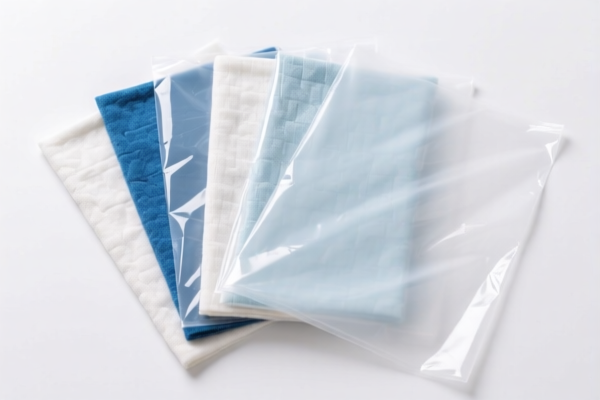
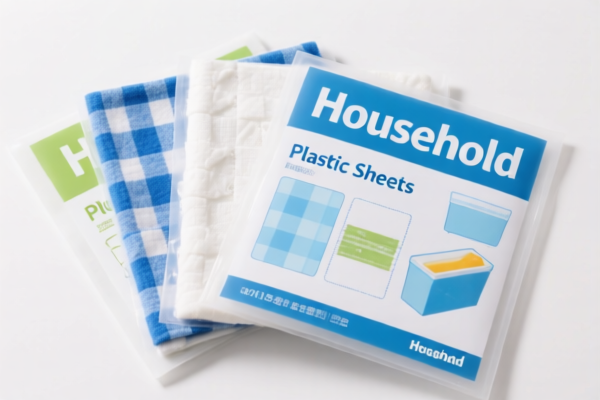
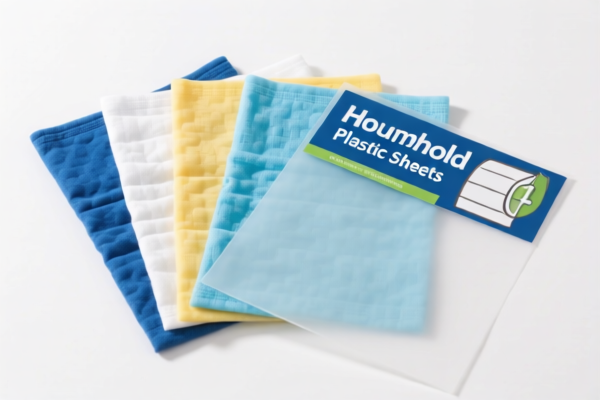
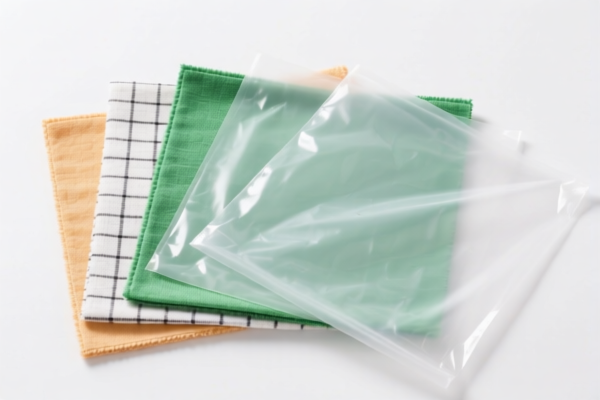
AI Analysis
🧵 Home Textile Plastic Sheet (Combined Plastic & Textile Material)
🌐 HS Code Reference & Customs Clearance Guide | 2026 Latest Tariff Analysis | Professional Logistics Strategy
📌 I. Product Definition & Classification: What Exactly is a "Home Textile Plastic Sheet"?
A Home Textile Plastic Sheet refers to composite materials where plastics are combined with textile fabrics, typically used for home decoration, waterproofing, upholstery backing, or protective coverings. In international trade, this product falls under Chapter 39 (Plastics and Articles Thereof), specifically heading 39.21 (Other plates, sheets, film, foil and strip, of plastics).
The critical classification depends on three factors: 1. Weight: Must not exceed 1.492 kg/m². 2. Composition: Must contain textile materials. 3. Fiber Content: Must be dominated by man-made fibers (synthetic or artificial) by weight over any single other textile fiber.
⚠️ Key Distinction:
- If the plastic component is >70% by weight, it falls under 3921.90.11.00.
- If the plastic component is ≤70% by weight (or other specific textile compositions), it may fall under 3921.90.15.00.
- Crucial Threshold: If the sheet weighs more than 1.492 kg/m², it is NOT classified here; it may move to Chapter 59 or 63 depending on construction.
📦 II. HS Code Classification Details (2026 Latest Tariff Authority)
| HS Code | Product Description | Key Criteria | Tax Rate (CN→US) |
|---|---|---|---|
3921.90.11.00 |
Combined with textile materials, ≤1.492 kg/m²; Man-made fibers predominate; Over 70% by weight of plastics | High plastic content, synthetic fabric base | 0.0% |
3921.90.15.00 |
Combined with textile materials, ≤1.492 kg/m²; Man-made fibers predominate; Other (229) | Lower plastic content or specific non-70% compositions | 0.0% |
🔍 Focus Highlight:
- Both codes currently enjoy a 0% total tax rate under the provided dataset.
- However, misclassification can lead to re-inspection, delays, or potential duties if additional trade remedies (e.g., Section 301) apply to other plastic/textile composites not listed here.
- Weight Limit is Absolute: If your sheet weighs 1.500 kg/m², it cannot use these codes.
💰 III. 2026 Latest Tariff Rate Breakdown
✅ Applicable Country: United States (US)
✅ Origin: China (CN)
✅ Effective Date: Current (Based on provided data)
🎯 1. 3921.90.11.00 – Home Textile Plastic Sheet (>70% Plastic Weight)
| Item | Content |
|---|---|
| Base Tariff | 0.0% |
| Additional Tariff | 0.0% |
| Total Tax Rate | 0.0% |
| Tax Calculation | CIF Value × 0% = $0 |
| De Minimis Eligibility | ✅ Yes (For shipments < $800, no duty or tax usually applies) |
| Legal Basis | HTSUS:3921.90.11.00 |
📌 Explanation:
- This code is classified under "Other plates, sheets... of plastics: Other: Combined with textile materials...".
- The 0% rate suggests no current additional duties (like Section 301) are applied to this specific subheading in the provided data.
- Caution: Always verify if the plastic content is indeed over 70% by weight. If it is 65%, this code is invalid.
🎯 2. 3921.90.15.00 – Home Textile Plastic Sheet (Other Textile Components)
| Item | Content |
|---|---|
| Base Tariff | 0.0% |
| Additional Tariff | 0.0% |
| Total Tax Rate | 0.0% |
| Tax Calculation | CIF Value × 0% = $0 |
| De Minimis Eligibility | ✅ Yes (For shipments < $800) |
| Legal Basis | HTSUS:3921.90.15.00 |
📌 Explanation:
- This code captures "Other" textile components where man-made fibers still predominate but do not meet the >70% plastic weight criteria of the previous code.
- Like the previous code, it benefits from 0% total duty in this dataset.
🛠️ IV. Customs Clearance Practical Advice (Battle-Tested Pitfall Guide)
✅ 1. Required Documentation Checklist (No Exceptions)
| Document | Mandatory? | Description |
|---|---|---|
| ✅ Product Specification Sheet | ✔️ | Must include: - Weight per square meter (critical! Must be ≤1.492 kg/m²) - Plastic material type (e.g., PVC, PE) - Textile fiber type (e.g., Polyester, Nylon) - Percent composition (Weight % of plastic vs. textile) |
| ✅ Composition Declaration | ✔️ | Explicit statement: "Plastics comprise over 70% by weight" OR "Plastics comprise less than 70% by weight" |
| ✅ Commercial Invoice | ✔️ | Clear description: "Plastic-Textile Composite Sheet for Home Textile Use" |
| ✅ Packing List | ✔️ | Include roll dimensions and total weight to allow customs to verify weight/m² if sampled |
| ✅ HS Code Pre-Ruling (Optional but Recommended) | ✔️ | Especially if plastic content is close to 70% threshold |
✅ 2. Declaration Tips (Key Mantra)
🔥 "Weight is King, Composition is Queen, 70% Divides the Line!"
| Scenario | Correct Declaration | Wrong Practice |
|---|---|---|
| Sheet weighs 1.4 kg/m², Plastic >70% | 3921.90.11.00 |
Declare as "Plastic Sheet" without textile mention → Risk of Chapter 39.20 misclassification |
| Sheet weighs 1.5 kg/m² | NOT these codes | Try to fit into 3921.90 → Customs Rejection & Penalty |
| Plastic content = 65%, Man-made fibers predominate | 3921.90.15.00 |
Declare as 3921.90.11.00 → Incorrect HTS, Potential Duty Reassessment |
| Natural fibers (e.g., Cotton) predominate | NOT these codes | Use 3921.90.11/15 → Wrong Classification (Should be 3921.90.99 or other) |
✅ 3. Special Case Handling
| Situation | Handling Advice |
|---|---|
| Mixed Fiber Textile | If man-made fibers do not predominate over any single natural fiber, these codes do not apply. |
| Rolls vs. Cut Sheets | Ensure the weight/m² is consistent across the roll. Custom may sample and weigh. |
| Sample Shipment | Clearly mark as "Sample, No Commercial Value" to leverage De Minimis if < $800. |
| High Volume Import | Even with 0% duty, provide robust documentation to avoid Section 321 audits or FDA/CPSC concerns (if for child safety products). |
🌍 V. Global Market Comparison (2026 Latest)
| Country/Region | Recommended HS Code | Tariff | Certification Notes | Remarks |
|---|---|---|---|---|
| 🇺🇸 USA | 3921.90.11.00 / 15.00 |
0.0% | ASTM, CPSIA (if for children) | Best for low-cost entry; verify weight limit strictly |
| 🇨🇳 China | 3921.90.11/15 | ~5-10% | GB Standards | Higher base duty in China |
| 🇪🇺 EU | 3921.90.90 | ~6.5% | REACH, RoHS | No specific "textile-combined" subheading in EU 8-digit; check national extensions |
| 🇦🇺 Australia | 3921.90.90.00 | 5% | ACCC | No specific textile-combined code; general plastic sheet |
| 🇯🇵 Japan | 3921.90.900 | 6-8% | JIS | Similar to EU, broad classification |
📌 Conclusion:
- USA offers the most favorable tariff (0%) for these specific subheadings, but the classification criteria are strict.
- Weight ≤1.492 kg/m² is the most common error point. Always certify this weight!
📌 VI. Common Errors & Pitfalls (Lessons from Tears)
❌ Error 1: Assuming "Home Textile Sheet" automatically qualifies for 3921.90.11/15.
👉 Consequence: If weight >1.492 kg/m², customs will reclassify to 3921.90.90 or 5903, potentially adding duties.
❌ Error 2: Ignoring the "Man-Made Fiber Predominance" rule.
👉 Consequence: If cotton > polyester, these codes are invalid. Must use other HTS codes.
❌ Error 3: Not declaring plastic weight percentage.
👉 Consequence: Customs cannot distinguish between 3921.90.11.00 and 3921.90.15.00, leading to hold for inspection.
✅ Correct Declaration Example:
"Plastic-Textile Composite Sheet for Home Use, PVC-Coated Polyester Fabric, Weight: 1.2 kg/m², Plastic Content: 75% by Weight, HS Code: 3921.90.11.00"
🎯 VII. Conclusion: Precision in Classification Saves Costs!
🎯 Remember the Mantra:
🔹 "Weight Under 1.492, Man-Made Fibers Lead, 70% Plastic Wins Code 11, Else Code 15!"
🔹 "0% Duty Looks Sweet, But Wrong Classification Can Be Deafening!"
📌 Pro Tip:
If your product is close to the 70% plastic threshold, consider adjusting the formulation to clearly exceed 70% to secure 3921.90.11.00, which is the most common and recognized subheading for high-plastic-content composites.
📣 Immediate Action:
📞 Consult Your Customs Broker + Provide Weight/Composition Report + Apply for Pre-Ruling if Uncertain
🚀 Ensure Smooth Clearance, Zero Duty, and Happy Customers!
✨ Professional Classification Starts with Accurate Data!
💼 Every Gram of Weight Matters!
Customer Reviews
About HS Code Classification
The Harmonized System (HS) is an internationally standardized nomenclature developed by the World Customs Organization (WCO) to classify traded products. Over 200 countries use the HS system as the basis for customs tariffs, trade statistics, and import/export regulations.
Each HS code follows a hierarchical structure:
- Chapter (2 digits) — Broad category of goods (e.g., Chapter 84: Machinery and Mechanical Appliances)
- Heading (4 digits) — More specific grouping within the chapter
- Subheading (6 digits) — Internationally standardized breakdown, used by all WCO member countries
- National subdivisions (8-10 digits) — Country-specific extensions for further classification, such as US HTSUS 10-digit codes
Correct HS code classification is essential for smooth customs clearance, accurate duty payment, and compliance with trade regulations. Misclassification can lead to customs delays, overpayment of duties, or penalties.
When importing from CN to US, the applicable tariff rates may include:
- Most-Favored-Nation (MFN) rate — The standard duty rate applied to WTO members
- General rate — Applied to countries without trade agreements
- Trade remedy duties — Additional tariffs such as Section 301 (anti-dumping), Section 232 (national security), or countervailing duties
The information provided on this page is for reference purposes only. For official classification, please consult with your local customs authority or a licensed customs broker.