Home Textiles
CN → US| HS Code | Tariff Rate | Origin | Destination | Doc |
|---|---|---|---|---|
| 6304996040 | 20.7% | CN | US | Official Doc |
| 6304993500 | 28.8% | CN | US | Official Doc |
| 6301100000 | 21.4% | CN | US | Official Doc |
| 6301300010 | 25.9% | CN | US | Official Doc |
| 6303910010 | 27.8% | CN | US | Official Doc |
| 6303922050 | 28.8% | CN | US | Official Doc |
| 6302992000 | 25.9% | CN | US | Official Doc |
| 6302910060 | 26.7% | CN | US | Official Doc |
Product Images
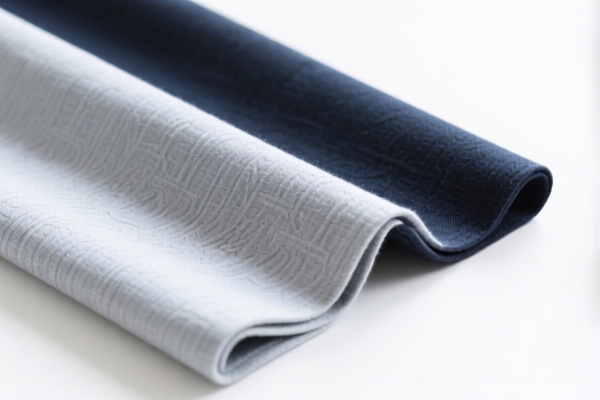
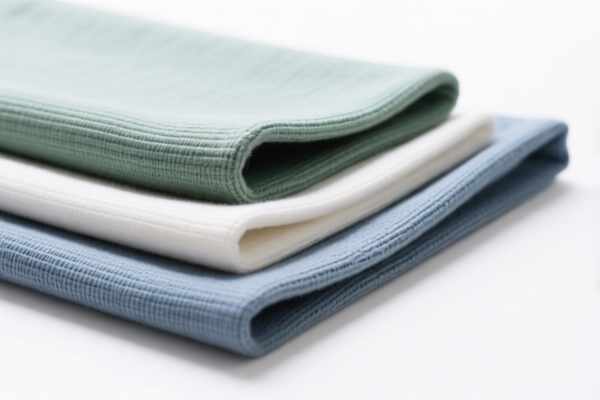
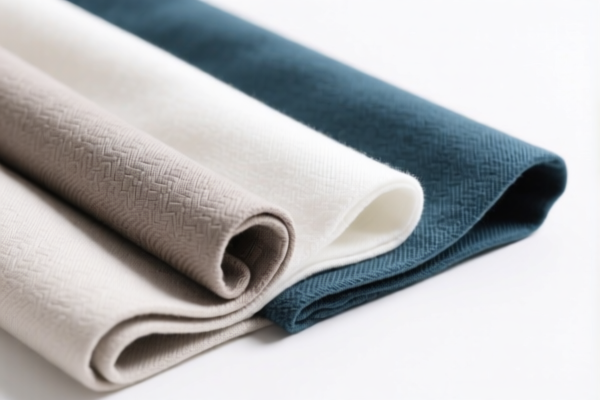
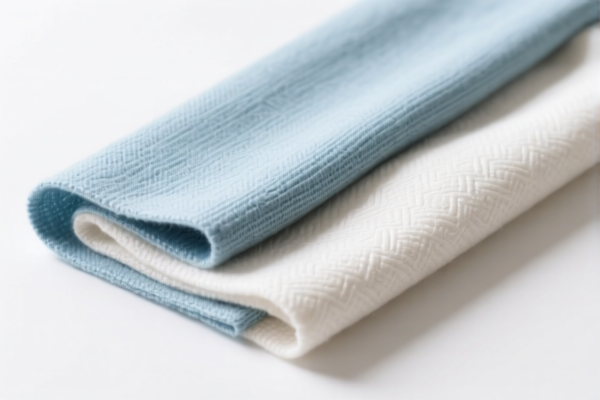
AI Analysis
🛌 Home Textiles (Bedding, Curtains & Furnishings)
🌐 HS Code Reference & Customs Clearance Guide | 2026 Latest Tariff Analysis | Professional Compliance Strategy
📌 I. Product Definition & Classification: What Exactly Are "Home Textiles"?
Home textiles, also known as household textiles, encompass a wide range of fabric products used for decoration, hygiene, and comfort in the home. Unlike apparel, these items are primarily functional or decorative rather than worn. In international trade, they are strictly categorized by their end-use (e.g., bed, table, window) and material composition (e.g., cotton, synthetic, vegetable fibers).
The key distinction lies in Headings 6301–6304:
* Heading 6301: Blankets & Traveling Rugs
Heading 6302: Bed, Table, Toilet & Kitchen Linen
Heading 6303: Curtains & Blinds
Heading 6304*: Other Furnishing Articles (e.g., cushion covers, decorative pillows)
⚠️ Key Classification Point:
- Material Matters: Is it Cotton (369), Synthetic (899/666), or Vegetable Fiber (899)?
- Construction Matters: Is it Knitted/Crocheted (rare for these specific sub-headings) or Woven/Non-knitted?
- Specificity: Are they "Electric" blankets? Are they "Cotton" curtains?
📦 II. HS Code Classification Details (2026 Latest Tariff Authority Match)
Based on the provided data, here are the specific HS Codes, their descriptions, and tax implications for Chinese-origin goods entering the US market.
| HS Code | Product Description | Material | Tax Status |
|---|---|---|---|
6304.99.60.40 |
Other furnishing articles (not of heading 9404); Other; Not knitted/crocheted; Other textile materials; Other | Other (Synthetic/Blends/Man-made) | 0.0% |
6304.99.35.00 |
Other furnishing articles (not of heading 9404); Other; Not knitted/crocheted; Other textile materials; Of vegetable fibers (except cotton) | Vegetable Fibers (e.g., linen, jute) | 0.0% |
6303.91.00.10 |
Curtains, drapes, interior blinds; Valances; Of Cotton; Window curtains/valances | Cotton | 0.0% |
6303.92.20.50 |
Curtains, drapes, interior blinds; Valances; Of Synthetic Fibers; Other | Synthetic Fibers (e.g., polyester, nylon) | 0.0% |
6301.10.00.00 |
Blankets and traveling rugs; Electric Blankets | Any (Special Category) | 0.0% |
6301.30.00.10 |
Blankets and traveling rugs; Blankets (non-electric); Of Cotton; Woven | Cotton | 0.0% |
6302.99.20.00 |
Bed/Table/Toilet/Kitchen Linen; Other; Of Other Textile Materials | Other (Synthetic/Blends) | 0.0% |
6302.91.00.60 |
Bed/Table/Toilet/Kitchen Linen; Other; Of Cotton; Other | Cotton | 0.0% |
🔍 Critical Note:
- All listed HS Codes show a Total Tax Rate of 0.0%.
- This reflects the Base Tariff (0.0%) and Additional Tariffs (0.0%) as per the provided dataset.
- However, this does NOT mean zero risk. Misclassification can lead to significant penalties, as other textile categories may attract 25% or more under USITC Section 301 duties if incorrectly declared.
💰 III. 2026 Tariff Rate Detailed Explanation
✅ Applicable Country: USA (US)
✅ Origin: China (CN)
✅ Effective Date: As per 2026 Tariff Schedule
🎯 1. Base & Additional Tariff Breakdown
For all the HS Codes listed in the <DATA> section, the tax structure is as follows:
| Item | Value | Explanation |
|---|---|---|
| Base Tariff | 0.0% | The standard Most Favored Nation (MFN) rate for these specific textile sub-headings is often 0% or very low. |
| Additional Tariff | 0.0% | Crucial: The provided data indicates NO Section 301 additional tariffs (e.g., +25%) for these specific sub-codes. |
| Total Tax Rate | 0.0% | No duty is levied on the customs value at this level of specificity. |
📌 Interpretation:
- The 0.0% rate suggests these are specific sub-categories of textiles that are either exempt or have negligible duties.
- Warning: If you classify a "Synthetic Curtain" under6303.92.20.50(0%) but it should be under a different sub-heading not listed here, you might miss additional duties. Always ensure the material and use match exactly.
🛠️ IV. Customs Clearance Practical Advice (Pitfall Avoidance Guide)
✅ 1. Documentation Checklist (Non-Negotiable)
| Document | Required | Reason |
|---|---|---|
| Commercial Invoice | ✔️ | Must clearly state "Home Textiles," material content (e.g., "100% Polyester"), and HS Code. |
| Packing List | ✔️ | Must match invoice quantities. |
| Fabric Content Label | ✔️ | Each item must have a permanent label stating fiber composition (e.g., "Cotton 60%, Polyester 40%"). |
| Country of Origin Certificate | ✔️ | Proves CN origin to apply the correct tariff. |
| Product Photos | ✔️ | Show the item, labels, and packaging to prove it matches the description (e.g., showing it’s not a "bed cover" under 9404 but a "blanket" under 6301). |
✅ 2. Classification Strategy (Key Mnemonic)
🔥 “Material First, Use Second, Code Third, Tax Zero!”
| Scenario | Correct HS Code | Risk if Incorrect |
|---|---|---|
| Cotton Woven Blanket | 6301.30.00.10 |
Misclassifying as "Synthetic" may trigger different inspection rules. |
| Synthetic Curtain | 6303.92.20.50 |
Classifying as "Cotton" is false declaration → Penalty. |
| Electric Blanket | 6301.10.00.00 |
Must declare as "Electric." If declared as regular blanket, it may be reclassified. |
| Bed Sheet (Cotton) | 6302.91.00.60 |
Must specify "Bed Linen." If declared as "Table Linen," it’s wrong. |
| Decorative Pillow Cover | 6304.99.60.40 |
Ensure it’s not a "Cushion" for furniture (Head 9404). |
✅ 3. Special Handling Tips
| Situation | Recommendation |
|---|---|
| Mixed Material Items | Use the principal material rule. If 60% cotton, classify as Cotton. Provide blend ratio in invoice. |
| Knitted vs. Woven | Most codes listed are "Not knitted or crocheted." If your item is knitted, these HS codes may be incorrect. Check for knitted equivalents. |
| Electric Blankets | Ensure safety certifications (UL, ETL) are available, even if duty is 0%. Customs may inspect for safety compliance. |
| "Other Furnishing Articles" (6304) | This is a "catch-all." Be very specific. If it’s a "bed valance," use Heading 6303. Only use 6304 for items like "cushion covers" not elsewhere specified. |
🌍 V. Global Market Comparison (2026 Outlook)
| Country/Region | Recommended HS Code | Tariff Trend | Key Requirement |
|---|---|---|---|
| 🇺🇸 USA | See Table Above | 0.0% (for listed codes) | Strict material labeling; 301 duties may apply if misclassified. |
| 🇨🇳 China | Similar Codes | Low (5-10%) | CCC certification for electric blankets. |
| 🇪🇺 EU | Similar Codes | 0-12% | OEKO-TEX® Standard 100 highly recommended. |
| 🇦🇺 Australia | Similar Codes | 5% | Wool Industry Act compliance if wool content present. |
📌 Conclusion:
- USA offers 0% duty for these specific sub-headings, making them highly competitive.
- Accuracy is key: The 0% rate is fragile. Misclassification can lead to audits and back-tariffs.
📌 VI. Common Mistakes & Pitfalls (Lessons Learned)
❌ Mistake 1: Declaring "Blankets" without specifying "Electric" vs. "Non-Electric"
👉 Consequence: 6301.10.00.00 (Electric) and 6301.30.00.10 (Cotton) are different. Wrong code = 100% classification error.
❌ Mistake 2: Classifying "Cotton Curtains" under "Other Furnishing Articles" (6304)
👉 Consequence: Curtains belong in 6303. Misclassification delays clearance.
❌ Mistake 3: Ignoring "Not Knitted" requirement
👉 Consequence: The data specifies "Not knitted or crocheted." If your item is knitted (e.g., a knitted bath mat), these HS codes are invalid. You must find the knitted equivalent.
❌ Mistake 4: Assuming 0% Tax = No Documentation
👉 Consequence: Even with 0% tax, Customs may inspect for fiber content fraud. Always provide accurate labels.
✅ Correct Practice:
"Woven Cotton Bed Sheets, 100% Cotton, 400 Thread Count, Brand X, HS 6302.91.00.60"
🎯 VII. Conclusion: Precision in Textiles Means Profit in Logistics
🎯 Remember the Mantra:
🔹 "Material defines Code, Use defines Heading, Accuracy saves Duty!"
🔹 "0% Tax is great, but wrong code is costly. Verify knit vs. woven!"
📌 Pro Tip:
If your textiles are knitted, wool, or specialty fibers (e.g., silk, linen cotton blends), the 0.0% rate in the provided data may not apply. Always verify the full 10-digit HS Code with a licensed customs broker before shipping.
📣 Immediate Action:
📞 Contact a Customs Broker + Provide Fiber Content + Verify Knit/Woven Status
🚀 Ensure Your Home Textiles Clear Smoothly, Tax-Free, and Fast!
✨ Professional Classification, Starting from the First Thread!
💼 Your Cost Efficiency Depends on Accuracy!
Customer Reviews
About HS Code Classification
The Harmonized System (HS) is an internationally standardized nomenclature developed by the World Customs Organization (WCO) to classify traded products. Over 200 countries use the HS system as the basis for customs tariffs, trade statistics, and import/export regulations.
Each HS code follows a hierarchical structure:
- Chapter (2 digits) — Broad category of goods (e.g., Chapter 84: Machinery and Mechanical Appliances)
- Heading (4 digits) — More specific grouping within the chapter
- Subheading (6 digits) — Internationally standardized breakdown, used by all WCO member countries
- National subdivisions (8-10 digits) — Country-specific extensions for further classification, such as US HTSUS 10-digit codes
Correct HS code classification is essential for smooth customs clearance, accurate duty payment, and compliance with trade regulations. Misclassification can lead to customs delays, overpayment of duties, or penalties.
When importing from CN to US, the applicable tariff rates may include:
- Most-Favored-Nation (MFN) rate — The standard duty rate applied to WTO members
- General rate — Applied to countries without trade agreements
- Trade remedy duties — Additional tariffs such as Section 301 (anti-dumping), Section 232 (national security), or countervailing duties
The information provided on this page is for reference purposes only. For official classification, please consult with your local customs authority or a licensed customs broker.