Honeycomb Frame Fixture
CN → US| HS Code | Tariff Rate | Origin | Destination | Doc |
|---|---|---|---|---|
| 4421919880 | 38.3% | CN | US | Official Doc |
| 4421999880 | 38.3% | CN | US | Official Doc |
| 7326908688 | 87.9% | CN | US | Official Doc |
| 7326190080 | 87.9% | CN | US | Official Doc |
Product Images
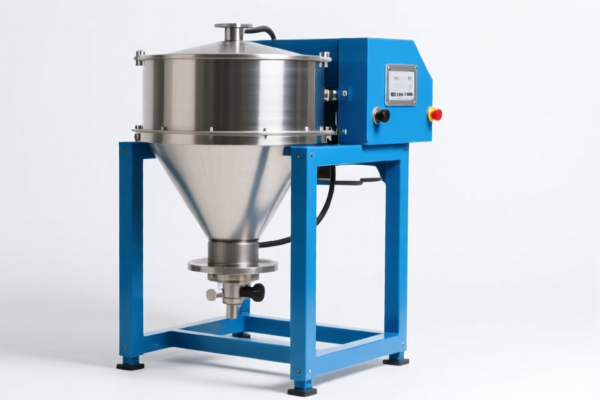
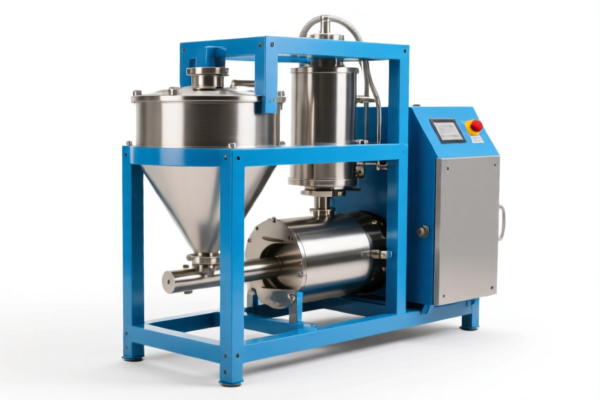
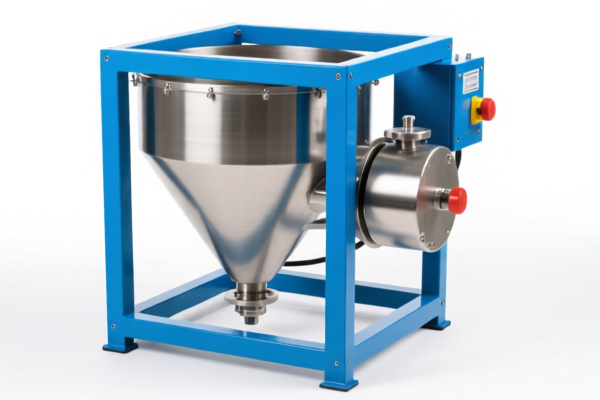
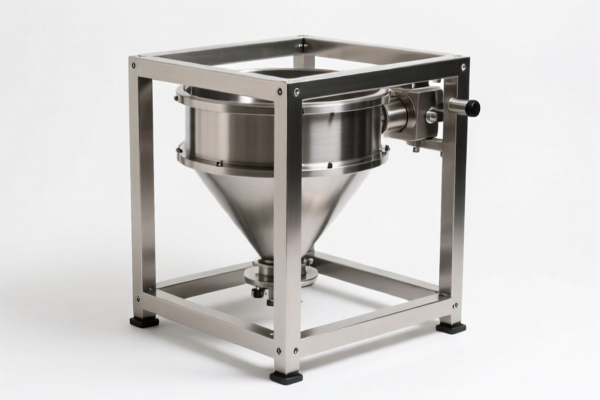
AI Analysis
🕸️ Honeycomb Frame Fixture – HS Code Classification & US Customs Clearance Guide (2026)
🌐 HS Code Reference & Customs Clearance Guide | 2026 Latest Tariff Analysis | Professional Entry Strategies
📌 I. Product Definition & Classification: What Exactly Is a “Honeycomb Frame Fixture”?
A Honeycomb Frame Fixture is typically a specialized clamping or holding device used in manufacturing, woodworking, or industrial assembly. Its core function is to secure materials (often wood, honeycomb cores, or related structures) during processing.
In international trade, the classification hinges on two critical factors: 1. Material: Wood, Metal (Steel/Iron), or Plastic. 2. Function: Is it a standalone article, a part of a machine, or a generic fixture?
⚠️ Key Distinction Point:
- If the fixture is explicitly for wooden honeycombs or wooden structures → Likely Wooden Article (Chapter 44).
- If made of metal (steel/iron) without specific machine-part designation → Likely General Metal Article (Chapter 73).
- No single HS code fits all; material dictates the path.
📦 II. HS Code Classification Details (2026 Latest Tariff Authority Comparison)
Based on the provided data, there are four potential HS Code paths depending on the material composition of the fixture.
| HS Code | Product Description | Material Assumption | Application Scenario |
|---|---|---|---|
4421.91.98.80 |
Other wooden articles | Wood | Used for wooden honeycomb structures; generic wooden fixture. |
4421.99.98.80 |
Other wooden articles | Wood (General) | Generic wooden fixture; no specific wooden article listed elsewhere. |
7326.90.86.88 |
Other articles of iron or steel | Metal (Steel/Iron) | Metal fixture for general use; no specific metal machine part classification. |
7326.19.00.80 |
Other articles of iron or steel (wire) | Metal (Steel/Iron) | Wire-based or general metal steel articles; generic metal fixture. |
🔍 Critical Reminder:
- Wooden Fixtures fall under Chapter 44 (Wood and Articles of Wood).
- Metal Fixtures fall under Chapter 73 (Articles of Iron or Steel).
- Plastic fixtures are not explicitly covered in the provided data but would likely follow similar "other" logic in Chapter 39.
- You MUST declare the correct material to avoid customs delays or penalties.
💰 III. 2026 Latest Tariff Rate Breakdown (Including Additional Duties & Policy Surcharges)
✅ Applicable Country: United States (US)
✅ Country of Origin: China (CN)
✅ Effective Date: Current US Trade Policy (Section 301 + IEEPA)
🎯 1. Wooden Fixtures: 4421.91.98.80 & 4421.99.98.80
| Item | Detail |
|---|---|
| Base Duty Rate | 3.3% (ad valorem) |
| Section 301 Additional Duty | +25.0% |
| IEEPA Section 122 Surcharge | +10.0% |
| Total Duty Rate | 38.3% |
| Tax Calculation | CIF Value × 38.3% |
| De Minimis Eligibility | ❌ Not Eligible (Deny de minimis) |
| Legal Basis Path | Section 301: Footnote 9903.88.01 → IEEPA:9903.01.25 → USITC:4421.91.98.80 |
📌 Explanation:
- Wooden products from China are subject to Section 301 tariffs (25%) due to trade restrictions.
- An additional 10% IEEPA surcharge applies to Chinese-origin goods.
- Base rate is 3.3%, leading to a total effective rate of 38.3%.
- No de minimis exemption (items under $800 do NOT enter duty-free).
🎯 2. Metal Fixtures: 7326.90.86.88 & 7326.19.00.80
| Item | Detail |
|---|---|
| Base Duty Rate | 2.9% (ad valorem) |
| Section 301 Additional Duty | +25.0% |
| IEEPA Section 122 Surcharge | +10.0% |
| Steel/Aluminum/Copper Surcharge | +50.0% (if classified under specific steel provisions) |
| Total Duty Rate | 87.9% (Standard) or Higher (if steel surcharge applies) |
| Tax Calculation | CIF Value × 87.9% |
| De Minimis Eligibility | ❌ Not Eligible (Deny de minimis) |
| Legal Basis Path | Section 301: Footnote 9903.88.01 → IEEPA:9903.01.25 → USITC:7326.90.86.88 |
📌 Explanation:
- Metal articles from China face Section 301 tariffs (25%) and IEEPA surcharge (10%).
- Critical Warning: The data notes a +50% surcharge for steel, aluminum, or copper products. If your fixture is deemed a "steel article" under specific provisions, the total could exceed 87.9% or even higher.
- Base rate is 2.9%, but the additional duties (25% + 10% + 50% if applicable) make this a very high-cost item.
- No de minimis exemption applies.
🛠️ IV. Customs Clearance Practical Advice (Battle-Tested Pitfall Avoidance)
✅ 1. Documentation Checklist (Mandatory)
| Document | Required? | Notes |
|---|---|---|
| ✅ Product Specifications | ✔️ | Must clearly state material (Wood vs. Metal), dimensions, and weight. |
| ✅ Material Declaration | ✔️ | Explicitly state: "Made of Wood" or "Made of Steel/Iron". Do not leave blank. |
| ✅ Commercial Invoice | ✔️ | Describe item as "Honeycomb Frame Fixture, [Material], Model XYZ". |
| ✅ Packing List | ✔️ | Match invoice details; list net/gross weight. |
| ✅ Origin Certificate | ✔️ | Required to prove China origin (triggers tariffs). |
| ✅ Photos of Product | ✔️ | Show material texture (wood grain vs. metal surface) to aid customs verification. |
| ✅ Third-Party Test Reports | ✔️ | If applicable (e.g., wood treatment, metal strength). |
✅ 2. Declaration Strategy (Key Tips)
🔥 "Declare Material, Declare Function, Avoid Ambiguity!"
| Scenario | Correct Declaration | Incorrect Declaration |
|---|---|---|
| Wooden Fixture | "Wooden Honeycomb Frame Fixture, Model A" → HS 4421.91.98.80 | "Metal Fixture" → Misclassification, penalty. |
| Metal Fixture | "Steel Honeycomb Frame Fixture, Model B" → HS 7326.90.86.88 | "Wooden Fixture" → Misclassification, penalty. |
| Generic Fixture | "Industrial Clamping Fixture, Steel, Model C" → HS 7326.19.00.80 | "Part of Machine" → May require different HS, higher scrutiny. |
| Mixed Material | Declare primary material; note secondary materials. | "Other" → Likely reclassified by customs, delays. |
✅ 3. Special Case Handling
| Situation | Handling Advice |
|---|---|
| OEM Custom Fixture | Provide client order + design drawings to prove intended use. |
| Fixture for Wooden Honeycombs | Emphasize wooden nature; use Chapter 44 codes. |
| Fixture for Metal/Industrial Use | Emphasize metal nature; use Chapter 73 codes. |
| Plastic Fixture | Not in provided data; likely Chapter 39. Consult expert. |
| Kit with Multiple Materials | Split declaration if possible; otherwise, declare primary material. |
🌍 V. Global Market Comparison (2026 Latest)
| Country/Region | Recommended HS Code | Duty Rate | Certification Requirements | Notes |
|---|---|---|---|---|
| 🇺🇸 USA | 4421.91.98.80 (Wood) or 7326.90.86.88 (Metal) |
38.3% (Wood) or 87.9% (Metal) | None specific | High tariffs due to Section 301 + IEEPA. |
| 🇨🇳 China | Same HS Codes | 5-10% | CCC (if applicable) | No additional surcharges. |
| 🇪🇺 EU | Similar HS Codes | 0-6% | CE, REACH | No Section 301 tariffs. |
| 🇦🇺 Australia | Similar HS Codes | 5% | RCM | No additional surcharges. |
| 🇯🇵 Japan | Similar HS Codes | 0-5% | PSE | No additional surcharges. |
📌 Conclusion:
- The USA imposes the highest tariffs on Chinese-origin fixtures due to trade policies.
- Material declaration is critical: Wood (38.3%) vs. Metal (87.9%+) shows a massive cost difference.
- Non-US markets are significantly more cost-effective for Chinese-origin fixtures.
📌 VI. Common Mistakes & Pitfall Avoidance (Lessons from Experience)
❌ Mistake 1: Declaring a metal fixture as wooden (or vice versa)
👉 Consequence: Customs inspection, fines, delayed clearance, or forced reclassification.
❌ Mistake 2: Using vague terms like "Fixture" without material specification
👉 Consequence: Customs assigns the highest possible duty or requests additional info.
❌ Mistake 3: Assuming De Minimis ($800) applies
👉 Consequence: No de minimis for Chinese-origin goods under Section 301/IEEPA. All shipments are subject to full duty.
❌ Mistake 4: Not providing material proof (photos/specs)
👉 Consequence: Customs may classify as "Other", leading to higher scrutiny and potential penalties.
✅ Correct Practice:
"Honeycomb Frame Fixture, Made of Steel, Model XYZ, Industrial Use, No Wood Components"
OR
"Honeycomb Frame Fixture, Made of Wood, Model ABC, For Wooden Honeycomb Structures"
🎯 VII. Conclusion: Precision Classification, Cost Optimization, Smooth Clearance!
🎯 Key Takeaways:
🔹 "Material Determines HS Code, HS Code Determines Duty."
🔹 "Wood = 38.3% Duty, Metal = 87.9%+ Duty."
🔹 "No De Minimis for Chinese Goods to USA."
🔹 "Declare Clearly, Provide Photos, Avoid Guesswork."
📌 Pro Tip:
If your fixture is not made in China (e.g., Vietnam, Thailand, Mexico), you may avoid Section 301 tariffs. Consider supply chain diversification to reduce costs.
📣 Immediate Action:
📞 Contact a Licensed Customs Broker
📄 Provide Material Specs + Photos
🚀 Apply for Advance Ruling (if high volume) to lock in HS Code classification.
✨ Professional Clearance Starts with Accurate Classification!
💼 Every Percent of Duty Saved is Pure Profit!
Customer Reviews
About HS Code Classification
The Harmonized System (HS) is an internationally standardized nomenclature developed by the World Customs Organization (WCO) to classify traded products. Over 200 countries use the HS system as the basis for customs tariffs, trade statistics, and import/export regulations.
Each HS code follows a hierarchical structure:
- Chapter (2 digits) — Broad category of goods (e.g., Chapter 84: Machinery and Mechanical Appliances)
- Heading (4 digits) — More specific grouping within the chapter
- Subheading (6 digits) — Internationally standardized breakdown, used by all WCO member countries
- National subdivisions (8-10 digits) — Country-specific extensions for further classification, such as US HTSUS 10-digit codes
Correct HS code classification is essential for smooth customs clearance, accurate duty payment, and compliance with trade regulations. Misclassification can lead to customs delays, overpayment of duties, or penalties.
When importing from CN to US, the applicable tariff rates may include:
- Most-Favored-Nation (MFN) rate — The standard duty rate applied to WTO members
- General rate — Applied to countries without trade agreements
- Trade remedy duties — Additional tariffs such as Section 301 (anti-dumping), Section 232 (national security), or countervailing duties
The information provided on this page is for reference purposes only. For official classification, please consult with your local customs authority or a licensed customs broker.