Hood Handle
CN → US| HS Code | Tariff Rate | Origin | Destination | Doc |
|---|---|---|---|---|
| 3926301000 | 24.0% | CN | US | Official Doc |
| 3926902500 | 24.0% | CN | US | Official Doc |
| 8302303060 | 87.0% | CN | US | Official Doc |
| 8302306000 | 38.5% | CN | US | Official Doc |
Product Images
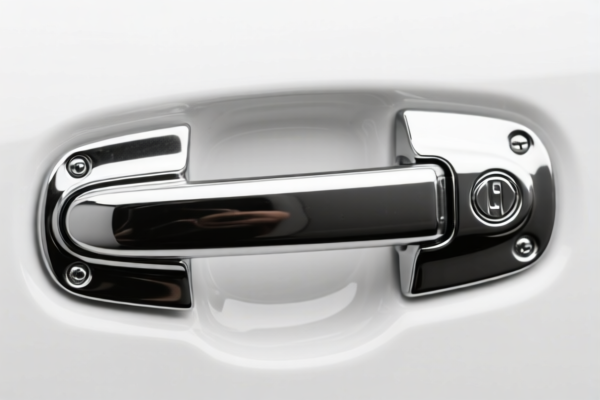
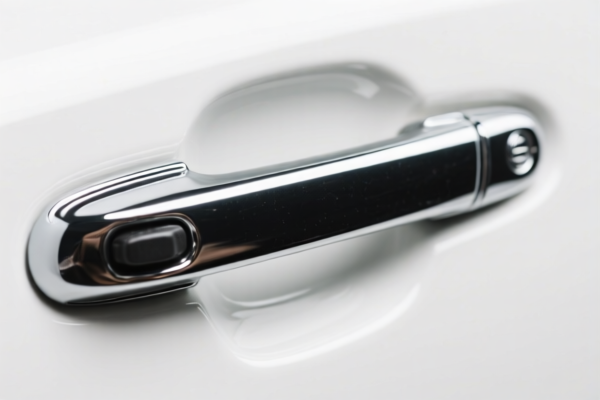
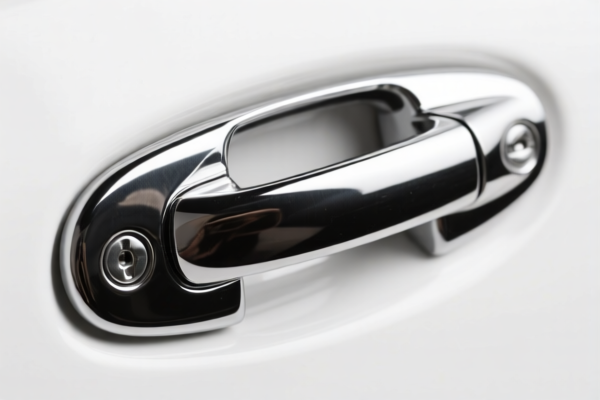
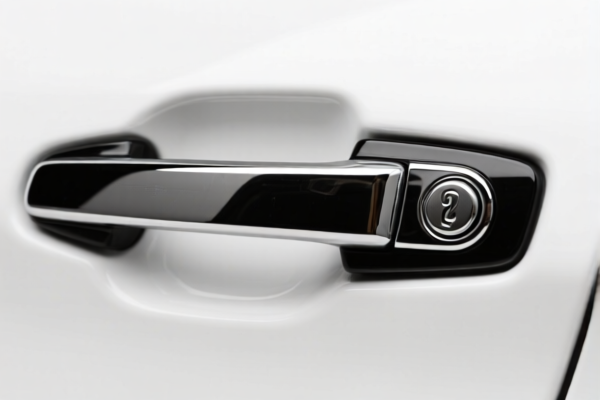
AI Analysis
🚗 Hood Handle (Automotive Interior Hardware)
🌐 HS Code Reference & Clearance Guide | 2026 Latest Tariff Analysis | Professional Clearance Strategy
📌 I. Product Definition & Classification: What Exactly is a "Hood Handle"?
A Hood Handle is a critical interior component of a motor vehicle, designed to release the latch mechanism for the engine compartment bonnet (hood). It is not a standalone mechanical device but a fitting suitable for motor vehicles.
In international trade, these are often categorized under Base Metal Mountings, Fittings, and Similar Articles. The key distinction lies in the material (base metal vs. plastic) and the specific subheading for automotive use.
⚠️ Key Classification Point:
- If the handle is made of base metal (iron, steel, aluminum, zinc) and intended for motor vehicles, it falls under Heading 8302.
- If the handle is made of plastics, it may fall under Heading 3926.
- Note: Many "hood handles" are plastic-coated metal or entirely plastic. The HS Code selection depends strictly on the primary material.
📦 II. HS Code Classification Details (2026 Latest Tariff Alignment)
Based on the provided data, here are the precise HS Codes for Hood Handles, categorized by material:
| HS Code | Product Description | Material | Applicability |
|---|---|---|---|
8302.30.30.60 |
Other mountings/fittings for motor vehicles: Of iron or steel, aluminum, or zinc | Base Metal | Metal hood latches/handles |
8302.30.60.00 |
Other mountings/fittings for motor vehicles: Other (Base Metal, not otherwise specified) | Base Metal | Other metal fittings |
3926.30.10.00 |
Articles of plastics: Fittings for furniture, coachwork, or the like: Handles and knobs | Plastic | Plastic handles for vehicles/furniture |
3926.90.25.00 |
Articles of plastics: Other (Handles and knobs, not elsewhere specified) | Plastic | Generic plastic handles |
🔍 Critical Reminder:
- Heading 8302 is the standard for automotive-specific metal fittings.
- Heading 3926 applies if the product is wholly plastic. Do not misclassify metal parts with plastic coatings as pure plastic unless the plastic is the essential character (check local customs rulings).
- For Hood Handles,8302.30.30.60is the most common and accurate code for standard metal automotive hardware.
💰 III. 2026 Latest Tariff Rate Details (Detailed Breakdown)
✅ Applicable Country: United States (US)
✅ Origin: China (CN)
✅ Effective Time: 2025/2026 Tariff Period
⚠️ Note: The following rates include Base Duty + Section 301/Retaliatory Tariffs.
🎯 1. 8302.30.30.60 —— Base Metal Mountings for Motor Vehicles (Iron/Steel/Aluminum/Zinc)
| Item | Content |
|---|---|
| Base Duty Rate | 2.0% (Ad Valorem) |
| Additional Duty (Section 301) | 25.0% (Standard) +50% (If specific steel/aluminum/copper products trigger higher penalties under USITC rulings) |
| Total Tariff Rate | 77.0% (Max Scenario) or 27.0% (Standard Metal Scenario) |
| Tax Calculation | CIF Value × Total Rate |
| Legal Basis Path | USITC:8302.30.30.60 → Section 301: Steel/Aluminum/Copper Add-on |
📌 Explanation:
- The 77.0% rate reflects the highest penalty tier, likely due to Section 301 additional tariffs on steel/aluminum products.
- If the hood handle is made of aluminum or zinc, it may be subject to the +50% add-on on top of the base and 301 tariffs.
- Iron/Steel components are heavily scrutinized. Ensure material composition is clearly declared.
🎯 2. 8302.30.60.00 —— Other Base Metal Mountings for Motor Vehicles
| Item | Content |
|---|---|
| Base Duty Rate | 3.5% (Ad Valorem) |
| Additional Duty (Section 301) | 25.0% |
| Total Tariff Rate | 28.5% |
| Tax Calculation | CIF Value × 28.5% |
| Legal Basis Path | USITC:8302.30.60.00 → Section 301: Footnote 1 |
📌 Explanation:
- This code applies to other base metal fittings not specifically listed under8302.30.30.
- If your hood handle is not made of iron, steel, aluminum, or zinc (e.g., brass, bronze, or mixed metals not specified), use this code.
- 28.5% is significantly lower than the 77% scenario, so material verification is crucial.
🎯 3. 3926.30.10.00 —— Plastic Handles & Knobs (Furniture/Coachwork)
| Item | Content |
|---|---|
| Base Duty Rate | 0.0% |
| Additional Duty | 0.0% |
| Total Tariff Rate | 0.0% |
| Tax Calculation | CIF Value × 0% |
| Legal Basis Path | USITC:3926.30.10.00 |
📌 Explanation:
- Plastic hood handles (fully molded plastic) enjoy zero duty under this code.
- This is the most cost-effective classification if the product is purely plastic.
- Ensure the product description clearly states "Plastic Hood Handle" and not "Metal Handle with Plastic Grip."
🎯 4. 3926.90.25.00 —— Other Plastic Articles (Handles/Knobs)
| Item | Content |
|---|---|
| Base Duty Rate | 6.5% |
| Additional Duty | 7.5% |
| Total Tariff Rate | 14.0% |
| Tax Calculation | CIF Value × 14.0% |
| Legal Basis Path | USITC:3926.90.25.00 |
📌 Explanation:
- Use this if the plastic handle does not fall under "fittings for furniture/coachwork" (i.e., generic plastic handles).
- 14.0% is moderate but still higher than the 0% option for specific coachwork fittings.
🛠️ IV. Clearance Operational Advice (Practical Pitfall Guide)
✅ 1. Documentation Checklist (Non-Negotiable)
| Document | Mandatory? | Details |
|---|---|---|
| ✅ Product Specification Sheet | ✔️ | Must specify Material Composition (e.g., "Die-cast Zinc Alloy," "Injection Molded PP Plastic"). |
| ✅ Technical Drawing | ✔️ | Show assembly to prove it is a "fitting for motor vehicles" (Heading 8302) vs. generic hardware. |
| ✅ Commercial Invoice | ✔️ | Clearly state: "Hood Handle for Automotive Use, Material: [Specify], HS Code: [Code]". |
| ✅ Certificate of Origin | ✔️ | Required for tariff calculation. |
| ✅ Photos | ✔️ | Close-ups of material texture and labeling. |
✅ 2. Declaration Tips (Key Mnemonics)
🔥 "Material Dictates Code, Auto Use Dictates Heading!"
| Scenario | Correct HS Code | Error Consequence |
|---|---|---|
| Metal Hood Handle (Zinc/Aluminum/Steel) | 8302.30.30.60 |
Misclassified as 8302.30.60 → 28.5% (Saves money, but must verify material) |
| Pure Plastic Hood Handle | 3926.30.10.00 |
Misclassified as Metal → 77% tariff! (Massive overpayment) |
| Mixed Material (Plastic over Metal) | Check "Essential Character" | If metal is essential → 8302; if plastic → 3926 |
| Generic Handle (Not for Auto) | 3926.90.25.00 |
Misclassified as Auto Part → Potential compliance flag |
✅ 3. Special Considerations
| Situation | Advice |
|---|---|
| Aluminum/Zinc Handles | High risk of 77% tariff due to steel/aluminum/copper add-ons. Verify if any duty exemptions or exclusions apply. |
| Plastic Handles | Safe harbor. Use 3926.30.10.00 for 0% duty. Ensure no metal springs/clips are counted as essential character. |
| OEM Custom Parts | Provide OEM drawings to prove "Motor Vehicle Use" to secure Heading 8302 classification. |
| Packaging | Ship in bulk to minimize packaging-related duties. |
🌍 V. Global Market Comparison (2026)
| Country/Region | Recommended HS Code | Estimated Tariff | Notes |
|---|---|---|---|
| 🇺🇸 USA | 8302.30.30.60 |
27% - 77% | High risk for metal. Low risk for plastic (0%). |
| 🇨🇳 China | 8302.30.30.60 |
5% | Low duty for imports into China. |
| 🇪🇺 EU | 8302.30.00 |
0% | Many base metal fittings have 0% duty. |
| 🇲🇽 Mexico | 8302.30.00 |
0% | USMCA benefits may apply. |
📌 Conclusion:
- USA is the most challenging market for metal hood handles due to Section 301 and steel/aluminum tariffs.
- Plastic handles are the optimal choice for US imports to avoid high tariffs.
- Material declaration must be 100% accurate.
📌 VI. Common Errors & Pitfall Guide (Lessons Learned)
❌ Error 1: Declaring a Zinc Alloy handle as "Other Base Metal" (8302.30.60) to avoid the 50% add-on.
👉 Consequence: Customs audit reveals material → Back taxes + Penalties.
❌ Error 2: Declaring a Plastic-coated Metal handle as "Plastic" (3926) to get 0% duty.
👉 Consequence: Ruled "Essential Character" is metal → Reclassified to 77% tariff.
❌ Error 3: Using generic "Hardware Handle" description without specifying "Motor Vehicle."
👉 Consequence: May be misclassified as furniture fittings (3926.30.10.00) if plastic, or higher duty if metal.
✅ Correct Approach:
"Automotive Hood Handle, Zinc Alloy Die-Cast, with Plastic Overmold, OEM for [Brand], HS 8302.30.30.60"
🎯 VII. Conclusion: Precise Classification Saves Millions!
🎯 Remember the Rule:
🔹 "Metal = 8302 (High Risk)", "Plastic = 3926 (Low Risk)"
🔹 "Aluminum/Zinc = 77% in USA", "Plastic = 0% in USA"
🔹 "Declare Material First, Then Code!"
📌 Pro Tip:
If you are importing metal hood handles to the US, consider:
1. Transshipment: If possible, assemble or source from non-dutied countries (check rules of origin).
2. Pre-Ruling: Apply for an Advance Ruling from US Customs to confirm if your specific metal alloy qualifies for the lower 27% or higher 77% rate.
3. Material Switch: If design allows, switch to engineering plastics for 0% duty.
📣 Immediate Action:
📞 Contact your customs broker with material specs and OEM drawings.
🚀 Optimize your HS Code to minimize tariff exposure!
✨ Professional clearance starts with accurate classification!
💼 Every dollar saved in duty is pure profit!
Customer Reviews
About HS Code Classification
The Harmonized System (HS) is an internationally standardized nomenclature developed by the World Customs Organization (WCO) to classify traded products. Over 200 countries use the HS system as the basis for customs tariffs, trade statistics, and import/export regulations.
Each HS code follows a hierarchical structure:
- Chapter (2 digits) — Broad category of goods (e.g., Chapter 84: Machinery and Mechanical Appliances)
- Heading (4 digits) — More specific grouping within the chapter
- Subheading (6 digits) — Internationally standardized breakdown, used by all WCO member countries
- National subdivisions (8-10 digits) — Country-specific extensions for further classification, such as US HTSUS 10-digit codes
Correct HS code classification is essential for smooth customs clearance, accurate duty payment, and compliance with trade regulations. Misclassification can lead to customs delays, overpayment of duties, or penalties.
When importing from CN to US, the applicable tariff rates may include:
- Most-Favored-Nation (MFN) rate — The standard duty rate applied to WTO members
- General rate — Applied to countries without trade agreements
- Trade remedy duties — Additional tariffs such as Section 301 (anti-dumping), Section 232 (national security), or countervailing duties
The information provided on this page is for reference purposes only. For official classification, please consult with your local customs authority or a licensed customs broker.