Hood Lock
CN → US| HS Code | Tariff Rate | Origin | Destination | Doc |
|---|---|---|---|---|
| 7326908688 | 87.9% | CN | US | Official Doc |
| 7326908630 | 87.9% | CN | US | Official Doc |
| 8301406030 | 23.2% | CN | US | Official Doc |
| 8301406060 | 23.2% | CN | US | Official Doc |
| 8708295110 | 0.0% | CN | US | Official Doc |
| 8708295160 | 0.0% | CN | US | Official Doc |
Product Images
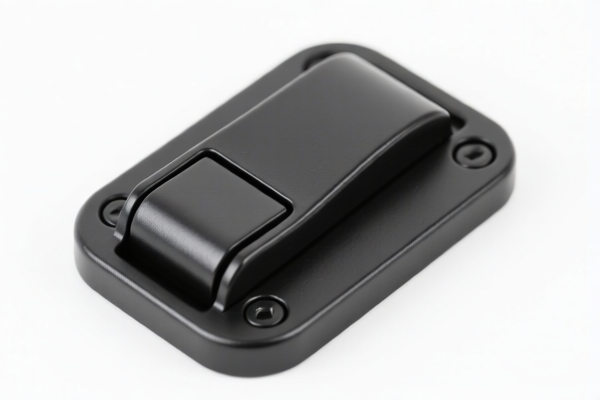
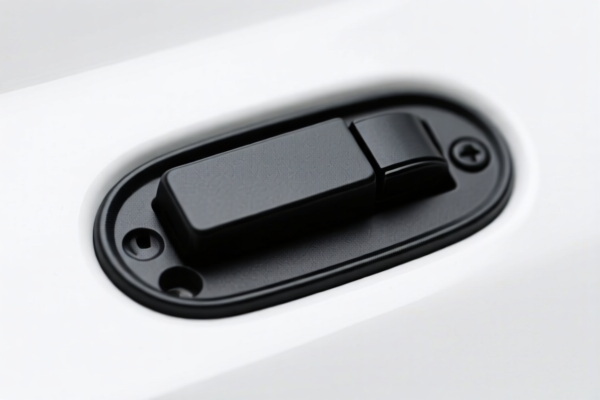
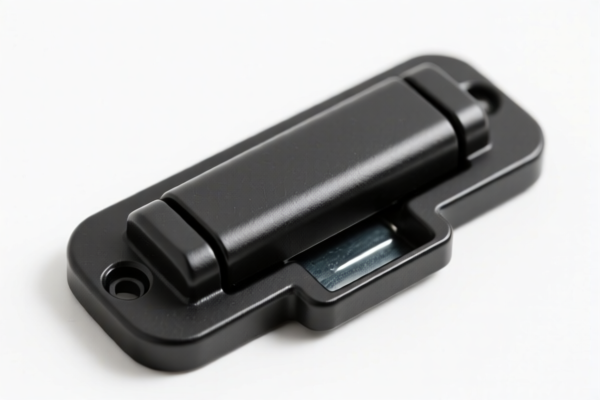
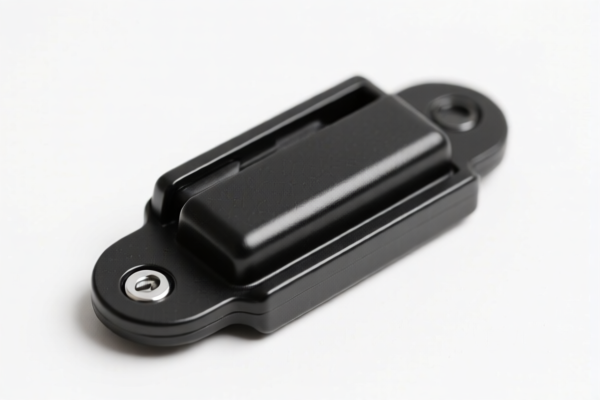
AI Analysis
🔐 Hood Lock (Automotive Locks & Latches)
🌐 HS Code Reference & Customs Clearance Guide | 2026 Latest Tariff Analysis | Professional-Level Entry Strategy
📌 Part I: Product Definition & Classification: Do You Really Understand "Hood Locks"?
The Hood Lock (also known as the Bonnet Lock or Hood Latch) is a critical safety component in automotive manufacturing. It secures the vehicle's hood (bonnet) to the chassis, preventing accidental opening while driving. In international trade, this product is strictly categorized under Base Metal Articles or Motor Vehicle Parts, depending on its specific construction and intended use.
Based on the provided <DATA>, the classification depends entirely on whether the item is considered a general lock or a specific automotive body part.
⚠️ Key Distinction Point:
- If the hood lock is marketed as a general-purpose lock or part of a latching mechanism without specific automotive branding/parts context → Chapter 83 (Base Metal Articles).
- If the hood lock is explicitly identified as a stampings or structural component of the vehicle body/cab → Chapter 87 (Vehicles).
📦 Part II: HS Code Classification Details (2026 Latest Tariff Authority Cross-Reference)
| HS Code | Product Description | Application Scenario | Tax Rate (China Origin to US) |
|---|---|---|---|
8301.40.60.30 |
Padlocks and locks... Other Door locks, locksets and other locks suitable for use with interior or exterior doors | General security locks, cabinet locks, or non-specific automotive locks | 0.0% |
8301.40.60.60 |
Padlocks and locks... Other (General Locks) | Standard mechanical locks not specifically for doors | 13.2% |
8708.29.51.10 |
Parts and accessories of motor vehicles... Other Stampings | Automotive hood locks classified as stampings (metal pressings) for vehicle bodies | 2.5% Base + 25% Additional = 27.5% |
8708.29.51.60 |
Parts and accessories of motor vehicles... Other Other | Automotive hood locks classified as general other parts (non-stamping) | 50.0% |
🔍 Critical Warning:
- Misclassification Risk: If you declare a hood lock as8301(General Lock), but customs determines it is a vehicle part, you may face penalties for incorrect declaration.
- Stampings vs. Other: The difference between8708.29.51.10and8708.29.51.60lies in the manufacturing process. Stampings (pressed metal parts) often have lower base tariffs (2.5%) but still incur the 25% Section 301 tariff. Other parts may be subject to the full 50% total tariff if no base rate applies or if specific exclusions don't apply.
💰 Part III: 2026 Latest Tariff Rate Breakdown (Including Add-on Taxes, Policy Add-ons)
✅ Applicable Country: United States (US)
✅ Country of Origin: China (CN)
✅ Effective Date: 2025 November 10 onwards (including subsequent imports)
🎯 1. 8301.40.60.30 —— General Door Locks (Zero Tax)
| Item | Content |
|---|---|
| Base Tariff | 0.0% |
| Section 301 Add-on Tariff | 0.0% |
| Total Tax Rate | 0.0% |
| Tax Calculation | CIF Value × 0% = $0 |
| De Minimis Eligibility | ❌ Not Applicable (Though 0% tax, proper declaration required) |
| Legal Basis Path | HTSUS:8301.40.60 → Footnote: No 301 Application |
📌 Explanation:
- This code is for door locks. If your "Hood Lock" is not clearly defined as an automotive part in the commercial invoice, customs might accept this classification as a "lock for exterior use."
- Risk: If customs inspects and finds it is exclusively for vehicles, they will reclassify it to Chapter 87, leading to back-taxes and penalties.
🎯 2. 8301.40.60.60 —— Other Base Metal Locks (13.2% Total)
| Item | Content |
|---|---|
| Base Tariff | 5.7% |
| Section 301 Add-on Tariff | 7.5% |
| Total Tax Rate | 13.2% |
| Tax Calculation | CIF Value × 13.2% |
| De Minimis Eligibility | ❌ Not Applicable |
| Legal Basis Path | HTSUS:8301.40.60 → Footnote: 7.5% Applicable |
📌 Explanation:
- This applies to general-purpose locks that are not door-specific.
- Risk: Still carries the risk of reclassification to automotive parts (Chapter 87) if the product’s intended use is clearly automotive.
🎯 3. 8708.29.51.10 —— Automotive Hood Locks (Stampings) (27.5% Total)
| Item | Content |
|---|---|
| Base Tariff | 2.5% |
| Section 301 Add-on Tariff | 25.0% |
| Total Tax Rate | 27.5% |
| Tax Calculation | CIF Value × 27.5% |
| De Minimis Eligibility | ❌ Not Applicable |
| Legal Basis Path | HTSUS:8708.29.51.10 → Footnote: 25% Applicable |
📌 Explanation:
- This is the most likely correct classification for hood locks if they are stamped metal components.
- Why 27.5%?: The base rate is low (2.5%), but the 25% Section 301 tariff is mandatory for most Chinese-origin automotive parts.
- Advantage: Lower than the "Other" category.
🎯 4. 8708.29.51.60 —— Automotive Hood Locks (Other Parts) (50.0% Total)
| Item | Content |
|---|---|
| Base Tariff | 0.0% |
| Section 301 Add-on Tariff | 50.0% |
| Total Tax Rate | 50.0% |
| Tax Calculation | CIF Value × 50.0% |
| De Minimis Eligibility | ❌ Not Applicable |
| Legal Basis Path | HTSUS:8708.29.51.60 → Footnote: 50% Applicable |
📌 Explanation:
- If the hood lock is not a stamping (e.g., it’s an assembly with electronics, complex mechanisms), it falls under "Other."
- High Risk: This incurs the highest tariff (50%).
- Why 50%?: Some automotive parts are subject to a higher 50% add-on tariff under specific trade actions.
🛠️ Part IV: Customs Clearance Practical Advice (Avoiding Pitfalls)
✅ 1. Required Documentation Checklist
| Document | Mandatory? | Description |
|---|---|---|
| ✅ Commercial Invoice | ✔️ | Must clearly state "Automotive Hood Lock" or "Vehicle Body Part". Do NOT use vague terms like "Metal Lock" if it's for cars. |
| ✅ Product Specification Sheet | ✔️ | Include part number, vehicle make/model compatibility, and material (e.g., "Stamped Steel"). |
| ✅ Photos of the Product | ✔️ | Show the lock mechanism, branding, and any mounting points. |
| ✅ Proof of Origin | ✔️ | Certificate of Origin (CO) for China. |
| ✅ Bill of Lading | ✔️ | Standard shipping document. |
✅ 2. Declaration Tips (Key Mnemonic)
🔥 "Automotive Parts, Declare as Auto; Stamped Metal, Lower Tax; Vague Terms, High Risk!"
| Scenario | Correct Declaration | Wrong Action |
|---|---|---|
| Hood lock for car manufacturing | 8708.29.51.10 (if stamped) or 8708.29.51.60 (if other) |
Declaring as 8301 (General Lock) → Customs Rejection + Penalty |
| Hood lock sold as spare part for home use (rare) | 8301.40.60.30 (only if truly for doors) |
Declaring as automotive part → Unnecessary 27.5%-50% tax |
| Stamped metal hood lock | 8708.29.51.10 |
Declaring as "Other" (8708.29.51.60) → Pay 50% instead of 27.5% |
✅ 3. Special Situations
| Situation | Handling Advice |
|---|---|
| OEM Automotive Parts | Provide Vehicle Make/Model in the invoice. Customs uses this to verify Chapter 87 classification. |
| Electromechanical Hood Locks | If the lock has an electric motor/actuator, it may still fall under 8708 but could be scrutinized. Ensure description matches "Part of Body/Cab." |
| Mixed Containers | If shipping hood locks with general hardware (keys, door locks), separate the HS Codes. Do not lump them under one line item. |
| Stamping Process | If the lock is manufactured by stamping, provide a process description ("Stamped Steel Hood Latch") to justify 8708.29.51.10 over 8708.29.51.60. |
🌍 Part V: Global Market Comparison (2026 Latest)
| Country/Region | Recommended HS Code | Tariff (China Origin) | Certification Requirements | Notes |
|---|---|---|---|---|
| 🇺🇸 USA | 8708.29.51.10 |
27.5% (Stamped) 50.0% (Other) |
DOT, SAE (if applicable) | High Tariff Risk. Avoid misclassifying as 8301. |
| 🇨🇳 China | 8301.40.60 or 8708 |
Low/None (Import Tariff) | CCC (for some auto parts) | Domestic trade often uses different codes. |
| 🇪🇺 EU | 8301.40 or 8708 |
Varies (Often 0-4%) | UNECE Regulations | EU has lower tariffs but stricter safety standards. |
| 🇲🇽 Mexico | 8708.29 |
0% (under USMCA if qualified) | NOM Standards | Consider nearshoring to avoid US tariffs. |
📌 Conclusion:
- USA is the most expensive market for Chinese hood locks due to Section 301 tariffs.
- Mexico/Canada under USMCA may offer 0% tariffs if the product meets Rule of Origin requirements.
- Do NOT attempt to smuggle hood locks under "Door Locks" (8301). Automated customs systems flag automotive parts by keyword and pattern.
📌 Part VI: Common Mistakes & Pitfalls (Blood Lessons)
❌ Mistake 1: Declaring "Hood Lock" as "Padlock" or "Door Lock"
👉 Consequence: Customs audit reveals it’s for vehicles → Reclassification to 8708 + Penalties + Back Taxes (27.5% or 50%).
❌ Mistake 2: Using "Other" (8708.29.51.60) when it’s a Stamping
👉 Consequence: Paying 50% tax instead of 27.5% → 22.5% unnecessary cost.
❌ Mistake 3: Not providing Vehicle Compatibility
👉 Consequence: Customs cannot verify it’s an auto part → Delay in clearance or detention.
❌ Mistake 4: Using vague descriptions like "Metal Hardware"
👉 Consequence: High risk of manual inspection and incorrect classification.
✅ Correct Practice:
"Automotive Hood Lock, Stamped Steel, For [Make/Model] Vehicle, Part Number XYZ, Meets SAE Standards"
🎯 Part VII: Conclusion: Professional Declaration Saves Money!
🎯 Remember the Mantra:
🔹 "Auto Lock is Auto Part, Not Door Lock!"
🔹 "Stamping Saves 22.5%, Other Costs 50%!"
🔹 "Deceive Customs? Don’t. It Costs You More!"
📌 Pro Tip:
- If your hood locks are assembled in Mexico or Canada from Chinese components, they may qualify for 0% USMCA tariffs.
- Apply for an Advance Ruling from US Customs and Border Protection (CBP) if your shipment volume is high. This provides legal certainty on the HS Code and tariff rate.
📣 Take Action Now:
📞 Contact a licensed customs broker.
📤 Provide product photos + specifications + intended use.
🚀 Ensure accurate classification to avoid surprise bills at the port!
✨ Professional Clearance Starts with Precise Classification!
💼 Your Profit Margin Depends on the Right HS Code!
Customer Reviews
About HS Code Classification
The Harmonized System (HS) is an internationally standardized nomenclature developed by the World Customs Organization (WCO) to classify traded products. Over 200 countries use the HS system as the basis for customs tariffs, trade statistics, and import/export regulations.
Each HS code follows a hierarchical structure:
- Chapter (2 digits) — Broad category of goods (e.g., Chapter 84: Machinery and Mechanical Appliances)
- Heading (4 digits) — More specific grouping within the chapter
- Subheading (6 digits) — Internationally standardized breakdown, used by all WCO member countries
- National subdivisions (8-10 digits) — Country-specific extensions for further classification, such as US HTSUS 10-digit codes
Correct HS code classification is essential for smooth customs clearance, accurate duty payment, and compliance with trade regulations. Misclassification can lead to customs delays, overpayment of duties, or penalties.
When importing from CN to US, the applicable tariff rates may include:
- Most-Favored-Nation (MFN) rate — The standard duty rate applied to WTO members
- General rate — Applied to countries without trade agreements
- Trade remedy duties — Additional tariffs such as Section 301 (anti-dumping), Section 232 (national security), or countervailing duties
The information provided on this page is for reference purposes only. For official classification, please consult with your local customs authority or a licensed customs broker.