Horizontal ID Card Holder 2 Piece Set with Badge Scroll
CN → US| HS Code | Tariff Rate | Origin | Destination | Doc |
|---|---|---|---|---|
| 4202328000 | 40.7% | CN | US | Official Doc |
| 3926909989 | 22.8% | CN | US | Official Doc |
| 4202329100 | 52.6% | CN | US | Official Doc |
Product Images
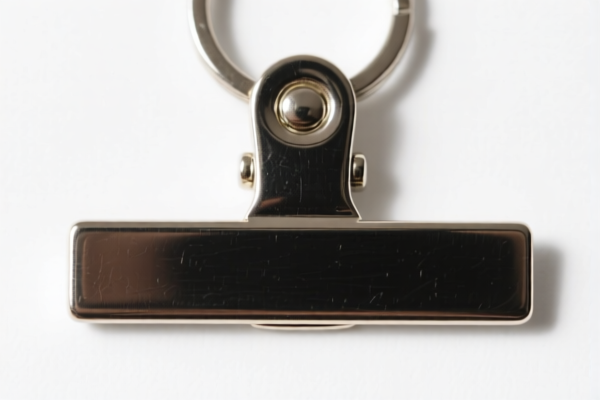
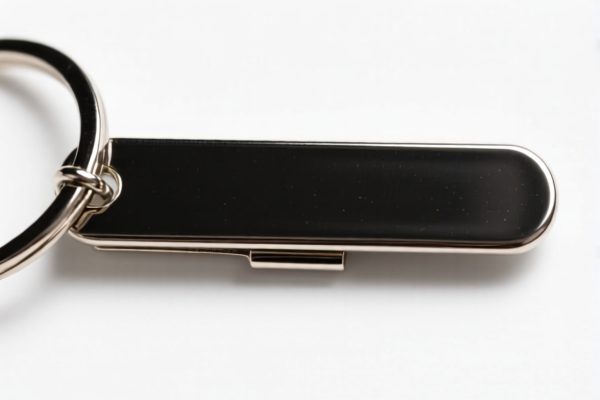
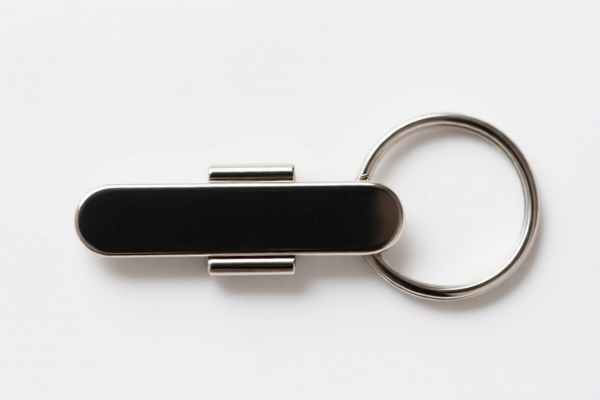
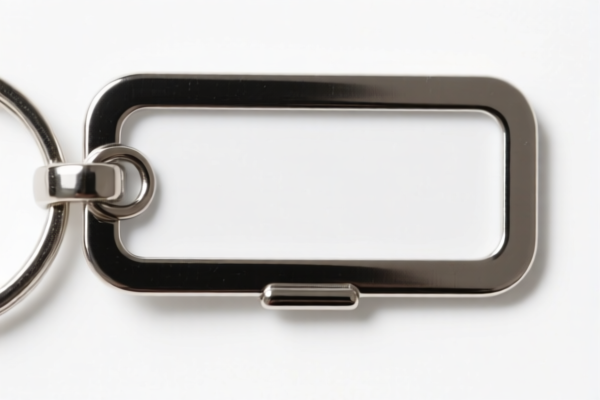
AI Analysis
🎫 Horizontal ID Card Holder 2 Piece Set with Badge Scroll
🌐 HS Code Classification & Customs Clearance Guide | 2026 Tax Analysis | Professional Strategy for Accessories
📌 I. Product Definition: What exactly is being imported?
This product is a set consisting of:
1. Horizontal ID Card Holder: A sleeve or case designed to hold standard identification cards horizontally.
2. Badge Scroll (Reel/Badge Holder): A mechanism (usually plastic or metal) used to retract and display employee badges or keys.
⚠️ Key Classification Challenge:
The classification depends entirely on the material composition of the card holder and the dominant function.
- If the holder is Textile/Fabric → It falls under Handbag/Container categories (Chapter 42).
- If the holder is Plastic → It falls under Miscellaneous Plastic Articles (Chapter 39).
📦 II. HS Code Classification Details (Based on Provided Data)
| HS Code | Product Description & Logic | Primary Material | Duty Profile |
|---|---|---|---|
| 4202.32.80.00 | Textile/Card Holder: Classified as a holder/pouch. Commonly made of synthetic fibers or fabric. | Textile/Fabric (Inferred) | Total: 40.7% |
| 3926.90.99.89 | Plastic Badge Holder: "Badge Scroll" and ID holders made of plastic. Considered "Other Plastic Articles" as a residual category. | Plastic | Total: 22.8% |
| 4202.32.91.00 | Textile Holder (Premium): Similar to above, but may imply higher-end textile construction or specific sub-classification for handbag-type containers. | Textile/Fabric (Inferred) | Total: 52.6% |
🔍 Critical Distinction:
- 4202.32.xxxx items are treated as articles of apparel/accessories (like purses).
- 3926.90.xxxx items are treated as generic plastic goods.
- Note: The "Badge Scroll" itself is often plastic, but if attached to a textile card holder, customs may classify based on the principal component or the set's primary identity.
💰 III. 2026 Customs Duty Breakdown (Detailed Tax Clauses)
✅ Target Market: United States (US)
✅ Origin: China (CN)
✅ Applicable Laws: Section 301 Tariffs & IEEPA (Section 122)
🎯 1. HS Code: 4202.32.80.00 (Textile-Based Holder)
Best for: Fabric/Synthetic Fiber ID Holders
| Item | Detail |
|---|---|
| Base Duty Rate | 5.7% |
| Section 301 Surcharge | +25.0% |
| IEEPA / 122-Clause Surcharge | +10.0% |
| Total Effective Rate | 40.7% |
| Calculation | CIF Value × 40.7% |
| De Minimis Exemption | ❌ NOT Eligible (High total rate > 25%) |
📌 Why this rate?
- The 25% is the standard Section 301 tariff on many textile accessories from China.
- The 10% is an additional layer under the International Emergency Economic Powers Act (IEEPA), often referred to as the "122 clause" or specific executive order surcharge.
- Total 40.7% makes this a high-cost entry point for textile accessories.
🎯 2. HS Code: 3926.90.99.89 (Plastic-Based Holder)
Best for: Plastic/Cardboard/Composite ID Holders & Badge Reels
| Item | Detail |
|---|---|
| Base Duty Rate | 5.3% |
| Section 301 Surcharge | +7.5% |
| IEEPA / 122-Clause Surcharge | +10.0% |
| Total Effective Rate | 22.8% |
| Calculation | CIF Value × 22.8% |
| De Minimis Exemption | ❌ NOT Eligible (Total rate > 25%? No, but likely >7.5% threshold for scrutiny; however, specific rules may vary. Note: Usually, rates < 25% might qualify for de minimis depending on the specific IEEPA interpretation, but given the 10% IEEPA, it often blocks de minimis. Check latest CBP rulings.) |
📌 Why this rate?
- The Base Rate is low (5.3%) because it’s a miscellaneous plastic good.
- The Section 301 Rate is only 7.5% (lower than the 25% for textiles), as many plastic products enjoy lower tariff escalation.
- The 10% IEEPA applies uniformly to covered Chinese goods.
- Total 22.8% is significantly cheaper than the textile classification.
🎯 3. HS Code: 4202.32.91.00 (High-End Textile Holder)
Best for: Luxury Fabric Holders or Specific Textile Sub-classifications
| Item | Detail |
|---|---|
| Base Duty Rate | 17.6% |
| Section 301 Surcharge | +25.0% |
| IEEPA / 122-Clause Surcharge | +10.0% |
| Total Effective Rate | 52.6% |
| Calculation | CIF Value × 52.6% |
| De Minimis Exemption | ❌ NOT Eligible |
📌 Why this rate?
- This classification implies a higher base duty (17.6%) for certain textile containers, possibly due to stricter sub-category definitions.
- Combined with the standard 25% Section 301 and 10% IEEPA, this becomes the most expensive option.
- Avoid this code unless the product is definitively classified here by CBP.
🛠️ IV. Customs Clearance Strategy & Recommendations
✅ 1. Material Declaration is Critical
To avoid misclassification and subsequent audits, you MUST declare the material accurately.
| Scenario | Recommended HS Code | Cost Advantage | Risk |
|---|---|---|---|
| Holder is Fabric/Neoprene/Felt | 4202.32.80.00 |
High Cost (40.7%) | Medium (If declared plastic) |
| Holder is Hard Plastic/Metal Reel | 3926.90.99.89 |
Lowest Cost (22.8%) | Low (Plastic is common) |
| Mixed Materials | Check "Principal Material" | Depends on >50% rule | High (Complex) |
💡 Pro Tip: If your product has a plastic badge reel and a plastic card sleeve, insist on 3926.90.99.89. If it’s a fabric pouch with a plastic clip, it likely falls under 4202.32.80.00.
✅ 2. Documentation Requirements for Smooth Clearance
| Document | Requirement | Purpose |
|---|---|---|
| Commercial Invoice | Clearly state: "Set includes 1x Horizontal ID Card Holder and 1x Badge Scroll" | Prevents "missing item" flags |
| Material Spec Sheet | Specify: "Holder Material: 100% Polyester / Plastic Reel: ABS" | Validates HS Code choice |
| Product Photos | Show both items clearly | Helps CBP officer verify content |
| Origin Label | "Made in China" | Triggers Section 301 & IEEPA correctly |
✅ 3. Strategic Recommendations to Reduce Costs
-
Optimize for Plastic (If Possible):
If your design allows, switch from fabric to rigid plastic or composite plastic holders. This shifts the tariff from 40.7% to 22.8%, saving ~18% in duties. -
Avoid "Handbag" Language:
Do not describe the product as a "pouch," "purse," or "handbag accessory" in marketing materials if possible. Use terms like "Office Supply," "Badge Holder," or "Plastic Accessory" to support the 3926.90 classification. -
Beware of "Set" Classification:
Customs may classify the entire set based on the item that gives it its "essential character."- If the Badge Scroll is the main function → Plastic (3926.90).
- If the Card Holder is the main function → Check its material.
🌍 V. Market Comparison & Final Verdict
| Market | HS Code Preference | Total Duty | Notes |
|---|---|---|---|
| 🇺🇸 USA (China Origin) | 3926.90.99.89 (Plastic) | 22.8% | Best Option |
| 🇺🇸 USA (China Origin) | 4202.32.80.00 (Textile) | 40.7% | High Cost |
| 🇺🇸 USA (China Origin) | 4202.32.91.00 (Textile) | 52.6% | Avoid |
| 🇪🇺 EU (China Origin) | 4202.32.80 / 3926.90 | Varies (usually 4-6.5%) | No Section 301/IEEPA |
📌 Final Advice:
- If you sell in the US, push for Plastic Classification (3926.90.99.89).
- Total Duty Savings: Up to ~30 percentage points compared to textile options.
- Action Item: Review your product design. If it’s >50% plastic by weight/value, declare as 3926.90.99.89 and provide material specs accordingly.
🎯 VI. Conclusion: Smart Classification Saves Money
🎯 Key Takeaway:
🔹 Plastic Badge Holders = 22.8% Duty
🔹 Textile Card Holders = 40.7% - 52.6% Duty
🔹 The 122-Clause (IEEPA) 10% is unavoidable for Chinese origins, but base rates differ wildly.
✅ Best Practice:
Use HS Code 3926.90.99.89 whenever possible. It offers the lowest total tax burden for ID card holders and badge scrolls imported from China to the US.
📌 Next Steps:
1. Verify Material: Confirm if your holder is plastic or textile.
2. Update Invoice: Ensure descriptions match the HS Code.
3. Consult Broker: Ask your customs broker to confirm "Principal Character" for the set.
🚀 Clearance Tip:
"Plastic is cheaper than fabric in US Customs!"
Optimize your design and documentation to leverage the lower 7.5% Section 301 rate on plastic goods.
✨ Professional Clearance, Accurate Tariffs, Maximized Profit.
💼 Don't let misclassification cost you nearly 30% in additional duties.
Customer Reviews
About HS Code Classification
The Harmonized System (HS) is an internationally standardized nomenclature developed by the World Customs Organization (WCO) to classify traded products. Over 200 countries use the HS system as the basis for customs tariffs, trade statistics, and import/export regulations.
Each HS code follows a hierarchical structure:
- Chapter (2 digits) — Broad category of goods (e.g., Chapter 84: Machinery and Mechanical Appliances)
- Heading (4 digits) — More specific grouping within the chapter
- Subheading (6 digits) — Internationally standardized breakdown, used by all WCO member countries
- National subdivisions (8-10 digits) — Country-specific extensions for further classification, such as US HTSUS 10-digit codes
Correct HS code classification is essential for smooth customs clearance, accurate duty payment, and compliance with trade regulations. Misclassification can lead to customs delays, overpayment of duties, or penalties.
When importing from CN to US, the applicable tariff rates may include:
- Most-Favored-Nation (MFN) rate — The standard duty rate applied to WTO members
- General rate — Applied to countries without trade agreements
- Trade remedy duties — Additional tariffs such as Section 301 (anti-dumping), Section 232 (national security), or countervailing duties
The information provided on this page is for reference purposes only. For official classification, please consult with your local customs authority or a licensed customs broker.