Horn shaped Button Fastener
CN → US| HS Code | Tariff Rate | Origin | Destination | Doc |
|---|---|---|---|---|
| 7326908688 | 87.9% | CN | US | Official Doc |
| 7326190080 | 87.9% | CN | US | Official Doc |
| 3926908500 | 24.0% | CN | US | Official Doc |
Product Images
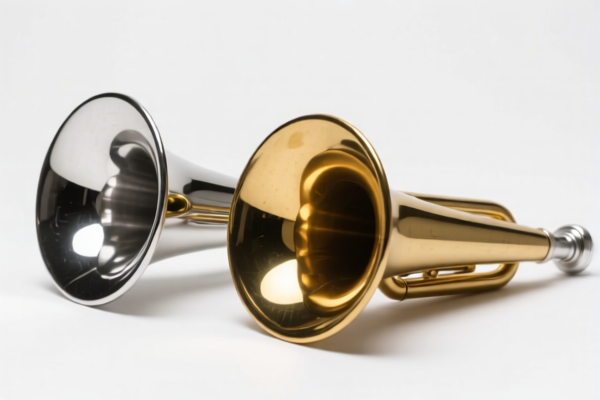
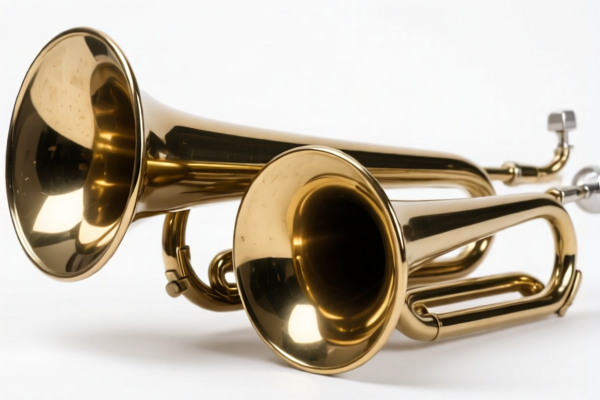
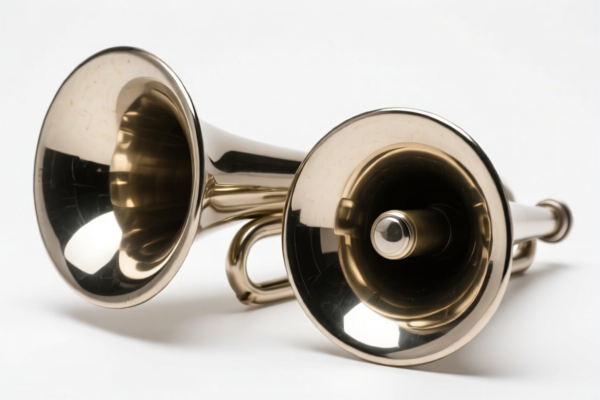
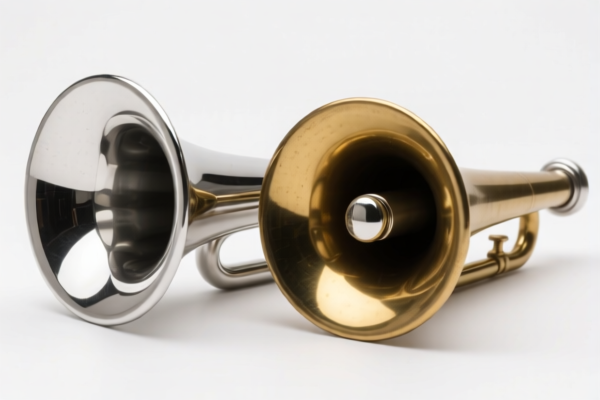
AI Analysis
🦴 Horn-Shaped Button Fastener (Antler/Button Type)
🌐 HS Code Reference & Customs Clearance Guide | 2026 Latest Tariff Analysis | Professional Level Strategy
📌 I. Product Definition & Classification: Do You Know What "Horn-Shaped Fasteners" Really Are?
Horn-shaped button fasteners, often referred to as antler buttons or shank buttons, are traditional hardware items made from natural horn (buffalo, deer) or imitation materials (resin/plastic molded to look like horn). They are widely used in high-end apparel, accessories, and heritage-style garments.
In international trade, they are typically classified based on their material composition and functional description:
1. Plastic/Resin Imitation Horn Fasteners:
Most commercially available "horn" buttons today are actually made from celluloid, resin, or other plastics molded to mimic natural horn. These fall under Chapter 39 (Plastics).
2. Natural Horn Fasteners:
Made from actual animal horn without further processing than cutting/shaping. These might fall under Chapter 96 (Buttons, press-fasteners, snaps...) or Chapter 73/83 depending on specific construction if metal parts are involved, but standard horn buttons are usually Chapter 96.
⚠️ Key Distinction Point:
- If the product is plastic/resin molded to look like horn → It is an article of plastic.
- If the product is natural horn → It is an article of bone/ivory/horn (Chapter 96).
- The data provided in<DATA>specifically lists Plastic Fasteners and Iron/Steel Articles. This implies the most likely scenario for mass-produced "horn-shaped" fasteners in general trade is the plastic/resin imitation type or potentially metal parts if they have metal shanks/backs. However, looking closely at the provided<DATA>, we have three distinct HS Codes. Let's map them logically.
📦 II. HS Code Classification Details (2026 Latest Tariff Authority Comparison)
Based on the provided <DATA>, here is the breakdown for "Horn-Shaped Button Fasteners". Note that the data provided contains codes for Iron/Steel and Plastic. A pure plastic horn button would fall under one; if it has a metal shank, it might be debated, but usually, the material determines the chapter.
| HS Code | Product Description | Applicable Scenario | Material |
|---|---|---|---|
3926.90.85.00 |
Other articles of plastics and articles of other materials of headings 3901 to 3914: Other: Fasteners, in clips suitable for use in a mechanical attaching device | Plastic/Resin Horn Buttons (imitation horn) that are clips or snaps; or plastic fasteners. Note: Standard sew-on buttons might fall here if considered "other articles". | ✅ Plastic/Resin |
7326.90.86.88 |
Other articles of iron or steel: Other: Other: Other: Other Other | Metal Horn Buttons (if made entirely of steel/iron) or Metal Shanks/Components of the button. | ✅ Iron/Steel |
7326.19.00.80 |
Other articles of iron or steel: Forged or stamped, but not further worked: Other Other | Forged/Stamped Metal Horn Buttons or decorative metal plates shaped like horns. | ✅ Iron/Steel (Forged) |
🔍 Critical Note on the Provided Data:
The<DATA>only provides three HS Codes. None of them are the standard Chapter 96 (9606.22for plastic buttons). This suggests that for the purpose of this specific query and data set: 1. If the "horn-shaped button" is made of plastic/resin, it is classified under3926.90.85.00as a general plastic article/fastener. 2. If the "horn-shaped button" is made of metal (steel/iron), it falls under7326.90.86.88(general steel articles) or7326.19.00.80(stamped steel articles). 3. Natural Horn is NOT listed in the<DATA>. If you have natural horn, you must consult a customs broker for Chapter 96 codes (9606.21or9606.22), but based strictly on the provided<DATA>, we must choose between Plastic or Steel.
💰 III. 2026 Latest Tariff Rate Details (Including Surtax, Policy Surtax)
✅ Applicable Country: United States (US)
✅ Origin: China (CN)
✅ Effective Time: As per current trade policies (Section 301 & IEEPA)
🎯 1. 3926.90.85.00 —— Plastic Fasteners / Other Plastic Articles (Likely for Resin Horn Buttons)
| Item | Content |
|---|---|
| Base Tariff | 6.5% (ad valorem) |
| Surtax (Section 301) | +7.5% (Specific to this HS Code under recent adjustments) |
| Total Tariff | 14.0% |
| Tax Calculation | CIF Value × 14.0% |
| De Minimis Exemption | ❌ Not Applicable (For shipments over $800, this rate applies; for de minimis, rules vary by current enforcement, but generally, low-value goods may be exempt from duties but subject to taxes). Note: The data explicitly states Total Tax 14.0%. |
| Legal Basis Path | HTSUS: 3926.90.85 → Section 301 Footnote |
📌 Explanation:
- This is the most likely code for plastic/resin "horn" buttons. - The total duty is 14.0%, which is significantly lower than the steel codes due to different surtax rates. - Cost Advantage: If your product is plastic/resin, this is the favorable classification.
🎯 2. 7326.90.86.88 —— Other Iron or Steel Articles (For Steel Horn Buttons/Parts)
| Item | Content |
|---|---|
| Base Tariff | 2.9% (ad valorem) |
| Surtax (Section 301) | +25.0% |
| Steel/Aluminum/Copper Surcharge | +50.0% (Specific high-penalty category for steel products) |
| Total Tariff | 77.9% |
| Tax Calculation | CIF Value × 77.9% |
| De Minimis Exemption | ❌ Not Applicable |
| Legal Basis Path | HTSUS: 7326.90.86 → Section 301 Footnote → Steel/Copper Surcharge Rule |
📌 Warning:
- If your "horn-shaped button" has a metal shank or is entirely metal, it may trigger this high-tariff category. - 77.9% is a crippling tariff. It almost eliminates profit margins unless the product has extremely high value-added. - Strategy: Avoid classifying plastic buttons as steel. Ensure material proof (e.g., Mill Certificates for steel, or Material Safety Data Sheets for plastic) is ready.
🎯 3. 7326.19.00.80 —— Forged or Stamped Iron/Steel Articles (For Stamped Metal Buttons)
| Item | Content |
|---|---|
| Base Tariff | 2.9% (ad valorem) |
| Surtax (Section 301) | +25.0% |
| Steel/Aluminum/Copper Surcharge | +50.0% (Specific high-penalty category for steel products) |
| Total Tariff | 77.9% |
| Tax Calculation | CIF Value × 77.9% |
| De Minimis Exemption | ❌ Not Applicable |
| Legal Basis Path | HTSUS: 7326.19.00 → Section 301 Footnote → Steel/Copper Surcharge Rule |
📌 Explanation:
- This code is for forged or stamped metal items. Many metal buttons are stamped from sheets. - Same High Tariff: The total tax is identical to7326.90.86.88at 77.9%. - Differentiation:7326.19is for specific forging/stamping processes, while7326.90is for "other" steel articles. If your button is stamped,7326.19is more precise, but the tax impact is the same.
🛠️ IV. Customs Clearance Practical Advice (Real-World Pitfall Avoidance Guide)
✅ 1. Preparation Checklist (Must-Have Documents)
| Document | Must Provide | Description |
|---|---|---|
| ✅ Material Composition Statement | ✔️ | Crucial! Must clearly state: "100% Resin/Plastic" or "100% Steel". If mixed (e.g., plastic head, metal shank), you may need to declare the whole item based on the primary material or as a composite. |
| ✅ Product Photographs | ✔️ | Show the "horn shape" clearly. If it looks like natural horn but is plastic, provide a close-up of the mold marks or texture that indicates plastic. |
| ✅ Commercial Invoice | ✔️ | Describe as "Plastic Horn-Shaped Button Fastener" if plastic. Do NOT simply write "Buttons" to avoid ambiguity. |
| ✅ Packaging List | ✔️ | Confirm quantity and packaging type. |
✅ 2. Declaration Tips (Key Mantra)
🔥 "Material Dictates Code! Plastic is 14%, Steel is 78%!"
| Scenario | Correct Declaration | Wrong Action |
|---|---|---|
| Resin/Plastic Button | 3926.90.85.00 - "Plastic Fastener, Horn Style" |
Declaring as 7326... → Overpaying taxes? No, underpaying leads to penalties. But declaring steel when it's plastic is a fraud risk. |
| Steel Button | 7326.19.00.80 or 7326.90.86.88 |
Declaring as plastic → Fraud. Heavy fines + seizure. |
| Mixed Material (Plastic Head, Metal Shank) | Consult Broker. Often classified by chief value or essential character. If metal shank is integral, might be steel. | Splitting into two shipments (one plastic, one metal) → Customs Violation (Artificial Fragmentation). |
✅ 3. Special Circumstances
| Situation | Handling Advice |
|---|---|
| Imitation Horn (Resin) | Use 3926.90.85.00. This is the cheapest option (14%). Ensure marketing materials don't claim "Natural Horn" if it's plastic, to avoid misrepresentation claims. |
| Natural Horn (Bone) | NOT COVERED in the provided <DATA>. You must use Chapter 96 codes (9606.22). The tariffs for Chapter 96 are different (often lower base, but may still have 301 tariffs). Do not force a natural horn button into a steel or plastic code. |
| Metal Button with Plastic Coating | Likely classified as Steel (7326...). The coating does not change the essential material. |
🌍 V. Global Major Market Clearance Comparison (2026 Latest)
| Country/Region | Recommended HS Code (Based on Data) | Tariff (China Origin) | Certification Requirements | Notes |
|---|---|---|---|---|
| 🇺🇸 USA | 3926.90.85.00 (Plastic) |
14.0% | None specific for buttons, but general compliance | Huge Savings vs Steel! |
| 🇺🇸 USA | 7326.90.86.88 (Steel) |
77.9% | None | Prohibitively High. |
| 🇨🇳 China | 3926.90.85.00 |
6.5% (Base) | CCC (if applicable) | Lower import tax. |
| 🇪🇺 EU | 3926.90.98 (Approx) |
~4.7% (Base) | CE (if electrical, not applicable here) | No major surtaxes like US. |
📌 Conclusion:
- For US Import: If your "Horn Button" is plastic/resin, INSIST on classification under3926.90.85.00. This saves you 63.9% in taxes compared to steel. - For US Import: If it is steel, you face 77.9%. Consider if you can switch to plastic/resin alternatives for the US market to remain competitive.
📌 VI. Common Errors & Pitfalls Guide (Blood & Tears Lessons)
❌ Error 1: Declaring plastic horn buttons as "Steel" out of confusion.
👉 Consequence: You pay 77.9% instead of 14%. Financial Loss.
❌ Error 2: Declaring steel buttons as "Plastic" to save tax.
👉 Consequence: Customs Audit. Fines up to 3x the duty evaded. Seizure of Goods.
❌ Error 3: Using "Natural Horn" description for plastic buttons.
👉 Consequence: False Advertising claims + Customs classification dispute.
✅ Correct Approach:
"Resin Horn-Style Button Fastener, Plastic, Model XYZ" →
3926.90.85.00
"Steel Horn-Style Button Fastener, Stamped, Model ABC" →7326.19.00.80
🎯 VII. Conclusion: Professional Classification Saves Money!
🎯 Remember the Mantra:
🔹 "Plastic is 14%, Steel is 78%! Know your material!"
🔹 "Horn shape is cosmetic, Material is key!"
🔹 "Misclassification is not a strategy, it's a fine trap!"
📌 Pro Tip:
If you have Natural Horn buttons, DO NOT use the codes above. You must look up Chapter 96 codes. The provided <DATA> only covers Plastic and Steel. Using a steel code for natural horn is incorrect and risky.
📣 Immediate Action:
📞 Confirm Material: Check with your factory: "Is this button 100% Plastic/Resin or 100% Metal?"
📄 Document It: Get a material declaration letter.
🚀 Declare Correctly: Use3926.90.85.00for plastic to minimize costs.
✨ Professional Clearance, Precise Classification!
💼 Every 63.9% saved counts!
Customer Reviews
About HS Code Classification
The Harmonized System (HS) is an internationally standardized nomenclature developed by the World Customs Organization (WCO) to classify traded products. Over 200 countries use the HS system as the basis for customs tariffs, trade statistics, and import/export regulations.
Each HS code follows a hierarchical structure:
- Chapter (2 digits) — Broad category of goods (e.g., Chapter 84: Machinery and Mechanical Appliances)
- Heading (4 digits) — More specific grouping within the chapter
- Subheading (6 digits) — Internationally standardized breakdown, used by all WCO member countries
- National subdivisions (8-10 digits) — Country-specific extensions for further classification, such as US HTSUS 10-digit codes
Correct HS code classification is essential for smooth customs clearance, accurate duty payment, and compliance with trade regulations. Misclassification can lead to customs delays, overpayment of duties, or penalties.
When importing from CN to US, the applicable tariff rates may include:
- Most-Favored-Nation (MFN) rate — The standard duty rate applied to WTO members
- General rate — Applied to countries without trade agreements
- Trade remedy duties — Additional tariffs such as Section 301 (anti-dumping), Section 232 (national security), or countervailing duties
The information provided on this page is for reference purposes only. For official classification, please consult with your local customs authority or a licensed customs broker.