Horse Leather Belt
CN → US| HS Code | Tariff Rate | Origin | Destination | Doc |
|---|---|---|---|---|
| 4205000500 | 37.9% | CN | US | Official Doc |
| 4205004000 | 36.8% | CN | US | Official Doc |
| 4104112000 | 37.4% | CN | US | Official Doc |
| 4107917030 | 15.0% | CN | US | Official Doc |
| 4104412000 | 37.4% | CN | US | Official Doc |
| 4107117030 | 15.0% | CN | US | Official Doc |
Product Images
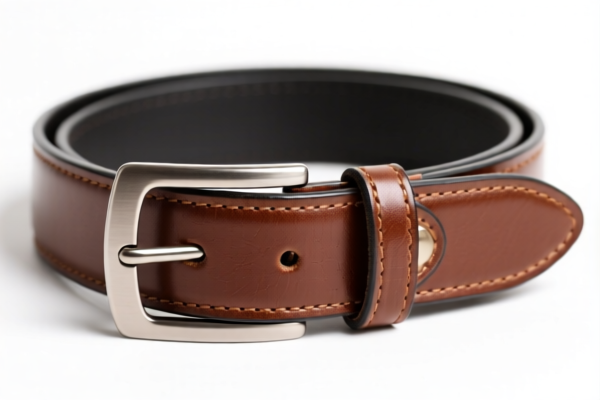
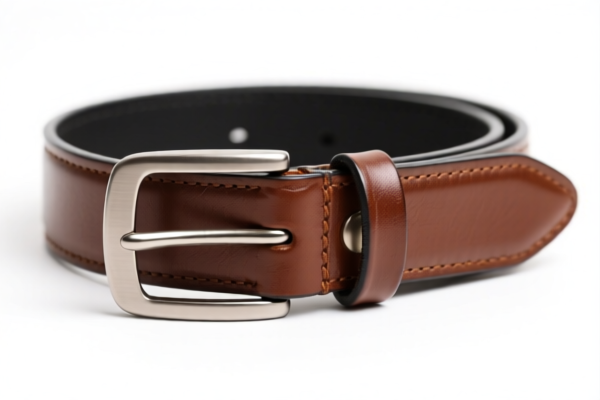
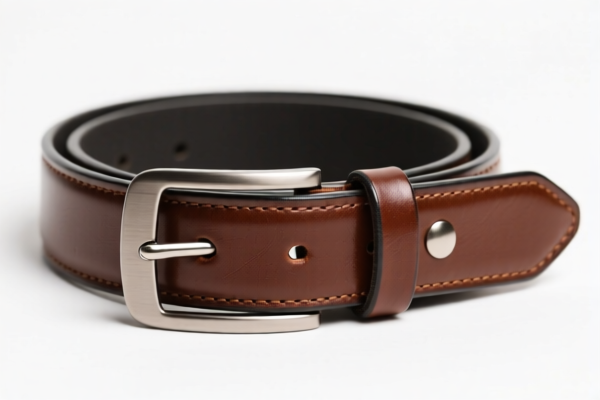
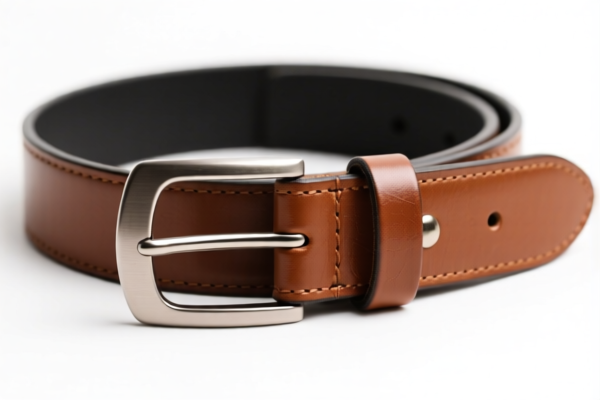
AI Analysis
👞 Horse Leather Belt Materials & Components
🌐 HS Code Reference & Customs Clearance Guide | 2026 Latest Tariff Analysis | Professional Clearance Strategy
📌 I. Product Definition & Classification: What is "Horse Leather Belt Material"?
Horse leather belt materials refer to raw, semi-finished, or finished leather products specifically made from horsehide, intended for the manufacture of belts, straps, or similar goods. In international trade, these are categorized based on their processing stage, form, and intended use:
- Raw/Semi-Finished Leather: Unprocessed or lightly processed hides/skins (e.g., tanned but not yet cut into belt strips).
- Finished Belt Parts: Pre-cut strips, worn-resistant materials, or shaped pieces ready for assembly.
- Key Distinction:
- If it’s uncut, unworked, or minimally processed → Classified under Chapter 41 (Raw/Hides/Skins).
- If it’s cut, shaped, or finished for direct use → Classified under Chapter 42 (Articles of Leather).
⚠️ Critical Identification Point:
- Material: Must be horse leather (not cow, pig, or synthetic).
- Form: Is it a raw hide, a tanned skin, or a pre-cut belt strip?
- Use: Is it for manufacturing (Chapter 41) or ready-to-assemble (Chapter 42)?
📦 II. HS Code Classification Details (2026 Latest Tariff对照)
| HS Code | Product Description | Application Scenario | Processing Stage | Duty Rate (US/CN) |
|---|---|---|---|---|
| 4205.00.05.00 | Horse leather wear-resistant belt material, in raw material form | For manufacturing transmission belts or industrial leather products | Semi-finished/Unprocessed | 37.9% |
| 4205.00.40.00 | Horse leather wear-resistant belt material, in belt strip form | Ready for cutting/sewing into belts | Finished/Processed | 36.8% |
| 4104.11.20.00 | Horse leather, unworked/semi-processed | Raw hide or lightly tanned skin | Raw Material | 37.4% |
| 4107.91.70.30 | Horse/Cow leather, for belt manufacturing | Specific sub-category for leather goods | Semi-finished | 15.0% |
| 4104.41.20.00 | Horse leather, tanned/dried | Tanned but not further processed | Semi-finished | 37.4% |
| 4107.11.70.30 | Horse leather, hairless/unsplit | Cleaned, hair-free leather for high-end goods | Semi-finished | 15.0% |
🔍 Key Notes:
- HS 4205.xx: Covers finished semi-products (like pre-cut strips). Higher duty due to value addition.
- HS 4107.xx: Covers raw/semi-processed leather. Lower duty if eligible for specific sub-codes (e.g., 4107.11.70.30).
- HS 4104.xx: General tanned/dried leather. Higher duty due to lack of specific sub-code benefits.
💰 III. 2026 Tariff Rate Breakdown (Including Surtaxes & Policies)
✅ Applicable Country: USA (US)
✅ Origin: China (CN)
✅ Effective Date: From November 10, 2025 (including subsequent imports)
🎯 1. HS Code 4205.00.05.00 – Wear-Resistant Belt Material (Raw Form)
| Item | Details |
|---|---|
| Base Tariff | 2.9% |
| Section 301 Surcharge | +25.0% |
| Section 122 Tariff | +10.0% |
| Total Rate | 37.9% |
| Calculation | CIF Value × 37.9% |
| De Minimis Exemption | ❌ Not Eligible |
| Legal Basis | Section 301: 15 U.S.C. § 1621 → Section 122: 19 U.S.C. § 1673 → USITC: 4205.00.05.00 |
📌 Explanation:
- 2.9% Base: Standard MFN rate for leather articles.
- 25% Section 301: Trade war surcharge on Chinese leather goods.
- 10% Section 122: National security/trade remedy tariff on specific imports.
- Total 37.9%: High cost, requires careful cost-benefit analysis.
🎯 2. HS Code 4205.00.40.00 – Wear-Resistant Belt Material (Strip Form)
| Item | Details |
|---|---|
| Base Tariff | 1.8% |
| Section 301 Surcharge | +25.0% |
| Section 122 Tariff | +10.0% |
| Total Rate | 36.8% |
| Calculation | CIF Value × 36.8% |
| De Minimis Exemption | ❌ Not Eligible |
| Legal Basis | Section 301 → Section 122 → USITC: 4205.00.40.00 |
📌 Note:
- Slightly lower base rate (1.8% vs. 2.9%) due to specific sub-classification as "belt strips."
- Still subject to high surcharges.
🎯 3. HS Code 4104.11.20.00 & 4104.41.20.00 – Unworked/Tanned Horse Leather
| Item | Details |
|---|---|
| Base Tariff | 2.4% |
| Section 301 Surcharge | +25.0% |
| Section 122 Tariff | +10.0% |
| Total Rate | 37.4% |
| Calculation | CIF Value × 37.4% |
| De Minimis Exemption | ❌ Not Eligible |
| Legal Basis | Section 301 → Section 122 → USITC: 4104.11.20.00 / 4104.41.20.00 |
📌 Note:
- Higher base rate than 4107.xx due to lack of specific "belt manufacturing" sub-code.
- Applies to general tanned/dried leather.
🎯 4. HS Code 4107.91.70.30 & 4107.11.70.30 – Leather for Belt Manufacturing
| Item | Details |
|---|---|
| Base Tariff | 5.0% |
| Section 301 Surcharge | 0.0% |
| Section 122 Tariff | +10.0% |
| Total Rate | 15.0% |
| Calculation | CIF Value × 15.0% |
| De Minimis Exemption | ❌ Not Eligible |
| Legal Basis | Section 122 → USITC: 4107.91.70.30 / 4107.11.70.30 |
📌 Important:
- Base Rate 5.0%: Higher than 4104.xx but Section 301 surcharge is 0%!
- Section 122 10%: Still applies.
- Total 15.0%: Significantly lower than other codes (37.9%, 36.8%, 37.4%).
- Eligibility: Must be specifically for belt manufacturing and meet hairless/unsplit criteria.
🛠️ IV. Customs Clearance Practical Advice (Pitfall Avoidance Guide)
✅ 1. Required Documentation (All Mandatory)
| Document | Required | Notes |
|---|---|---|
| ✅ Product Specification Sheet | ✔️ | Must specify: Material (Horse Leather), Form (Raw/Strip), Use (Belt Manufacturing) |
| ✅ Photographs | ✔️ | Clear images of texture, edges, and any markings |
| ✅ Certificate of Origin (CO) | ✔️ | Essential for proving Chinese origin and applying surcharges |
| ✅ Commercial Invoice | ✔️ | Must accurately describe product as "Horse Leather Belt Material" |
| ✅ Packing List | ✔️ | Detail weights, dimensions, and quantities |
| ✅ Processing Certificate | ✔️ | If claiming 15% rate, prove it’s for belt manufacturing |
✅ 2. Declaration Tips (Key Mnemonics)
🔥 "Raw is 37%, Strip is 36%, Belt-Specific is 15%! Choose Wisely!"
| Scenario | Correct HS Code | Wrong Practice |
|---|---|---|
| Raw, unworked horsehide | 4104.11.20.00 / 4104.41.20.00 | Misdeclare as "belt strips" → Higher duty |
| Pre-cut belt strips | 4205.00.40.00 | Misdeclare as "raw hide" → Lower duty but risk penalties |
| Leather specifically for belts (hairless/unsplit) | 4107.11.70.30 / 4107.91.70.30 | Misdeclare as general leather → Lose 15% benefit |
| Worn-resistant material (industrial) | 4205.00.05.00 | Misdeclare as "belt strips" → Incorrect classification |
✅ 3. Special Case Handling
| Situation | Handling Advice |
|---|---|
| OEM Custom Leather | Provide client orders + design specs to prove "belt manufacturing" use for 15% rate |
| Mixed Materials (Horse + Cow) | Declare as "Cow/Horse Leather" under 4107.91.70.30 if eligible |
| Synthetic "Horse-Feel" Leather | Not eligible for leather codes → Likely 4205.00.xx with higher duties |
| Small Samples (< $800) | ❌ Not exempt due to surcharges (Section 301/122) |
🌍 V. Global Market Customs Comparison (2026 Latest)
| Country/Region | Recommended HS Code | Tariff | Certification | Notes |
|---|---|---|---|---|
| 🇺🇸 USA | 4107.11.70.30 | 15.0% | None | Best rate for belt-specific leather |
| 🇨🇳 China | 4107.11.70.30 | 5-10% | CCC | No surcharges |
| 🇪🇺 EU | 4107.11.70.30 | 0-6% | CE | No surcharges |
| 🇬🇧 UK | 4107.11.70.30 | 5% | UKCA | No surcharges |
| 🇦🇺 Australia | 4107.11.70.30 | 5% | RCM | No surcharges |
📌 Conclusion:
- USA is the only market with high surcharges (15-38%).
- China/EU/UK/AU have minimal/zero surcharges.
- Best US Strategy: Use HS 4107.11.70.30 or 4107.91.70.30 for 15% rate by proving "belt manufacturing" use.
📌 VI. Common Errors & Pitfall Guide (Lessons Learned)
❌ Mistake 1: Declaring "Belt Strips" as "Raw Hide" to avoid 25% surcharge
👉 Consequence: Customs reclassification → 37.9% duty + penalties!
❌ Mistake 2: Using "Horse Leather" for synthetic materials
👉 Consequence: Fraud charges → Seizure + Fines!
❌ Mistake 3: Not providing proof of "Belt Manufacturing" use
👉 Consequence: Denied 15% rate → 37.4% duty!
❌ Mistake 4: Ignoring Section 122 Tariff
👉 Consequence: Underpayment → Back taxes + Interest!
✅ Correct Declaration Example:
"Horse Leather, Tanned, Hairless, Unsplit, Specifically for Belt Manufacturing, Model XYZ, Origin: China"
🎯 VII. Conclusion: Professional Declaration, Save Costs!
🎯 Remember the Mnemonic:
🔹 "Raw 37, Strip 36, Belt-Specific 15! Choose Right, Save Money!"
🔹 "HS Code Determines Duty, 22% Difference, Claim Right, Profit Up!"
📌 Tips:
- If your leather is not from China (e.g., Vietnam, Brazil), Section 301 surcharge may not apply → Check country-specific rules.
- Consider Advance Ruling from CBP to confirm HS Code and duty rate.
- Always provide detailed product descriptions to avoid misclassification.
📣 Take Action Now:
📞 Contact a professional customs broker + Provide product images + Apply for HS Code Advance Ruling
🚀 Ensure smooth clearance, reduce costs, and maximize profits!
✨ Professional Customs Clearance Starts with Accurate Classification!
💼 Every cent counts in international trade!
Customer Reviews
About HS Code Classification
The Harmonized System (HS) is an internationally standardized nomenclature developed by the World Customs Organization (WCO) to classify traded products. Over 200 countries use the HS system as the basis for customs tariffs, trade statistics, and import/export regulations.
Each HS code follows a hierarchical structure:
- Chapter (2 digits) — Broad category of goods (e.g., Chapter 84: Machinery and Mechanical Appliances)
- Heading (4 digits) — More specific grouping within the chapter
- Subheading (6 digits) — Internationally standardized breakdown, used by all WCO member countries
- National subdivisions (8-10 digits) — Country-specific extensions for further classification, such as US HTSUS 10-digit codes
Correct HS code classification is essential for smooth customs clearance, accurate duty payment, and compliance with trade regulations. Misclassification can lead to customs delays, overpayment of duties, or penalties.
When importing from CN to US, the applicable tariff rates may include:
- Most-Favored-Nation (MFN) rate — The standard duty rate applied to WTO members
- General rate — Applied to countries without trade agreements
- Trade remedy duties — Additional tariffs such as Section 301 (anti-dumping), Section 232 (national security), or countervailing duties
The information provided on this page is for reference purposes only. For official classification, please consult with your local customs authority or a licensed customs broker.