Horse Leather Lining Leather
CN → US| HS Code | Tariff Rate | Origin | Destination | Doc |
|---|---|---|---|---|
| 4104111040 | 35.0% | CN | US | Official Doc |
| 4101901040 | 17.5% | CN | US | Official Doc |
| 4107191040 | 35.0% | CN | US | Official Doc |
| 4107111040 | 35.0% | CN | US | Official Doc |
| 4104411040 | 35.0% | CN | US | Official Doc |
Product Images
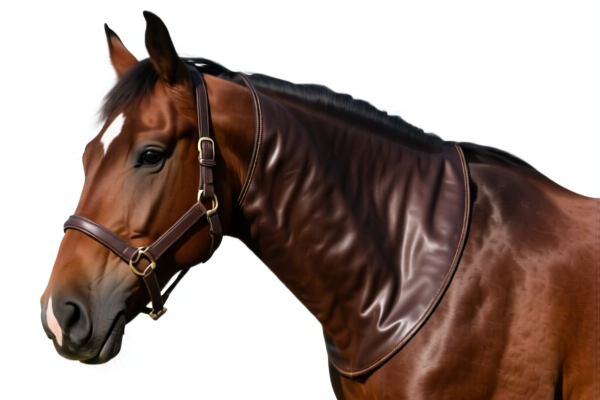
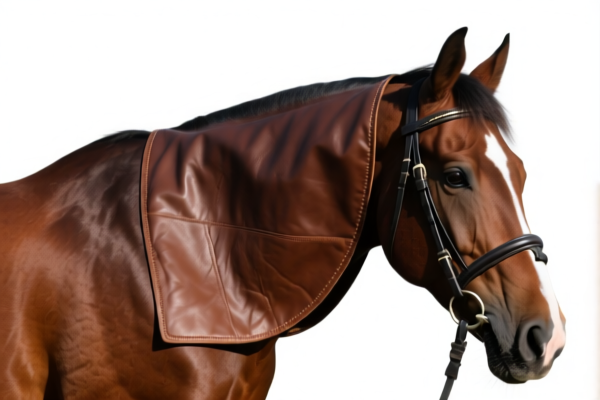
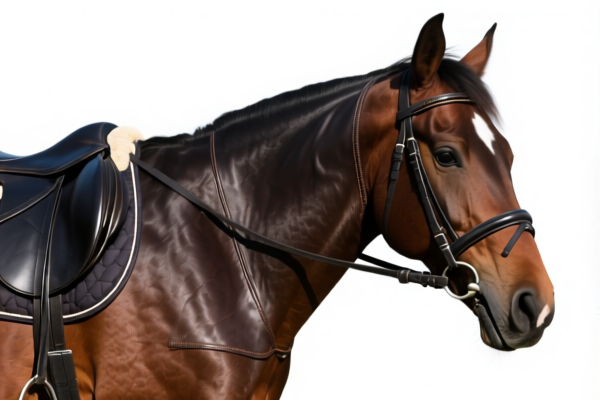
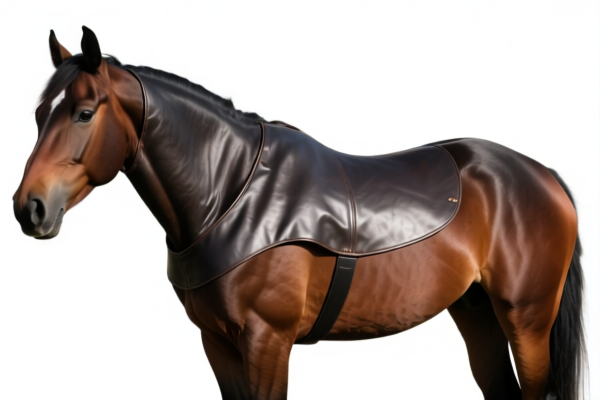
AI Analysis
🐎 Horse Leather Lining Leather (马皮内衬皮张)
🌐 HS Code Reference & Customs Clearance Guide | 2026 Latest Tariff Analysis | Professional Clearance Strategy
📌 I. Product Definition & Classification: Do You Really Understand "Horse Leather Lining"?
Horse leather lining leather is a specialized tanned or processed leather product derived from equine hides, primarily used as an inner lining for footwear, bags, garments, and accessories. In international trade, the classification depends strictly on the state of processing, material composition, and intended use.
Key Distinctions in Classification: * Raw/Unprocessed Hides (Chromed or Not): Often classified under Chapter 41 as raw hides, subject to different tax treatments based on whether they are fully processed into leather or remain in an intermediate state. * Tanned/Processed Leather (Lining Specific): Classified under Chapter 41 as "Lining Leather," which has specific subheadings for equine materials.
⚠️ Critical Classification Point:
- If the material is unprepared/raw horsehide, it may fall under 4101.90.10.40.
- If it is fully processed tanned leather designated for lining, it falls under 4104.11.10.40, 4107.19.10.40, or 4107.11.10.40.
- Misclassification can lead to significant tax discrepancies due to the high "122 Clause" tariffs.
📦 II. HS Code Classification Details (2026 Latest Tariff Authority Comparison)
The following HS Codes are derived strictly from the provided data for Horse Leather Lining Leather. All entries reflect US Import Duties for Chinese Origin (implied by the "122 Clause" and total tax structure).
| HS Code | Product Description | State of Material | Total Tax Rate | Key Tax Components |
|---|---|---|---|---|
4101.90.10.40 |
Horsehide Lining Leather, Unprocessed Raw Hide | Unprepared Raw Hide (Raw Skin) | 17.5% | Base: 0% + Add-on: 7.5% + 122-Clause: 10% |
4104.11.10.40 |
Horsehide Lining Leather, Lining Leather Definition Met | Processed Leather (Lining) | 35.0% | Base: 0% + Add-on: 25.0% + 122-Clause: 10% |
4107.19.10.40 |
Horsehide Lining Leather, Processed Leather (Other) | Processed Leather (Lining) | 35.0% | Base: 0% + Add-on: 25.0% + 122-Clause: 10% |
4107.11.10.40 |
Horsehide Lining Leather, Fully Matches Classification | Processed Leather (Lining) | 35.0% | Base: 0% + Add-on: 25.0% + 122-Clause: 10% |
4104.41.10.40 |
Horsehide Lining Leather, Material & Use Consistent | Processed Leather (Lining) | 35.0% | Base: 0% + Add-on: 25.0% + 122-Clause: 10% |
🔍 Key Insight:
-4101.90.10.40is the only entry with a lower tax rate (17.5%) because it classifies the item as unprocessed raw hide (生皮).
- All other codes (4104, 4107 series) classify the item as processed leather (皮革), incurring a higher Total Tax of 35.0% due to the heavier 25% Additional Tariff (likely Section 301) on top of the 10% "122-Clause" tariff.
💰 III. 2026 Latest Tariff Rate Breakdown (Including Surtaxes & Policy Add-ons)
✅ Applicable Country: United States (US)
✅ Origin: China (CN) (Inferred from "122-Clause" and high surtax structure)
✅ Effective Time: Current regulations apply
🎯 1. 4101.90.10.40 —— Raw Horsehide (Unprocessed)
| Item | Details |
|---|---|
| Base Duty Rate | 0% (ad valorem) |
| Additional Tariff (Add-on) | +7.5% |
| 122-Clause Tariff | +10% |
| Total Tax Rate | 17.5% |
| Tax Calculation | CIF Value × 17.5% |
| De Minimis Exemption | ❌ Not Eligible (Typically denied for high-tariff leather goods) |
| Legal Basis Path | HTSUS:4101.90.10.40 → USITC:Additional Tariff 7.5% → Section 122: 10% |
📌 Explanation:
- This code applies only if the horsehide is not yet tanned or processed into finished leather.
- If customs determines the goods are actually tanned leather, they will reclassify to a 4104/4107 code, doubling the tax burden.
🎯 2. 4104.11.10.40, 4107.19.10.40, 4107.11.10.40, 4104.41.10.40 —— Processed Horsehide Lining Leather
| Item | Details |
|---|---|
| Base Duty Rate | 0% (ad valorem) |
| Additional Tariff (Add-on) | +25.0% |
| 122-Clause Tariff | +10% |
| Total Tax Rate | 35.0% |
| Tax Calculation | CIF Value × 35.0% |
| De Minimis Exemption | ❌ Not Eligible |
| Legal Basis Path | HTSUS:4104/4107 Series → USITC:Additional Tariff 25% → Section 122: 10% |
📌 Explanation:
- These codes cover tanned, processed, or specifically designated lining leather.
- The 25% Additional Tariff is the dominant cost driver, likely related to Section 301 tariffs on Chinese leather goods.
- The 10% "122-Clause" is a specific policy surcharge applied to these categories.
- Critical Risk: Misclassifying processed leather as raw hide (4101) to save tax will result in penalties, back taxes, and potential seizure.
🛠️ IV. Customs Clearance Practical Advice (实战避坑指南)
✅ 1. Documentation Checklist (Essential for Clearance)
| Document | Required | Description |
|---|---|---|
| ✅ Product Specification Sheet | ✔️ | Must clearly state: Material (Horsehide), Process (Raw vs. Tanned), Intended Use (Lining). |
| ✅ Photos of Goods | ✔️ | Show texture, finish, and any labels indicating "Lining" or "Raw Hide". |
| ✅ Commercial Invoice | ✔️ | Clearly describe as "Horse Leather Lining" or "Raw Horsehide". Avoid vague terms like "Leather Scrap". |
| ✅ Certificate of Origin | ✔️ | Confirm Chinese origin to apply correct tariff schedule. |
| ✅ Processing Statement | ✔️ | If claiming 4101.90.10.40 (17.5%), provide proof of unprocessed/raw status. If claiming 4104/4107, provide tanning certificates. |
✅ 2. Declaration Strategy (Key Tips)
🔥 "State the Process Clearly, Avoid Ambiguity, Match the Tax!"
| Situation | Correct Declaration | Wrong Practice |
|---|---|---|
| Goods are Tanned/Processed | Use 4104.11.10.40 or 4107.19.10.40 (35% Tax) |
Claiming "Raw Hide" to pay 17.5% → High Risk of Audit |
| Goods are Unprocessed Raw Skins | Use 4101.90.10.40 (17.5% Tax) |
Declaring as "Lining Leather" → Overpaying Tax |
| Mixed Containers | Separate HS Codes per item | Combining Raw and Tanned → Customs Rejection |
📌 Recommendation:
- If the horse leather is tanned, dyed, or finished for use as lining, you MUST use one of the 35% tax codes (4104or4107).
- Only use4101.90.10.40if the goods are genuinely raw, unprocessed skins.
✅ 3. Special Scenarios
| Scenario | Handling Advice |
|---|---|
| Lining vs. Upper Material | Even if for lining, if it is tanned, it falls under 4104/4107. Do not confuse with shoe uppers (4106). |
| "122-Clause" Tariff | Ensure your supplier provides accurate origin documentation. This 10% surcharge is non-negotiable for Chinese-origin goods in this category. |
| Dispute on "Lining" Definition | Provide product usage photos or customer purchase orders showing the item is used for lining to justify the subheading. |
🌍 V. Global Market Clearance Comparison (2026 Latest)
| Country/Region | Recommended HS Code | Tariff Rate | Notes |
|---|---|---|---|
| 🇺🇸 USA | 4104.11.10.40 / 4107.19.10.40 |
35.0% | High tariffs due to Add-on + 122-Clause. |
| 🇺🇸 USA | 4101.90.10.40 |
17.5% | Only for raw, unprocessed horsehide. |
| 🇨🇳 China | 4104 / 4107 |
~10-15% | Import duty into China (not export duty). |
| 🇪🇺 EU | 4104 / 4107 |
~0-6% | No Section 301 equivalent. Check anti-dumping duties. |
📌 Conclusion:
- USA imposes the highest barrier with 35% total tax for processed horse leather lining.
- Cost-Saving Opportunity: If possible, structure supply chain to ensure goods are classified as raw hides (4101) only if legally permissible (17.5% tax). However, misdeclaration is dangerous.
- For Processed Leather: The 35% rate is fixed. Factor this into pricing immediately.
📌 VI. Common Mistakes & Pitfalls (Lessons Learned)
❌ Mistake 1: Declaring tanned leather as "Raw Hide" to save 17.5% in tax.
👉 Consequence: Customs audit, reclassification to 35% code, penalties + back taxes + seizure risk.
❌ Mistake 2: Ignoring the "122-Clause" 10% surcharge.
👉 Consequence: Unexpected cost increase of 10% on CIF value, eroding profit margins.
❌ Mistake 3: Confusing "Lining Leather" with "Upper Leather".
👉 Consequence: Incorrect HS Code (4106 vs 4104/4107), leading to clearance delays.
✅ Correct Practice:
"Horsehide Lining Leather, Tanned, Dyed, for Footwear Lining, Origin: China, HS Code: 4104.11.10.40"
🎯 VII. Conclusion: Professional Declaration, Save Time, Reduce Costs!
🎯 Remember the Mantra:
🔹 "Raw Hide 17.5%, Processed 35%, Don't Lie to Customs!"
🔹 "122-Clause is 10%, Add-on is 25%, Total is 35%!"
📌 Pro Tip:
- If your horse leather lining is processed in a third country (e.g., Vietnam, Italy), you may avoid the Chinese origin surtaxes.
- Recommendation: Obtain an Advance Ruling (Pre-classification) from CBP if the status (Raw vs. Tanned) is borderline. This protects against future disputes.
📣 Immediate Action:
📞 Contact your customs broker + Provide Product Samples + Verify Processing State
🚀 Ensure Accurate HS Code, Avoid 35% Shock, Maximize Profit Margin!
✨ Professional Clearance Starts with Accurate Classification!
💼 Your Cost的每一分, Deserve Precision!
Customer Reviews
About HS Code Classification
The Harmonized System (HS) is an internationally standardized nomenclature developed by the World Customs Organization (WCO) to classify traded products. Over 200 countries use the HS system as the basis for customs tariffs, trade statistics, and import/export regulations.
Each HS code follows a hierarchical structure:
- Chapter (2 digits) — Broad category of goods (e.g., Chapter 84: Machinery and Mechanical Appliances)
- Heading (4 digits) — More specific grouping within the chapter
- Subheading (6 digits) — Internationally standardized breakdown, used by all WCO member countries
- National subdivisions (8-10 digits) — Country-specific extensions for further classification, such as US HTSUS 10-digit codes
Correct HS code classification is essential for smooth customs clearance, accurate duty payment, and compliance with trade regulations. Misclassification can lead to customs delays, overpayment of duties, or penalties.
When importing from CN to US, the applicable tariff rates may include:
- Most-Favored-Nation (MFN) rate — The standard duty rate applied to WTO members
- General rate — Applied to countries without trade agreements
- Trade remedy duties — Additional tariffs such as Section 301 (anti-dumping), Section 232 (national security), or countervailing duties
The information provided on this page is for reference purposes only. For official classification, please consult with your local customs authority or a licensed customs broker.