Horse Leather Shoe Soles
CN → US| HS Code | Tariff Rate | Origin | Destination | Doc |
|---|---|---|---|---|
| 4107116060 | 13.3% | CN | US | Official Doc |
| 4107126060 | 13.3% | CN | US | Official Doc |
| 4104114060 | 15.0% | CN | US | Official Doc |
| 6406100500 | 26.0% | CN | US | Official Doc |
| 6406101000 | 20.0% | CN | US | Official Doc |
Product Images
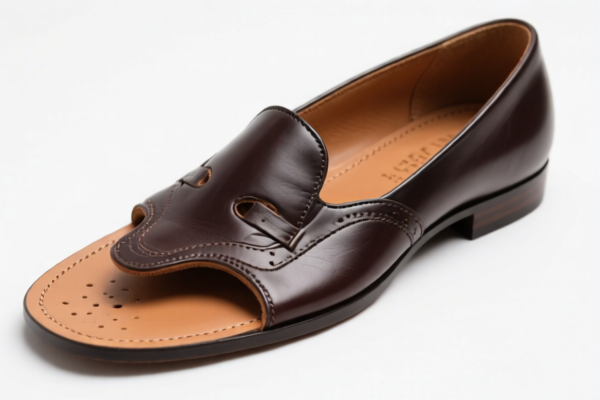
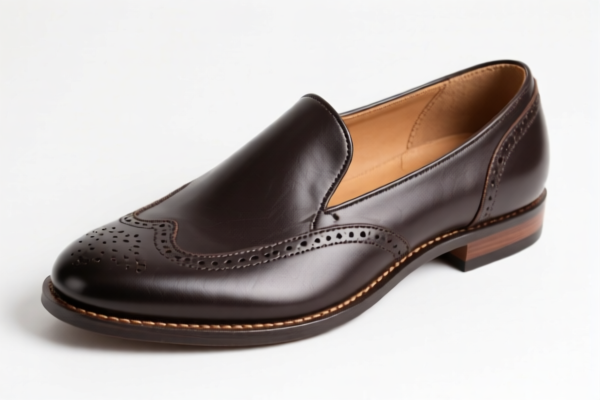
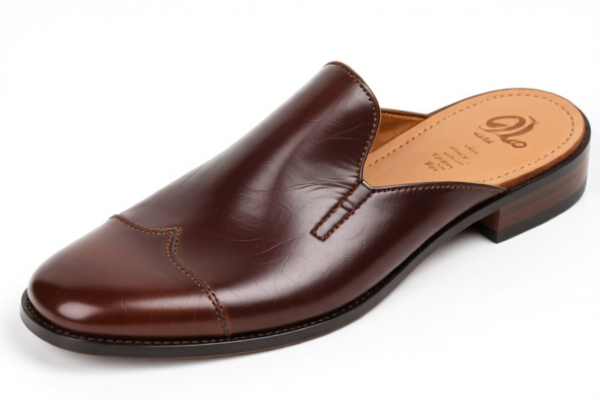
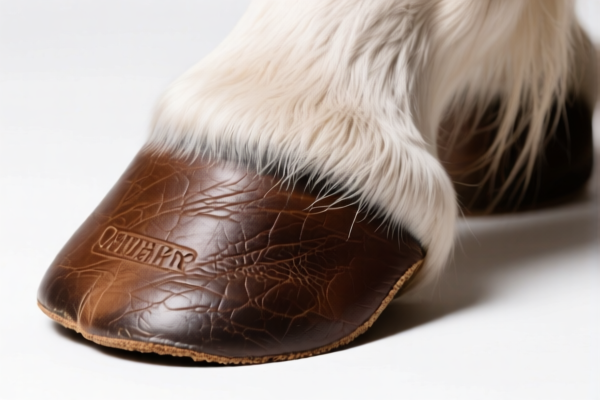
AI Analysis
👞 Horse Leather Shoe Soles: HS Code Classification & 2026 US Customs Clearance Guide
🌐 HS Code Reference & Customs Strategy | 2026 Latest Tariff Analysis | Professional Level Clearance Tactics
📌 I. Product Definition & Classification: Do You Really Understand "Horse Leather Shoe Soles"?
Horse leather shoe soles are high-end, durable footwear components made from processed horsehide. In international trade, their classification depends strictly on whether they are "sole leather" (unfinished/unworked for specific shoe types) or "prepared leather" (finished for specific uses like uppers vs. soles). Misclassification can lead to massive tariff discrepancies due to Section 301 and Section 122 tariffs.
⚠️ Key Distinction Point:
- If the leather is specifically prepared as "sole leather" (thick, durable, for bottoming) → It falls under Chapter 41 (Leather) with lower base duties.
- If the leather is cut or prepared as "shoe upper parts" (even if mislabeled as sole material) → It falls under Chapter 64 (Footwear Parts) with significantly higher duties.
- Crucial Note: US Customs (CBP) strictly distinguishes between "Sole Leather" (HS 4107) and "Shoe Upper Parts/Other Leather" (HS 4104/6406).
📦 II. HS Code Classification Details (2026 Latest Tariff Authority Comparison)
| HS Code | Product Description | Application Scenario | Tax Rate Structure |
|---|---|---|---|
4107.11.60.60 |
Sole leather of equine animals, fully dressed or patent, not further prepared | Horse Leather Soles (Specific) | 13.3% Total |
4107.12.60.60 |
Sole leather of equine animals, vegetable tanned & packed in bundles | Horse Leather Soles (Vegetable Tanned) | 13.3% Total |
4104.11.40.60 |
Other leather, horsehide, fully dressed, not specifically "sole leather" | Horse Leather (Other Use) | 15.0% Total |
6406.10.05.00 |
Shoe uppers & parts thereof, of horse leather | Shoe Upper Parts (Misclassified as Soles) | 26.0% Total |
6406.10.10.00 |
Shoe uppers & parts thereof, of horse leather | Shoe Upper Parts (Specific Subhead) | 20.0% Total |
🔍 Critical Warning:
- If your product is intended for shoe soles but is classified under 6406.10 (Shoe Parts), you face 20-26% total tariffs.
- If correctly classified as 4107.11/12 (Sole Leather), the total tariff drops to 13.3%.
- Do NOT assume "Leather" = Low Tariff. Chapter 64 (Parts) has high Section 301 additions.
💰 III. 2026 Latest Tariff Rate Breakdown (Including Additional Taxes & Policies)
✅ Applicable Country: United States (US)
✅ Origin: China (CN)
✅ Effective Date: 2025/2026 (Current Trade War Status)
🎯 1. 4107.11.60.60 & 4107.12.60.60 —— Horse Leather Soles (Sole Leather Category)
| Item | Detail |
|---|---|
| Base Tariff | 3.3% (MFN Rate for Chapter 41 Sole Leather) |
| Section 301 Tariff | 0.0% (Note: Some sole leathers may be exempt or low-rate under specific list adjustments, but verify latest USITC list. Data indicates 0% here) |
| Section 122 Tariff | +10% (Trade Expansion Act Section 122 - Emergency Import Restraint) |
| Total Effective Rate | 13.3% |
| Tax Calculation | CIF Value × 13.3% |
| De Minimis Eligibility | ❌ No (Valued goods >$800 not eligible; direct shipment rules apply) |
| Legal Basis Path | HTSUS:4107.11.60.60 → USITC Section 122: 10% → Section 301: 0% |
📌 Explanation:
- Base 3.3%: Standard MFN duty for fully dressed equine sole leather.
- Section 122 (10%): Applied due to import surge restrictions in leather goods. This is a non-discriminatory tariff (applies to all countries, but significant for China).
- Section 301 (0%): Unlike electronics or machinery, many leather articles have lower or zero Section 301 rates depending on the specific HTSUS line item and current trade exemptions. Verify current USITC exclusion lists.
🎯 2. 4104.11.40.60 —— Other Horse Leather (Not Sole Leather)
| Item | Detail |
|---|---|
| Base Tariff | 5.0% |
| Section 301 Tariff | 0.0% |
| Section 122 Tariff | +10% |
| Total Effective Rate | 15.0% |
| Tax Calculation | CIF Value × 15.0% |
| De Minimis Eligibility | ❌ No |
| Legal Basis Path | HTSUS:4104.11.40.60 → USITC Section 122: 10% |
📌 Note:
- If your "soles" are not classified as "sole leather" (e.g., they are semi-finished or used for other purposes), the base duty increases to 5%.
- Still subject to Section 122 (10%), total 15%.
🎯 3. 6406.10.05.00 & 6406.10.10.00 —— Horse Leather Shoe Upper Parts
| Item | Detail |
|---|---|
| Base Tariff | 8.5% (...05) or 10.0% (...10) |
| Section 301 Tariff | +7.5% (For ...05) or 0.0% (For ...10) |
| Section 122 Tariff | +10% |
| Total Effective Rate | 26.0% (...05) or 20.0% (...10) |
| Tax Calculation | CIF Value × 26% or 20% |
| De Minimis Eligibility | ❌ No |
| Legal Basis Path | HTSUS:6406.10.x.x → USITC Section 301: 7.5%/0% → Section 122: 10% |
📌 Critical Insight:
- Chapter 64 (Footwear Parts) is heavily taxed.
-6406.10.05.00incurs a 7.5% Section 301 surcharge in addition to Section 122, totaling 26%.
-6406.10.10.00has 0% Section 301 but higher base (10%), totaling 20%.
- Risk: If CBP determines your "soles" are actually "upper parts" or misclassified, you pay 20-26% instead of 13.3%.
🛠️ IV. Customs Clearance Practical Advice (Pitfall Avoidance Guide)
✅ 1. Documentation Checklist (Non-Negotiable)
| Document | Required | Explanation |
|---|---|---|
| ✅ Product Specification Sheet | ✔️ | Must state: "Horsehide," "Thickness," "Intended Use: Shoe Sole" |
| ✅ Tanning Process Certificate | ✔️ | Proves vegetable tanning (for 4107.12) vs. chrome tanning (4107.11) |
| ✅ Commercial Invoice | ✔️ | Clearly describe as "Horse Leather Sole Leather" not "Shoe Parts" |
| ✅ Packing List | ✔️ | Weight and dimensions to verify volume/value |
| ✅ Certificate of Origin (CO) | ✔️ | Essential for Section 122 application verification |
| ✅ Photos of Product | ✔️ | Show grain, thickness, and lack of pre-cut shoe shapes |
✅ 2. Declaration Strategy (Key Principles)
🔥 "Sole Leather vs. Shoe Parts: Declare Intent, Not Just Material!"
| Scenario | Correct Declaration | Wrong Declaration |
|---|---|---|
| Thick Horsehide, Unworked for Specific Shoe | 4107.11.60.60 (Sole Leather) |
Calling it "Shoe Upper" → 26% |
| Pre-Cut Sole Shapes | 4107.11.60.60 (If still considered sole leather) |
Calling it "Footwear Part" → 20-26% |
| Horsehide Strips for Uppers | 6406.10.10.00 or 4104.11.40.60 |
Calling it "Sole Leather" → Risk of Audit |
📌 Advice:
- If the leather is cut to the exact shape of a shoe sole, CBP may classify it as a "part of footwear" (Chapter 64).
- To qualify for 4107 (Sole Leather), it should ideally be in raw, semi-finished, or bulk form suitable for sole production, not pre-cut into final shapes.
- Document the "Intended Use" clearly in the invoice: "Leather for manufacturing shoe soles."
✅ 3. Special Case Handling
| Situation | Handling Advice |
|---|---|
| Pre-Cut Sole Shapes | Risk of Chapter 64 classification. Provide engineering drawings showing it is a "sole blank" not a "final part." |
| Vegetable Tanned Horsehide | Use 4107.12.60.60. Must provide tanning certificate to prove vegetable tanning process. |
| Chrome Tanned Horsehide | Use 4107.11.60.60. Standard for most modern shoe soles. |
| Mixed Shipments (Soles + Uppers) | Split Declarations. Do not mix Chapter 41 and 64 items in one line item. |
🌍 V. Global Market Comparison (2026 Update)
| Country/Region | Recommended HS Code | Tariff Rate | Remarks |
|---|---|---|---|
| 🇺🇸 USA | 4107.11.60.60 |
13.3% | Includes Section 122 (10%) + Base (3.3%) |
| 🇪🇺 EU | 4107 11 |
~3-6% | No Section 122. VAT applies. |
| 🇨🇳 China | 4107 11 |
~3-5% | Import duty only. No Section 122. |
| 🇬🇧 UK | 4107 11 |
~3-6% | Post-Brexit tariff regime similar to EU. |
📌 Conclusion:
- The US is the most complex market due to Section 122 and potential Section 301 implications.
- Always aim for Chapter 41 (Sole Leather) over Chapter 64 (Parts) to save 7-12% in duties.
- Section 122 (10%) is the dominant cost driver for leather imports into the US.
📌 VI. Common Mistakes & Pitfalls (Lessons Learned)
❌ Mistake 1: Classifying pre-cut sole shapes as "Sole Leather" (4107)
👉 Result: CBP reclassifies to Chapter 64 → Tax jumps from 13.3% to 20-26%.
❌ Mistake 2: Ignoring Section 122 Tariff
👉 Result: Underpayment of duties → Penalties + Interest + Audit.
❌ Mistake 3: Using "Leather Shoes Parts" as description
👉 Result: Triggers high-duty Chapter 64 classification. Use "Sole Leather".
✅ Correct Practice:
"Horse Leather, Sole Leather, Chrome Tanned, Bulk Rolls, For Shoe Sole Manufacturing, HTS 4107.11.60.60"
🎯 VII. Conclusion: Professional Declaration, Cost Savings!
🎯 Remember:
🔹 "Sole Leather is Chapter 41 (13.3%), Shoe Parts is Chapter 64 (20-26%)."
🔹 "Section 122 adds 10% to Leather, but may add more to Parts."
🔹 "Pre-cut shapes risk Chapter 64. Bulk/semi-finished stays Chapter 41."
📌 Pro Tip:
If you are importing large volumes, consider applying for an Ad Valorem Exclusion under Section 301 if available (though data shows 0% for 4107, verify latest USITC lists).
Always consult with a licensed customs broker to confirm Section 122 applicability for your specific shipment date.
📣 Immediate Action:
📞 Engage a Customs Broker + Provide Product Specs + Confirm "Sole Leather" Status
🚀 Ensure smooth US clearance, avoid audits, and maximize profit margins!
✨ Precision in Classification Saves Thousands!
💼 Your Tariff Rate is Directly Proportional to Your Description Accuracy!
Customer Reviews
About HS Code Classification
The Harmonized System (HS) is an internationally standardized nomenclature developed by the World Customs Organization (WCO) to classify traded products. Over 200 countries use the HS system as the basis for customs tariffs, trade statistics, and import/export regulations.
Each HS code follows a hierarchical structure:
- Chapter (2 digits) — Broad category of goods (e.g., Chapter 84: Machinery and Mechanical Appliances)
- Heading (4 digits) — More specific grouping within the chapter
- Subheading (6 digits) — Internationally standardized breakdown, used by all WCO member countries
- National subdivisions (8-10 digits) — Country-specific extensions for further classification, such as US HTSUS 10-digit codes
Correct HS code classification is essential for smooth customs clearance, accurate duty payment, and compliance with trade regulations. Misclassification can lead to customs delays, overpayment of duties, or penalties.
When importing from CN to US, the applicable tariff rates may include:
- Most-Favored-Nation (MFN) rate — The standard duty rate applied to WTO members
- General rate — Applied to countries without trade agreements
- Trade remedy duties — Additional tariffs such as Section 301 (anti-dumping), Section 232 (national security), or countervailing duties
The information provided on this page is for reference purposes only. For official classification, please consult with your local customs authority or a licensed customs broker.