Horse Racing Toy
CN → US| HS Code | Tariff Rate | Origin | Destination | Doc |
|---|---|---|---|---|
| 9503000071 | 10.0% | CN | US | Official Doc |
| 9503000073 | 10.0% | CN | US | Official Doc |
| 4201003000 | 37.4% | CN | US | Official Doc |
| 4201006000 | 37.8% | CN | US | Official Doc |
Product Images
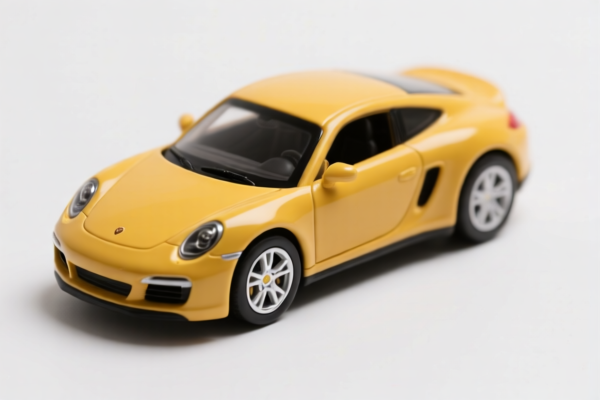
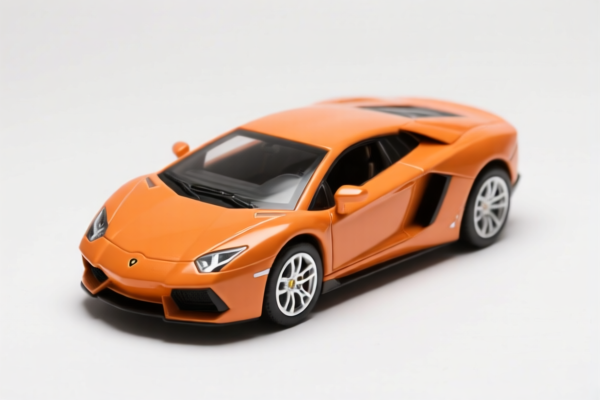
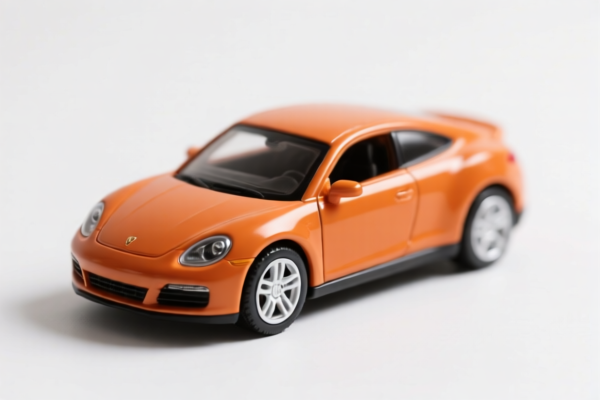
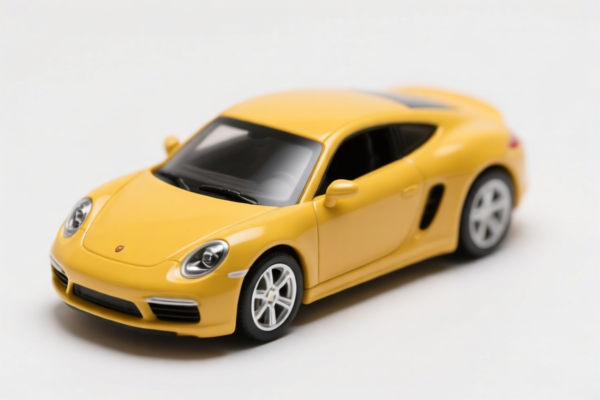
AI Analysis
🐎 Horse Racing Toy (赛马玩具)
🌐 HS Code Reference & Customs Clearance Guide | 2026 Latest Tariff Analysis | Professional Clearance Strategy
📌 I. Product Definition & Classification: What Exactly is a "Horse Racing Toy"?
A Horse Racing Toy is a broad category that generally falls into two distinct physical forms: 1. Model/Recreational Models: Scale replicas of horses and jockeys, often used for display or collection. 2. Plush/Plastic Toys: Plush figures, action figures, or other playthings resembling horses.
In international trade, the classification depends entirely on the material and intended use. Are you importing detailed collectible models or generic plush/plastic play items? This distinction determines the HS Code and, crucially, the tariff impact.
⚠️ Key Distinction:
- If it is a model/recreational model (detailed, scale-based, often plastic/resin) → 9503.00.00.71
- If it is a doll, plush, or other toy (generic shape, fabric/plastic mass-market) → 9503.00.00.73
📦 II. HS Code Classification Details (2026 Latest Tariff Authority)
| HS Code | Product Description | Applicable Scenario | Material/Form Factor |
|---|---|---|---|
9503.00.00.71 |
Models and recreations, scale models and similar recreational models | Detailed horse racing models, collectibles, scale replicas | ✅ Plastic/Resin (Detailed) |
9503.00.00.73 |
Dolls representing only female persons, other dolls, other toys | Plush horses, generic plastic racing horses, mass-market toys | ✅ Plastic/Plush (Generic) |
🔍 Critical Reminder:
- Model vs. Toy: If the item is a "recreational model" (subcategory 9503.00.00.71), it must resemble the actual object in a scaled-down manner. If it is a stylized or plush representation, it falls under 9503.00.00.73. - Packaging: Do not split the declaration for a complete set (e.g., horse + jockey + track) if sold together; declare as a single unit under the primary component.
💰 III. 2026 Latest Tariff Rate Breakdown (Including Surtaxes & Policy Add-ons)
✅ Applicable Country: USA (US)
✅ Country of Origin: China (CN)
✅ Effective Date: 2025/2026 (Subject to 122 Clause & Section 301)
🎯 1. 9503.00.00.71 —— Models and Recreational Models (Scale Models)
| Item | Content |
|---|---|
| Base Rate | 0.0% (Ad Valorem) |
| Section 301 Surcharge | 0.0% |
| 122 Clause Surcharge | +10% (Specific to certain toy categories under current trade enforcement) |
| Total Tax Rate | 10.0% |
| Tax Calculation | CIF Value × 10% |
| De Minimis Eligibility | ⚠️ Check Specifics: Typically subject to strict scrutiny if part of a larger shipment; verify if de minimis ($800) applies for small parcels, but B2B shipments are fully taxed. |
| Legal Basis Path | USITC:9503.00.00.71 → 122 Clause: +10% |
📌 Explanation:
- The Base Rate is 0%, which is favorable. - However, the 122 Clause imposes a 10% surcharge. This is a specific enforcement measure often applied to toys/models from China. - No Section 301 (25%) applies to this specific sub-code in the provided data, but the 10% 122 Clause is a hard cost.
🎯 2. 9503.00.00.73 —— Other Toys (Dolls, Plush, etc.)
| Item | Content |
|---|---|
| Base Rate | 0.0% (Ad Valorem) |
| Section 301 Surcharge | 0.0% |
| 122 Clause Surcharge | +10% |
| Total Tax Rate | 10.0% |
| Tax Calculation | CIF Value × 10% |
| De Minimis Eligibility | ⚠️ Check Specifics: Same as above; verify de minimis rules for e-commerce vs. B2B. |
| Legal Basis Path | USITC:9503.00.00.73 → 122 Clause: +10% |
📌 Note:
- Even though it is categorized as a "doll/other toy," the tax structure is identical to the model category in this dataset. - Both Toy Categories (71 & 73) are subject to the 10% 122 Clause. - No additional 25% Section 301 is listed for these specific toy sub-codes in the provided data, which is a significant advantage compared to electronics or metal goods.
🛠️ IV. Customs Clearance Practical Advice (Real-World Pitfall Guide)
✅ 1. Required Documentation Checklist (Non-Negotiable)
| Document | Must Provide | Description |
|---|---|---|
| ✅ Product Specifications | ✔️ | Detailed description: "Scale Model Horse" vs. "Plush Horse Toy" |
| ✅ Product Photos | ✔️ | Clear images showing material (plush vs. hard plastic), scale, and any branding |
| ✅ Bill of Materials (BOM) | ✔️ | To prove material composition (e.g., polyester filling, PVC body) |
| ✅ Commercial Invoice | ✔️ | Must clearly state: "Horse Racing Model/Toy" and not vague terms like "Decoration" |
| ✅ Certificate of Origin | ✔️ | Critical for verifying Country of Origin (China) to apply correct surcharges |
| ✅ Packaging List | ✔️ | Show unit weight and dimensions for accurate duty calculation |
✅ 2. Declaration Tips (Key Mnemonics)
🔥 “Be Specific, Be Honest, Avoid Vague ‘Toys’!”
| Scenario | Correct Declaration | Wrong Practice |
|---|---|---|
| Detailed Scale Model | "Scale Model of Horse Racing Scene, Plastic, Collectible" → 9503.00.00.71 |
Using generic "Toy" → Risk of misclassification |
| Plush Horse | "Plush Horse Toy, Polyester, for Children" → 9503.00.00.73 |
Using "Model" → Risk of customs audit |
| Mixed Set (Horse + Jockey + Track) | Declare as Single Unit under primary function | Splitting into parts → Higher administrative risk |
📌 Key Takeaway:
- If it’s collectible/scale, use 71. - If it’s playable/plush, use 73. - Both pay 10% (Base 0% + 122 Clause 10%).
✅ 3. Special Circumstances Handling
| Situation | Handling Advice |
|---|---|
| OEM Custom Toys | Provide client authorization letters to prove commercial nature. |
| Small Parcels (De Minimis) | If shipped via courier (e.g., DHL/FedEx) as individual pieces < $800, verify if de minimis exemption still holds under current 122 Clause enforcement. Caution: Many toys are now excluded from de minimis in practice. |
| Materials Safety | Ensure compliance with CPSC standards for toys (ASTM F963). Non-compliance leads to rejection, not just tax issues. |
🌍 V. Global Market Comparison (2026 Latest)
| Country/Region | Recommended HS Code | Tariff (China Origin) | Certification Requirements | Notes |
|---|---|---|---|---|
| 🇺🇸 USA | 9503.00.00.71 / .73 |
10% (Base 0% + 122 Clause 10%) | CPSC, ASTM F963 | No 25% Section 301 on these specific codes! |
| 🇨🇳 China | 9503.00.00.71 / .73 |
0% - 5% | CCC (if applicable) | Low import duty |
| 🇪🇺 EU | 9503.00.00 |
4.5% (Standard) | CE, EN71 | No 122 Clause equivalent |
| 🇬🇧 UK | 9503.00.00 |
4.5% (Standard) | UKCA, EN71 | Post-Brexit rules apply |
📌 Conclusion:
- The USA offers a surprisingly low 10% rate for these toy sub-codes compared to many other industrial goods (which face 25% Section 301). - However, the 122 Clause is a newer, specific enforcement tool that traders must account for. - Safety Certifications (CPSC) are the real barrier to entry, not just tariffs.
📌 VI. Common Errors & Pitfalls (Lessons Learned)
❌ Error 1: Declaring all toys as "Other Toys" (9503.00.00.90)
👉 Consequence: Misses the specific sub-codes 71/73 which may have different enforcement nuances. Always use the most specific 10-digit code.
❌ Error 2: Ignoring the 122 Clause
👉 Consequence: Underestimating cost by 10%. Customs will assess the full 10% surcharge + penalties.
❌ Error 3: Vague Description "Horse Toy"
👉 Consequence: Customs may reclassify based on material inspection, leading to delays.
✅ Correct Action: Use precise terms: "Plastic Scale Model of Thoroughbred Horse" or "Polyester Plush Racing Horse".
❌ Error 4: Assuming De Minimis Applies Automatically
👉 Consequence: If the shipment is considered commercial or part of a bulk order, the $800 exemption may be denied.
✅ Correct Action: Consult with your broker regarding de minimis eligibility for toys under current 122 Clause enforcement.
🎯 VII. Conclusion: Precision in Classification Saves Money!
🎯 Remember the Key Points:
🔹 "Toys are 0% Base, but 10% with 122 Clause!"
🔹 "Model vs. Plush determines HS Code 71 vs. 73, but tax is same!"
🔹 "No Section 301 (25%) for these specific toy codes – Huge Advantage!"
🔹 "Safety Certs > Tariffs: CPSC Compliance is Non-Negotiable."
📌 Pro Tip:
If you are importing mixed assortments of horse toys, ensure each type is clearly identified. If unsure, lean towards the more descriptive code (71 for models, 73 for plush) to avoid ambiguity.
Always get an Advance Ruling if your shipment value is high to lock in the 10% rate and avoid unexpected audits.
📣 Immediate Action:
📞 Contact your customs broker with detailed product photos and material specs.
📄 Request a 10-digit HS Code pre-classification.
🚀 Ensure CPSC compliance documentation is ready before shipment departure.
✨ Professional Clearance Starts with Accurate Classification!
💼 Every dollar in duties saved is profit earned!
Customer Reviews
About HS Code Classification
The Harmonized System (HS) is an internationally standardized nomenclature developed by the World Customs Organization (WCO) to classify traded products. Over 200 countries use the HS system as the basis for customs tariffs, trade statistics, and import/export regulations.
Each HS code follows a hierarchical structure:
- Chapter (2 digits) — Broad category of goods (e.g., Chapter 84: Machinery and Mechanical Appliances)
- Heading (4 digits) — More specific grouping within the chapter
- Subheading (6 digits) — Internationally standardized breakdown, used by all WCO member countries
- National subdivisions (8-10 digits) — Country-specific extensions for further classification, such as US HTSUS 10-digit codes
Correct HS code classification is essential for smooth customs clearance, accurate duty payment, and compliance with trade regulations. Misclassification can lead to customs delays, overpayment of duties, or penalties.
When importing from CN to US, the applicable tariff rates may include:
- Most-Favored-Nation (MFN) rate — The standard duty rate applied to WTO members
- General rate — Applied to countries without trade agreements
- Trade remedy duties — Additional tariffs such as Section 301 (anti-dumping), Section 232 (national security), or countervailing duties
The information provided on this page is for reference purposes only. For official classification, please consult with your local customs authority or a licensed customs broker.