Horse Skin Leather for Building Decoration
CN → US| HS Code | Tariff Rate | Origin | Destination | Doc |
|---|---|---|---|---|
| 4107115000 | 12.8% | CN | US | Official Doc |
| 9401991010 | 17.5% | CN | US | Official Doc |
| 4114100000 | 38.2% | CN | US | Official Doc |
| 4114207000 | 36.6% | CN | US | Official Doc |
| 4107125000 | 12.8% | CN | US | Official Doc |
Product Images
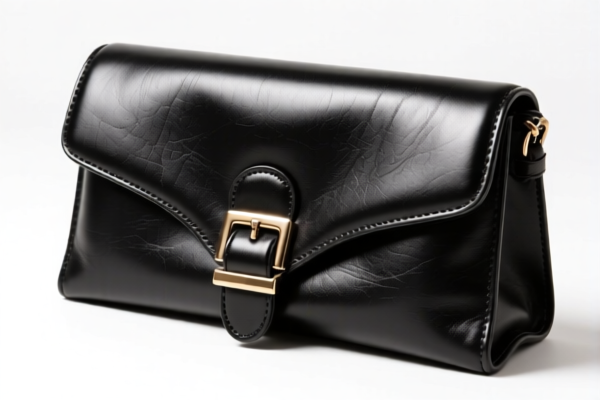
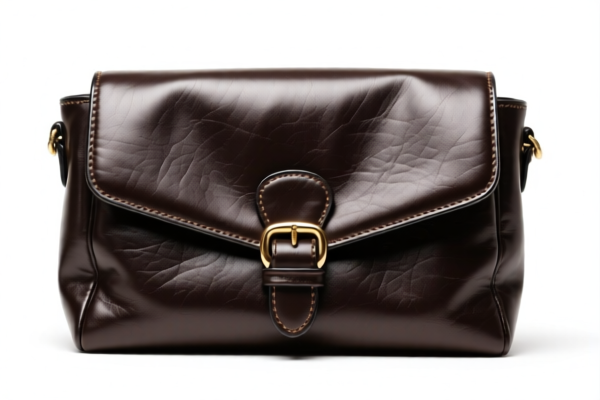
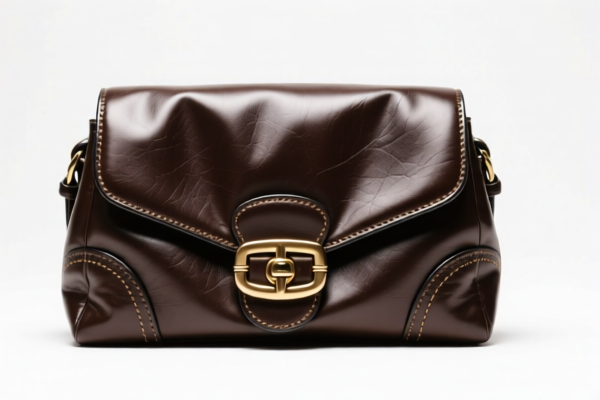
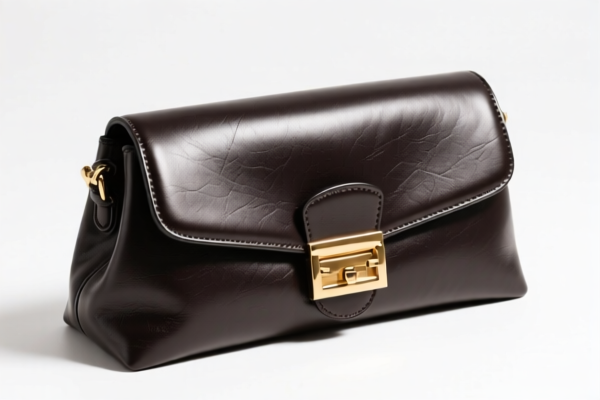
AI Analysis
🐎 Horse Skin Leather for Building Decoration
🌐 HS Code Reference & Customs Clearance Guide | 2026 Latest Tariff Analysis | Professional Clearance Strategy
📌 I. Product Definition and Classification: Do You Truly Understand “Horse Skin Leather”?
Horse skin leather, a high-end animal hide characterized by its unique grain, durability, and aesthetic appeal, is increasingly used in luxury interior design and building decoration. In international trade, it is classified based on its processing state, final use, and physical form.
The key distinction lies in whether the leather is: 1. Raw/Processed Hide/Leather: Ready for further cutting or manufacturing. 2. Finished Parts: Pre-cut or pre-formed components ready for immediate installation (e.g., seat covers, wall panels).
⚠️ Key Distinction Points: - If the item is sheets of leather (cut or uncut) intended for general decoration or further processing → Classified under Chapter 41. - If the item is pre-formed parts specifically for furniture (like seats) but used for decoration → Might fall under Chapter 94 or Chapter 41, depending on specific shape and function. - Specific Finish Matters: Suede (Chamois/dressed) and Lacquered leathers have distinct subheadings with different tax implications.
📦 II. HS Code Classification Details (2026 Latest Tariff Authoritative Comparison)
| HS Code | Product Description | Application Scenario | Material/Finish State | Total Tax Rate (US/CN) |
|---|---|---|---|---|
4107.11.50.00 |
Leather for indoor decoration, material: animal leather, use: indoor decoration. | General decorative sheets, wall coverings, upholstery bases. | Whole skin/Panel, processed animal leather. | 12.8% |
9401.99.10.10 |
Leather parts for seats, material: leather, use: decorative leather, belongs to pre-cut parts. | Pre-shaped seat covers, armrests, specific furniture components. | Pre-cut/Pre-formed parts for furniture. | 17.5% |
4114.10.00.00 |
Suede-type leather, material: animal leather, use: decorative leather, no material conflict. | High-end textured wall panels, premium upholstery, suede finishes. | Suede/Chamois-dressed animal leather. | 38.2% |
4114.20.70.00 |
Lacquered and varnished leathers, material: animal leather, use: decorative leather, belongs to other categories. | Glossy decorative panels, high-shine furniture surfaces, lacquered finishes. | Lacquered/Varnished animal leather. | 36.6% |
4107.12.50.00 |
Animal leather for decoration, material: animal leather, use: decoration, form: skin. | Raw decorative hides, general purpose animal leather sheets. | General animal leather skins. | 12.8% |
🔍 Critical Reminder: - "For Building Decoration" is a broad term. If the leather is in its raw sheet form (
4107.11or4107.12), the base tariff is lower (12.8%). - If it is specifically Suede (4114.10) or Lacquered (4114.20), the base tariff and surcharges jump significantly (36.6% - 38.2%). - If it is a part (e.g., a pre-cut seat cover) rather than a sheet, it may fall under9401.99.10.10, which has a moderate tax rate of 17.5% due to different surcharge structures.
💰 III. 2026 Latest Tariff Rate Details (Including Surcharges & Policy Add-ons)
✅ Applicable Country: United States (US) ✅ Origin: China (CN) ✅ Effective Time: From November 10, 2025 (including subsequent imports)
🎯 1. 4107.11.50.00 & 4107.12.50.00 —— Animal Leather for Indoor Decoration (Sheets/Skins)
| Item | Content |
|---|---|
| Base Rate | 2.8% (ad valorem) |
| Surcharge Tariff (Section 301) | 0.0% (Specific to these subheadings) |
| Section 122 Tariff | +10% (Targeting China) |
| Total Tax Rate | 12.8% |
| Tax Calculation | CIF Value × 12.8% |
| De Minimis Exemption Available? | ❌ No (deny_de_minimis) |
| Legal Basis Path | Section 122: 10% → USITC: 4107.11/12 → Base: 2.8% |
📌 Explanation: - These two HS codes share the same total rate of 12.8%. - The Section 301 surcharge is 0% for these specific decorative leather types, which is a significant advantage compared to other leather categories. - The 10% Section 122 tariff is the primary additional cost, applied specifically to Chinese-origin goods.
🎯 2. 9401.99.10.10 —— Leather Parts for Seats (Pre-formed/Decorative Parts)
| Item | Content |
|---|---|
| Base Rate | 0.0% |
| Surcharge Tariff (Section 301) | 7.5% |
| Section 122 Tariff | +10% |
| Total Tax Rate | 17.5% |
| Tax Calculation | CIF Value × 17.5% |
| De Minimis Exemption Available? | ❌ No (deny_de_minimis) |
| Legal Basis Path | Section 122: 10% → Section 301: 7.5% → USITC: 9401.99.10.10 |
📌 Note: - Although the base rate is 0%, the combination of 7.5% Section 301 and 10% Section 122 results in a 17.5% total rate. - This category applies only if the item is already cut or formed as a part (e.g., a specific seat cover shape) and not just a general sheet of leather. - Caution: Misclassifying a general leather sheet as a "part" can lead to customs delays. Ensure the item is physically pre-formed.
🎯 3. 4114.10.00.00 —— Suede-Type Leather
| Item | Content |
|---|---|
| Base Rate | 3.2% |
| Surcharge Tariff (Section 301) | 25.0% |
| Section 122 Tariff | +10% |
| Total Tax Rate | 38.2% |
| Tax Calculation | CIF Value × 38.2% |
| De Minimis Exemption Available? | ❌ No (deny_de_minimis) |
| Legal Basis Path | Section 122: 10% → Section 301: 25% → USITC: 4114.10.00.00 |
📌 Critical Warning: - Highest Tax Bracket: At 38.2%, this is the most expensive category in the dataset. - Why?: Suede leathers are subject to the full 25% Section 301 surcharge PLUS the 10% Section 122 tariff. - Strategy: If possible, avoid classifying horse skin as "Suede" (
4114.10) unless it is explicitly dressed as such. If it’s just textured, explore4107categories first.
🎯 4. 4114.20.70.00 —— Lacquered and Varnished Leathers
| Item | Content |
|---|---|
| Base Rate | 1.6% |
| Surcharge Tariff (Section 301) | 25.0% |
| Section 122 Tariff | +10% |
| Total Tax Rate | 36.6% |
| Tax Calculation | CIF Value × 36.6% |
| De Minimis Exemption Available? | ❌ No (deny_de_minimis) |
| Legal Basis Path | Section 122: 10% → Section 301: 25% → USITC: 4114.20.70.00 |
📌 Note: - Similar to Suede, Lacquered leathers incur the full 25% Section 301 surcharge. - Total rate is 36.6%, just slightly lower than Suede due to a lower base rate (1.6% vs 3.2%). - Strategy: If the leather is painted or varnished for a glossy finish, expect a high tax burden. Ensure the finish is properly documented to avoid reclassification disputes.
🛠️ IV. Customs Clearance Practical Advice (Real-World Pitfall Avoidance)
✅ 1. Required Documentation Checklist (Mandatory)
| Document | Must Provide | Description |
|---|---|---|
| ✅ Product Specifications | ✔️ | Material: Horse Skin; Finish: Suede/Lacquer/Smooth; Dimensions; Use: Building Decoration |
| ✅ Photos of Product | ✔️ | Clear images showing texture, edge, and any labels/tags |
| ✅ Commercial Invoice | ✔️ | Must explicitly state "Horse Skin Leather for Building Decoration" and HS Code |
| ✅ Packing List | ✔️ | Detailing weight, volume, and number of hides/sheets |
| ✅ Material Declaration | ✔️ | Confirming 100% Animal Origin (Horse Skin) |
| ✅ Third-Party Lab Report | ✔️ | Optional but recommended: Confirming leather type and finish (e.g., Suede vs. Smooth) |
✅ 2. Declaration Tips (Key Mantras)
🔥 “Be Precise, Be Honest, Avoid Ambiguity!”
| Scenario | Correct Declaration | Wrong Practice |
|---|---|---|
| General Leather Sheets | 4107.11.50.00 or 4107.12.50.00 |
Misdeclaring as "Fabric" or "Synthetic Leather" → Severe penalties |
| Pre-cut Seat Covers | 9401.99.10.10 |
Declaring as "General Leather" → Risk of reclassification |
| Suede Finish | 4114.10.00.00 |
Hiding the suede finish to claim lower tax → Customs audit risk |
| Lacquered Finish | 4114.20.70.00 |
Declaring as "Natural Leather" → Discrepancy in appearance |
📌 Critical Advice: - Do NOT try to misclassify Suede (
4114.10) as standard leather (4107) to save 25% in taxes. Customs inspections and lab tests will easily detect the suede finish. - Clearly State the Finish Type (Smooth, Suede, Lacquered) in the commercial invoice. Ambiguity leads to delays and potential fines.
✅ 3. Special Situations
| Situation | Handling Suggestion |
|---|---|
| Mixed Consignments | If a shipment contains both sheets (4107) and parts (9401), declare them separately on the same invoice to apply correct rates. |
| Sample vs. Bulk | Samples still attract full duties. No de minimis exemption for leather goods from China. |
| Origin Marking | Ensure every hide/packaging is marked "Made in China" to comply with Section 122 enforcement. |
| Customs Broker Communication | Provide high-res photos of the leather’s surface texture to help the broker verify between 4107 and 4114. |
🌍 V. Global Market Comparison (2026 Latest)
| Country/Region | Recommended HS Code | Tariff (CN Origin) | Certification Requirements | Notes |
|---|---|---|---|---|
| 🇺🇸 USA | 4107.11.50.00 |
12.8% | None specific for leather | High scrutiny on Section 122 |
| 🇺🇸 USA | 4114.10.00.00 |
38.2% | None specific for leather | Highest rate due to Section 301 |
| 🇨🇳 China | 4107 |
~2.8% | N/A | Low base rate for imports into China |
| 🇪🇺 EU | 4107 |
Varies (0-12%) | REACH Compliance | Different tariff schedule than US |
| 🇬🇧 UK | 4107 |
Varies | UKCA Marking (if applicable) | Post-Brexit tariffs may apply |
📌 Conclusion: - USA is the most complex market due to the combination of Base Tariff + Section 301 + Section 122. - Tax Savings Opportunity: Classifying general leather sheets (
4107) results in 12.8%, while Suede/Lacquered versions jump to 36-38%. Choose the correct finish classification honestly.
📌 VI. Common Mistakes & Pitfall Guide (Lessons Learned)
❌ Mistake 1: Declaring Suede leather as "Smooth Leather" to avoid the 25% Section 301 surcharge. 👉 Consequence: Customs inspection reveals the texture → 100% back-tax + 50% penalty + shipment detention.
❌ Mistake 2: Mixing "Building Decoration" with "Furniture" without specifying if parts are pre-formed.
👉 Consequence: Misclassification under 9401 (17.5%) vs 4107 (12.8%) → Unnecessary overpayment or underpayment risk.
❌ Mistake 3: Ignoring the "Horse Skin" origin. 👉 Consequence: If not clearly marked as Chinese origin, Section 122 (10%) might not be applied, leading to audits and retroactive penalties.
✅ Correct Practice:
"Horse Skin Leather, Smooth Finish, for Wall Decoration, Origin: China, HS: 4107.11.50.00, Tariff: 12.8%"
🎯 VII. Conclusion: Professional Declaration, Save Costs, Ensure Compliance!
🎯 Remember the Mantra:
🔹 "Finish Defines Tax: Smooth is 12.8%, Suede is 38.2%, Parts are 17.5%." 🔹 "Declare Honestly, Avoid Audits, Protect Your Profit Margin."
📌 Pro Tip:
- If your horse skin leather is processed in Vietnam, Mexico, or Thailand, you may qualify for Section 301 exemptions or lower rates under USMCA/FTAs.
- Apply for a Pre-Ruling (Advance Ruling) from US Customs (CBP) if you are unsure about the classification between
4107and4114. This provides legal certainty.
📣 Immediate Action:
📞 Contact a professional customs broker + Provide product photos + Apply for HS Code Pre-Ruling 🚀 Let your horse skin leather clear customs smoothly, maximize profit, and enter the US market confidently!
✨ Professional clearance starts with accurate classification! 💼 Every percentage point of tax matters!
Customer Reviews
About HS Code Classification
The Harmonized System (HS) is an internationally standardized nomenclature developed by the World Customs Organization (WCO) to classify traded products. Over 200 countries use the HS system as the basis for customs tariffs, trade statistics, and import/export regulations.
Each HS code follows a hierarchical structure:
- Chapter (2 digits) — Broad category of goods (e.g., Chapter 84: Machinery and Mechanical Appliances)
- Heading (4 digits) — More specific grouping within the chapter
- Subheading (6 digits) — Internationally standardized breakdown, used by all WCO member countries
- National subdivisions (8-10 digits) — Country-specific extensions for further classification, such as US HTSUS 10-digit codes
Correct HS code classification is essential for smooth customs clearance, accurate duty payment, and compliance with trade regulations. Misclassification can lead to customs delays, overpayment of duties, or penalties.
When importing from CN to US, the applicable tariff rates may include:
- Most-Favored-Nation (MFN) rate — The standard duty rate applied to WTO members
- General rate — Applied to countries without trade agreements
- Trade remedy duties — Additional tariffs such as Section 301 (anti-dumping), Section 232 (national security), or countervailing duties
The information provided on this page is for reference purposes only. For official classification, please consult with your local customs authority or a licensed customs broker.