Horticultural Shovel
CN → US| HS Code | Tariff Rate | Origin | Destination | Doc |
|---|---|---|---|---|
| 8201906000 | 35.0% | CN | US | Official Doc |
| 8201300080 | 35.0% | CN | US | Official Doc |
| 4417008090 | 40.1% | CN | US | Official Doc |
| 4417008010 | 40.1% | CN | US | Official Doc |
| 8201906000 | 35.0% | CN | US | Official Doc |
Product Images
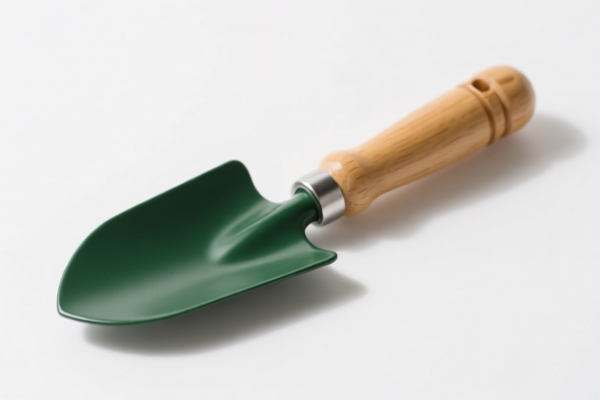
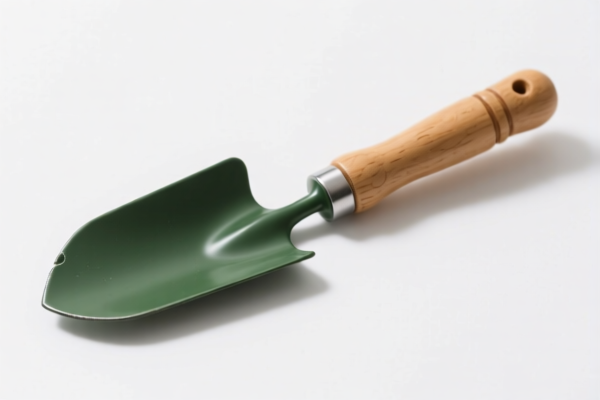
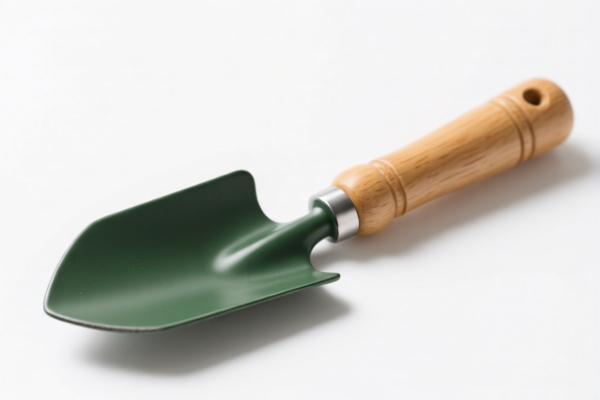
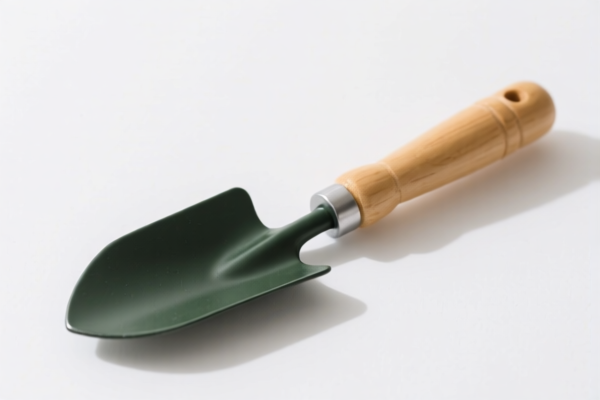
AI Analysis
🏡 Horticultural Shovel (Garden Spade & Trowel)
🌐 HS Code Reference & Customs Clearance Guide | 2026 Latest Tariff Analysis | Professional Clearance Strategy for US Imports
📌 I. Product Definition & Classification: Do You Really Understand the "Horticultural Shovel"?
A horticultural shovel is a hand-held tool used for digging, planting, and moving soil in gardening and landscaping. In international trade, its classification depends strictly on material composition and functional structure:
Metal Shovels (Blade only or Metal-dominant): Tools where the working part (blade/tine) is made of steel, iron, or other base metals. Even if the handle is replaceable or made of wood/plastic, the functional core dictates the classification under Chapter 82 (Tools). Wooden-Handled Shovels (Composite): Tools where the classification hinges on whether the metal part is considered a "simple handle" or if the wooden part is the primary structural element for certain sub-headings.
⚠️ Key Distinction Point:
- If the tool is primarily identified as a metal hand tool (blade is metal), it generally falls under HS 8201.
- If the classification leans towards wooden implements (often due to specific binding rules or older tariff schedules where wooden handles define the entry), it may fall under HS 4417.
- Note: The provided data indicates two distinct classification paths for the same product name, highlighting the importance of precise material description.
📦 II. HS Code Classification Details (2026 Latest Tariff Authority对照)
| HS Code | Product Description | Applicable Scenario | Material Focus |
|---|---|---|---|
8201.90.60.00 |
Horticultural shovels, garden spades, and hoe handles; other garden tools and hand tools | Hand tools used in gardening, classified as base metal tools | Metal/Base Metal (Functional blade) |
8201.30.00.80 |
Shovels and spades, whether or not part of sets | Specifically classified as "Shovels/Spades" under metal tools | Metal (Shovel/Spade form) |
4417.00.80.90 |
Boarding boxes, board boxes, board cases, and similar containers; wooden tools | Tools with wooden parts, classified under wood articles if specified as such | Wood (Handle/Body) |
4417.00.80.10 |
Other wooden articles | Composite tools where wooden components are significant | Wood/Metal Composite |
🔍 Critical Reminder:
- HS 8201 covers tools of base metal. This is the most common classification for standard steel garden shovels. - HS 4417 covers wooden articles. This may apply if the shovel is primarily wooden or if specific customs rulings require wooden handle-heavy tools to be classified under wood provisions. - Do not mix classifications arbitrarily. The physical composition (metal vs. wood ratio) and the primary function determine the code.
💰 III. 2026 Latest Tariff Rate Details (Including Additional Taxes & Policy Surcharges)
✅ Applicable Country: United States (US)
✅ Country of Origin: China (CN)
✅ Effective Date: From November 10, 2025 (including subsequent imports)
🎯 1. 8201.90.60.00 & 8201.30.00.80 —— Metal Horticultural Shovels
These two codes share the same tax structure, as they both fall under the base metal tool category subject to specific trade remedies.
| Item | Content |
|---|---|
| Base Duty Rate | 0.0% (Ad valorem) |
| USITC Additional Duty (Section 301) | +25.0% |
| 122 Clause Tariff (IEEPA/Other) | +10.0% |
| Total Tax Rate | 35.0% |
| Tax Calculation | CIF Value × 35% |
| De Minimis Exemption Available? | ❌ No (High tariffs usually negate de minimis benefits for bulk imports) |
| Legal Basis Path | USITC:8201.90.60.00 → FOOTNOTE:9903.88.01 (Section 301) + IEEPA:9903.01.25 (122 Clause/China-specific) |
📌 Explanation:
- The 25% additional duty is imposed under Section 301 of the Trade Act of 1974 against Chinese goods. - The 10% additional duty (referred to as "122 Clause" in the data) is an additional surcharge applicable to specific Chinese-origin goods, often linked to national security or emergency powers (IEEPA). - Total Cost Impact: You pay 35% of the CIF value in duties alone, on top of shipping and insurance.
🎯 2. 4417.00.80.90 & 4417.00.80.10 —— Wooden/Composite Horticultural Shovels
These codes apply when the product is classified under Chapter 44 (Wood and Articles of Wood).
| Item | Content |
|---|---|
| Base Duty Rate | 5.1% (Ad valorem) |
| USITC Additional Duty (Section 301) | +25.0% |
| 122 Clause Tariff (IEEPA/Other) | +10.0% |
| Total Tax Rate | 40.1% |
| Tax Calculation | CIF Value × 40.1% |
| De Minimis Exemption Available? | ❌ No |
| Legal Basis Path | USITC:4417.00.80.90 → FOOTNOTE:9903.88.01 + IEEPA:9903.01.25 |
📌 Explanation:
- Unlike the metal tools (0% base), wooden tools have a base duty of 5.1%. - However, the additional taxes (25% + 10%) remain the same, resulting in a higher total effective rate (40.1%) compared to metal shovels (35.0%). - Cost Warning: Choosing the wood classification (if legally permissible) is more expensive than the metal classification.
🛠️ IV. Customs Clearance Practical Advice (Battle-Tested Pitfall Guide)
✅ 1. Preparation Checklist (Mandatory)
| Document | Required | Notes |
|---|---|---|
| ✅ Product Specifications | ✔️ | Must specify: Material (e.g., "Carbon Steel Blade, Hickory Handle"), Dimensions, Weight. |
| ✅ Product Photos | ✔️ | Clear images of the blade, handle joint, and any branding. Crucial for distinguishing Metal vs. Wood classification. |
| ✅ Commercial Invoice | ✔️ | Must clearly state "Horticultural Shovel" and Country of Origin: China. |
| ✅ Packing List | ✔️ | Detail the composition if sold as a set (e.g., shovel + rake). |
| ✅ Tariff Classification Proof | ✔️ | Internal memo or prior ruling justifying HS 8201 vs. 4417. |
✅ 2. Declaration Tips (Key Mantras)
🔥 "Material Defines Code, Origin Defines Tax, Precision Saves Money!"
| Scenario | Correct Declaration | Wrong Approach | Consequence |
|---|---|---|---|
| Standard Steel Shovel | HS 8201.90.60.00 | Declaring as "Garden Tool" (Generic) | May be flagged for misclassification; risk of 40.1% if wrongly assigned to Wood. |
| Wooden-Handled Steel Shovel | HS 8201.90.60.00 (Preferred) | Declaring as 4417.00.80.90 |
Unnecessary 5.1% base duty → Higher total tax (40.1% vs 35%). |
| Full Wooden Trowel | HS 4417.00.80.90 | Declaring as Metal Tool | Penalty for false declaration + potential 35% underpayment audit. |
| Kit (Shovel + Rake) | Declare by highest duty item or separate lines | Combined generic description | Customs may seize or re-classify entire shipment, causing delays. |
✅ 3. Special Circumstances
| Situation | Handling Advice |
|---|---|
| OEM/Private Label | Provide brand authorization. Do not change HS code based on branding; it remains a "Garden Tool." |
| Composite Handles | If the handle is wood but the tool is primarily a "metal hand tool" (HS 8201), use 8201 to save 5.1% base duty. Ensure the metal part is the functional element. |
| Bulk vs. Retail | Bulk imports (palletized) require strict HS accuracy. Retail kits must list each item's HS code if duties differ. |
| Origin Marking | All shovels must be permanently marked "Made in China" on the tool itself (not just packaging) to avoid Section 323 violations. |
🌍 V. Global Market Clearance Comparison (2026 Latest)
| Country/Region | Recommended HS Code | Duty Rate (China Origin) | Certification Requirements | Notes |
|---|---|---|---|---|
| 🇺🇸 USA | 8201.90.60.00 |
35.0% (Metal) / 40.1% (Wood) | None specific for tools | High tariffs apply. Section 301 + 122 Clause. |
| 🇨🇳 China | 8201.90.60.00 |
~15-20% (Import to China) | CCC (if applicable) | Low cost if exporting from China. |
| 🇪🇺 EU | 8201.30.00 |
~6.5% (Standard) | CE (if power-assisted, unlikely for manual) | No Section 301. Much cheaper than US. |
| 🇬🇧 UK | 8201.30.00 |
~6.5% (Standard) | UKCA | Post-Brexit rules apply. |
| 🇦🇺 Australia | 8201.30.00 |
5% | RCM (if electrical) | No major trade war tariffs. |
📌 Conclusion:
- The USA market is significantly more expensive due to the 35-40% total duty rate. - If possible, consider diversifying suppliers to Vietnam, Thailand, or Mexico to avoid Section 301 tariffs (verify country of origin rules strictly). - For US imports, optimizing the HS code to 8201.90.60.00 (Metal) saves 5.1% compared to the wooden classification.
📌 VI. Common Errors & Pitfalls (Lessons Learned)
❌ Error 1: Using "Garden Shovel" as the only description without material specification.
👉 Consequence: Customs officer may guess, potentially assigning the higher 4417 code (40.1%) instead of 8201 (35.0%).
❌ Error 2: Failing to mark "Made in China" on the tool.
👉 Consequence: Detainment, fines, and forced re-marking at the port. Section 323 enforcement is strict.
❌ Error 3: Declaring wooden-handled shovels as HS 4417 to "simplify."
👉 Consequence: Overpayment of taxes. 40.1% is higher than 35.0%. Ensure the metal blade is the primary functional component to qualify for 8201.
❌ Error 4: Ignoring the "122 Clause" 10% surcharge.
👉 Consequence: Unexpected budget overrun. The total cost is 35% or 40.1%, not just 25%.
✅ Correct Practice:
"Horticultural Shovel, Carbon Steel Blade, Hickory Wood Handle, Made in China, Model XYZ"
HS Code:8201.90.60.00
Duty: 35%
🎯 VII. Conclusion: Professional Declaration, Cost Optimization!
🎯 Remember the Mantra:
🔹 "Metal Blade = HS 8201 (35%). Wooden = HS 4417 (40.1%). Mark it 'Made in China'!"
🔹 "35% is high, but 40.1% is avoidable. Don't pay for wood classification if it's metal!"
📌 Pro Tip:
- If your shovels are manufactured in Vietnam, Thailand, or Mexico, you may avoid the 35% US tariff entirely (subject to local content rules).
- Consider Advance Rulings from CBP if you have a large volume and want certainty on the 8201 vs. 4417 distinction.
📣 Immediate Action:
📞 Contact your Customs Broker to confirm the "Metal vs. Wood" classification for your specific design.
🚀 Ensure "Made in China" marks are on every shovel before shipment.
💼 Optimize your supply chain to mitigate the 35% tariff burden!
✨ Professional Clearance Starts with Accurate Classification!
💼 Every percentage point counts in cross-border trade!
Customer Reviews
About HS Code Classification
The Harmonized System (HS) is an internationally standardized nomenclature developed by the World Customs Organization (WCO) to classify traded products. Over 200 countries use the HS system as the basis for customs tariffs, trade statistics, and import/export regulations.
Each HS code follows a hierarchical structure:
- Chapter (2 digits) — Broad category of goods (e.g., Chapter 84: Machinery and Mechanical Appliances)
- Heading (4 digits) — More specific grouping within the chapter
- Subheading (6 digits) — Internationally standardized breakdown, used by all WCO member countries
- National subdivisions (8-10 digits) — Country-specific extensions for further classification, such as US HTSUS 10-digit codes
Correct HS code classification is essential for smooth customs clearance, accurate duty payment, and compliance with trade regulations. Misclassification can lead to customs delays, overpayment of duties, or penalties.
When importing from CN to US, the applicable tariff rates may include:
- Most-Favored-Nation (MFN) rate — The standard duty rate applied to WTO members
- General rate — Applied to countries without trade agreements
- Trade remedy duties — Additional tariffs such as Section 301 (anti-dumping), Section 232 (national security), or countervailing duties
The information provided on this page is for reference purposes only. For official classification, please consult with your local customs authority or a licensed customs broker.