Hose Pipe
CN → US| HS Code | Tariff Rate | Origin | Destination | Doc |
|---|---|---|---|---|
| 8481809050 | 37.0% | CN | US | Official Doc |
| 8307903000 | 38.8% | CN | US | Official Doc |
| 3917400095 | 40.3% | CN | US | Official Doc |
| 8481909085 | 85.0% | CN | US | Official Doc |
| 4009110000 | 37.5% | CN | US | Official Doc |
Product Images
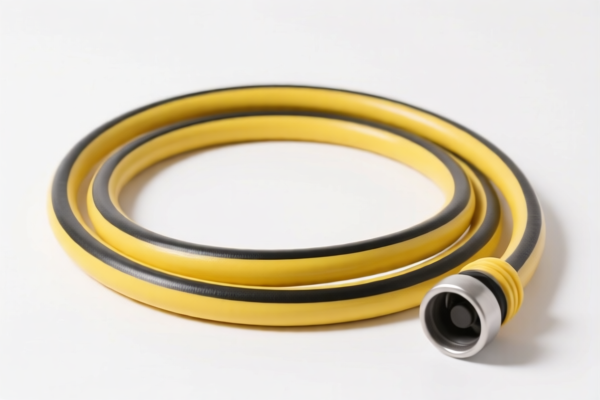
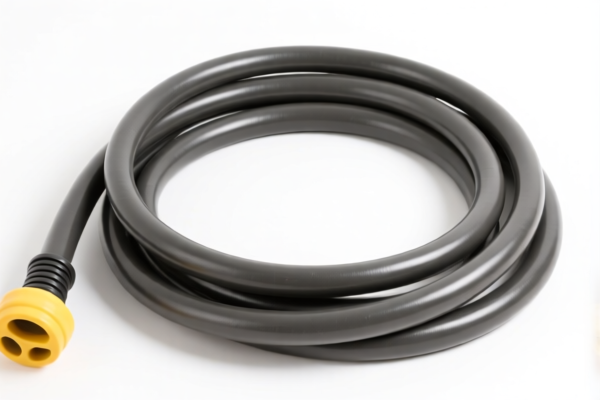
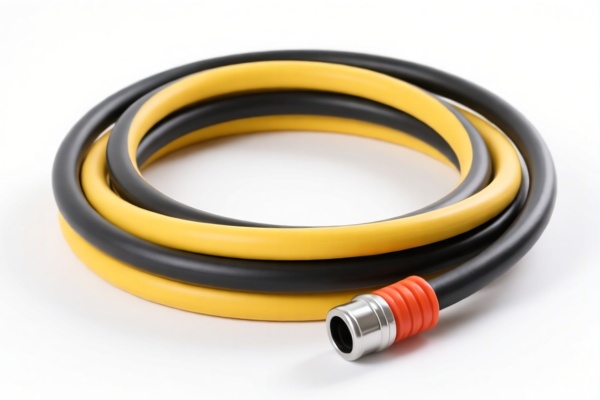
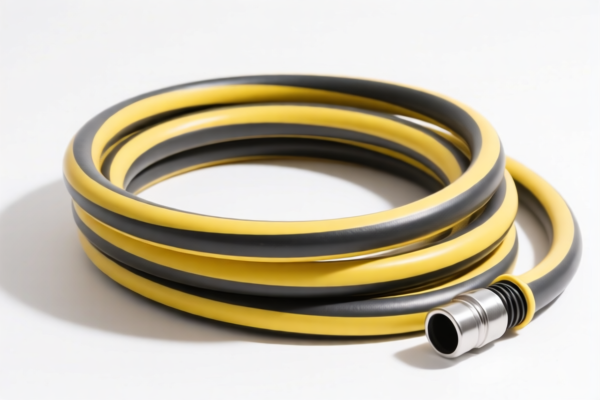
AI Analysis
🚿 Hose Pipe (Valves & Hoses)
🌐 HS Code Reference & Clearance Guide | 2026 Latest Tariff Analysis | Professional Customs Strategy
📌 I. Product Definition & Classification: Do You Really Understand "Hose Pipes"?
In international trade, "Hose Pipes" are not a single entity but a complex category depending on material, function, and construction. Misclassification here is one of the most common causes of customs delays and massive tariff shocks.
Generally, hose-related imports fall into two main buckets: 1. The Hose Itself (The flexible tube conveying fluid): Typically classified under Chapter 40 (Rubber) or Chapter 39 (Plastic). 2. The Valve/Fitting (The connector or control device): Typically classified under Chapter 84 (Machinery/Valves) or Chapter 83 (Miscellaneous Metal Articles).
⚠️ Critical Distinction:
- If the item is a complete valve assembly used to control flow → It is a Valve (Chapter 84/83).
- If the item is a flexible tube made of rubber/plastic → It is a Hose (Chapter 40/39).
- If the item is a loose part of a valve (e.g., a stem or seat) → It is a Part (Chapter 84).
- Mixing these up leads to tax rates ranging from 37% to 85%!
📦 II. HS Code Classification Details (2026 Latest Tariff Authority Match)
Based on the provided data, here is the precise mapping for "Hose Pipe" components and related items:
| HS Code | Product Description | Material/Type | Key Identifier |
|---|---|---|---|
8481.80.90.50 |
Hose Valves (Valves & Similar Appliances) | General/Metal/Plastic | Function: Valve/Control. Not based on material alone. |
8307.90.30.00 |
Hose Valves (Based on Base Metal) | Base Metal | Material: Base Metal. Classified under "Other Base Metal Articles". |
3917.40.00.95 |
Hose Valves (Based on Plastic) | Plastic | Material: Plastic. Classified under "Tubes, Pipes, Hoses... Accessories". |
8481.90.90.85 |
Hose Valve Parts (Parts of Valves) | Unspecified Material | Component: Spare parts or loose valve components. High Risk! |
4009.11.00.00 |
Rubber Hoses | Vulcanized Rubber | Form: Tubes, Hoses. Material: Rubber. |
🔍 Key Warning:
- The term "Hose Pipe" in user input is ambiguous. You must determine if you are importing the Hose (4009.11.00.00) or the Valve attached to it.
-8481.90.90.85is a trap. If you ship loose valve parts under this code, the tariff jumps to 85.0% due to specific steel/aluminum/copper surcharges.
- Material matters:3917.40.00.95(Plastic) has a higher base duty (5.3%) than8307.90.30.00(Base Metal, 3.8%).
💰 III. 2026 Latest Tariff Rate Breakdown (Including Surcharges)
✅ Applicable Country: United States (US)
✅ Origin: China (CN)
✅ Effective Date: Current policies including Section 301 and IEEPA
🎯 1. 8481.80.90.50 —— Hose Valves (General Valves)
| Item | Content |
|---|---|
| Base Duty | 2.0% (ad valorem) |
| Section 301 Surcharge | +25.0% |
| Section 122 Surcharge | +10.0% |
| Total Rate | 37.0% |
| Calculation | CIF Value × 37.0% |
| De Minimis Exemption | ❌ Not Eligible (deny_de_minimis) |
| Legal Path | Base Tariff + Sec 301 Footnote + Sec 122 Provision |
📌 Explanation:
This is the standard rate for functional valves used in piping systems. The "Base Metal" or generic classification applies when the specific material doesn't force it into Chapter 83.
🎯 2. 8307.90.30.00 —— Hose Valves (Base Metal)
| Item | Content |
|---|---|
| Base Duty | 3.8% (ad valorem) |
| Section 301 Surcharge | +25.0% |
| Section 122 Surcharge | +10.0% |
| Total Rate | 38.8% |
| Calculation | CIF Value × 38.8% |
| De Minimis Exemption | ❌ Not Eligible |
| Legal Path | Base Tariff + Sec 301 Footnote + Sec 122 Provision |
📌 Explanation:
Slightly higher base duty (3.8% vs 2.0%) than8481.80.90.50. This applies if the valve is explicitly identified as a "Base Metal Article" rather than a mechanical valve under Chapter 84.
🎯 3. 3917.40.00.95 —— Hose Valves (Plastic)
| Item | Content |
|---|---|
| Base Duty | 5.3% (ad valorem) |
| Section 301 Surcharge | +25.0% |
| Section 122 Surcharge | +10.0% |
| Total Rate | 40.3% |
| Calculation | CIF Value × 40.3% |
| De Minimis Exemption | ❌ Not Eligible |
| Legal Path | Base Tariff + Sec 301 Footnote + Sec 122 Provision |
📌 Explanation:
Plastic hoses/hose accessories fall under Chapter 39. The higher base duty (5.3%) makes this the most expensive "Valve/Hose Accessory" category among the metal/plastic valve options.
🎯 4. 8481.90.90.85 —— Valve Parts (No Clear Material)
| Item | Content |
|---|---|
| Base Duty | 0.0% |
| Section 301 Surcharge | +25.0% |
| Section 122 Surcharge | +10.0% |
| Steel/Aluminum/Copper Surcharge | +50.0% (Crucial!) |
| Total Rate | 85.0% |
| Calculation | CIF Value × 85.0% |
| De Minimis Exemption | ❌ Not Eligible |
| Legal Path | Base Tariff + Sec 301 + Sec 122 + Special Metal Surcharge |
📌 CRITICAL WARNING:
- This is the MOST DANGEROUS code. Even though the base duty is 0%, the additional 50% metal surcharge (for steel, aluminum, copper products) pushes the total to 85%.
- Do NOT use this code for complete hoses or valves. Use it only for loose, identifiable spare parts (e.g., a single valve stem) AND be prepared for the 85% hit if made of metal.
- For plastic parts, verify if the 50% metal surcharge applies (usually no, but the base duty + 35% still equals 40.3% or similar depending on plastic classification).
🎯 5. 4009.11.00.00 —— Rubber Hoses
| Item | Content |
|---|---|
| Base Duty | 2.5% (ad valorem) |
| Section 301 Surcharge | +25.0% |
| Section 122 Surcharge | +10.0% |
| Total Rate | 37.5% |
| Calculation | CIF Value × 37.5% |
| De Minimis Exemption | ❌ Not Eligible |
| Legal Path | Base Tariff + Sec 301 Footnote + Sec 122 Provision |
📌 Explanation:
If your product is a vulcanized rubber hose (without a valve attached, or if the valve is minor), this is the correct code. It is one of the lower rates for hose imports (37.5%).
🛠️ IV. Customs Clearance Practical Advice (Pitfall Avoidance Guide)
✅ 1. Documentation Checklist (Mandatory)
| Document | Required | Note |
|---|---|---|
| ✅ Product Specification Sheet | ✔️ | Must clearly state: Material (Rubber, Plastic, Metal), Function (Hose vs. Valve), Dimensions. |
| ✅ Photos of Product & Label | ✔️ | Show the "Valve" handle, the "Hose" texture, and any pressure ratings. |
| ✅ Bill of Lading / Invoice | ✔️ | Description must match HS Code. Do not just write "Hose Pipe". Write "Rubber Hose, 1-inch" or "Brass Valve, 1/2-inch". |
| ✅ Material Declaration | ✔️ | Critical to avoid the 85% 8481.90.90.85 trap. Confirm if parts are metal/plastic. |
| ✅ Country of Origin Certificate | ✔️ | Required for Surcharge calculations (China origin = +35% to +85%). |
✅ 2. Declaration Strategy (Key Mantras)
🔥 "Hose is Rubber/Plastic, Valve is Metal/Mechanical. Don't Mix Parts!"
| Scenario | Correct HS Code | Incorrect Code | Consequence |
|---|---|---|---|
| Vulcanized Rubber Hose (No valve) | 4009.11.00.00 (37.5%) |
8481.80.90.50 |
Overpaying or Under-declaring. |
| Brass/Steel Valve | 8481.80.90.50 (37.0%) OR 8307.90.30.00 (38.8%) |
4009.11.00.00 |
Under-declaring tariff → Penalty! |
| Plastic Hose/Fitting | 3917.40.00.95 (40.3%) |
8481.80.90.50 |
Minor rate difference, but material must match. |
| Loose Metal Valve Part | 8481.90.90.85 (85.0%) |
8481.80.90.50 |
Disaster! Rate jumps from 37% to 85%. |
📌 Note:
- If you ship a Hose with a Valve Attached, classify based on the essential character. Usually, if the valve is the main value-add, it might be a valve. If the hose is the main item, it might be a hose. However, customs often require splitting them if they are distinct components.
- Avoid8481.90.90.85unless you are certain you are importing spare parts and have calculated the 85% cost.
✅ 3. Special Cases
| Scenario | Handling Advice |
|---|---|
| Hose with Fittings | If fittings are metal, they may fall under 8307.90.30.00 or 8481.90.90.85. Declare separately to avoid misclassification. |
| Plastic Hoses | Use 3917.40.00.95. Ensure material is declared as "Plastic" to avoid being classified as "Unspecified" and hit with higher base duties. |
| OEM Custom Hoses | Provide customer drawings showing material composition. |
| Hydraulic Hoses | Often rubber (4009.11.00.00). Ensure they are not confused with metal pipes. |
🌍 V. Global Market Comparison (2026 Latest)
| Country/Region | Recommended HS Code | Tariff (China Origin) | Certification | Notes |
|---|---|---|---|---|
| 🇺🇸 USA | 4009.11.00.00 / 8481.80.90.50 |
37.0% - 40.3% (Valves) 37.5% (Hoses) |
None specific | High Surcharges (301 + 122). |
| 🇪🇺 EU | 4009.11.00.00 / 8481.80.90.50 |
~4% - 6% | REACH, RoHS | No Section 301/122 equivalent. |
| 🇨🇳 China | 4009.11.00.00 / 8481.80.90.50 |
~2.5% - 5.0% | CCC (if applicable) | Low duty, no surcharges. |
| 🇯🇵 Japan | 4009.11.00.00 / 8481.80.90.50 |
~3% - 5% | PSE (if electrical) | Low duty, stable rates. |
📌 Conclusion:
- USA is the most expensive market for hose/valve imports due to the 35-50% additional surcharges.
- EU, China, Japan have significantly lower tariffs.
- If targeting the US, consider supply chain diversification (e.g., Vietnam, Mexico) to mitigate surcharges, or ensure precise HS classification to avoid the 85% "Parts" trap.
📌 VI. Common Errors & Pitfall Guide (Lessons Learned)
❌ Error 1: Shipping loose metal valve stems under 8481.80.90.50 (37%)
👉 Consequence: Customs reclassifies as 8481.90.90.85 → 85% Tax!
👉 Fix: Always declare "Valve Parts" clearly, but budget for 85%.
❌ Error 2: Labeling a Brass Valve as "Hose" and using 4009.11.00.00
👉 Consequence: Customs rejects for material mismatch. Penalty + Delay.
👉 Fix: Check material. Metal = Chapter 83/84. Rubber = Chapter 40.
❌ Error 3: Ignoring Section 122 and 301 in cost calculations
👉 Consequence: Profit margin wiped out by unexpected 35%+ surcharges.
👉 Fix: Include 37-40% in your landed cost model for US imports.
❌ Error 4: Using "Hose Pipe" as the commodity name
👉 Consequence: Ambiguity leads to random assignment by customs officer.
👉 Fix: Use specific names: "Vulcanized Rubber Hose" or "Brass Ball Valve".
✅ Correct Declaration Example:
"Vulcanized Rubber Hose, 1 Inch Diameter, No Fittings, Model H-100" →
4009.11.00.00
"Brass Hose Valve, 1/2 Inch, for Water Control" →8481.80.90.50
🎯 VII. Conclusion: Precision Saves Money!
🎯 Remember the Mantra:
🔹 "Hose is Rubber/Plastic, Valve is Metal. Parts are 85%, Hoses are 37%. Don't Guess!"
🔹 "USA Surcharges are 35-50%. Factor it in or lose your margin."
📌 Pro Tip:
If your hose/valve imports to the US exceed a certain value, consider applying for a Section 301 Exclusion if available for your specific product code.
Also, pre-classify with a customs broker before shipping to avoid the 85% trap for parts.
📣 Immediate Action:
📞 Consult a Customs Broker
📸 Provide Clear Photos & Material Specs
📄 Apply for Advance Ruling if unsure🚀 Clear the Hurdle, Secure the Profit, Ship with Confidence!
✨ Professional Clearance Starts with Accurate Classification!
💼 Your Cost Efficiency Depends on the HS Code!
Customer Reviews
About HS Code Classification
The Harmonized System (HS) is an internationally standardized nomenclature developed by the World Customs Organization (WCO) to classify traded products. Over 200 countries use the HS system as the basis for customs tariffs, trade statistics, and import/export regulations.
Each HS code follows a hierarchical structure:
- Chapter (2 digits) — Broad category of goods (e.g., Chapter 84: Machinery and Mechanical Appliances)
- Heading (4 digits) — More specific grouping within the chapter
- Subheading (6 digits) — Internationally standardized breakdown, used by all WCO member countries
- National subdivisions (8-10 digits) — Country-specific extensions for further classification, such as US HTSUS 10-digit codes
Correct HS code classification is essential for smooth customs clearance, accurate duty payment, and compliance with trade regulations. Misclassification can lead to customs delays, overpayment of duties, or penalties.
When importing from CN to US, the applicable tariff rates may include:
- Most-Favored-Nation (MFN) rate — The standard duty rate applied to WTO members
- General rate — Applied to countries without trade agreements
- Trade remedy duties — Additional tariffs such as Section 301 (anti-dumping), Section 232 (national security), or countervailing duties
The information provided on this page is for reference purposes only. For official classification, please consult with your local customs authority or a licensed customs broker.