Hot Air Balloon Wooden Parts
CN → US| HS Code | Tariff Rate | Origin | Destination | Doc |
|---|---|---|---|---|
| 4407190092 | 35.0% | CN | US | Official Doc |
| 4404100090 | 35.0% | CN | US | Official Doc |
| 4407990295 | 35.0% | CN | US | Official Doc |
| 4404200090 | 35.0% | CN | US | Official Doc |
Product Images
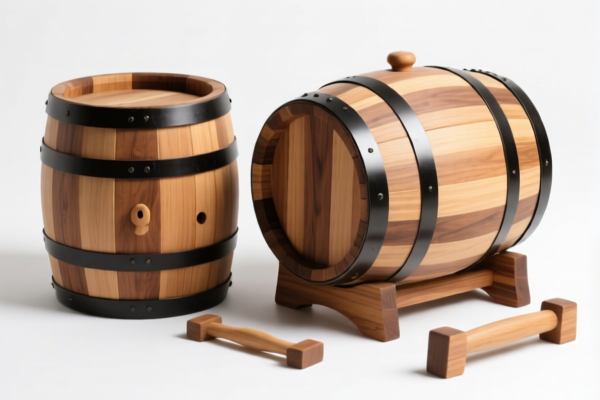
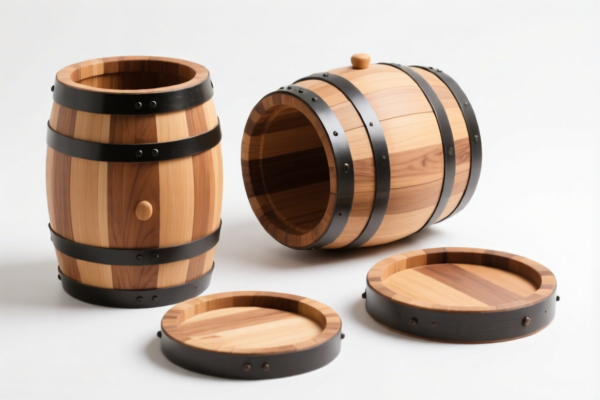
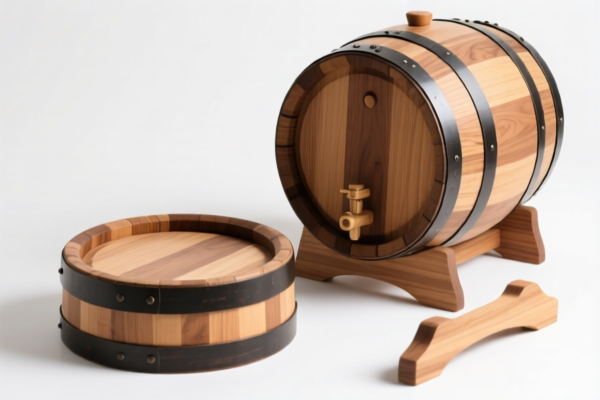
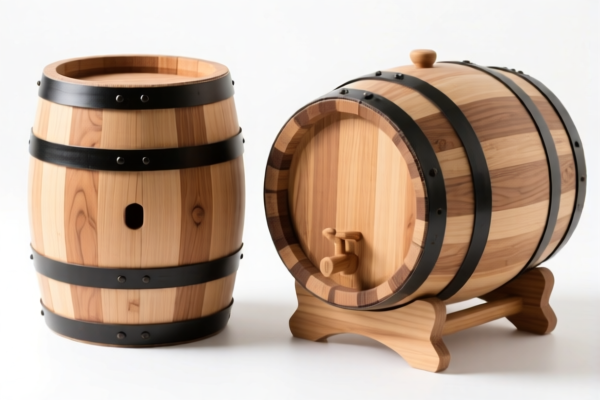
AI Analysis
🎈 Hot Air Balloon Wooden Parts (Hot Air Balloon Wooden Slices/Sheets)
🌐 HS Code Reference & Customs Clearance Guide | 2026 Latest Tariff Analysis | Professional Clearance Strategy
📌 I. Product Definition & Classification: Do You Really Understand "Hot Air Balloon Wooden Parts"?
Hot Air Balloon Wooden Parts (specifically wooden slices, sheets, or structural wood components used in balloon frames) are specialized timber products. In international trade, they are classified based on their wood type (coniferous/needle-leaf vs. non-coniferous/hardwood) and processing form (sliced/planed).
The provided data suggests four primary HS Code classifications depending on the specific wood species and physical form:
- Coniferous Wood (Softwood) Primary Forms: Thin slices or sheets derived from softwoods (e.g., pine, spruce).
- Non-Coniferous Wood (Hardwood) Slices: Slices derived from hardwoods (e.g., oak, maple, bamboo-like structures if classified under wood).
- Other Wood Slices: General categorization for wood slices that do not fit specific primary product definitions.
⚠️ Key Distinction Point:
- If the wood is Coniferous (Softwood) and in a primary sliced form, it typically falls under 4404.10.
- If the wood is Coniferous but classified broadly as "Other Wood Slices", it may fall under 4407.19.
- If the wood is Non-Coniferous (Hardwood) in a primary form, it falls under 4404.20.
- If the wood is Non-Coniferous and classified as "Other Slices", it falls under 4407.99.
📦 II. HS Code Classification Details (2026 Latest Tariff Authority Comparison)
| HS Code | Product Description | Applicable Scenario | Wood Type | Form Characteristic |
|---|---|---|---|---|
4404.10.00.90 |
Hot Air Balloon Wooden Parts classified as primary forms of coniferous wood | Softwood slices (e.g., pine frames), initial processing stage | Coniferous (Softwood) | Primary sliced form |
4404.20.00.90 |
Hot Air Balloon Wooden Parts classified as other non-coniferous wood products | Hardwood slices (e.g., oak/beech components), initial processing stage | Non-Coniferous (Hardwood) | Primary sliced form |
4407.19.00.92 |
Hot Air Balloon Wooden Parts classified as other wood slices | Softwood slices, secondary processing or specific sub-heading classification | Coniferous (Softwood) | Sliced/Planed form |
4407.99.02.95 |
Hot Air Balloon Wooden Parts classified as non-coniferous wood slices | Hardwood slices, general "other" category for hardwood | Non-Coniferous (Hardwood) | Sliced/Planed form |
🔍 Key Reminder:
- All these HS Codes share the same total tax rate of 35% due to specific trade policies (see Section III).
- The distinction between4404(Primary Forms) and4407(Wood, Sawn or Chipped Lengthwise) is critical for customs valuation and duty preference eligibility in some jurisdictions, though here the tariff burden is identical.
- Ensure your commercial invoice clearly states the wood species (e.g., Pine, Oak) and form (e.g., Slices, Sheets, Veneer) to match the correct HS Code.
💰 III. 2026 Latest Tariff Rate Details (Including Surtaxes & Policy Add-ons)
✅ Applicable Country: United States (US)
✅ Origin: China (CN) (Assumed based on "122条款" and typical trade context for these surtaxes)
✅ Effective Date: Current applicable rates for US imports from China
🎯 1. All Listed HS Codes (4404.10, 4404.20, 4407.19, 4407.99)
| Item | Content |
|---|---|
| Base Tariff Rate | 0% (Ad Valorem) |
| Section 301 Additional Tariff | +25% |
| Section 122 Tariff (IEEPA/Specific Clause) | +10% |
| Total Tariff Rate | 35% |
| Tax Calculation | CIF Value × 35% |
| De Minimis Exemption Eligible? | ❌ No (Denied de_minimis) |
| Legal Basis Path | Section 301: USITC Tariff Schedule → Section 122/IEEPA: 19 USC 1702 → HS Code Specific Footnotes |
📌 Explanation:
- "Base Tariff 0%": Wood products often have low or zero base MFN (Most Favored Nation) tariffs.
- "Section 301 Additional Tariff 25%": This is the standard retaliatory tariff imposed on many Chinese goods under Section 301 of the Trade Act of 1974.
- "Section 122 Tariff 10%": This refers to a specific tariff clause (often associated with emergency import relief or specific bilateral trade provisions) adding an extra 10%.
- Total 35%: This is a high tariff burden. It must be factored into your cost structure immediately.
- No De Minimis: Small shipments do not qualify for the $800 de minimis exemption. Every shipment is subject to full customs examination and taxation.
🛠️ IV. Customs Clearance Practical Advice (Real-World Pitfall Avoidance Guide)
✅ 1. Document Checklist (Missing Items = Delays/Seizures)
| Document | Required? | Notes |
|---|---|---|
| ✅ Product Specification Sheet | ✔️ | Must specify wood species (Scientific name preferred), dimensions, moisture content. |
| ✅ Commercial Invoice | ✔️ | Clearly state: "Wooden Slices for Hot Air Balloons," HS Code, Origin: China. |
| ✅ Packing List | ✔️ | Detailed weight and volume per box. Wooden parts are heavy; accurate volumetric weight is crucial. |
| ✅ Phytosanitary Certificate | ✔️ | Critical! Wood products require ISPM 15 compliance (heat treatment/fumigation) to prevent pest introduction. |
| ✅ Material Safety Data Sheet (MSDS) | ❓ | If wood is treated with preservatives, chemicals, or paints, MSDS is required for hazardous goods classification. |
| ✅ Bill of Lading (B/L) | ✔️ | Ensure marks and numbers match the packing list. |
✅ 2. Declaration Tips (Key Mantra)
🔥 "Accurate Wood Species, ISPM 15 Certified, Full Disclosure, 35% Tax Ready!"
| Scenario | Correct Declaration | Wrong Action |
|---|---|---|
| Softwood Slices (Pine/Spruce) | 4404.10.00.90 or 4407.19.00.92 |
Misdeclare as hardwood → Risk of penalty |
| Hardwood Slices (Oak/Maple) | 4404.20.00.90 or 4407.99.02.95 |
Misdeclare as softwood → Risk of penalty |
| Untreated Wood | Clearly state "Untreated" + Phytosanitary Cert | Fail to provide Phytosanitary Cert → Quarantine/Destruction |
| Treated Wood | Declare treatment type (e.g., Heat Treated, HTH) | Conceal treatment chemicals → Hazardous Goods Violation |
✅ 3. Special Handling Situations
| Situation | Handling Advice |
|---|---|
| Wood Treated with Chemicals | If any flame retardant, preservative, or paint is applied, the product may no longer be "raw wood." It could be classified under Chapter 44 (Processed) or even Chapter 39/32 if heavily coated. Consult a customs broker early. |
| Bundled with Balloon Fabric | If wood parts are shipped with the fabric envelope in one container, do not combine HS Codes. Declare separately to avoid misclassification penalties. |
| OEM Custom Shapes | Provide CAD drawings or detailed sketches to prove the product is "sliced wood" and not a "finished wooden article" (which might have different tariffs). |
🌍 V. Global Market Comparison (2026 Latest)
| Country/Region | Recommended HS Code | Tariff Rate (China Origin) | Key Requirement | Notes |
|---|---|---|---|---|
| 🇺🇸 USA | 4404.10/4407.19/4404.20/4407.99 |
35% (25% + 10%) | ISPM 15, Phytosanitary Cert | High Tariff; Plan budget accordingly. |
| 🇨🇳 China | Same Codes | 0-5% (Depends on HS) | N/A | Domestic trade has low tariffs. |
| 🇪🇺 EU | Similar Codes | 0-6% | Fumigation/Heat Treatment | Lower tariffs than US; strict phytosanitary rules. |
| 🇦🇺 Australia | Similar Codes | 5% | Phytosanitary Cert | Strict biosecurity laws. |
| 🇯🇵 Japan | Similar Codes | 0-3% | Phytosanitary Cert | Low tariffs; efficient customs. |
📌 Conclusion:
- USA is the most expensive market for these goods due to the 35% combined tariff.
- EU and Asia are more cost-effective but have strict phytosanitary regulations.
- Ensure ISPM 15 compliance (wood must be marked with the IPPC logo) to avoid rejection in all markets.
📌 VI. Common Errors & Pitfall Guide (Blood Lessons)
❌ Error 1: Missing Phytosanitary Certificate
👉 Consequence: Goods quarantined or destroyed at the port. Total loss risk.
❌ Error 2: Incorrect Wood Species Declaration
👉 Consequence: Customs reclassifies and demands back taxes + fines. Even if the rate is the same, it creates a compliance record issue.
❌ Error 3: Assuming "De Minimis" Applies
👉 Consequence: Small shipments (under $800) are still taxed at 35%. Do not assume exemption.
❌ Error 4: Combining Wood Parts with Balloon Fabric in One Line Item
👉 Consequence: Misclassification. Fabric (e.g., Nylon/Polyester) has different tariffs and requirements. Declare separately.
✅ Correct Practice:
"Hot Air Balloon Structural Slices, Pine Wood (Pinus sylvestris), Heat Treated per ISPM 15, Unfinished, Model: HB-2026, Origin: China"
🎯 VII. Conclusion: Professional Declaration, Cost Control, Risk Mitigation!
🎯 Remember the Mantra:
🔹 "Wood Needs IPPC, Tax is 35% in USA, Declare Species Clearly, Avoid Delays!"
🔹 "HS Code Determines Tax, 35% is High, Prepare Cash Flow Early!"
📌 Tips:
- Pre-Clearance: Consider applying for an Advance Ruling from US Customs (CBP) to confirm the specific HS Code for your exact wood product.
- Supplier Compliance: Ensure your supplier provides the ISPM 15 mark on the wood packaging and the goods themselves if required.
- Cost Calculation: Include the 35% tariff in your FOB/CIF pricing strategy. Do not let it eat into your profit margin unexpectedly.
📣 Immediate Action:
📞 Contact your customs broker with Product Photos + Material Spec + ISPM 15 Status.
🚀 Ensure your hot air balloon parts clear customs smoothly, pay the correct 35% tariff, and reach your customers on time!
✨ Professional Clearance Starts with Precise Classification!
💼 Your Cost Efficiency Depends on Accurate Declarations!
Customer Reviews
About HS Code Classification
The Harmonized System (HS) is an internationally standardized nomenclature developed by the World Customs Organization (WCO) to classify traded products. Over 200 countries use the HS system as the basis for customs tariffs, trade statistics, and import/export regulations.
Each HS code follows a hierarchical structure:
- Chapter (2 digits) — Broad category of goods (e.g., Chapter 84: Machinery and Mechanical Appliances)
- Heading (4 digits) — More specific grouping within the chapter
- Subheading (6 digits) — Internationally standardized breakdown, used by all WCO member countries
- National subdivisions (8-10 digits) — Country-specific extensions for further classification, such as US HTSUS 10-digit codes
Correct HS code classification is essential for smooth customs clearance, accurate duty payment, and compliance with trade regulations. Misclassification can lead to customs delays, overpayment of duties, or penalties.
When importing from CN to US, the applicable tariff rates may include:
- Most-Favored-Nation (MFN) rate — The standard duty rate applied to WTO members
- General rate — Applied to countries without trade agreements
- Trade remedy duties — Additional tariffs such as Section 301 (anti-dumping), Section 232 (national security), or countervailing duties
The information provided on this page is for reference purposes only. For official classification, please consult with your local customs authority or a licensed customs broker.