Hot Air Healing Tape
CN → US| HS Code | Tariff Rate | Origin | Destination | Doc |
|---|---|---|---|---|
| 3919102055 | 40.8% | CN | US | Official Doc |
| 3919905060 | 40.8% | CN | US | Official Doc |
| 4016996050 | 37.5% | CN | US | Official Doc |
| 4016991500 | 20.2% | CN | US | Official Doc |
Product Images
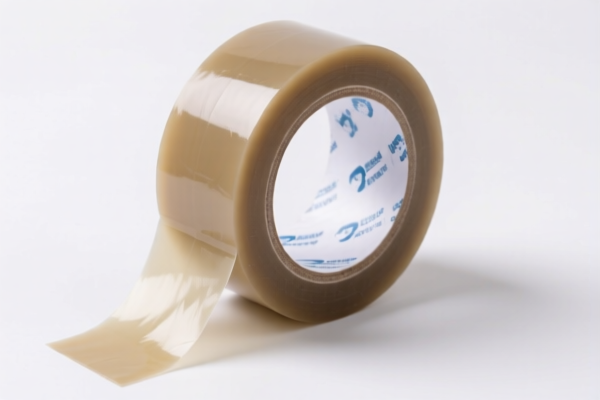
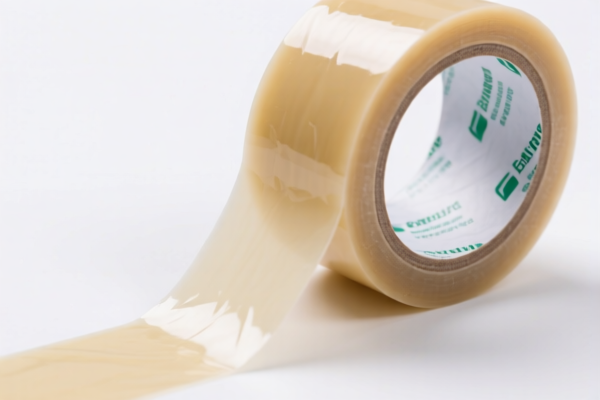
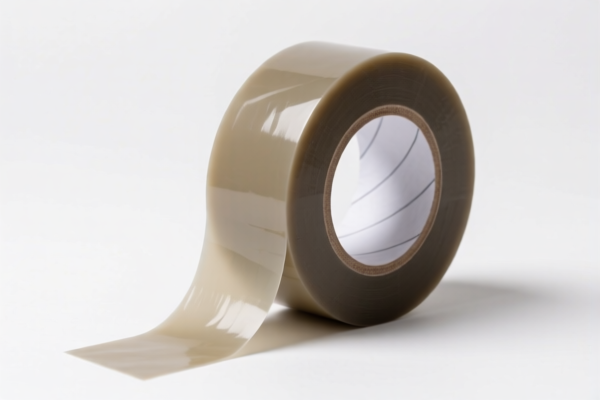
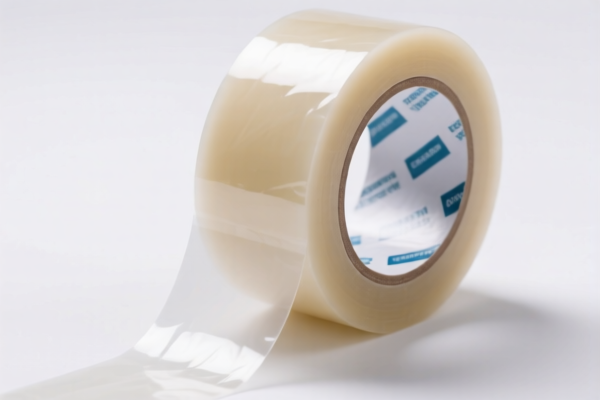
AI Analysis
🌟 Hot Air Healing Tape – HS Code Classification & Customs Clearance Guide (2026 Edition)
🌐 HS Code Breakdown & Tariff Analysis | U.S. Trade Compliance | 2026 Latest Tariff Rules | Expert Customs Strategy
📦 1. Product Definition & Classification: What Exactly Is "Hot Air Healing Tape"?
Hot Air Healing Tape is a specialized adhesive tape used primarily in industrial, electronics, and construction applications for sealing, insulating, and repairing joints or seams using heat activation. It typically consists of a polymer or rubber-based backing with a heat-sensitive adhesive layer that bonds under thermal energy (hot air), forming a durable, airtight, and waterproof seal.
⚠️ Key Feature:
- Thermal activation – Must be heated (via hot air gun) to activate adhesion.
- Self-healing properties – Reforms after damage when reheated.
- Used in: HVAC systems, cable insulation, automotive repair, solar panel sealing, and pipeline joints.
📊 2. HS Code Classification Breakdown (2026 U.S. Tariff Schedule – Authorized by U.S. CBP)
| HS Code | Product Description | Material | Form | Category | Tax Rate | Tax Details |
|---|---|---|---|---|---|---|
3919.10.20.55 |
Plastic-based adhesive tape, non-woven or film backing, used for sealing, thermal activation | Polymer/Plastic | Tape | Other (non-specific) | 40.8% | Base: 5.8% + Add-on: 25.0% + Section 122: 10.0% |
3919.90.50.60 |
Other plastic adhesive tapes, polymer-based, tape form, non-specific use | Polymer | Tape | Other (兜底类目) | 40.8% | Base: 5.8% + Add-on: 25.0% + Section 122: 10.0% |
4016.99.60.50 |
Other vulcanized rubber products, thermoplastic materials (EVA, TPU), tape form | Thermoplastic (EVA/TPU) | Tape | Other rubber goods | 37.5% | Base: 2.5% + Add-on: 25.0% + Section 122: 10.0% |
4016.99.15.00 |
Other rubber products, adhesive + substrate, functional use: sealing | Adhesive + Base Material | Tape | General rubber (兜底) | 20.2% | Base: 2.7% + Add-on: 7.5% + Section 122: 10.0% |
🔍 Why These Classifications?
-3919.10.20.55&3919.90.50.60: Apply when the tape is plastic-based (polymer) and not rubber, even if thermoplastic. These are plastic adhesive tapes under the "other" category.
-4016.99.60.50: Applies when the tape uses EVA, TPU, or other thermoplastic elastomers — these are technically rubber-like materials but classified under vulcanized rubber due to their processing and function.
-4016.99.15.00: Applies when the tape is rubber-based with adhesive layer, used for sealing, and no specific sub-heading fits. This is the lowest tariff option — but only if material is truly rubber-based.
💰 3. 2026 U.S. Tariff Breakdown (Detailed Legal & Policy Basis)
✅ Applicable Country: China (CN)
✅ Applicable Market: United States (US)
✅ Effective Date: November 10, 2025 (Updated under USTR Section 301 & IEEPA)
🎯 1. 3919.10.20.55 – Plastic Adhesive Tape (Polymer-Based)
| Item | Detail |
|---|---|
| Base Duty | 5.8% (Ad Valorem) |
| Section 301 Add-on Tariff | +25.0% (USTR List 3, Section 301 – China Trade War) |
| Section 122 (IEEPA) Tariff | +10.0% (International Emergency Economic Powers Act – China-specific) |
| Total Effective Duty | 40.8% |
| Tax Calculation | CIF Value × 40.8% |
| De Minimis Threshold | ❌ Not applicable (Deny De Minimis) |
| Legal Basis Path | IEEPA:9903.01.25 → Section 301: USTR List 3 → HS:3919.10.20.55 → Footnote 9903.88.01 |
📌 Explanation:
- This is the highest tariff tier — applies to plastic-based tapes with no specific sub-heading.
- Even if the tape is heat-activated, plastic ≠ rubber, so it falls under plastic adhesive tape.
- No exceptions — all Chinese-origin plastic tapes in this category face 40.8%.
🎯 2. 3919.90.50.60 – Other Plastic Adhesive Tapes (Polymer-Based)
| Item | Detail |
|---|---|
| Base Duty | 5.8% |
| Section 301 Add-on Tariff | +25.0% |
| Section 122 (IEEPA) Tariff | +10.0% |
| Total Effective Duty | 40.8% |
| Tax Calculation | CIF × 40.8% |
| De Minimis | ❌ Not applicable |
| Legal Basis Path | IEEPA:9903.01.25 → Section 301: USTR List 3 → HS:3919.90.50.60 → Footnote 9903.88.01 |
📌 Note:
- This code is a "catch-all" for plastic tapes not covered by more specific codes.
- Same tax rate as above — no difference in tariff, but slightly broader scope.
- If your tape is not listed under 3919.10.20.55, this is the fallback.
🎯 3. 4016.99.60.50 – Other Vulcanized Rubber Products (EVA/TPU-Based)
| Item | Detail |
|---|---|
| Base Duty | 2.5% |
| Section 301 Add-on Tariff | +25.0% |
| Section 122 (IEEPA) Tariff | +10.0% |
| Total Effective Duty | 37.5% |
| Tax Calculation | CIF × 37.5% |
| De Minimis | ❌ Not applicable |
| Legal Basis Path | IEEPA:9903.01.25 → Section 301: USTR List 3 → HS:4016.99.60.50 → Footnote 9903.88.01 |
📌 Key Insight:
- EVA, TPU, and thermoplastic elastomers are not pure rubber, but classified as vulcanized rubber products under U.S. customs rules if they are processed like rubber and used in sealing/repair applications.
- Lower base duty (2.5%) → saves 3.3% vs. plastic-based codes.
- Best option if material is EVA/TPU-based.
🎯 4. 4016.99.15.00 – Other Rubber Products (Adhesive + Substrate, Sealing Use)
| Item | Detail |
|---|---|
| Base Duty | 2.7% |
| Section 301 Add-on Tariff | +7.5% (Lower than 25% — only applies if not under List 3) |
| Section 122 (IEEPA) Tariff | +10.0% |
| Total Effective Duty | 20.2% |
| Tax Calculation | CIF × 20.2% |
| De Minimis | ❌ Not applicable |
| Legal Basis Path | IEEPA:9903.01.25 → Section 301: Exempt from List 3 → HS:4016.99.15.00 → Footnote 9903.88.01 |
📌 Critical Advantage:
- Only 20.2% total duty — the lowest among all options.
- Applies only if the tape is truly rubber-based (natural rubber, synthetic rubber) and not plastic/EVA/TPU.
- Section 301 tariff is only 7.5% — not 25% — because it’s not on USTR List 3.
- Best choice for genuine rubber-based healing tapes.
🛠️ 4. Customs Clearance Best Practices (Pro Tips to Avoid Penalties)
✅ 1. Essential Documentation (Must-Have)
| Document | Required? | Why It Matters |
|---|---|---|
| ✅ Product Specification Sheet | ✔️ | Must confirm material (plastic vs. rubber), thermal activation method, and function |
| ✅ Material Safety Data Sheet (MSDS) | ✔️ | Proves composition (EVA/TPU vs. PVC/PE) |
| ✅ Technical Diagrams / Cross-Section | ✔️ | Shows layer structure: adhesive + base material |
| ✅ Product Photos (Clear, with labels) | ✔️ | Helps customs verify form and appearance |
| ✅ Commercial Invoice | ✔️ | Must state: “Hot Air Healing Tape, for sealing, heat-activated, EVA/TPU-based” |
| ✅ Certificate of Origin (CO) | ✔️ | Required for tariff eligibility |
| ✅ Test Reports (e.g., ASTM, UL, RoHS) | ✔️ | Supports material claims |
✅ 2.申报技巧 (申报口诀)
🔥 "Material First, Function Second, Tax Last!"
| Scenario | Correct HS Code | Wrong Code | Risk |
|---|---|---|---|
| Tape made of EVA or TPU | 4016.99.60.50 |
3919.10.20.55 |
+3.3% duty |
| Tape made of natural/synthetic rubber | 4016.99.15.00 |
3919.90.50.60 |
+20.6% duty |
| Tape is plastic-based (PVC, PE) | 3919.10.20.55 |
4016.99.15.00 |
+20.6% duty + penalty |
| Tape is heat-activated but plastic | 3919.10.20.55 |
4016.99.60.50 |
+3.3% duty + audit risk |
✅ 3. Special Cases & Risk Mitigation
| Case | Solution |
|---|---|
| Mixed material (rubber + plastic) | Declare as plastic-based → 3919.10.20.55 (higher tax, but safer) |
| OEM/Custom-Designed Tape | Provide design specs + material test reports |
| Tape used in medical/industrial equipment | Can apply for special use exemption — requires pre-approval |
| Tape with multiple functions (sealing + insulation) | Still falls under sealing function → use 4016.99.15.00 or 4016.99.60.50 |
🌍 5. Global Market Tariff Comparison (2026)
| Country | Recommended HS Code | Duty Rate | Certification | Notes |
|---|---|---|---|---|
| 🇺🇸 USA | 4016.99.15.00 (if rubber) |
20.2% | FDA, RoHS | No de minimis |
| 🇨🇳 China | 3919.10.20.55 |
5% | CCC | No extra tariffs |
| 🇪🇺 EU | 3919.10.20.55 |
0% (if CE) | CE, RoHS | No Section 122 |
| 🇦🇺 Australia | 3919.10.20.55 |
5% | RCM | No extra tariffs |
| 🇯🇵 Japan | 3919.10.20.55 |
0% | PSE | No 301/IEEPA |
📌 Insight:
- Only the U.S. applies the 10% IEEPA + 25% Section 301 tariffs.
- China and EU are much more favorable — ideal for export destinations.
🚨 6. Common Mistakes & Costly Errors (Avoid These!)
❌ Mistake 1: Calling EVA/TPU tape “rubber” to get lower duty
👉 Result: Customs rejects — penalty + reclassification + back taxes
❌ Mistake 2: Declaring plastic tape as 4016.99.15.00
👉 Result: +20.6% duty — $10k+ in extra cost per container
❌ Mistake 3: Not providing material proof
👉 Result: Customs delays, risk of seizure or rejection
❌ Mistake 4: Using generic name “adhesive tape” without function
👉 Result: Incorrect HS Code assigned → audit & fines
✅ Correct Declaration Example:
“Hot Air Healing Tape, EVA-based, heat-activated, for sealing joints, 50mm x 50m, for HVAC systems, with thermal bonding capability, Model XYZ, Test Report Attached”
🎯 7. Final Verdict: How to Minimize Tariffs & Win the Game
🔥 Golden Rule:
"Know your material — it determines your HS Code and your tax."
| Material | Best HS Code | Total Duty | Strategy |
|---|---|---|---|
| Plastic (PVC, PE, etc.) | 3919.10.20.55 |
40.8% | Accept it — no alternative |
| EVA / TPU / Thermoplastic | 4016.99.60.50 |
37.5% | Save 3.3% vs. plastic |
| Natural/Synthetic Rubber | 4016.99.15.00 |
20.2% | Best choice — lowest tax |
✅ Pro Tip:
- If your tape is rubber-based, prove it with lab reports.
- If it’s EVA/TPU, declare it as rubber-like under4016.99.60.50.
- Never guess — pre-apply for HS Code Ruling (Advance Ruling).
📌 8. Action Plan: Your Next Steps
🚀 Immediate Actions: 1. Test your material (EVA/TPU vs. rubber vs. plastic)
2. Collect MSDS, photos, specs
3. Apply for Advance Ruling (CBP Pre-Ruling)
4. Use correct HS Code in invoice
5. Partner with a U.S. customs broker (specialized in rubber/plastic tapes)
📣 Final Message:
🔹 "One wrong HS Code = Thousands in extra taxes!"
🔹 "Material is king. Function is queen. Tax is the outcome."
🔹 "Pre-approval saves time, money, and headaches!"
✨ Professional Customs, Precision Tariffs, Global Success!
💼 Your product’s future starts with the right classification.
📞 Contact a U.S. Customs Broker Today – Let’s get your Hot Air Healing Tape across the border fast, legal, and cost-efficient!
Customer Reviews
About HS Code Classification
The Harmonized System (HS) is an internationally standardized nomenclature developed by the World Customs Organization (WCO) to classify traded products. Over 200 countries use the HS system as the basis for customs tariffs, trade statistics, and import/export regulations.
Each HS code follows a hierarchical structure:
- Chapter (2 digits) — Broad category of goods (e.g., Chapter 84: Machinery and Mechanical Appliances)
- Heading (4 digits) — More specific grouping within the chapter
- Subheading (6 digits) — Internationally standardized breakdown, used by all WCO member countries
- National subdivisions (8-10 digits) — Country-specific extensions for further classification, such as US HTSUS 10-digit codes
Correct HS code classification is essential for smooth customs clearance, accurate duty payment, and compliance with trade regulations. Misclassification can lead to customs delays, overpayment of duties, or penalties.
When importing from CN to US, the applicable tariff rates may include:
- Most-Favored-Nation (MFN) rate — The standard duty rate applied to WTO members
- General rate — Applied to countries without trade agreements
- Trade remedy duties — Additional tariffs such as Section 301 (anti-dumping), Section 232 (national security), or countervailing duties
The information provided on this page is for reference purposes only. For official classification, please consult with your local customs authority or a licensed customs broker.