Hot Compress Bag
CN → US| HS Code | Tariff Rate | Origin | Destination | Doc |
|---|---|---|---|---|
| 4016990500 | 20.9% | CN | US | Official Doc |
| 3926902100 | 21.7% | CN | US | Official Doc |
| 3923210095 | 38.0% | CN | US | Official Doc |
| 6307908940 | 17.0% | CN | US | Official Doc |
| 3923210080 | 38.0% | CN | US | Official Doc |
Product Images
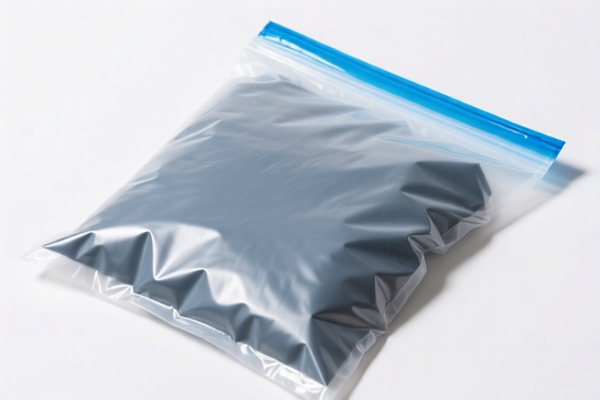
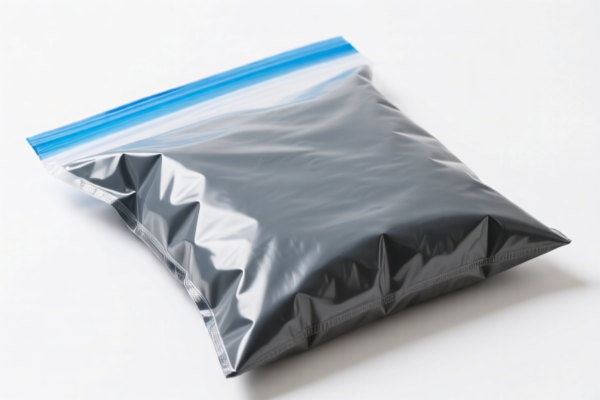
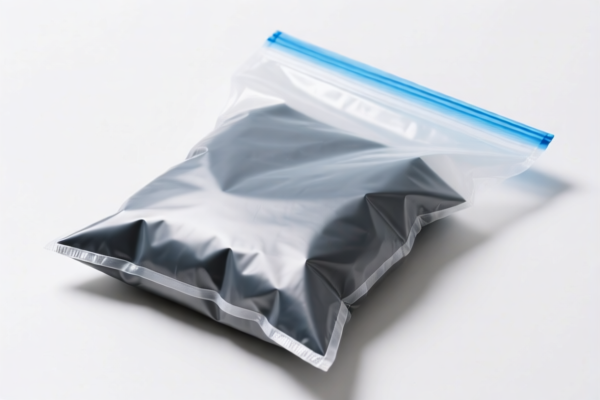
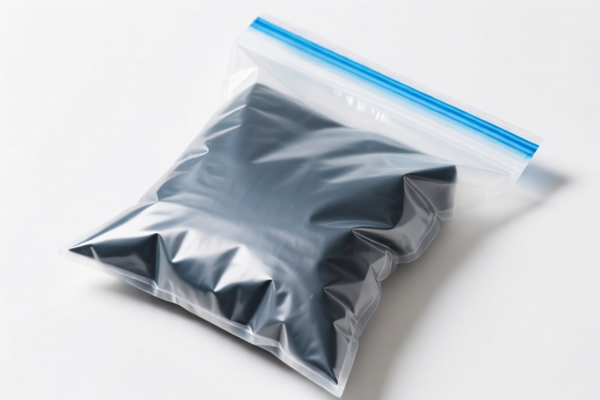
AI Analysis
🧊💦 Hot Compress Bag (Heating Bags)
🌐 HS Code Reference & Customs Clearance Guide | 2026 Latest Tariff Analysis | Professional Clearance Strategy
📌 I. Product Definition & Classification: Do You Really Understand "Hot Compress Bags"?
Hot compress bags, often referred to as hot water bottles or thermal packs, are common household items used for therapeutic warmth, muscle relaxation, and pain relief. In international trade, their classification depends heavily on material composition and physical form.
Rubber-Based Bags: Typically made from vulcanized rubber, these are classified under rubber articles. Plastic/Polymer Bags: Often made from polyethylene (PE) or other vinyl polymers, these fall under plastic packaging articles. Non-Woven/Paper Bags: Less common for reusable hot water bottles but may apply to single-use chemical heat packs or disposable warmers.
⚠️ Key Distinction Point:
- If the bag is made of Vulcanized Rubber → It is a rubber article.
- If the bag is made of Polyethylene (PE)/Vinyl Polymers → It is a plastic article.
- The presence of specific features (e.g., fillers, packaging type) can shift the HS code significantly.
📦 II. HS Code Classification Details (2026 Latest Tariff Authority Comparison)
| HS Code | Product Description | Application Scenario | Material/Form |
|---|---|---|---|
4016.99.05.00 |
Other vulcanized rubber articles, other than hard rubber; household articles | Reusable hot water bottles made of rubber | ✅ Rubber |
3926.90.21.00 |
Other articles of plastics and articles of other materials of heading 39.23 or 39.24: Hot water bottles and parts thereof | General plastic hot water bottles | ✅ Plastic |
3923.21.00.95 |
Sacs and bags (including cones), for the conveyance or packaging of goods, of polymers of ethylene: Other | Plastic sachets/bags for hot drinks or single-use warmers | ✅ PE Plastic Bags |
6307.90.89.40 |
Other made-up articles: Other | Non-textile bags (paper/plastic composites) for single-use items | ✅ Non-Woven/Paper/Plastic |
3923.21.00.80 |
Sacs and bags (including cones), for the conveyance or packaging of goods, of polymers of ethylene: Plastic bags | Plastic bags made of PE/PP for packaging | ✅ PE/PP Plastic Bags |
🔍 Key Reminder:
- Reusable Hot Water Bottles: Usually fall under4016.99.05.00(Rubber) or3926.90.21.00(Plastic).
- Single-Use/Disposable Warmers: Often fall under3923.21.00.95or3923.21.00.80if packaged in plastic sacks/bags.
- Misclassification Risk: Declaring a rubber bottle as plastic (or vice versa) leads to significant tariff differences and potential penalties.
💰 III. 2026 Latest Tariff Rate Details (Including Additional Taxes & Policy Surcharges)
✅ Applicable Country: United States (US)
✅ Country of Origin: China (CN)
✅ Effective Date: From November 10, 2025 (and subsequent imports)
🎯 1. 4016.99.05.00 —— Hot Water Bottles (Vulcanized Rubber)
| Item | Content |
|---|---|
| Base Tariff | 3.4% |
| Section 301 Additional Tariff | +7.5% |
| Section 122 Tariff | +10% |
| Total Tariff Rate | 20.9% |
| Tax Calculation | CIF Value × 20.9% |
| De Minimis Exemption | ❌ Not Eligible (deny_de_minimis) |
| Legal Basis Path | Section 122:10% → Section 301:7.5% → USITC:4016.99.05.00 |
📌 Explanation:
- This classification applies to reusable rubber hot water bottles.
- The total tax burden is 20.9%, which is moderate compared to other categories.
- Crucial: Must prove material is vulcanized rubber, not plastic.
🎯 2. 3926.90.21.00 —— Hot Water Bottles (Plastic)
| Item | Content |
|---|---|
| Base Tariff | 4.2% |
| Section 301 Additional Tariff | +7.5% |
| Section 122 Tariff | +10% |
| Total Tariff Rate | 21.7% |
| Tax Calculation | CIF Value × 21.7% |
| De Minimis Exemption | ❌ Not Eligible (deny_de_minimis) |
| Legal Basis Path | Section 122:10% → Section 301:7.5% → USITC:3926.90.21.00 |
📌 Explanation:
- This classification applies to reusable plastic hot water bottles.
- The total tax burden is 21.7%, slightly higher than the rubber version.
- Crucial: The product name "Hot Water Bottle" explicitly matches this category's description.
🎯 3. 3923.21.00.95 —— Hot Drink Bags / Single-Use Packs (Polyethylene)
| Item | Content |
|---|---|
| Base Tariff | 3.0% |
| Section 301 Additional Tariff | +25.0% |
| Section 122 Tariff | +10% |
| Total Tariff Rate | 38.0% |
| Tax Calculation | CIF Value × 38.0% |
| De Minimis Exemption | ❌ Not Eligible (deny_de_minimis) |
| Legal Basis Path | Section 122:10% → Section 301:25% → USITC:3923.21.00.95 |
📌 Explanation:
- This classification applies to single-use hot drink bags or packaged thermal products made of polyethylene.
- The total tax burden is 38.0%, which is high due to the 25% Section 301 tariff.
- Crucial: Do not misclassify reusable bottles as disposable plastic bags.
🎯 4. 6307.90.89.40 —— Other Made-Up Articles (Non-Textile Bags)
| Item | Content |
|---|---|
| Base Tariff | 7.0% |
| Section 301 Additional Tariff | 0.0% |
| Section 122 Tariff | +10% |
| Total Tariff Rate | 17.0% |
| Tax Calculation | CIF Value × 17.0% |
| De Minimis Exemption | ❌ Not Eligible (deny_de_minimis) |
| Legal Basis Path | Section 122:10% → USITC:6307.90.89.40 |
📌 Explanation:
- This classification applies to non-textile bags (e.g., paper or plastic composites) for general use.
- The total tax burden is 17.0%, the lowest among the listed options.
- Crucial: Only applicable if the product is clearly a non-textile, non-rubber, non-plastic-specific bag (e.g., paper-based warmers).
🎯 5. 3923.21.00.80 —— Plastic Bags (PE/PP)
| Item | Content |
|---|---|
| Base Tariff | 3.0% |
| Section 301 Additional Tariff | +25.0% |
| Section 122 Tariff | +10% |
| Total Tariff Rate | 38.0% |
| Tax Calculation | CIF Value × 38.0% |
| De Minimis Exemption | ❌ Not Eligible (deny_de_minimis) |
| Legal Basis Path | Section 122:10% → Section 301:25% → USITC:3923.21.00.80 |
📌 Explanation:
- This classification applies to plastic bags made of PE/PP for packaging purposes.
- The total tax burden is 38.0%, identical to3923.21.00.95.
- Crucial: Used if the product is packaged in a plastic bag and declared as such, rather than as a functional item.
🛠️ IV. Customs Clearance Practical Advice (Real-World Pitfall Avoidance Guide)
✅ 1. Required Documentation Checklist (Mandatory)
| Document | Must Provide | Description |
|---|---|---|
| ✅ Product Specification Sheet | ✔️ | Includes material (Rubber/PE), size, filling instructions |
| ✅ Material Certificate | ✔️ | Proof of vulcanized rubber or polyethylene composition |
| ✅ Product Photos (with Label) | ✔️ | Clear view of the bag, cap, and any safety warnings |
| ✅ Commercial Invoice | ✔️ | Explicitly state "Hot Water Bottle" or "Heating Bag" with material |
| ✅ Packing List | ✔️ | Detail inner/outer packaging to avoid confusion with "bags for conveyance" |
| ✅ Third-Party Test Report | ✔️ | Safety standards (e.g., CPSIA for US, REACH for EU) if applicable |
✅ 2. Declaration Strategy (Key Mantras)
🔥 "Material Defines Code, Reusability vs. Disposability is Key!"
| Scenario | Correct Declaration | Wrong Practice |
|---|---|---|
| Reusable Rubber Hot Water Bottle | 4016.99.05.00 (20.9%) |
Misdeclared as Plastic → 21.7% (Higher) |
| Reusable Plastic Hot Water Bottle | 3926.90.21.00 (21.7%) |
Misdeclared as Rubber → 20.9% (Lower, but risk of penalty) |
| Single-Use Chemical Heat Packs | 6307.90.89.40 (17.0%) or 3923.21.00.95 (38.0%) |
Depends on packaging/material |
| Hot Drink Sachets (Plastic) | 3923.21.00.95 (38.0%) |
Declared as "Bottle" → Classification Error |
✅ 3. Special Circumstances Handling
| Situation | Handling Advice |
|---|---|
| OEM Custom Designs | Provide design drawings to prove it's a "bottle" (closed container) not just a "bag" (open sack). |
| Mixed Materials | If a plastic bag has a rubber lining, consult customs for the essential character (usually rubber for heat retention). |
| Packaging vs. Product | Do not declare the packaging bag (e.g., retail box) separately if it's incidental to the main good. |
| Chemical Heat Packs | Ensure safety data sheets (SDS) are provided to prove no hazardous materials. |
🌍 V. Global Market Comparison (2026 Latest)
| Country/Region | Recommended HS Code | Tariff Rate | Certification Requirement | Notes |
|---|---|---|---|---|
| 🇺🇸 USA | 4016.99.05.00 / 3926.90.21.00 |
20.9% - 21.7% (China) | No specific mandatory cert for low-risk, but CPSIA recommended | Section 122 & 301 apply |
| 🇨🇳 China | 4016.99.05.00 / 3926.90.21.00 |
0% - 5% | CCC (if applicable) | No additional surcharges |
| 🇪🇺 EU | 4016.99.90 / 3926.90.97 |
0% - 6% | CE (if plastic contacts food/water) | No Section 122/301 |
| 🇦🇺 Australia | 4016.99.90 |
5% | ACCC | No surcharges |
| 🇯🇵 Japan | 4016.99.90 |
0% - 5% | PSE (if electrical, otherwise none) | No surcharges |
📌 Conclusion:
- The USA imposes significant additional tariffs (Section 122 + 301) on Chinese-origin hot compress bags.
- Rubber vs. Plastic classification determines whether you pay ~21% or ~38%.
- EU and Japan are more tariff-friendly but require strict safety compliance.
📌 VI. Common Errors & Pitfall Guide (Blood & Tears Lessons)
❌ Error 1: Declaring a reusable rubber bottle as "Plastic Bag"
👉 Consequence: Corrected to 3923.21.00.95 → 38% tariff instead of 20.9%. Overpayment + Audit Risk.
❌ Error 2: Declaring a plastic bottle as "Rubber Article"
👉 Consequence: Customs demands material proof. If none provided, goods held or fined. Delay + Demurrage.
❌ Error 3: Using "Hot Bag" without specifying material
👉 Consequence: Customs assigns highest duty rate or requires additional documentation. Uncertainty.
❌ Error 4: Ignoring Section 122 & 301 Surcharges
👉 Consequence: Under-declaring tax liability. Back taxes + Penalties.
✅ Correct Practice:
"Reusable Hot Water Bottle, Vulcanized Rubber, 1 Liter Capacity, Model ABC, With Screw Cap"
OR
"Reusable Hot Water Bottle, Polyethylene Plastic, 1 Liter, Model XYZ"
🎯 VII. Conclusion: Precision Classification Saves Money!
🎯 Remember the Mantra:
🔹 "Rubber is 20.9%, Plastic is 21.7%, Disposable Bags are 38%!"
🔹 "Material Dictates Code, Section 122 & 301 Add 17.5-35%!"
📌 Pro Tip:
- If your product is reusable, aim for 4016.99.05.00 (Rubber) or 3926.90.21.00 (Plastic) for lower rates.
- If your product is disposable/packaged, check if 6307.90.89.40 (17.0%) applies to avoid the 38% rate.
- Always provide material certificates and clear product descriptions to pre-empt customs queries.
📣 Immediate Action:
📞 Consult a licensed customs broker + Provide Material Specs + Apply for Advance Ruling if unsure
🚀 Ensure smooth clearance, minimize costs, and maximize profit margins!
✨ Professional clearance starts with precise classification!
💼 Every cent of duty saved is a cent of profit gained!
Customer Reviews
About HS Code Classification
The Harmonized System (HS) is an internationally standardized nomenclature developed by the World Customs Organization (WCO) to classify traded products. Over 200 countries use the HS system as the basis for customs tariffs, trade statistics, and import/export regulations.
Each HS code follows a hierarchical structure:
- Chapter (2 digits) — Broad category of goods (e.g., Chapter 84: Machinery and Mechanical Appliances)
- Heading (4 digits) — More specific grouping within the chapter
- Subheading (6 digits) — Internationally standardized breakdown, used by all WCO member countries
- National subdivisions (8-10 digits) — Country-specific extensions for further classification, such as US HTSUS 10-digit codes
Correct HS code classification is essential for smooth customs clearance, accurate duty payment, and compliance with trade regulations. Misclassification can lead to customs delays, overpayment of duties, or penalties.
When importing from CN to US, the applicable tariff rates may include:
- Most-Favored-Nation (MFN) rate — The standard duty rate applied to WTO members
- General rate — Applied to countries without trade agreements
- Trade remedy duties — Additional tariffs such as Section 301 (anti-dumping), Section 232 (national security), or countervailing duties
The information provided on this page is for reference purposes only. For official classification, please consult with your local customs authority or a licensed customs broker.