Hot Melt Adhesive Sticker
CN → US| HS Code | Tariff Rate | Origin | Destination | Doc |
|---|---|---|---|---|
| 3919102055 | 40.8% | CN | US | Official Doc |
| 3919905060 | 40.8% | CN | US | Official Doc |
| 4823908680 | 35.0% | CN | US | Official Doc |
| 4823908620 | 35.0% | CN | US | Official Doc |
Product Images
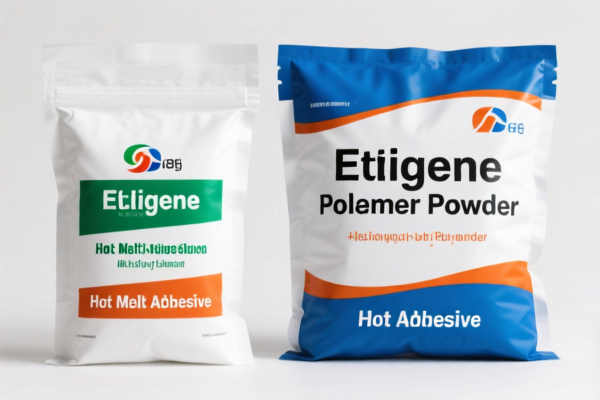
AI Analysis
🏷️ Hot Melt Adhesive Sticker (热熔胶贴纸)
🌐 HS Code Classification & Customs Clearance Guide | 2026 Tariff Analysis | Precision Strategy for US Imports
📌 I. Product Definition & Material Logic: What Exactly Is "Hot Melt Adhesive"?
"Hot Melt Adhesive Sticker" is a composite or self-adhesive product where the functional core is hot-melt adhesive (HMA). In international trade classification, the key to determining the HS Code lies in identifying the base material of the substrate or the adhesive layer itself, as HMA is chemically a thermoplastic polymer (often EVA, polyolefin, or polyurethane).
⚠️ Critical Distinction:
- If the sticker is paper-based (e.g., a label with HMA backing) → It falls under Chapter 48 (Paper).
- If the sticker is plastic/film-based or consists primarily of the adhesive matrix itself (thin, flat, self-adhesive sheets) → It falls under Chapter 39 (Plastics).
- No material conflict exists in the provided data because the classification options cover both the adhesive polymer nature (Ch 39) and the potential paper/film carrier (Ch 48).
📦 II. HS Code Classification Details (2026 Latest Tariff Schedule)
Based on the provided data, there are four potential classification paths. The choice depends on the specific substrate material and structural form of the sticker.
| HS Code | Product Description | Material Basis | Applicable Scenario |
|---|---|---|---|
3919.10.20.55 |
Self-adhesive plates, sheets, film, foil, tape, etc., of plastics | Plastic/Resin (HMA is a thermoplastic) | Thin, flat, self-adhesive plastic films or sheets where the adhesive is the plastic matrix. |
3919.90.50.60 |
Other self-adhesive plates, sheets, film, foil, tape, etc., of plastics | Plastic/Resin (Fallback/General) | General category for plastic-based self-adhesive products not specified elsewhere. Fits the "resin/coating" nature of HMA. |
4823.90.86.80 |
Other articles of paper and paperboard, cut to size/shape | Paper/Cellulose | If the sticker is a paper label coated with hot-melt adhesive. "Other" category for non-specific paper products. |
4823.90.86.20 |
Other articles of paper and paperboard | Paper/Film Composite | If the sticker is paper-based or has a thin film backing with adhesive. Matches "adhesive/resin primary form" on a paper carrier. |
🔍 Key Insight:
- Ch 39 (Plastics) is often preferred for pure HMA films or plastic-backed stickers because hot-melt adhesives are chemically plastics/polymers.
- Ch 48 (Paper) applies if the primary visible/supporting material is paper (e.g., standard retail labels).
- Tax Implication: Both Ch 39 and Ch 48 options in the data result in high total taxes due to US trade policies (see Section III).
💰 III. 2026 Latest Tariff Rate Breakdown (Including Surcharges & Policy Add-ons)
✅ Applicable Country: United States (US)
✅ Origin: China (CN)
✅ Effective Date: Post-2025 (Current High-Tariff Environment)
🎯 1. Plastic-Based Classifications (3919.10.20.55 & 3919.90.50.60)
| Item | Detail |
|---|---|
| Base Tariff | 5.8% |
| Section 301 (USITC) | +25.0% (25% surcharge on Chinese imports under Section 301) |
| 122 Provision Tariff | +10.0% (Additional surcharge under specific Chinese trade provisions) |
| Total Tariff Rate | 40.8% |
| Tax Calculation | CIF Value × 40.8% |
| De Minimis Exemption? | ❌ NO (deny_de_minimis) – Small packages do not escape these tariffs. |
| Legal Basis | Base: 3919.10/90 → Section 301: Footnote 9903.88 → 122 Clause: 10% |
📌 Explanation:
- Hot-melt adhesive is a plastic polymer. If classified under Ch 39, it attracts the 5.8% base duty.
- 25% Section 301 applies to most Chinese plastic products.
- 10% 122-Clause is an additional punitive tariff for specific Chinese goods.
- Total: 40.8% is a significant cost factor.
🎯 2. Paper-Based Classifications (4823.90.86.80 & 4823.90.86.20)
| Item | Detail |
|---|---|
| Base Tariff | 0.0% |
| Section 301 (USITC) | +25.0% |
| 122 Provision Tariff | +10.0% |
| Total Tariff Rate | 35.0% |
| Tax Calculation | CIF Value × 35.0% |
| De Minimis Exemption? | ❌ NO (deny_de_minimis) |
| Legal Basis | Base: 4823.90 → Section 301: Footnote 9903.88 → 122 Clause: 10% |
📌 Explanation:
- Paper-based labels often have 0% base duty under Ch 48.
- However, the 25% + 10% surcharges still apply in full.
- Total: 35.0% is slightly lower than plastic-based (40.8%), but not negligible.
🛠️ IV. Customs Clearance Practical Advice (Pitfall Avoidance Guide)
✅ 1. Documentation Checklist (Non-Negotiable)
| Document | Required? | Purpose |
|---|---|---|
| ✅ Product Specification Sheet | ✔️ | Must detail: Base material (Paper vs. Plastic/PE/PP), Adhesive type (Hot Melt/EVA), Thickness, Width, Roll Dimensions. |
| ✅ Material Composition Declaration | ✔️ | Clearly state % of adhesive vs. substrate. Critical for Ch 39 vs. Ch 48 classification. |
| ✅ Product Photos (Clear) | ✔️ | Show cross-section (if possible) to prove base material. Show label with HS/Commodity Description. |
| ✅ Commercial Invoice | ✔️ | Description must match HS Code. Avoid vague terms like "Sticker"; use "Hot Melt Adhesive Film" or "Paper Label with HMA". |
| ✅ Certificate of Origin | ✔️ | Required for tariff calculation. |
✅ 2. Classification Strategy (Key Tips)
🔥 “Material Determines Code, Not Just Function!”
| Scenario | Recommended HS Code | Why? |
|---|---|---|
| Pure HMA Film (Plastic backing, no paper) | 3919.10.20.55 |
HMA is a plastic polymer; self-adhesive plastic sheet. |
| Plastic-Based Sticker (PET/PP backing) | 3919.90.50.60 |
Fallback for plastic self-adhesive products. |
| Paper Label with HMA (Retail packaging) | 4823.90.86.80 |
Primary material is paper; adhesive is secondary coating. |
| Uncertain Material | ❌ Avoid Guessing | Misclassification leads to audits, penalties, and shipment delays. |
✅ 3. Special Handling
| Situation | Advice |
|---|---|
| Small Packages (< $800) | ❌ De Minimis Does NOT Apply due to 122 Clause & Section 301. You will pay tax. |
| Mixed Containers | Ensure all "sticker-like" items are clearly separated in documentation. If one item is misclassified, it may trigger an audit of the entire shipment. |
| Pre-Ruling Application | 🚀 Highly Recommended: Apply for an Advance Ruling with US CBP. Provide samples and specs. This locks in the HS Code and avoids surprise audits. |
🌍 V. Global Market Comparison (2026)
| Country/Region | Recommended HS Code | Total Tariff (China Origin) | Notes |
|---|---|---|---|
| 🇺🇸 USA | 3919.xxxxxxx or 4823.xxxxxxx |
35.0% – 40.8% | High tariffs due to Section 301 & 122 Clause. No de minimis exemption. |
| 🇨🇳 China | 3919.9090.00 or 4823.9090.00 |
~5-10% | Lower tariffs. Import duties apply, but no US punitive surcharges. |
| 🇪🇺 EU | 3919.90 or 4823.90 |
0-5% | Standard MFN rate. No Section 301 equivalent. |
| 🇬🇧 UK | 3919.90 or 4823.90 |
0-5% | Similar to EU post-Brexit. |
📌 Conclusion:
- USA is the most expensive market for Hot Melt Adhesive Stickers from China due to the 35-40.8% total tariff.
- Paper-based (4823) is slightly cheaper (35%) than Plastic-based (3919) (40.8%).
- De Minimis loophole is closed for these items under current US trade laws.
📌 VI. Common Mistakes & Pitfalls (Lessons Learned)
❌ Mistake 1: Claiming "De Minimis" for small shipments (< $800)
👉 Result: SHIPMENT SEIZED or ASSESSED TAX + PENALTIES. The 122 Clause removes this exemption.
❌ Mistake 2: Using generic term "Adhesive" on Invoice
👉 Result: CBP may classify under a higher-tariff or restricted category. Be specific: "Hot Melt Adhesive Sticker, Paper Base."
❌ Mistake 3: Mixing Paper and Plastic Stickers in One HS Code
👉 Result: Audit risk. If 10% is plastic and 90% is paper, but declared as all paper, you underpay taxes on the plastic portion.
✅ Correct Approach:
"Hot Melt Adhesive Paper Label, 2x3 inches, Eva-based adhesive, Roll Packed, Made in China"
HS Code:4823.90.86.80(if paper) or3919.10.20.55(if plastic film)
🎯 VII. Conclusion: Precision Saves Money!
🎯 Key Takeaway:
🔹 Total Tariff is 35-40.8%. Do not ignore this in pricing models.
🔹 De Minimis is OFF. Every shipment, no matter how small, is taxable.
🔹 Material Matters: Paper (4823) saves 5.8% vs. Plastic (3919), but both suffer high surcharges.
📌 Pro Tip:
If your product is paper-based, declare it as
4823.90.86.80for the lowest total tariff (35%).
If plastic-based, use3919.90.50.60(40.8%).
Always include a material composition statement in your commercial invoice to justify the classification.
📣 Immediate Action:
📞 Consult a Customs Broker to apply for an Advance Ruling before shipping.
📄 Prepare Detailed Specs showing base material (Paper vs. Plastic).
📦 Budget for 35-40.8% Tariff in your landed cost calculation.
✨ Professional Clearance, Starting from Accurate Classification!
💼 Your Every Cent is Worth Precise Calculation!
Customer Reviews
About HS Code Classification
The Harmonized System (HS) is an internationally standardized nomenclature developed by the World Customs Organization (WCO) to classify traded products. Over 200 countries use the HS system as the basis for customs tariffs, trade statistics, and import/export regulations.
Each HS code follows a hierarchical structure:
- Chapter (2 digits) — Broad category of goods (e.g., Chapter 84: Machinery and Mechanical Appliances)
- Heading (4 digits) — More specific grouping within the chapter
- Subheading (6 digits) — Internationally standardized breakdown, used by all WCO member countries
- National subdivisions (8-10 digits) — Country-specific extensions for further classification, such as US HTSUS 10-digit codes
Correct HS code classification is essential for smooth customs clearance, accurate duty payment, and compliance with trade regulations. Misclassification can lead to customs delays, overpayment of duties, or penalties.
When importing from CN to US, the applicable tariff rates may include:
- Most-Favored-Nation (MFN) rate — The standard duty rate applied to WTO members
- General rate — Applied to countries without trade agreements
- Trade remedy duties — Additional tariffs such as Section 301 (anti-dumping), Section 232 (national security), or countervailing duties
The information provided on this page is for reference purposes only. For official classification, please consult with your local customs authority or a licensed customs broker.