Hot Press Machine
CN → US| HS Code | Tariff Rate | Origin | Destination | Doc |
|---|---|---|---|---|
| 8477590100 | 38.1% | CN | US | Official Doc |
| 8462618090 | 39.4% | CN | US | Official Doc |
| 8477400100 | 38.1% | CN | US | Official Doc |
| 8479300000 | 35.0% | CN | US | Official Doc |
| 8462110055 | 39.4% | CN | US | Official Doc |
Product Images
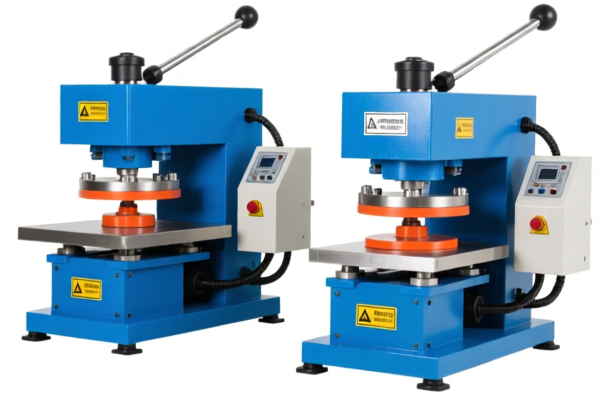
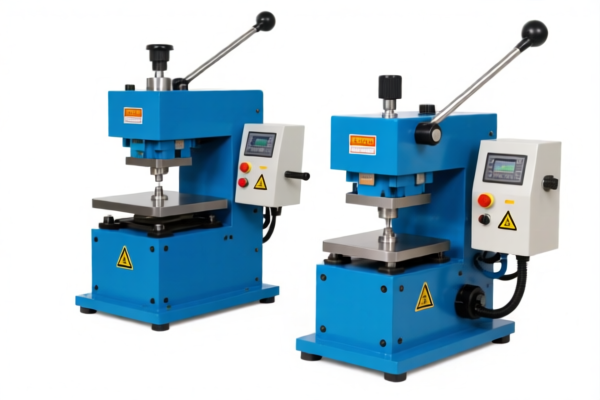
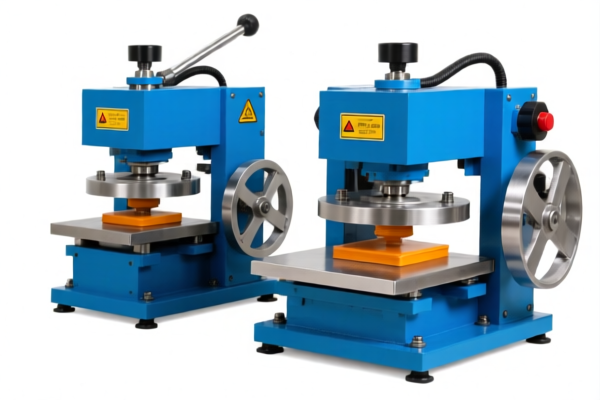
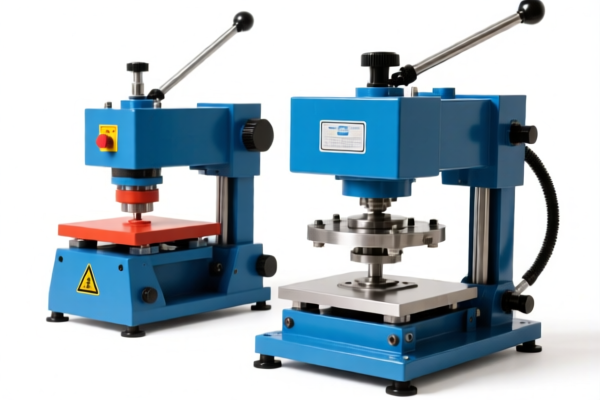
AI Analysis
🏭 Hot Press Machine (热压机) – HS Code Classification & Customs Clearance Guide
🌐 HS Code Reference & Customs Clearance Guide | 2026 Latest Tariff Analysis | Professional通关 Strategy
📌 Part 1: Product Definition & Classification – Do You Really Know "Hot Press Machine"?
The Hot Press Machine is a versatile industrial equipment used for thermoforming, molding, or pressing materials under heat and pressure. In international trade, its classification depends heavily on its primary purpose, material processed (plastic/rubber vs. metal), and mechanical principle.
According to the provided data, there are 5 potential HS Codes for "Hot Press Machine." Below is a detailed breakdown of why each code is applicable, the corresponding tax rates, and clearance advice.
⚠️ Key Distinction:
- If used for Plastic/Rubber Thermoforming:8477.40.01.00or8477.59.01.00
- If used as a General Pressure Press (for plates/materials):8479.30.00.00
- If used for Metal Hot Forming/Forging:8462.11.00.55or8462.61.80.90
📦 Part 2: HS Code Classification Details (Based on Provided Data)
| HS Code | Product Description | Application Scenario | Material/Function Match |
|---|---|---|---|
8477.40.01.00 |
Other Thermoforming Machinery | Plastic/Rubber Thermoforming | ✅ Matches: Plastic/Rubber processing. Classified under "Other Thermoforming Machines." |
8479.30.00.00 |
Presses for Making Plates/Slabs | General Pressing/Molding | ✅ Matches: No material conflict. Fits the description of "presses used for manufacturing plates." |
8462.11.00.55 |
Closed-Die Forging Presses (Hot) | Metal Hot Forging/Thermal Shaping | ✅ Matches: Deduced for metal hot forming. Classified as "other" (catch-all) for hot forging. |
8477.59.01.00 |
Molding/Processing Machinery for Rubber/Plastic | Plastic/Rubber Molding | ✅ Matches: Molding machinery for rubber/plastic. Fits the "other molding machines" catch-all category. |
8462.61.80.90 |
Other Hydraulic Power Presses | Hydraulic/ Mechanical Pressing | ✅ Matches: Deduced as hydraulic/mechanical press. No material conflict; fits "hydraulic power presses." |
🔍 Critical Note:
- The classification hinges on what material the hot press is primarily designed to process.
- Plastic/Rubber → Go with 8477 series.
- Metal → Go with 8462 series.
- General/Unknown → May fall under 8479 or specific press categories.
💰 Part 3: 2026 Latest Tariff Rate Breakdown (Including Surcharges)
✅ Applicable Country: United States (US)
✅ Origin: China (CN)
✅ Effective Date: 2025年11月10日起 (Including subsequent imports)
🎯 1. 8477.40.01.00 —— Thermoforming Machinery (Plastic/Rubber)
| Item | Detail |
|---|---|
| Base Tariff | 3.1% (Ad Valorem) |
| Retaliatory Tariff (Section 301) | +25.0% |
| Section 122 Tariff | +10.0% |
| Total Tariff Rate | 38.1% |
| Tax Calculation | CIF Value × 38.1% |
| De Minimis Eligibility | ❌ Not Eligible (High tariff rate excludes small package exemptions) |
| Legal Basis Path | Base Tariff: 3.1% → Section 301: 25% → Section 122: 10% |
📌 Explanation:
- This code is for thermoforming machines used in plastic or rubber processing.
- The 38.1% total rate includes base duty, US trade remedies (Section 301), and additional Section 122 tariffs.
🎯 2. 8479.30.00.00 —— Presses for Making Plates/Slabs
| Item | Detail |
|---|---|
| Base Tariff | 0.0% |
| Retaliatory Tariff (Section 301) | +25.0% |
| Section 122 Tariff | +10.0% |
| Total Tariff Rate | 35.0% |
| Tax Calculation | CIF Value × 35.0% |
| De Minimis Eligibility | ❌ Not Eligible |
| Legal Basis Path | Base Tariff: 0.0% → Section 301: 25% → Section 122: 10% |
📌 Explanation:
- This code applies to general presses used for manufacturing plates.
- Although the base tariff is 0%, the 35.0% total rate is still high due to surcharges.
🎯 3. 8462.11.00.55 —— Closed-Die Forging Presses (Hot)
| Item | Detail |
|---|---|
| Base Tariff | 4.4% |
| Retaliatory Tariff (Section 301) | +25.0% |
| Section 122 Tariff | +10.0% |
| Total Tariff Rate | 39.4% |
| Tax Calculation | CIF Value × 39.4% |
| De Minimis Eligibility | ❌ Not Eligible |
| Legal Basis Path | Base Tariff: 4.4% → Section 301: 25% → Section 122: 10% |
📌 Explanation:
- This code is for metal hot forging machines.
- It has the highest total tariff (39.4%) among the options, reflecting the higher base duty for metalworking machinery.
🎯 4. 8477.59.01.00 —— Molding Machinery for Rubber/Plastic (Other)
| Item | Detail |
|---|---|
| Base Tariff | 3.1% |
| Retaliatory Tariff (Section 301) | +25.0% |
| Section 122 Tariff | +10.0% |
| Total Tariff Rate | 38.1% |
| Tax Calculation | CIF Value × 38.1% |
| De Minimis Eligibility | ❌ Not Eligible |
| Legal Basis Path | Base Tariff: 3.1% → Section 301: 25% → Section 122: 10% |
📌 Explanation:
- This is a catch-all category for rubber/plastic molding machines not specifically listed elsewhere.
- Same tariff structure as8477.40.01.00.
🎯 5. 8462.61.80.90 —— Other Hydraulic Power Presses
| Item | Detail |
|---|---|
| Base Tariff | 4.4% |
| Retaliatory Tariff (Section 301) | +25.0% |
| Section 122 Tariff | +10.0% |
| Total Tariff Rate | 39.4% |
| Tax Calculation | CIF Value × 39.4% |
| De Minimis Eligibility | ❌ Not Eligible |
| Legal Basis Path | Base Tariff: 4.4% → Section 301: 25% → Section 122: 10% |
📌 Explanation:
- This code covers hydraulic presses not elsewhere specified.
- Like the forging presses, it carries a 39.4% total tariff due to a higher base rate.
🛠️ Part 4: Customs Clearance Practical Advice (Avoid Pitfalls)
✅ 1. Required Documentation Checklist (Mandatory)
| Document | Required | Notes |
|---|---|---|
| ✅ Product Specification Sheet | ✔️ | Must detail: heating range, pressure capacity, cycle time, material compatibility. |
| ✅ Technical Drawings | ✔️ | To prove the machine's primary function (e.g., plastic molding vs. metal forging). |
| ✅ Product Photos (with Nameplate) | ✔️ | Clear view of model, brand, input/output specs. |
| ✅ Commercial Invoice | ✔️ | Must accurately describe the machine's use (e.g., "Hot Press for Plastic Thermoforming"). |
| ✅ Packing List | ✔️ | Itemized list of main unit and accessories. |
| ✅ Origin Certificate (CO) | ✔️ | If applicable for preferential treatment (though limited for China-origin). |
✅ 2. Declaration Tips (Key Strategies)
🔥 "Define Purpose First, Avoid Misclassification!"
| Scenario | Correct Declaration | Wrong Declaration |
|---|---|---|
| Machine for Plastic/Rubber | Use 8477 codes. Specify "Thermoforming" or "Molding." | Use 8462 → 39.4% vs. 38.1% (minor diff, but correct function matters). |
| Machine for Metal Forging | Use 8462 codes. Specify "Hot Forging Press." | Use 8477 → Wrong classification, potential penalties. |
| General Press (Unclear Use) | Use 8479.30.00.00 if used for plates. | Vague description → Customs delay or reclassification. |
| Hydraulic Press | Use 8462.61.80.90 if not specifically for forging. | Use 8479 → Potential under/over-valuation issues. |
✅ 3. Special Considerations
| Situation | Advice |
|---|---|
| Multi-Function Machine | Declare based on primary function. If it can do both plastic and metal, choose the one that generates more revenue or is the main market intent. |
| OEM Customization | Provide client design specs to support the declared HS Code. |
| Used Machinery | Ensure all safety and environmental compliance docs are provided (e.g., ASME, CE, UL). |
| Section 122 Tariff | Be aware that +10% is a significant additional cost. Factor this into pricing. |
🌍 Part 5: Global Market Comparison (2026 Update)
| Country/Region | Recommended HS Code | Total Tariff (China Origin) | Certification Required | Remarks |
|---|---|---|---|---|
| 🇺🇸 USA | 8477 or 8462 |
35.0% - 39.4% | FCC, UL, ASME | High tariffs due to Section 301 & 122. |
| 🇨🇳 China | 8477 or 8462 |
Variable (0-14%) | CCC (if applicable) | Lower tariffs, no US-style surcharges. |
| 🇪🇺 EU | 8477 or 8462 |
0-4.5% | CE, Machinery Directive | No retaliatory tariffs. |
| 🇨🇦 Canada | 8477 or 8462 |
0-6.5% | CSA, CE | Free Trade Agreement benefits possible. |
📌 Conclusion:
- USA is the most expensive market due to Section 301 and Section 122 tariffs.
- EU and Canada offer significantly lower duty rates.
- If shipping to the US, ensure accurate classification to avoid disputes.
📌 Part 6: Common Errors & Pitfalls (Lessons Learned)
❌ Mistake 1: Declaring a Metal Forging Press as a Plastic Thermoforming Machine
👉 Consequence: Incorrect HS Code → Potential customs penalties or seizure.
❌ Mistake 2: Using a vague description like "Industrial Press" without specifying material
👉 Consequence: Customs may reclassify to the highest applicable duty rate.
❌ Mistake 3: Ignoring Section 122 Tariff
👉 Consequence: Underpaying duties by 10%, leading to back taxes and interest.
❌ Mistake 4: Assuming De Minimis applies
👉 Consequence: Hot Press Machines are industrial equipment; no de minimis exemption applies.
✅ Correct Approach:
"Hot Press Machine, Model XYZ, for Plastic Thermoforming, 200T Capacity, CE Certified"
🎯 Part 7: Conclusion – Precision Saves Money!
🎯 Remember:
🔹 "Function determines HS Code, Material narrows it down."
🔹 "38.1% vs. 39.4% – Choosing the right code matters!"
🔹 "Section 122 adds 10% – Factor it in your cost analysis!"
📌 Pro Tip:
If your Hot Press Machine is not made in China (e.g., assembled in Vietnam or Mexico), you may qualify for lower or zero tariffs.
Consider supply chain optimization to avoid US surcharges.
📣 Immediate Action:
📞 Contact a licensed customs broker + Provide technical specs + Apply for Pre-Ruling if uncertain.
🚀 Ensure smooth clearance, minimize costs, and maximize profit!
✨ Professional Classification is the Key to Success!
💼 Every dollar saved starts with the right HS Code!
Customer Reviews
About HS Code Classification
The Harmonized System (HS) is an internationally standardized nomenclature developed by the World Customs Organization (WCO) to classify traded products. Over 200 countries use the HS system as the basis for customs tariffs, trade statistics, and import/export regulations.
Each HS code follows a hierarchical structure:
- Chapter (2 digits) — Broad category of goods (e.g., Chapter 84: Machinery and Mechanical Appliances)
- Heading (4 digits) — More specific grouping within the chapter
- Subheading (6 digits) — Internationally standardized breakdown, used by all WCO member countries
- National subdivisions (8-10 digits) — Country-specific extensions for further classification, such as US HTSUS 10-digit codes
Correct HS code classification is essential for smooth customs clearance, accurate duty payment, and compliance with trade regulations. Misclassification can lead to customs delays, overpayment of duties, or penalties.
When importing from CN to US, the applicable tariff rates may include:
- Most-Favored-Nation (MFN) rate — The standard duty rate applied to WTO members
- General rate — Applied to countries without trade agreements
- Trade remedy duties — Additional tariffs such as Section 301 (anti-dumping), Section 232 (national security), or countervailing duties
The information provided on this page is for reference purposes only. For official classification, please consult with your local customs authority or a licensed customs broker.