Hot Rolled Flat Rolled Iron or Non Alloy Steel Products
CN → US| HS Code | Tariff Rate | Origin | Destination | Doc |
|---|---|---|---|---|
| 7208260060 | 35.0% | CN | US | Official Doc |
| 7208270060 | 35.0% | CN | US | Official Doc |
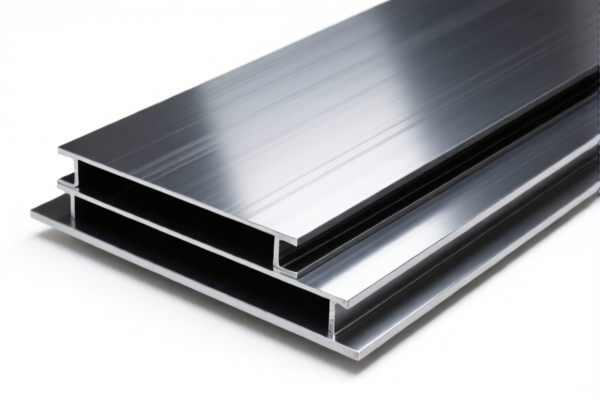
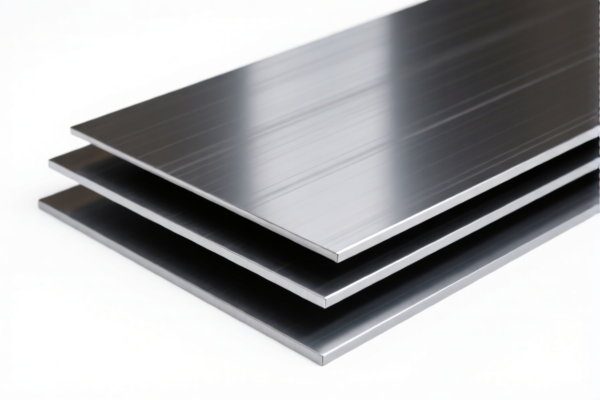
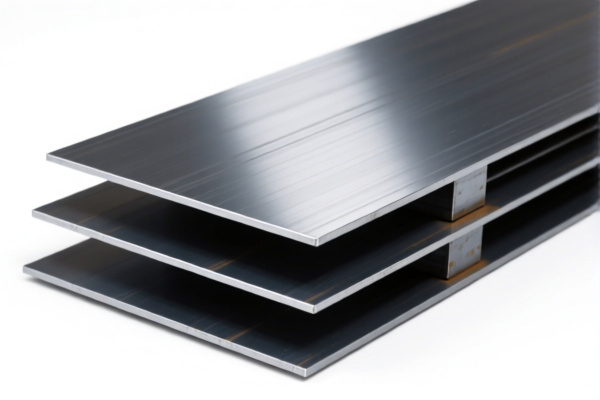
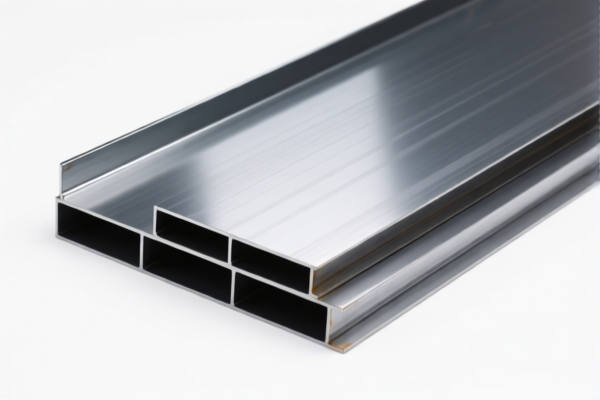
Product Images
AI Analysis
🏗️ Hot Rolled Flat-Rolled Products of Iron or Non-Alloy Steel (Width ≥ 600mm)
🌐 HS Code Reference & Customs Clearance Guide | 2026 Latest Tariff Analysis | Professional Compliance Strategy
📌 I. Product Definition & Classification: What Exactly Are "Hot Rolled Steel Coils"?
Hot-rolled flat-rolled products of iron or non-alloy steel (width ≥ 600 mm) are fundamental raw materials used in construction, shipbuilding, automotive frames, and heavy machinery. In international trade, they are primarily distinguished by their form (in coils vs. not in coils) and thickness.
In Coils: Long strips of steel wound onto a reel, typically used for further processing (e.g., cold rolling, stamping).
Not Further Worked Than Hot-Rolled/Pickled: The surface has been treated to remove scale (oxides) formed during hot rolling, but no additional coating (like galvanizing) or significant mechanical working has been applied.
⚠️ Key Distinction Point:
- If the steel is in coils and not further worked (except for pickling) → It falls under 7208.26 or 7208.27.
- If the steel is in straight lengths → It falls under 7208.3x or 7208.5x (not covered in this specific dataset).
- Thickness is the critical classifier for coils:
- ≥ 3 mm but < 4.75 mm → 7208.26.00.60
- < 3 mm → 7208.27.00.60
📦 II. HS Code Classification Details (2026 Latest Tariff Authority Comparison)
Based on the provided data, here are the specific classifications for hot-rolled, pickled steel coils of non-alloy steel, width ≥ 600 mm:
| HS Code | Product Description | Applicable Scenario | Thickness Range |
|---|---|---|---|
7208.26.00.60 |
Hot-rolled, not clad/plated/coated; In coils; Not further worked than hot-rolled, pickled | Heavy-duty structural components, heavy plate rolling stock | ≥ 3 mm but < 4.75 mm |
7208.27.00.60 |
Hot-rolled, not clad/plated/coated; In coils; Not further worked than hot-rolled, pickled | Lighter structural parts, pre-painted steel base, cold rolling stock | < 3 mm |
🔍 Important Reminder:
- Both HS codes apply only to products that are "not further worked than hot-rolled, pickled".
- If the product is galvanized (Zn coated), painted, or cold-rolled, it does NOT belong to these codes (it would likely fall under Chapter 72 heading 7210 or 7209).
- Pickling is allowed; it removes surface oxide but does not change the fundamental classification if no other working is done.
💰 III. 2026 Latest Tariff Rate Breakdown (Including Additional Duties)
✅ Applicable Country: United States (US)
✅ Origin: China (CN) (Implied by the 25% additional tariff, typical of Section 301 duties)
✅ Effective Date: Ongoing (Section 301 Duties)
🎯 1. 7208.26.00.60 —— Hot-Rolled Steel Coils (Thickness ≥ 3 mm & < 4.75 mm)
| Item | Content |
|---|---|
| Base Tariff Rate | 0% (ad valorem) |
| Section 301 Additional Tariff | +25% (List 3 / Section 301) |
| Total Tax Rate | 25.0% |
| Tax Calculation | CIF Value × 25% |
| De Minimis Exemption | ❌ Not Eligible (Section 301 goods are generally excluded from de minimis relief if they meet specific thresholds, though rules vary; usually, steel imports are scrutinized heavily) |
| Legal Basis | HTSUS 7208.26.00.60 → USITC Section 301 Footnote |
📌 Explanation:
- The 25% additional tariff is applied on top of the base rate (which is 0% for this specific subheading).
- This is a Section 301 duty, imposed due to trade tensions.
- Total cost impact: High. Importers must factor in a 25% duty burden on the CIF value.
🎯 2. 7208.27.00.60 —— Hot-Rolled Steel Coils (Thickness < 3 mm)
| Item | Content |
|---|---|
| Base Tariff Rate | 0% (ad valorem) |
| Section 301 Additional Tariff | +25% (List 3 / Section 301) |
| Total Tax Rate | 25.0% |
| Tax Calculation | CIF Value × 25% |
| De Minimis Exemption | ❌ Not Eligible |
| Legal Basis | HTSUS 7208.27.00.60 → USITC Section 301 Footnote |
📌 Explanation:
- Identical tariff treatment to the thicker coils.
- The 25% rate applies regardless of the thickness distinction, as long as it falls under these two specific subheadings.
🛠️ IV. Customs Clearance Practical Advice (Battle-Tested Pitfall Avoidance)
✅ 1. Required Documentation Checklist (Missing Items Can Cause Delays)
| Document | Mandatory? | Notes |
|---|---|---|
| ✅ Commercial Invoice | ✔️ | Must clearly state: "Hot-Rolled, Pickled, Non-Alloy Steel Coils" and exact thickness/width. |
| ✅ Packing List | ✔️ | Specify total weight, number of coils, and weight per coil. |
| ✅ Bill of Lading (B/L) | ✔️ | Ensure weight matches invoice/packing list. |
| ✅ Certificate of Origin | ✔️ | Required to prove country of origin (China) and confirm eligibility for Section 301 duties. |
| ✅ Product Specification Sheet | ✔️ | Crucial: Must detail chemical composition (non-alloy), thickness range, width, and surface treatment (pickled). |
| ✅ Section 301 Exclusion Proof | ❌ | If applicable, provide proof if any exclusion applies (rare for steel). |
✅ 2. Classification Tips (Key Mnemonics)
🔥 "Coil, Pickled, No Plate: Check Thickness, Not Length!"
| Scenario | Correct HS Code | Incorrect Practice |
|---|---|---|
| Coil, Pickled, 3.5 mm thick | 7208.26.00.60 |
Misclassifying as 7208.27 → Overpaying/Underpaying risk |
| Coil, Pickled, 2.5 mm thick | 7208.27.00.60 |
Misclassifying as 7208.26 → Wrong tariff application |
| Coil, Galvanized (Zn coated) | NOT 7208.x | Must use 7210.x or 7212.x → Avoids 7208 classification |
| Straight Lengths (≥600mm) | NOT 7208.2x | Must use 7208.3x or 7208.5x → Different tariff path |
📌 Critical Note:
- Pickling is allowed. If the steel is merely pickled to remove scale, it remains in Chapter 7208.
- Coating (e.g., paint, zinc, chrome) changes the HS Code entirely to 7210 or 7212.
- Cold Rolling changes the HS Code to 7209.x or 7110.x.
✅ 3. Special Cases Handling
| Scenario | Handling Advice |
|---|---|
| Mixed Thickness in One Shipment | Each coil must be classified by its actual thickness. If mixed, ensure invoice lists each type separately. |
| "Non-Alloy" Definition | Ensure the steel does not contain significant alloying elements (e.g., Cr > 1.2%, Ni > 5%, etc.), which would push it to Chapter 73 or other non-alloy steel subheadings. |
| Width < 600 mm | These fall under Chapter 73 (e.g., 7326) or 7225/7226 depending on profile. Not 7208. |
| Origin Fraud | Customs aggressively checks for transshipment. Ensure the Certificate of Origin matches the Bill of Lading and supplier’s declaration. |
🌍 V. Global Market Comparison (2026 Latest)
| Country/Region | Recommended HS Code | Base Tariff | Additional Duty | Total Duty (China Origin) | Remarks |
|---|---|---|---|---|---|
| 🇺🇸 USA | 7208.26.00.60 / 7208.27.00.60 |
0% | +25% (Sec 301) | 25% | High barrier; consider supply chain diversification. |
| 🇨🇳 China | 7208.26 / 7208.27 | 2% - 4% | 0% | ~2-4% | Export from China has low exit tariffs. |
| 🇪🇺 EU | 7208.26 / 7208.27 | 1.5% - 2.5% | 0% (usually) | ~1.5-2.5% | No major anti-dumping on all steel, but anti-dumping exists on specific Chinese products. Check current AD cases. |
| 🇬🇧 UK | 7208.26 / 7208.27 | 2.5% | 0% | ~2.5% | Post-Brexit tariff structure similar to EU. |
| 🇮🇳 India | 7208.26 / 7208.27 | 7.5% - 10% | +10% - 15% (CAD) | ~15-25% | Counter Anti-Dumping Duty (CAD) may apply on Chinese steel. |
📌 Conclusion:
- USA is the most expensive market due to the flat 25% Section 301 tariff.
- EU and UK are more favorable but require strict anti-dumping compliance checks.
- India may impose additional protective duties.
📌 VI. Common Errors & Pitfall Guide (Blood Lessons)
❌ Error 1: Classifying Galvanized Steel Coils as 7208.26
👉 Consequence: Incorrect classification → Penalty + Back Taxes. Galvanized steel is 7210.
❌ Error 2: Classifying Straight Lengths as 7208.27
👉 Consequence: Incorrect classification → Delayed clearance. Straight lengths are 7208.5x.
❌ Error 3: Ignoring Thickness Boundaries
👉 Consequence: Misclassification between 7208.26 and 7208.27. While the tariff rate is the same (25%), the HS code must be accurate for statistical and regulatory purposes.
❌ Error 4: Not Declaring Pickling Status
👉 Consequence: If the steel is un-pickled (with scale) vs. pickled, it may still be 7208, but if it’s hot-rolled and coated, it’s 7210. Clarity is key.
✅ Correct Practice:
"Hot-Rolled, Pickled, Non-Alloy Steel Coils, Width 1250mm, Thickness 3.5mm, Origin China, Section 301 Applicable"
🎯 VII. Conclusion: Precise Classification Saves Money!
🎯 Remember the Mnemonic:
🔹 "Coil, Pickled, No Plate: Thickness Divides the Route!"
🔹 "US Tariff 25%: Plan for the Cost!"
🔹 "Galvanized or Painted? Look to 7210!"
📌 Pro Tip:
- If you are importing into the US, calculate the 25% duty into your cost model.
- Consider pre-classification rulings with CBP if the product is borderline (e.g., partially pickled, unclear alloy composition).
- For EU imports, check for Anti-Dumping Duties (AD) on specific Chinese steel products, which can add significant costs beyond the base tariff.
📣 Immediate Action:
📞 Consult a licensed customs broker
📄 Provide full product specs (thickness, width, coating, origin)
🚀 Ensure accurate HS code classification to avoid costly delays and penalties!
✨ Professional Customs Clearance Starts with Accurate Classification!
💼 Every cent counts in global steel trade!
Customer Reviews
About HS Code Classification
The Harmonized System (HS) is an internationally standardized nomenclature developed by the World Customs Organization (WCO) to classify traded products. Over 200 countries use the HS system as the basis for customs tariffs, trade statistics, and import/export regulations.
Each HS code follows a hierarchical structure:
- Chapter (2 digits) — Broad category of goods (e.g., Chapter 84: Machinery and Mechanical Appliances)
- Heading (4 digits) — More specific grouping within the chapter
- Subheading (6 digits) — Internationally standardized breakdown, used by all WCO member countries
- National subdivisions (8-10 digits) — Country-specific extensions for further classification, such as US HTSUS 10-digit codes
Correct HS code classification is essential for smooth customs clearance, accurate duty payment, and compliance with trade regulations. Misclassification can lead to customs delays, overpayment of duties, or penalties.
When importing from CN to US, the applicable tariff rates may include:
- Most-Favored-Nation (MFN) rate — The standard duty rate applied to WTO members
- General rate — Applied to countries without trade agreements
- Trade remedy duties — Additional tariffs such as Section 301 (anti-dumping), Section 232 (national security), or countervailing duties
The information provided on this page is for reference purposes only. For official classification, please consult with your local customs authority or a licensed customs broker.