Hot Stamping Lace Paper
CN → US| HS Code | Tariff Rate | Origin | Destination | Doc |
|---|---|---|---|---|
| 4823906700 | 35.0% | CN | US | Official Doc |
| 4823908680 | 35.0% | CN | US | Official Doc |
Product Images
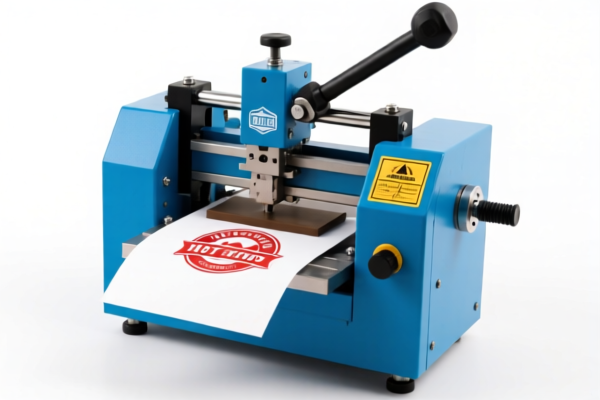
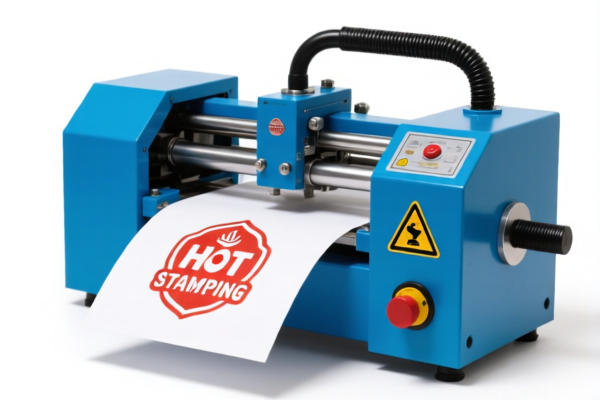
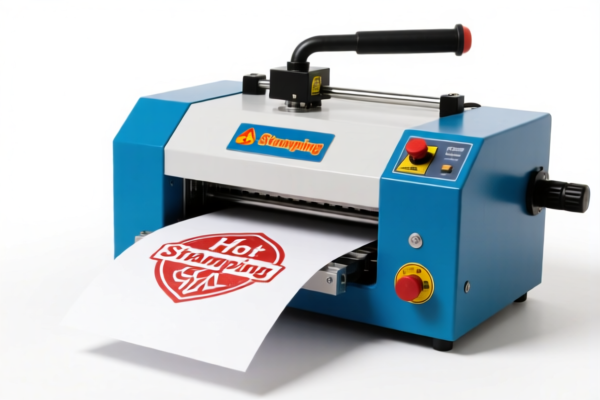
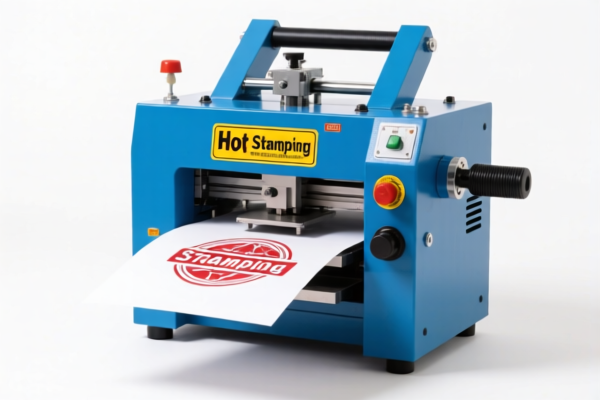
AI Analysis
🎀 Hot Stamping Lace Paper
🌐 HS Code Reference & Customs Clearance Guide | 2026 Latest Tariff Analysis | Professional Clearance Strategy
📌 I. Product Definition & Classification: Do You Truly Understand "Hot Stamping Lace Paper"?
Hot Stamping Lace Paper is a high-end decorative material widely used in luxury packaging, wedding invitations, greeting cards, fashion accessories, and premium gift wrapping. It combines the delicate texture of lace patterns with the metallic shine of hot stamping foil.
In international trade, this product falls under Chapter 48: Paper and Paperboard. Specifically, it is classified based on its form (cut to size/shape) and whether it is coated.
Key Distinction:
- If the paper is Coated (e.g., clay-coated, plastic-coated, or specifically treated for printability/stiffness): It falls under subheading 4823.90.67.
- If the Paper is Uncoated (standard kraft, tissue, or plain paper with lace embossing/foil): It falls under subheading 4823.90.86.
⚠️ Critical Judgment Point:
- Check the technical data sheet. If the paper has a coating (surface treatment for printing or durability), use 4823.90.67.00.
- If it is plain/unculated paper with a lace pattern (either embossed or printed with foil), use 4823.90.86.80.
- Note: "Hot Stamping" itself is a finishing process. The underlying material (paper) determines the HS code.
📦 II. HS Code Classification Details (2026 Latest Tariff Authority Comparison)
| HS Code | Product Description | Applicable Scenario | Coated Status |
|---|---|---|---|
4823.90.67.00 |
Of coated paper or paperboard | High-end coated cardstock with lace pattern/foil | ✅ Yes |
4823.90.86.80 |
Other other other other | Uncoated lace paper, tissue, or kraft with foil | ❌ No |
🔍 Key Reminder:
- Both codes fall under 4823: "Other paper, paperboard... cut to size or shape; other articles..."
- The total tariff rate for both codes is 25.0% (see below).
- Do not confuse with "Fabric" (Chapter 50-63) or "Plastic Sheets" (Chapter 39). The base material is paper.
💰 III. 2026 Latest Tariff Rate Details (Including Surtaxes & Policy Additions)
✅ Applicable Country: United States (US)
✅ Origin: China (CN)
✅ Effective Date: Current Section 301 Tariffs Apply
🎯 1. 4823.90.67.00 —— Coated Hot Stamping Lace Paper
| Item | Content |
|---|---|
| Base Tariff Rate | 0.0% |
| Surtax (Section 301) | +25.0% |
| Total Tariff Rate | 25.0% |
| Tax Calculation | CIF Value × 25% |
| De Minimis Eligibility | ❌ No (For Section 301 goods, de minimis exemption is generally waived for China-origin goods under current enforcement). |
| Legal Basis Path | USITC:4823.90.67.00 → Section 301 List 4A → 25% Surtax |
📌 Explanation:
- The base duty for paper articles is often 0%.
- However, Section 301 tariffs impose an additional 25% on many Chinese-origin paper products.
- Total Impact: 25% of the declared value (CIF).
🎯 2. 4823.90.86.80 —— Uncoated Hot Stamping Lace Paper
| Item | Content |
|---|---|
| Base Tariff Rate | 0.0% |
| Surtax (Section 301) | +25.0% |
| Total Tariff Rate | 25.0% |
| Tax Calculation | CIF Value × 25% |
| De Minimis Eligibility | ❌ No |
| Legal Basis Path | USITC:4823.90.86.80 → Section 301 List 4A → 25% Surtax |
📌 Note:
- Even though the base rate is 0%, the 25% surtax applies uniformly to this category from China.
- Whether coated or uncoated, the effective duty remains 25%.
🛠️ IV. Customs Clearance Practical Advice (Real-World Pitfall Guide)
✅ 1. Required Documentation Checklist (All Mandatory)
| Document | Must Provide | Description |
|---|---|---|
| ✅ Product Specification Sheet | ✔️ | Detail: Paper weight (GSM), coating type (if any), lace pattern size, foil color. |
| ✅ Product Photos | ✔️ | Clear shots showing the lace texture and stamping finish. Label must be visible. |
| ✅ Commercial Invoice | ✔️ | Must clearly state: "Hot Stamping Lace Paper, Cut to Size, Coated/Uncoated" |
| ✅ Packing List | ✔️ | Include net/gross weight, number of rolls/sheets. |
| ✅ Certificate of Origin (CO) | ✔️ | To prove Chinese origin (or exemption if re-exported with proper documentation, but unlikely for Section 301). |
✅ 2. Declaration Tips (Key Mantra)
🔥 "Specify Coating! Name is Precise! 25% is Fixed!"
| Situation | Correct Declaration | Wrong Practice |
|---|---|---|
| Coated Paper | 4823.90.67.00 + "Coated Hot Stamping Lace Paper" |
Call it "Fabric" or "Plastic" → Misclassification |
| Uncoated Paper | 4823.90.86.80 + "Uncoated Lace Paper with Foil" |
Omit "Uncoated" → Risk of audit |
| Rolls vs. Sheets | Specify format in invoice | Ambiguous description → Delay |
| Origin | Declare "China" explicitly | Try to misdeclare origin → Severe Penalty |
✅ 3. Special Case Handling
| Situation | Handling Advice |
|---|---|
| Mixed Shipments | If paper is mixed with non-subject items (e.g., tape, boxes), separate them on invoice. Only apply 25% to the paper. |
| Small Samples | Under $800 (de minimis), currently China goods may still be subject to scrutiny or seizure if flagged for Section 301. Check current CBP enforcement status. |
| Re-export | If sourced from China, re-exported to US, no exemption applies. Section 301 follows the product, not the shipper. |
🌍 V. Global Market Comparison (2026 Latest)
| Country/Region | Recommended HS Code | Tariff (China Origin) | Notes |
|---|---|---|---|
| 🇺🇸 USA | 4823.90.67.00 / 86.80 |
25% | Section 301 applies. |
| 🇪🇺 EU | 4823.90 series |
~6.5% | No Section 301 surtax. Standard EU duty. |
| 🇨🇳 China | 4823.90 series |
~5-10% | Import duty into China if re-importing. |
| 🇯🇵 Japan | 4823.90 series |
3-8% | Varies by specific paper type. |
| 🇬🇧 UK | 4823.90 series |
~5-10% | Post-Brexit tariffs apply. |
📌 Conclusion:
- USA is the most expensive market due to the 25% Section 301 surtax.
- EU, UK, Japan offer significantly lower duties (~5-8%), but may require stricter environmental/chemical compliance (REACH, etc.).
📌 VI. Common Mistakes & Pitfalls (Lessons Learned)
❌ Mistake 1: Classifying as "Fabric" or "Textile"
👉 Consequence: HS Code error, potential detention, and incorrect tax application.
✅ Fix: Always prioritize the base material. Paper = Chapter 48.
❌ Mistake 2: Ignoring the "Coated" vs. "Uncoated" distinction
👉 Consequence: While both are 25% now, misclassification can lead to audits or disputes if policies change.
✅ Fix: Be explicit in the product description.
❌ Mistake 3: Assuming De Minimis ($800) exemption applies
👉 Consequence: Packages from China under $800 may be seized or held for Section 301 assessment.
✅ Fix: For small shipments, consult a broker. Expect delays or duties.
❌ Mistake 4: Not declaring "Hot Stamping"
👉 Consequence: Customs may view it as generic paper and misclassify it as standard printing paper.
✅ Fix: Highlight the decorative nature and finishing process.
🎯 VII. Conclusion: Professional Declaration, Save Time & Money!
🎯 Remember the Mantra:
🔹 "Paper Base, 25% Tax, Coated or Not, Don't Hesitate!"
🔹 "Section 301 is Real, Avoid Misclassification, Pay on Time!"
📌 Pro Tip:
- If you are importing small quantities (<$800) for personal use or samples, ensure the invoice clearly states "No Commercial Value" or "Sample" to avoid potential duties, but be aware that CBP may still inspect.
- For bulk imports, budget for the 25% tariff from day one.
- Consider pre-classification rulings if you have large, high-value shipments.
📣 Immediate Action:
📞 Contact a Licensed Customs Broker
📄 Provide Product Photos + Specs
🚀 Plan for 25% Duty Cost in Your Pricing Strategy!
✨ Professional Clearance Starts with Accurate Classification!
💼 Every Dollar of Duty is Calculated with Precision!
Customer Reviews
About HS Code Classification
The Harmonized System (HS) is an internationally standardized nomenclature developed by the World Customs Organization (WCO) to classify traded products. Over 200 countries use the HS system as the basis for customs tariffs, trade statistics, and import/export regulations.
Each HS code follows a hierarchical structure:
- Chapter (2 digits) — Broad category of goods (e.g., Chapter 84: Machinery and Mechanical Appliances)
- Heading (4 digits) — More specific grouping within the chapter
- Subheading (6 digits) — Internationally standardized breakdown, used by all WCO member countries
- National subdivisions (8-10 digits) — Country-specific extensions for further classification, such as US HTSUS 10-digit codes
Correct HS code classification is essential for smooth customs clearance, accurate duty payment, and compliance with trade regulations. Misclassification can lead to customs delays, overpayment of duties, or penalties.
When importing from CN to US, the applicable tariff rates may include:
- Most-Favored-Nation (MFN) rate — The standard duty rate applied to WTO members
- General rate — Applied to countries without trade agreements
- Trade remedy duties — Additional tariffs such as Section 301 (anti-dumping), Section 232 (national security), or countervailing duties
The information provided on this page is for reference purposes only. For official classification, please consult with your local customs authority or a licensed customs broker.