Hot Stamping Machine
CN → US| HS Code | Tariff Rate | Origin | Destination | Doc |
|---|---|---|---|---|
| 8479909565 | 35.0% | CN | US | Official Doc |
| 8479909596 | 85.0% | CN | US | Official Doc |
| 8443192000 | 20.1% | CN | US | Official Doc |
| 8443912000 | 17.5% | CN | US | Official Doc |
Product Images
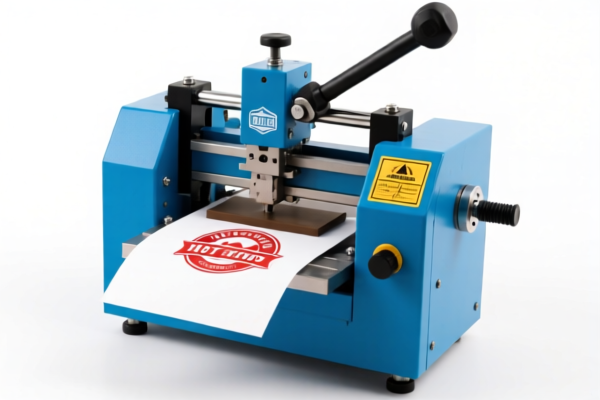
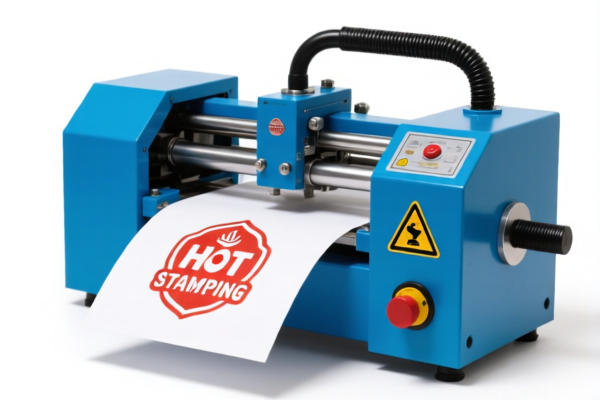
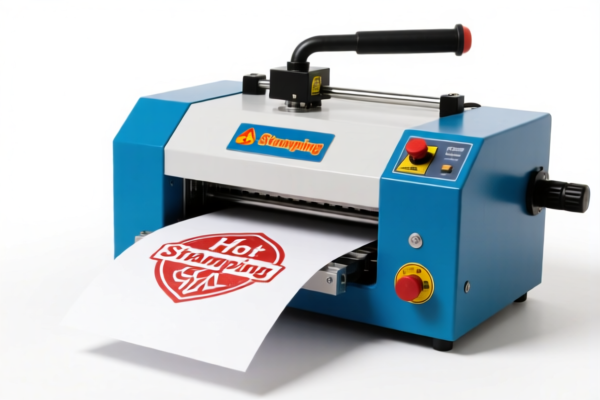
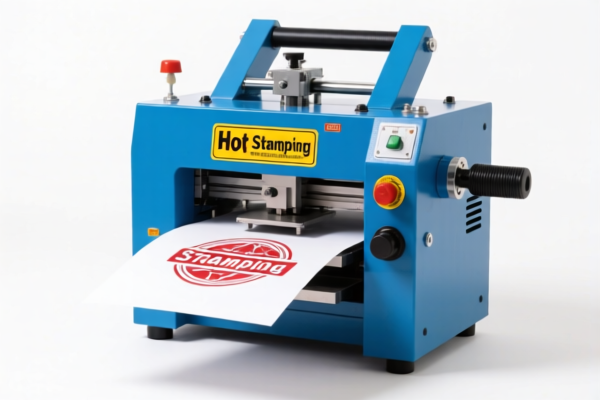
AI Analysis
🔥 Hot Stamping Machine (Hot Foil Stamping Press)
🌐 HS Code Reference & Customs Clearance Guide | 2026 Latest Tariff Analysis | Professional Clearance Strategy
📌 I. Product Definition & Classification: Do You Really Know "Hot Stamping"?
Hot Stamping Machines are industrial equipment used to transfer decorative foil onto substrates (paper, plastic, leather, metal) using heat and pressure. In international trade, classification depends heavily on the application and the mechanical function.
Based on the provided , these machines fall under two main categories: 1. Textile Printing Machinery: Specifically designed for printing on textiles using plates/cylinders. 2. General Mechanical Appliances: Parts of machines with individual functions not specified elsewhere. This often includes parts for metal treatment or general industrial machinery.
⚠️ Key Distinction Point:
- If the machine is primarily for textile printing (foil stamping on fabric): → Classify under 8443.19.20.00.
- If the machine (or its parts) is used for treating metal or is a generic mechanical part not elsewhere specified: → Classify under 8479.90.95.65 or 8479.90.95.96.
📦 II. HS Code Classification Details (2026 Latest Tariff Authority Comparison)
| HS Code | Product Description | Application Scenario | Tax Rate (China Origin to US) |
|---|---|---|---|
8443.19.20.00 |
Printing machinery for textile printing (by plates/cylinders of heading 8442). | Hot foil stamping machines specifically designed for textiles/fabrics. | 0.0% |
8443.91.20.00 |
Parts and accessories for textile printing machinery (heading 8442). | Spare parts, cylinders, or dies for the textile hot stamping machines above. | 0.0% |
8479.90.95.65 |
Parts of machines/appliances for treating metal. | Parts of hot stamping presses used primarily in metalworking industries. | 25.0% |
8479.90.95.96 |
Parts of machines/appliances (Other/Not elsewhere specified). | General mechanical parts for hot stamping machines not specifically for metal treatment, or general industrial uses. | 75.0% (Includes 50% Steel/Aluminum/Copper surcharge) |
🔍 Critical Reminder:
- Textile vs. Metal: The critical factor is the end-use or primary function.
- If the machine stamps metal plates or is part of a metal treatment line, it triggers the 8479.90 series.
- If it stamps fabric/leather/paper in a textile context, it stays in 8443.
- Parts Classification: Ensure parts are declared correctly. A "hot stamping die" for metal falls under 8479.90.95.65/96, not 8443.
💰 III. 2026 Latest Tariff Rate Breakdown (Including Surcharges)
✅ Applicable Country: United States (US)
✅ Origin: China (CN)
✅ Effective Time: 2025/2026 Import Terms
🎯 1. 8443.19.20.00 & 8443.91.20.00 —— Textile Printing Machinery & Parts
| Item | Content |
|---|---|
| Base Tariff | 0.0% (ad valorem) |
| Section 301 Surcharge | 0.0% |
| Total Tax Rate | 0.0% |
| Tax Calculation | CIF Value × 0% = $0 |
| De Minimis Eligibility | ✅ Yes (if applicable under other rules) |
| Legal Basis Path | HTSUS 8443.19.20 / 8443.91.20 (No 301 footnote applied) |
📌 Explanation:
- Textile printing machinery is exempt from the major US-China trade war tariffs.
- This is the most favorable classification if your hot stamping machine is explicitly for textile applications.
🎯 2. 8479.90.95.65 —— Parts for Metal Treatment Machines
| Item | Content |
|---|---|
| Base Tariff | 0.0% |
| Section 301 Surcharge | +25.0% |
| Total Tax Rate | 25.0% |
| Tax Calculation | CIF Value × 25% |
| De Minimis Eligibility | ❌ No (Subject to high tariffs) |
| Legal Basis Path | HTSUS 8479.90.95.65 → USITC Footnote 9903.88.01 (301 Tariff) |
📌 Explanation:
- Applies to parts of machines used for treating metal.
- Common in industrial stamping presses used for metal embossing or foil stamping on metal sheets.
🎯 3. 8479.90.95.96 —— Other Parts (General/Mixed Material)
| Item | Content |
|---|---|
| Base Tariff | 0.0% |
| Section 301 Surcharge | +25.0% |
| Steel/Aluminum/Copper Surcharge | +50.0% (Specific surcharge for steel, aluminum, and copper products) |
| Total Tax Rate | 75.0% |
| Tax Calculation | CIF Value × 75% |
| De Minimis Eligibility | ❌ No |
| Legal Basis Path | HTSUS 8479.90.95.96 → 301 Tariff (25%) + Steel/Al/Cu Surcharge (50%) |
📌 Explanation:
- This is the highest risk classification.
- It applies to parts of general mechanical appliances not specified elsewhere, especially if made of steel, aluminum, or copper.
- Many hot stamping machine components (heaters, plates, frames) are metallic, triggering this 50% surcharge on top of the 25% Section 301 tariff.
- Total 75% is extremely costly and must be avoided if possible.
🛠️ IV. Customs Clearance Practical Advice (Real-World Pitfall Guide)
✅ 1. Preparation Checklist (Mandatory)
| Document | Required | Explanation |
|---|---|---|
| ✅ Product Specification Sheet | ✔️ | Must clearly state primary application (e.g., "For Textile Foil Stamping" vs. "For Metal Embossing"). |
| ✅ Technical Drawings | ✔️ | Show material composition (Steel/Aluminum content triggers higher tariffs). |
| ✅ Commercial Invoice | ✔️ | Precise description: "Hot Stamping Press, Model XYZ, for Textile Use" OR "Hot Stamping Press, for Metal Treatment". |
| ✅ Origin Certificate | ✔️ | Confirm China origin to apply correct surcharges. |
| ✅ Material Declaration | ✔️ | List all major components and their materials (Steel, Aluminum, Copper, Plastic). |
✅ 2. Declaration Strategy (Key Rules)
🔥 "Define Use First, Then Check Material!"
| Scenario | Correct HS Code | Risk Level |
|---|---|---|
| Textile Hot Stamping Machine | 8443.19.20.00 |
🟢 Low (0%) |
| Parts for Textile Stamping | 8443.91.20.00 |
🟢 Low (0%) |
| Metal Treatment Stamping Parts | 8479.90.95.65 |
🟠 Medium (25%) |
| General Stamping Parts (Metal Components) | 8479.90.95.96 |
🔴 High (75%) |
📌 Crucial Tip:
- If your machine is multi-purpose (can do both textile and metal), declare the primary commercial use supported by marketing materials and customer orders.
- Parts Declaration: Do not lump all parts together. Separate "Textile Dies" (8443) from "Steel Heating Plates" (8479).
✅ 3. Special Cases Handling
| Case | Handling Advice |
|---|---|
| Multi-Use Machine | Provide a Use Statement declaring primary intent. If 80%+ of sales are textile, argue for 8443. |
| Mixed Materials | If a part is 60% steel and 40% plastic, it may still trigger the 50% surcharge if classified under 8479.90.95.96. Minimize steel/aluminum/copper in parts if possible. |
| OEM Custom Machines | Ensure the contract specifies the end-user industry. |
| Parts Only | Be very careful. If it’s a generic part, it falls into 8479.90.95.96 (75%). Try to tie it to a specific machine (8443) if possible. |
🌍 V. Global Market Comparison (2026 Latest)
| Country/Region | Recommended HS Code | Tariff (China Origin) | Notes |
|---|---|---|---|
| 🇺🇸 USA | 8443.19.20.00 (Textile) / 8479.90.95.96 (Metal/General) |
0% (Textile) vs 75% (Metal/General) | Highest Risk Market. Classification is critical. |
| 🇨🇳 China | 8443.19 / 8479.90 |
Varies (Import Tariff) | Different from US export tariffs. |
| 🇪🇺 EU | 8443.19 / 8479.90 |
0% (Most Machinery) | No major 301-style surcharges, but verify CE/ERP. |
| 🇦🇺 Australia | 8443.19 / 8479.90 |
5% (General) | Lower tariffs than US. |
📌 Conclusion:
- The USA is the most challenging market due to the 25% + 50% surcharge on general parts.
- EU and Australia are more favorable, but US Customs requires precise classification.
📌 VI. Common Errors & Pitfalls (Lessons Learned)
❌ Error 1: Declaring a steel heating plate as a "part of textile machine" when it’s used for metal stamping.
👉 Consequence: 75% Tariff instead of 0%. Misclassification penalty.
❌ Error 2: Lump-sum declaring "Hot Stamping Machine Parts" without specifying material or end-use.
👉 Consequence: Customs assigns 8479.90.95.96 (75%) by default.
❌ Error 3: Assuming "All Printing Machinery" is tariff-free.
👉 Consequence: Only textile printing (8443) is 0%. General mechanical parts (8479) are heavily taxed.
✅ Correct Practice:
"Hot Foil Stamping Press, Model XYZ, Designed for Textile Fabric, with Aluminum Heaters (for heat transfer, not metal treatment), FCC/CE Certified."
🎯 VII. Conclusion: Professional Declaration Saves Money!
🎯 Remember the Motto:
🔹 "Textile = 0%, Metal Parts = 75%!"
🔹 "If it’s made of Steel/Aluminum/Copper and not for textiles, expect the 50% Surcharge!"
📌 Pro Tip:
- If you are exporting parts, try to classify them under 8443.91.20.00 (Textile Parts) if they are exclusively for textile machines.
- For general machinery, consider if any components can be made of non-steel/aluminum/copper materials to avoid the 50% surcharge.
- Pre-Ruling: Apply for an Advance Ruling from US Customs (CBP) if the use is ambiguous.
📣 Immediate Action:
📞 Consult a Customs Broker: Provide machine specs and end-use documents.
🚀 Optimize Supply Chain: If possible, shift production of parts to non-China origins to avoid 301 tariffs, or redesign machines to clearly qualify as "Textile Printing Machinery."
✨ Professional Clearance Starts with Accurate Classification!
💼 Every percentage point counts! Don’t let 75% eat your profit!
Customer Reviews
About HS Code Classification
The Harmonized System (HS) is an internationally standardized nomenclature developed by the World Customs Organization (WCO) to classify traded products. Over 200 countries use the HS system as the basis for customs tariffs, trade statistics, and import/export regulations.
Each HS code follows a hierarchical structure:
- Chapter (2 digits) — Broad category of goods (e.g., Chapter 84: Machinery and Mechanical Appliances)
- Heading (4 digits) — More specific grouping within the chapter
- Subheading (6 digits) — Internationally standardized breakdown, used by all WCO member countries
- National subdivisions (8-10 digits) — Country-specific extensions for further classification, such as US HTSUS 10-digit codes
Correct HS code classification is essential for smooth customs clearance, accurate duty payment, and compliance with trade regulations. Misclassification can lead to customs delays, overpayment of duties, or penalties.
When importing from CN to US, the applicable tariff rates may include:
- Most-Favored-Nation (MFN) rate — The standard duty rate applied to WTO members
- General rate — Applied to countries without trade agreements
- Trade remedy duties — Additional tariffs such as Section 301 (anti-dumping), Section 232 (national security), or countervailing duties
The information provided on this page is for reference purposes only. For official classification, please consult with your local customs authority or a licensed customs broker.