Hotel Lock
CN → US| HS Code | Tariff Rate | Origin | Destination | Doc |
|---|---|---|---|---|
| 8301406030 | 23.2% | CN | US | Official Doc |
| 8301406060 | 23.2% | CN | US | Official Doc |
Product Images

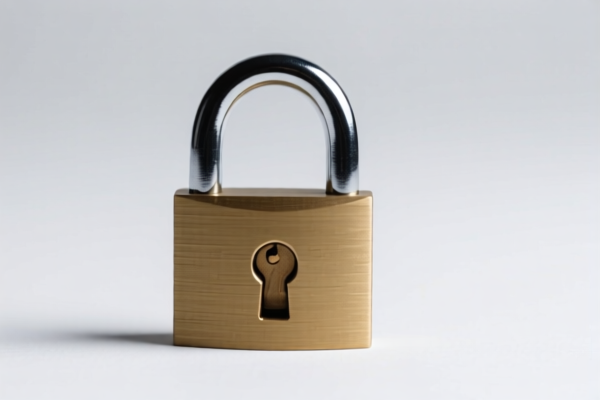
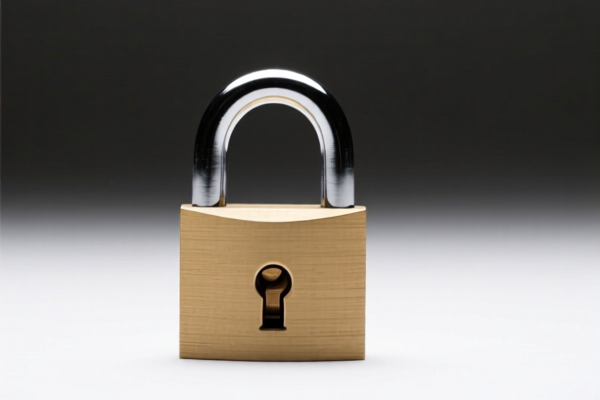

AI Analysis
🔐 Hotel Locksets (Door Locks of Base Metal)
🌐 HS Code Reference & Customs Clearance Guide | 2026 Latest Tariff Analysis | Professional Clearance Strategy
📌 I. Product Definition & Classification: Do You Really Understand "Hotel Locks"?
Hotel locks, in the context of international trade and base metal hardware, refer to locking mechanisms installed on interior or exterior doors of hospitality establishments. They are not just simple padlocks but integrated systems. In customs classification, they are primarily categorized under Chapter 83: Articles of Base Metal.
Key Distinction:
- Garage/Overhead/Sliding Doors: Excluded from this specific subheading.
- Standard Interior/Exterior Doors: Included. This covers padlocks, key-operated locks, combination locks, and electrically operated locks suitable for standard door frames.
⚠️ Critical Classification Point:
- If the lock is electronic, key-operated, or combination-based and made of base metal (e.g., brass, steel, zinc alloy), it falls under HS Code 8301.
- If it is a simple padlock without additional frame/clasp integration, it may fall under different sub-codes, but "Hotel Locksets" (incorporating the latch mechanism and often the strike plate frame) are typically classified as "Other Door locks".
📦 II. HS Code Classification Details (2026 Latest Tariff Authority Comparison)
Based on the provided data, there are two primary classifications for "Other Door Locks" suitable for hotel use. The distinction depends on the specific design and complexity.
| HS Code | Product Description | Applicable Scenario | Key Features |
|---|---|---|---|
8301.40.60.30 |
Other Door locks, locksets, and other locks suitable for use with interior or exterior doors (except garage, overhead, or sliding doors) | Standard hotel room locks, key/card-operated entry systems (base metal housing), lever handles with integrated locking mechanisms | Primary Classification for "Locksets" |
8301.40.60.60 |
Other (Other) | Generic base metal locks not specifically fitting the "door lockset" description, or simpler padlock-style mechanisms without door frame integration | Secondary Classification for "Other Locks" |
🔍 Key Reminder:
-8301.40.60.30is the preferred code for Locksets (handle + latch + lock cylinder/frame) used in hotel rooms.
-8301.40.60.60applies if the item is a standalone lock or padlock that doesn't fit the specific "door lockset" definition.
- Do NOT classify electronic components (like RFID readers or batteries) separately if they are integrated into a base metal lock assembly; they are often viewed as part of the whole article.
💰 III. 2026 Latest Tariff Rate Breakdown (Including Surcharges)
✅ Applicable Country: United States (US)
✅ Origin: China (CN)
✅ Effective Date: Current rates as per data
🎯 1. 8301.40.60.30 —— Door Locksets for Interior/Exterior Doors
| Item | Content |
|---|---|
| Base Tariff | 0.0% |
| Added Tariff (Section 301) | 0.0% |
| Total Tax Rate | 0.0% |
| Tax Calculation | CIF Value × 0% = $0 |
| De Minimis Eligibility | ✅ Yes (If value < $800, no duty) |
| Legal Basis Path | HS:8301.40.60.30 → Tax Detail: Base 0%, Added 0% |
📌 Explanation:
- This code offers a zero tariff rate.
- It is the most cost-effective classification for standard hotel door locksets.
- No Section 301 penalties apply to this specific subheading in the provided data.
🎯 2. 8301.40.60.60 —— Other Locks (Non-Specific)
| Item | Content |
|---|---|
| Base Tariff | 5.7% |
| Added Tariff (Section 301) | 7.5% |
| Total Tax Rate | 13.2% |
| Tax Calculation | CIF Value × 13.2% |
| De Minimis Eligibility | ❌ No (If > $800, duty applies; if < $800, de minimis may apply but risk of audit is higher) |
| Legal Basis Path | HS:8301.40.60.60 → Tax Detail: Base 5.7%, Added 7.5% |
📌 Explanation:
- This code incurs a 13.2% total tariff.
- 5.7% is the standard Most Favored Nation (MFN) rate.
- 7.5% is the additional tariff imposed under Section 301 on Chinese goods.
- High Risk: Misclassifying a lockset as "Other" here instead of30will result in an unexpected 13.2% duty bill.
🛠️ IV. Customs Clearance Practical Advice (Battle-Tested Pitfall Guide)
✅ 1. Preparation Checklist (Mandatory)
| Document | Required | Description |
|---|---|---|
| ✅ Product Catalog | ✔️ | Show the full assembly (handle, cylinder, latch) |
| ✅ Technical Drawing | ✔️ | Highlight that it is for standard doors (not garage/sliding) |
| ✅ Material Declaration | ✔️ | Confirm "Base Metal" (e.g., Zinc Alloy, Brass, Steel) |
| ✅ Commercial Invoice | ✔️ | Use clear description: "Hotel Door Lockset, Base Metal, Key/Card Operated" |
| ✅ Origin Certificate | ✔️ | If from China, be prepared for potential Section 301 scrutiny |
✅ 2. Declaration Tips (Key Mantras)
🔥 "Lockset = 30, Other = 60, 13.2% Pain!"
| Scenario | Correct Declaration | Wrong Approach |
|---|---|---|
| Hotel Room Lock (Handle + Cylinder) | 8301.40.60.30 |
Declaring as "Padlock" → 8301.40.60.60 (13.2%) |
| Standalone Padlock | 8301.40.60.60 |
Declaring as "Lockset" → Risk of Rejection |
| Electric Lock Components (Wires/Chips) | Separate if not integrated | Integrating them into base metal lock → May change classification |
| Garage Door Locks | Excluded from 8301.40.60.30 | Declaring Garage Locks as Hotel Locks → Audit Risk |
✅ 3. Special Cases Handling
| Situation | Handling Advice |
|---|---|
| Electronic Card Locks | If the housing is base metal and it’s a lockset, use 8301.40.60.30. The electronic function is secondary to the mechanical lockset definition. |
| Mixed Containers | Ensure "Locksets" are clearly separated from "Padlocks" or "Key Parts" to avoid the 13.2% rate for the whole container if audited. |
| Origin: China | Verify if the product qualifies for any exclusions. As per data, 30 has 0% added tariff, making it highly advantageous. |
🌍 V. Global Market Clearance Comparison (2026 Latest)
| Country/Region | Recommended HS Code | Tariff | Certification | Notes |
|---|---|---|---|---|
| 🇺🇸 USA | 8301.40.60.30 |
0.0% | None specific | Best Rate for locksets. Avoid 60 (13.2%). |
| 🇨🇳 China | 8301.40.60.30 |
0% (if imported) | CCC (if electrical) | Export from China: No exit tax. |
| 🇪🇺 EU | 8301.40 |
2.7% - 5.5% | CE (if electrical) | VAT applies. Check specific member state rates. |
| 🇬🇧 UK | 8301.40 |
2.7% - 5.5% | UKCA | Post-Brexit rules apply. |
| 🇦🇺 Australia | 8301.40 |
5.0% | RCM (if electrical) | Free Trade Agreement (AUSFTA) may not apply to China. |
📌 Conclusion:
- The USA is the most tariff-friendly market for "Locksets" (Code 30) due to the 0% rate.
- Misclassification is the biggest risk. Declaring a lockset as "Other" (Code 60) costs an extra 13.2%.
📌 VI. Common Mistakes & Pitfalls (Lessons Learned)
❌ Mistake 1: Calling a "Hotel Lockset" a "Padlock"
👉 Consequence: Classified under 8301.40.60.60 → 13.2% Duty instead of 0%.
❌ Mistake 2: Ignoring the "Door Type" restriction
👉 Consequence: Declaring a garage door lock as a hotel lock → Customs Rejection/Rejection of Entry.
❌ Mistake 3: Not specifying "Base Metal"
👉 Consequence: If the lock is plastic or stainless steel (sometimes classified differently), it may fall under different chapters (e.g., 73 or 39). Must confirm Base Metal.
✅ Correct Declaration Example:
"Hotel Door Lockset, Base Metal (Zinc Alloy), Key/Keyless Entry, for Interior/Exterior Doors, Not for Garage/Sliding Doors, Model XYZ"
🎯 VII. Conclusion: Precision Classification Saves Money!
🎯 Remember:
🔹 "Lockset = 30 (0%), Other = 60 (13.2%)"
🔹 "Specify 'Interior/Exterior Door' to qualify for 0%."
🔹 "Don't mix Garage Locks with Hotel Locks!"
📌 Pro Tip:
If your hotel locks are integrated with smart systems (Wi-Fi/Zigbee), ensure the base metal housing is the dominant feature. If it's a complete electronic device with minimal metal, it might be classified under 8517 (which has different tariffs). For pure base metal locksets, stick to 8301.40.60.30 for the 0% advantage.
📣 Immediate Action:
📞 Confirm with your supplier: "Is this a 'Lockset' for standard doors?"
🚀 Use HS Code8301.40.60.30for US imports to save 13.2%.
✨ Professional Customs Clearance Starts with Precise Classification!
💼 Your Margin Depends on Accurate HS Codes!
Customer Reviews
About HS Code Classification
The Harmonized System (HS) is an internationally standardized nomenclature developed by the World Customs Organization (WCO) to classify traded products. Over 200 countries use the HS system as the basis for customs tariffs, trade statistics, and import/export regulations.
Each HS code follows a hierarchical structure:
- Chapter (2 digits) — Broad category of goods (e.g., Chapter 84: Machinery and Mechanical Appliances)
- Heading (4 digits) — More specific grouping within the chapter
- Subheading (6 digits) — Internationally standardized breakdown, used by all WCO member countries
- National subdivisions (8-10 digits) — Country-specific extensions for further classification, such as US HTSUS 10-digit codes
Correct HS code classification is essential for smooth customs clearance, accurate duty payment, and compliance with trade regulations. Misclassification can lead to customs delays, overpayment of duties, or penalties.
When importing from CN to US, the applicable tariff rates may include:
- Most-Favored-Nation (MFN) rate — The standard duty rate applied to WTO members
- General rate — Applied to countries without trade agreements
- Trade remedy duties — Additional tariffs such as Section 301 (anti-dumping), Section 232 (national security), or countervailing duties
The information provided on this page is for reference purposes only. For official classification, please consult with your local customs authority or a licensed customs broker.