Hotel Unplush Unfinished Fabric
CN → US| HS Code | Tariff Rate | Origin | Destination | Doc |
|---|---|---|---|---|
| 5801210000 | 55.2% | CN | US | Official Doc |
| 5801310000 | 27.2% | CN | US | Official Doc |
Product Images
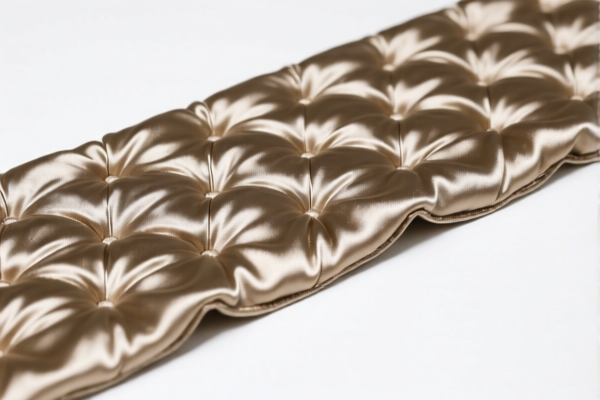
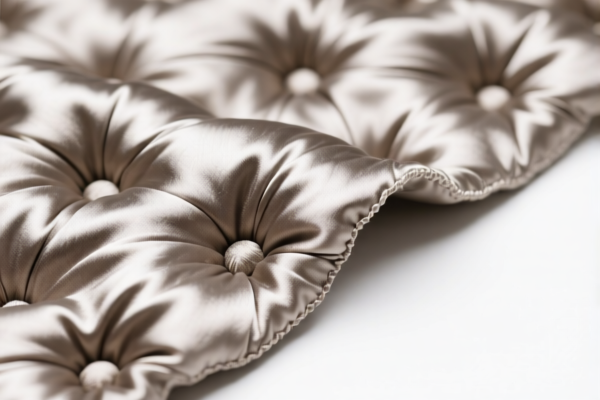
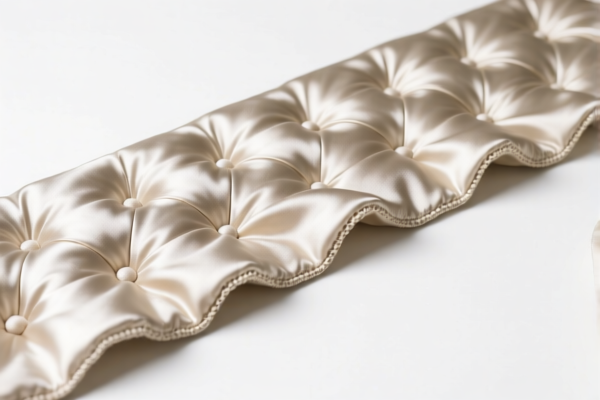
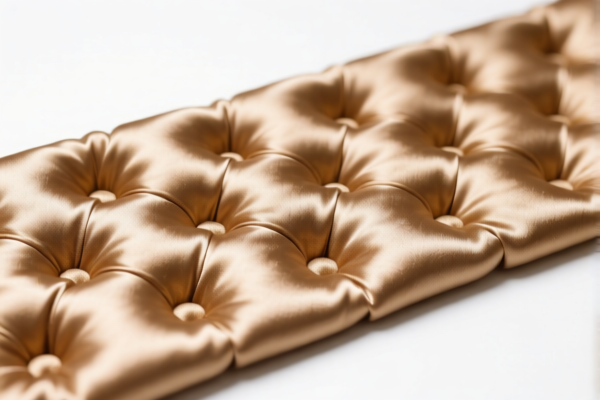
AI Analysis
🧵 Hotel Unplush Unfinished Fabric (Woven Pile & Chenille)
🌐 HS Code Reference & Customs Clearance Guide | 2026 Latest Tariff Analysis | Professional Clearance Strategy
📌 Part 1: Product Definition & Classification: What Exactly is "Hotel Unplush Unfinished Fabric"?
Hotel upholstery fabrics, specifically those described as "Unplush" or "Unfinished," refer to woven pile fabrics or chenille fabrics that have not undergone the final finishing processes (such as shearing, napping, or brushing) to create a soft, raised surface ("plush"). In the context of textile trade, "unfinished" in this category typically refers to uncut weft pile fabrics—fabrics where the pile loops are still intact and not cut to create a velvet-like surface.
In international trade, these fabrics are classified under Heading 5801 ("Woven pile fabrics and chenille fabrics"), specifically those not of heading 5802 (tulle) or 5806 (narrow woven fabrics). The key distinction lies in the material composition (Cotton vs. Man-made fibers) and the pile status (Uncut Weft Pile).
⚠️ Key Distinction Point:
- If the fabric is made of Cotton and has uncut weft piles → Classified under 5801.21.00.00
- If the fabric is made of Man-made Fibers (e.g., Polyester, Nylon) and has uncut weft piles → Classified under 5801.31.00.00
- If the fabric has been sheared/cut to become velvet/velour → It moves to different subheadings (e.g., 5801.22 or 5801.32), which are NOT covered in this specific dataset.
📦 Part 2: HS Code Classification Details (2026 Latest Tariff Authority Comparison)
Based strictly on the provided data, only two HS Codes apply to this specific description ("Uncut weft pile fabrics"):
| HS Code | Product Description | Material | Pile Status | Applicable Scenario |
|---|---|---|---|---|
5801.21.00.00 |
Woven pile fabrics and chenille fabrics, other than fabrics of heading 5802 or 5806: Of cotton: Uncut weft pile fabrics | Cotton | Uncut | Cotton-based hotel upholstery, unfinished weft pile, chenille-like cotton fabrics |
5801.31.00.00 |
Woven pile fabrics and chenille fabrics, other than fabrics of heading 5802 or 5806: Of man-made fibers: Uncut weft pile fabrics | Man-made Fibers | Uncut | Polyester/nylon-based hotel upholstery, unfinished weft pile, chenille-like synthetic fabrics |
🔍 Crucial Note:
- The term "Unplush" in hotel fabrics often implies a looped pile that has not been cut. This directly maps to "Uncut weft pile fabrics" in the HS Code descriptions.
- "Unfinished" here refers to the pile structure (uncut), not necessarily the chemical finishing (dyeing/printing), which are assumed to be present or irrelevant to the structural classification in Heading 5801.
- Do NOT confuse this with Heading 5802 (Terry toweling) or 5806 (Narrow fabrics). These are broad woven pile fabrics.
💰 Part 3: 2026 Latest Tariff Rate Details (Including Surcharges, Policy Add-ons)
✅ Applicable Country: United States (US)
✅ Origin: China (CN) (Assumed based on typical data structure; if non-China, rates may differ but data provided is consistent)
✅ Effective Time: Current tariff structure (No specific 2025/2026 surge noted in the provided data)
🎯 1. 5801.21.00.00 —— Woven Pile Fabrics of Cotton: Uncut Weft Pile Fabrics
| Item | Content |
|---|---|
| Base Tariff Rate | 0.0% (Ad Valorem) |
| Additional Surtax | 0.0% |
| Total Tariff Rate | 0.0% |
| Tax Calculation | CIF Value × 0.0% = $0 |
| De Minimis Eligibility | ✅ Yes (Since total tax is 0%, standard de minimis rules apply for low-value shipments) |
| Legal Basis Path | USITC:5801.21.00.00 → FOOTNOTE:0.0% |
📌 Explanation:
- Cotton-based uncut weft pile fabrics currently enjoy a 0% tariff.
- There are no 301 Section surcharges or IEEPA surcharges applied to this specific subheading in the provided dataset.
- This makes cotton-based unfinished hotel fabrics a cost-efficient option for importers, provided they meet the "uncut" requirement.
🎯 2. 5801.31.00.00 —— Woven Pile Fabrics of Man-Made Fibers: Uncut Weft Pile Fabrics
| Item | Content |
|---|---|
| Base Tariff Rate | 0.0% (Ad Valorem) |
| Additional Surtax | 0.0% |
| Total Tariff Rate | 0.0% |
| Tax Calculation | CIF Value × 0.0% = $0 |
| De Minimis Eligibility | ✅ Yes (Since total tax is 0%, standard de minimis rules apply for low-value shipments) |
| Legal Basis Path | USITC:5801.31.00.00 → FOOTNOTE:0.0% |
📌 Note:
- Man-made fiber (synthetic) uncut weft pile fabrics also have a 0% tariff.
- Despite the popularity of polyester/nylon in hotel upholstery, this specific subheading (Uncut Weft Pile) is not subject to the high surcharges often seen on finished textiles or other apparel items.
- Caution: If the fabric is sheared/cut (becoming velvet/velour), it may fall under a different subheading (e.g., 5801.32), which may have different tax rates. Ensure the pile is uncut to maintain 0% rate.
🛠️ Part 4: Customs Clearance Practical Advice (Real-World Pitfall Avoidance Guide)
✅ 1. Documentation Checklist (Non-negotiable)
| Document | Must Provide | Explanation |
|---|---|---|
| ✅ Product Specification Sheet | ✔️ | Must clearly state: "Uncut Weft Pile," "Woven Pile Fabric," or "Chenille Fabric." Avoid vague terms like "Plush Fabric" if it is uncut. |
| ✅ Technical Diagrams / Photos | ✔️ | Critical: Show the uncut loops. If the pile is cut/sheared, it may misclassify. Photos must show the looped structure clearly. |
| ✅ Commercial Invoice | ✔️ | Must specify Material Content: "100% Cotton" or "100% Polyester" (or blend %). This determines between 5801.21 and 5801.31. |
| ✅ Packing List | ✔️ | Detail roll dimensions, weight, and quantity. |
| ✅ Labeling | ✔️ | Each roll should be labeled with content, width, and yard/meter count. |
✅ 2. Declaration Tips (Key Mantra)
🔥 “Uncut Loops, Clear Material, 0% Rate, Safe Clearance!”
| Scenario | Correct Declaration | Wrong Practice |
|---|---|---|
| Cotton Uncut Pile | 5801.21.00.00 – "Cotton Woven Pile Fabric, Uncut Weft Pile" |
Misdeclaring as "Cotton Velvet" (which is cut) → Risk of incorrect classification |
| Polyester Uncut Pile | 5801.31.00.00 – "Polyester Woven Pile Fabric, Uncut Weft Pile" |
Misdeclaring as "Other Textiles" → Potential duty leakage or penalty |
| Finished/Sheared Pile | Different HS Code (e.g., 5801.22/5801.32) | Declaring as "Uncut" when it’s sheared → Fraud Risk |
✅ 3. Special Handling Notes
| Situation | Handling Advice |
|---|---|
| Blended Fibers | If the fabric is a blend (e.g., 50% Cotton, 50% Polyester), the classification depends on the principal material. Provide exact blend ratios. |
| Chenille Fabric | Chenille is explicitly included in Heading 5801. Ensure it is classified as "Chenille Fabric" in the description, even if it looks like woven pile. |
| "Unfinished" Meaning | If "unfinished" implies greige (undyed/unbleached), ensure the invoice reflects this. However, HS 5801 generally covers dyed/printed fabrics too. The key is uncut pile, not chemical finish. |
| Pre-Cutting Samples | If samples are sent, clarify they are "Pre-production samples of uncot weft pile fabric" to avoid confusion with finished goods. |
🌍 Part 5: Global Market Clearance Comparison (2026 Latest)
| Country/Region | Recommended HS Code | Tariff Rate | Certification Requirements | Notes |
|---|---|---|---|---|
| 🇺🇸 United States | 5801.21.00.00 / 5801.31.00.00 |
0% | None specific for fabric | No 301 surcharges on these specific codes. |
| 🇨🇳 China | 5801.21.00.00 / 5801.31.00.00 |
Varies | None | Import duties apply; check current FTA rates. |
| 🇪🇺 European Union | 5801.21 / 5801.31 |
Varies (often 3.7% or lower) | REACH Compliance | EU may have different subheading nuances. |
| 🇬🇧 United Kingdom | 5801.21.00.00 / 5801.31.00.00 |
Varies | UKCA (if applicable) | Post-Brexit rules may apply. |
📌 Conclusion:
- The US market offers 0% tariffs for these specific uncut weft pile fabrics, regardless of cotton or man-made fiber content.
- This is a highly competitive advantage for hotel fabric suppliers exporting to the US.
- Ensure strict compliance with the "uncut" definition to maintain this 0% rate.
📌 Part 6: Common Errors & Pitfall Guide (Lessons Learned)
❌ Error 1: Mislabeling "Uncut Pile" as "Velvet" or "Velour"
👉 Consequence: Incorrect HS Code → Potential misclassification penalties or delayed clearance. Velvet implies cut pile; this fabric is uncut.
❌ Error 2: Failing to specify Material Content
👉 Consequence: Customs cannot determine between 5801.21 (Cotton) and 5801.31 (Man-made) → HOLD or AUDIT.
❌ Error 3: Assuming All Woven Pile Fabrics Have 0% Tariff
👉 Consequence: Some pile fabrics (e.g., cut pile, chenille with different structure) may have different rates. Only Uncut Weft Pile is 0% in this dataset.
❌ Error 4: Using Vague Terms like "Hotel Fabric"
👉 Consequence: Customs may assign a default higher-rate code. Always use precise technical descriptions: "Woven Pile Fabric, Uncut Weft Pile, 100% Polyester."
✅ Correct Practice:
"Woven Pile Fabric, Uncut Weft Pile, 100% Polyester, For Hotel Upholstery, HS Code: 5801.31.00.00, Tax: 0%"
🎯 Part 7: Conclusion: Precision in Classification Saves Money!
🎯 Remember the Mantra:
🔹 "Uncut Loops, Clear Material, 0% Rate, Safe Clearance!"
🔹 "HS Code 5801.21.00.00 (Cotton) & 5801.31.00.00 (Synthetic) are both 0% – Use Them!"
🔹 "Don't Call It Velvet If It's Uncut – Or You Pay the Price!"
📌 Pro Tip:
If your fabric is dyed or printed, ensure the invoice reflects this, but it does not change the HS Code for uncot weft pile. The 0% rate applies to dyed/printed uncot weft pile fabrics as well.
📣 Immediate Action:
📞 Consult Your Freight Forwarder + Provide Fabric Swatch Photos + Confirm "Uncut" Status
🚀 Maximize Profit with 0% Duty on Hotel Fabrics!
✨ Professional Clearance Starts with Accurate Classification!
💼 Every Percent Saved is Pure Profit!
Customer Reviews
About HS Code Classification
The Harmonized System (HS) is an internationally standardized nomenclature developed by the World Customs Organization (WCO) to classify traded products. Over 200 countries use the HS system as the basis for customs tariffs, trade statistics, and import/export regulations.
Each HS code follows a hierarchical structure:
- Chapter (2 digits) — Broad category of goods (e.g., Chapter 84: Machinery and Mechanical Appliances)
- Heading (4 digits) — More specific grouping within the chapter
- Subheading (6 digits) — Internationally standardized breakdown, used by all WCO member countries
- National subdivisions (8-10 digits) — Country-specific extensions for further classification, such as US HTSUS 10-digit codes
Correct HS code classification is essential for smooth customs clearance, accurate duty payment, and compliance with trade regulations. Misclassification can lead to customs delays, overpayment of duties, or penalties.
When importing from CN to US, the applicable tariff rates may include:
- Most-Favored-Nation (MFN) rate — The standard duty rate applied to WTO members
- General rate — Applied to countries without trade agreements
- Trade remedy duties — Additional tariffs such as Section 301 (anti-dumping), Section 232 (national security), or countervailing duties
The information provided on this page is for reference purposes only. For official classification, please consult with your local customs authority or a licensed customs broker.