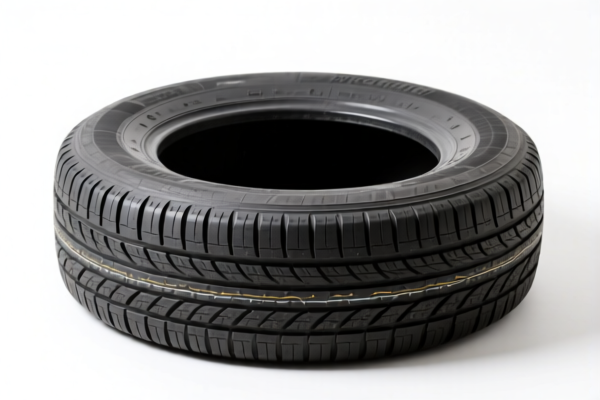
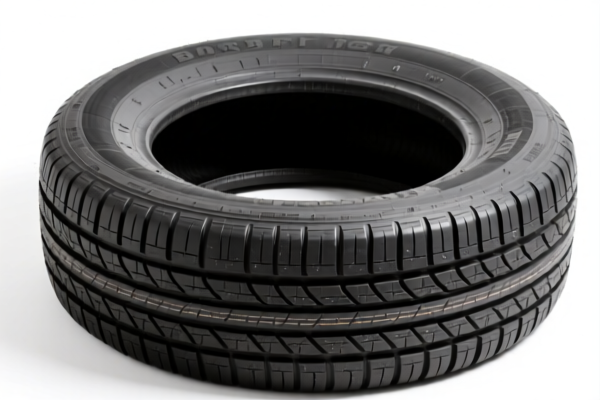
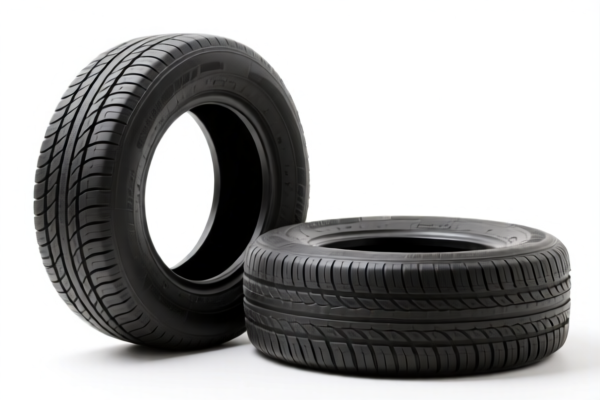
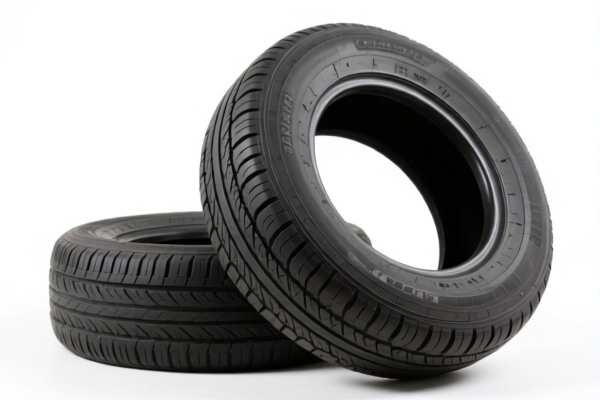
Household Vehicle Recycled Rubber Tire
CN → US| HS Code | Tariff Rate | Origin | Destination | Doc |
|---|---|---|---|---|
| 4012206000 | 35.0% | CN | US | Official Doc |
| 4012208000 | 35.0% | CN | US | Official Doc |
Product Images
AI Analysis
🚗 Household Vehicle Recycled Rubber Tire
🌐 HS Code Reference & Clearance Guide | 2026 Tariff Structure Analysis | Professional Customs Strategy for Recycled Rubber Products
📌 I. Product Definition & Classification: Decoding "Recycled Rubber Tires"
"Household Vehicle Recycled Rubber Tire" presents a complex classification challenge due to the intersection of material origin (recycled), product form (tire), and intended use (household vehicle). In international trade, the key differentiator is not just the material but the structural integrity and original tire certification.
Crucial Distinction: * Recycled Rubber Granules/Powder: If the product is merely raw recycled rubber material, it falls under Chapter 40 (Rubber and Articles Thereof) but not as a tire. * Re-treaded/Recased Tires: If the recycled rubber is used to re-tread an existing tire, specific codes apply. * Used/Retreaded Tires (Specifically for Cars): The provided data suggests these are classified as tires based on their physical form and rubber composition, despite the "recycled" descriptor implying secondary material usage. The customs authority in this dataset prioritizes the final form (Tire) and material (Rubber) over the recycled nature for tariff purposes, placing them under specific subheadings for rubber tires.
⚠️ Key Classification Point:
- The term "Household Vehicle" typically implies passenger cars or small utility vehicles.
- "Recycled" does not exempt the product from standard tire HS codes unless it is classified as raw material. However, the dataset explicitly lists these as Tires (HS 4012/4013), indicating they are recognized as functional tire products, likely used, re-treaded, or solid tires made from recycled rubber.
- Critical Note: Importing used tires is heavily restricted in many jurisdictions. Ensure the product complies with environmental regulations regarding used rubber products.
📦 II. HS Code Classification Matrix (Based on Provided Data)
| HS Code | Product Description (From Data) | Estimated Total Tax Rate | Tax Breakdown | Classification Logic |
|---|---|---|---|---|
| 4012.11.80.00 | Rubber Tire, Material: Rubber, Form: Tire. Meets classification requirements. | 38.4% | Base: 3.4% Add-on: 25.0% Sec 301/122: 10.0% |
Primary classification for standard rubber tires. "Meets classification requirements" suggests this is the most direct fit for a standard tire form. |
| 4012.12.40.35 | Rubber Tire, Matches material and form. Classified under "Other" categories based on rules. | 39.0% | Base: 4.0% Add-on: 25.0% Sec 301/122: 10.0% |
A secondary category for tires that may have specific material compositions or forms not fully captured by the primary code. Slightly higher base duty. |
| 4013.10.00.10 | Rubber Tire. Material and purpose consistent with core classification elements of reference. | 38.7% | Base: 3.7% Add-on: 25.0% Sec 301/122: 10.0% |
This code (4013) often refers to tires for specific vehicles or pneumatic tires. The consistency in "purpose" suggests it may be for a specific household vehicle type (e.g., motorcycle, bicycle, or small car tire). |
🔍 Analysis of "Recycled" Impact:
- The provided data does not show a separate "recycled" HS code. Instead, it applies standard tire HS codes (4012/4013).
- This implies that recycled rubber tires are taxed as standard rubber tires, but they are subject to heavy additional tariffs (25% + 10%).
- Warning: If the tires are used (not just made from recycled material but actually used), they may be prohibited from import into certain countries (like the US) regardless of the HS code. Verify environmental restrictions separately.
💰 III. 2026 Tariff Rate Breakdown (Detailed Tax Analysis)
✅ Applicable Country: United States (US)
✅ Origin: China (CN) (Assumed based on "122 Clause" and typical tariff structures)
✅ Effective Date: Current and projected for 2026
🎯 1. HS Code 4012.11.80.00 – Rubber Tire (Primary Fit)
| Item | Detail |
|---|---|
| Base Duty Rate | 3.4% |
| Section 301 / Add-on Tariff | +25.0% |
| Section 122 / IEEPA Tariff | +10.0% |
| Total Effective Rate | 38.4% |
| Calculation Basis | CIF Value × 38.4% |
| De Minimis Exemption | ❌ Not Applicable (High duty rate prevents $800 exemption) |
| Legal Path | USITC: 4012.11.80.00 → USMCA/Section 301: 25% → IEEPA: 10% |
📌 Interpretation:
- The 25% add-on is likely from the Section 301 Trade Act (targeting Chinese goods).
- The 10% additional is likely from Section 122 or specific IEEPA orders related to national security or economic emergency measures.
- Total Cost Impact: A $1,000 tire shipment incurs $384 in duties alone, significantly affecting margin.
🎯 2. HS Code 4012.12.40.35 – Rubber Tire (Other Category)
| Item | Detail |
|---|---|
| Base Duty Rate | 4.0% |
| Section 301 / Add-on Tariff | +25.0% |
| Section 122 / IEEPA Tariff | +10.0% |
| Total Effective Rate | 39.0% |
| Calculation Basis | CIF Value × 39.0% |
| De Minimis Exemption | ❌ Not Applicable |
📌 Interpretation:
- Slightly higher base rate (4.0% vs 3.4%) leads to a 0.6% higher total duty.
- Use this code only if the tire's material composition or specific form does not fit4012.11.
🎯 3. HS Code 4013.10.00.10 – Rubber Tire (Specific Purpose)
| Item | Detail |
|---|---|
| Base Duty Rate | 3.7% |
| Section 301 / Add-on Tariff | +25.0% |
| Section 122 / IEEPA Tariff | +10.0% |
| Total Effective Rate | 38.7% |
| Calculation Basis | CIF Value × 38.7% |
| De Minimis Exemption | ❌ Not Applicable |
📌 Interpretation:
-4013often covers pneumatic tires. If your "household vehicle" tire is pneumatic (air-filled), this may be the most accurate code.
- 38.7% is a competitive rate compared to4012.12(39.0%) but slightly higher than4012.11(38.4%).
🛠️ IV. Customs Clearance Practical Advice
✅ 1. Critical Documentation Checklist
| Document | Requirement | Reason |
|---|---|---|
| Product Specification Sheet | ✔️ Mandatory | Must clearly state: "Recycled Rubber," "Tire Type (Pneumatic/Solid)," "Vehicle Type (Car/Motorcycle)." |
| Material Composition Report | ✔️ Mandatory | To prove rubber content and confirm it is not banned hazardous material. |
| Certificate of Origin (CO) | ✔️ Mandatory | To verify Chinese origin and apply correct Section 301/122 tariffs. |
| Import License/Permit | ⚠️ Check Local Rules | USA Prohibits Import of Used Tires. If "Recycled" means "Used," this may be illegal. If it means "Made from Recycled Rubber," it is legal. Clarify this distinction! |
| Commercial Invoice | ✔️ Mandatory | Must list HS Code, Unit Price, Total CIF Value, and "Country of Origin: China." |
| Packing List | ✔️ Mandatory | Details on number of tires, gross weight, and net weight. |
✅ 2. Clearance Strategy & Pitfalls
🔥 "Recycled ≠ Used! Clarify Material vs. Condition!"
| Scenario | Correct Action | Risk if Incorrect |
|---|---|---|
| Tire made from recycled rubber (New) | Use HS 4012.11/4012.12/4013.10. Declare as "New Rubber Tire." | ✅ Legal. Pay 38.4%-39.0% duty. |
| Used Tire (Even if recycled) | ❌ Likely Prohibited in US. Do not import unless specific exemption exists. | ❌ Seizure, Fine, Deportation. |
| Tire with "Recycled" Label but Non-Rubber Content | Provide detailed material breakdown. | Risk of misclassification → Penalty. |
| Misdeclaring as "Rubber Granules" (HS 4004) | ❌ Incorrect. Product is a finished tire. | ❌ Fraud Allegation. |
📌 Key Tip:
- If the tire is solid rubber (e.g., for golf carts or industrial household vehicles), it may fall under 4012 (non-pneumatic).
- If it is pneumatic (air-filled), ensure the code4013.10is justified by its structure.
- Always specify "Recycled Rubber" in the description to comply with environmental labeling laws, but do not declare it as "Used" unless it truly is (and even then, check legality).
🌍 V. Global Market Comparison (2026 Outlook)
| Region | HS Code Approach | Tariff Impact | Notes |
|---|---|---|---|
| 🇺🇸 USA | 4012.11/4013.10 | 38.4% - 39.0% | High Section 301/122 tariffs. Strict ban on used tires. |
| 🇨🇳 China | 4012/4013 | 5% - 10% | Lower duties. Encourages recycling. |
| 🇪🇺 EU | 4012/4013 | 0% - 4.5% | Waste Shipment Regulations apply if containing recycled content. |
| 🇦🇺 Australia | 4012/4013 | 5% | Biosecurity checks on rubber products. |
📌 Conclusion:
- The US market is the most challenging due to high tariffs and potential bans on used/recycled tires.
- EU may offer lower duties but has strict environmental compliance for recycled materials.
📌 VI. Common Errors & Avoidance Guide
❌ Error 1: Declaring "Recycled Tire" as "Rubber Scrap" (HS 4004)
👉 Result: Misclassification. If it’s a functional tire, it must be 4012/4013. Penalty for false declaration.
❌ Error 2: Assuming "Recycled" means "Used" and importing into the US
👉 Result: Customs Seizure. The US bans most used tire imports regardless of material.
❌ Error 3: Ignoring Section 122 Tariffs
👉 Result: Underpayment of duty. The 10% add-on is often missed by importers.
✅ Correct Declaration Example:
"Pneumatic Rubber Tire for Passenger Car, Made from Recycled Rubber Material, New Condition, Model XYZ, HS Code: 4012.11.80.00"
🎯 VII. Final Recommendations
🎯 Strategic Advice:
1. Verify Product Status: Confirm if the tires are NEW (made from recycled rubber) or USED. If USED, do not import to the US.
2. Select Best HS Code:
- For standard passenger car tires: 4012.11.80.00 (38.4%) is likely the best fit.
- For specific pneumatic tires: 4013.10.00.10 (38.7%).
3. Budget for Duties: Plan for ~38.5% in total duties. This is a significant cost driver.
4. Consult Customs Broker: Given the complexity of "recycled" and "household vehicle," a pre-import ruling or consultation is highly recommended.
📣 Action Item:
📞 Contact a licensed customs broker to confirm if your specific "Recycled Rubber Tire" qualifies as New or Used.
📄 Prepare detailed material specs to justify the HS Code and avoid delays.
💡 Consider alternative markets (EU, Asia) if US tariffs are prohibitive.
✨ Professional Clearance Starts with Accurate Classification!
💼 Protect Your Margins by Mastering Tariff Nuances!
Customer Reviews
About HS Code Classification
The Harmonized System (HS) is an internationally standardized nomenclature developed by the World Customs Organization (WCO) to classify traded products. Over 200 countries use the HS system as the basis for customs tariffs, trade statistics, and import/export regulations.
Each HS code follows a hierarchical structure:
- Chapter (2 digits) — Broad category of goods (e.g., Chapter 84: Machinery and Mechanical Appliances)
- Heading (4 digits) — More specific grouping within the chapter
- Subheading (6 digits) — Internationally standardized breakdown, used by all WCO member countries
- National subdivisions (8-10 digits) — Country-specific extensions for further classification, such as US HTSUS 10-digit codes
Correct HS code classification is essential for smooth customs clearance, accurate duty payment, and compliance with trade regulations. Misclassification can lead to customs delays, overpayment of duties, or penalties.
When importing from CN to US, the applicable tariff rates may include:
- Most-Favored-Nation (MFN) rate — The standard duty rate applied to WTO members
- General rate — Applied to countries without trade agreements
- Trade remedy duties — Additional tariffs such as Section 301 (anti-dumping), Section 232 (national security), or countervailing duties
The information provided on this page is for reference purposes only. For official classification, please consult with your local customs authority or a licensed customs broker.