Hug Ornament
CN → US| HS Code | Tariff Rate | Origin | Destination | Doc |
|---|---|---|---|---|
| 6913105000 | 17.5% | CN | US | Official Doc |
| 6913905000 | 23.5% | CN | US | Official Doc |
| 7018905000 | 41.6% | CN | US | Official Doc |
| 3926400090 | 15.3% | CN | US | Official Doc |
| 3926400010 | 15.3% | CN | US | Official Doc |
Product Images
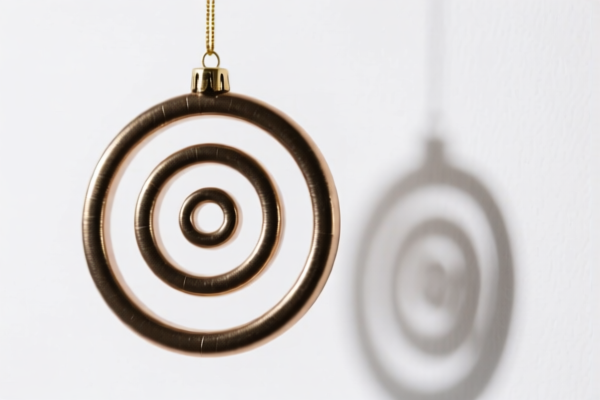
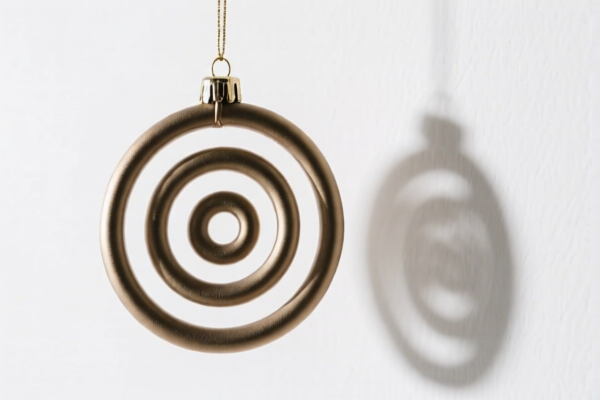
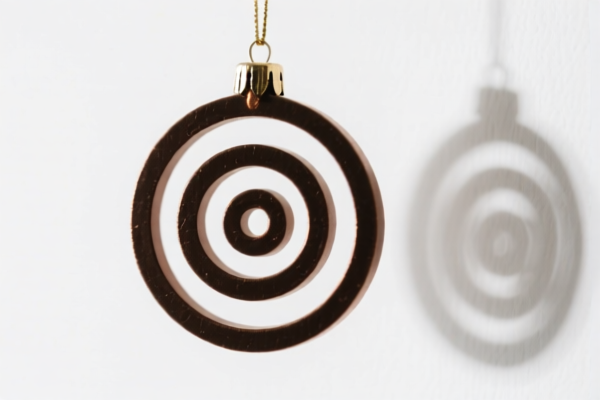
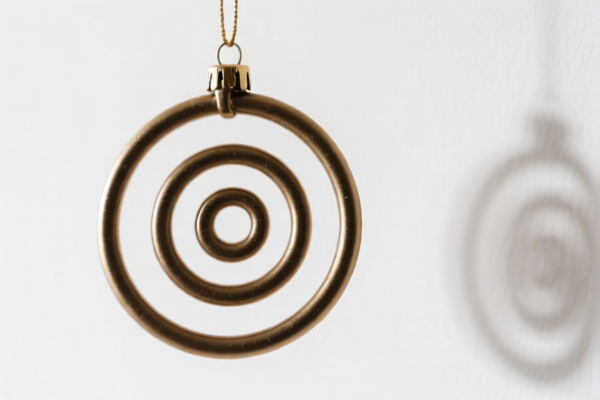
AI Analysis
🤗 Hug Ornament: HS Code Classification & 2026 Customs Clearance Guide
🌐 HS Code Reference & Customs Strategy | 2026 Latest Tariff Analysis | Professional Clearance Protocol
📌 1. Product Definition & Classification: Do You Truly Understand "Hug Ornament"?
The "Hug Ornament" is a decorative item, often symbolizing affection or friendship, shaped like two figures embracing. In international trade, its classification is strictly determined by material composition. Misclassification leads to severe tax discrepancies, as tariff rates vary significantly between ceramic, glass, plastic, and other materials.
⚠️ Critical Distinction:
- Ceramic: Decorative ceramic hugging figures → Classified under Chapter 69.
- Glass: Glass hugging ornaments → Classified under Chapter 70.
- Plastic/Synthetic: Plastic hugging decorations → Classified under Chapter 39.
- Other Materials: Arrows/bows/other hugging decorations → Classified under Chapter 39 (specific subheadings).
📦 2. HS Code Classification Details (2026 Latest Tariff Authority Comparison)
| HS Code | Product Description | Material | Applicable Scenario |
|---|---|---|---|
6913.10.50.00 |
Ceramic ornaments, used for decoration (Hugging) | 🏺 Ceramic | Ceramic material, specifically for decorative hugging ornaments |
6913.90.50.00 |
Ceramic ornaments, other types (Hugging) | 🏺 Ceramic | Ceramic material, other types of hugging decorations |
7018.90.50.00 |
Glass ornaments, other types (Hugging) | 💎 Glass | Glass material, other types of hugging decorations |
3926.40.00.90 |
Decorative hugging ornaments | 🧸 Plastic/Synthetic | Plastic or other synthetic materials, decorative hugging ornaments |
3926.40.00.10 |
Decorative bows and similar hugging ornaments | 🎀 Plastic/Others | Plastic or other materials, decorative bows and similar hugging ornaments for decorative purposes |
🔍 Key Reminder:
- Ceramic vs. Glass: Both fall under Chapter 69 and 70 respectively, but have different base tariffs and surcharges.
- Plastic vs. Other: Plastic items are classified under3926.40, but the suffix.90vs.10distinguishes between general decorative ornaments and specific "bows/like hugging ornaments."
💰 3. 2026 Latest Tariff Rate Breakdown (Including Surcharges & Policy Add-ons)
✅ Applicable Country: United States (US)
✅ Origin: China (CN)
✅ Effective Date: 2025/2026 (Including subsequent imports)
🎯 1. 6913.10.50.00 – Ceramic Ornaments (Hugging, Decorative)
| Item | Content |
|---|---|
| Base Tariff | 0.0% |
| Section 301 Surcharge | +7.5% |
| Section 122 Tariff | +10.0% |
| Total Tax Rate | 17.5% |
| Tax Calculation | CIF Value × 17.5% |
| De Minimis Exemption | ❌ Not Eligible (Subject to high surcharges) |
| Legal Basis Path | Section 301: 7.5% + Section 122: 10% + Base: 0.0% |
📌 Explanation:
- Base tariff is 0%, but the Section 301 surcharge (7.5%) and Section 122 tariff (10%) apply to Chinese-origin ceramic decorations.
- Total effective rate: 17.5%.
🎯 2. 6913.90.50.00 – Ceramic Ornaments (Other Types)
| Item | Content |
|---|---|
| Base Tariff | 6.0% |
| Section 301 Surcharge | +7.5% |
| Section 122 Tariff | +10.0% |
| Total Tax Rate | 23.5% |
| Tax Calculation | CIF Value × 23.5% |
| De Minimis Exemption | ❌ Not Eligible |
| Legal Basis Path | Base: 6.0% + Section 301: 7.5% + Section 122: 10.0% |
📌 Note:
- Compared to6913.10.50.00, this code has a 6.0% base tariff, making the total cost higher.
- Use this code only if the ornament does not fit the specific "decorative hugging" description of the first code.
🎯 3. 7018.90.50.00 – Glass Ornaments (Other Types)
| Item | Content |
|---|---|
| Base Tariff | 6.6% |
| Section 301 Surcharge | +25.0% |
| Section 122 Tariff | +10.0% |
| Total Tax Rate | 41.6% |
| Tax Calculation | CIF Value × 41.6% |
| De Minimis Exemption | ❌ Not Eligible |
| Legal Basis Path | Base: 6.6% + Section 301: 25.0% + Section 122: 10.0% |
📌 Critical Alert:
- Highest Tax Rate!: Glass ornaments face a steep 25% Section 301 surcharge (unlike ceramics which are 7.5%).
- Total rate: 41.6%.
- Recommendation: Avoid importing glass hug ornaments from China unless absolutely necessary, or consider alternative markets.
🎯 4. 3926.40.00.90 & 3926.40.00.10 – Plastic/Synthetic Hugging Ornaments
| Item | Content |
|---|---|
| Base Tariff | 5.3% |
| Section 301 Surcharge | 0.0% |
| Section 122 Tariff | +10.0% |
| Total Tax Rate | 15.3% |
| Tax Calculation | CIF Value × 15.3% |
| De Minimis Exemption | ❌ Not Eligible (Due to Section 122) |
| Legal Basis Path | Base: 5.3% + Section 122: 10.0% |
📌 Advantage:
- Lowest Surcharge: Plastic hugging ornaments have 0% Section 301 surcharge.
- Only 10% Section 122 tariff applies.
- Total effective rate: 15.3%.
- Best Cost-Effective Option: If material allows, choose plastic/synthetic over ceramic or glass to save on tariffs.
🛠️ 4. Customs Clearance Practical Advice (Real-World Pitfall Avoidance)
✅ 1. Preparation Checklist (Non-negotiable)
| Document | Required | Explanation |
|---|---|---|
| ✅ Product Specifications | ✔️ | Material composition (Ceramic/Glass/Plastic), dimensions, weight |
| ✅ Material Declaration | ✔️ | Explicitly state "100% Ceramic," "Lead-free Glass," or "ABS Plastic" |
| ✅ Product Photos | ✔️ | Clear images showing material texture and "Hug" shape |
| ✅ Commercial Invoice | ✔️ | Describe as "Decorative Hugging Ornament, [Material], Model XYZ" |
| ✅ Packing List | ✔️ | Detail units per carton, gross/net weight |
✅ 2. Declaration Tips (Key Mnemonics)
🔥 "Material First, Code Second, Section 122 Always Hits!"
| Scenario | Correct Declaration | Common Error |
|---|---|---|
| Ceramic Hug Ornament | 6913.10.50.00 (if specific) or 6913.90.50.00 |
Misclassifying as Glass → 41.6% tax |
| Glass Hug Ornament | 7018.90.50.00 |
Misclassifying as Plastic → Risk of penalty + 41.6% tax |
| Plastic Hug Ornament | 3926.40.00.90 or 3926.40.00.10 |
Misclassifying as Ceramic → Higher tax |
| Bow-shaped Hug Ornament | 3926.40.00.10 |
Misclassifying as general ornament → Potential duty difference |
✅ 3. Special Cases
| Case | Handling Advice |
|---|---|
| Mixed Material Ornaments | Classify based on essential character. If plastic base + ceramic head, consult HS rule 3(b). Usually, main material dominates. |
| Set of Ornaments | If shipped as a set, classify as the component that gives the set its essential character. |
| Section 122 Applicability | Note: Section 122 tariffs (10%) currently apply to many decorative items from China. Ensure this is factored into cost calculation. |
🌍 5. Global Market Comparison (2026 Update)
| Country/Region | Recommended HS Code | Tariff (China Origin) | Certification | Notes |
|---|---|---|---|---|
| 🇺🇸 USA | Varies by Material | 15.3% - 41.6% | No special cert | High Section 301/122 tariffs |
| 🇨🇳 China | Same HS Codes | Low/0% | CCC (if applicable) | Domestic trade favorable |
| 🇪🇺 EU | Varies by Material | Varies (Often 0-4%) | CE, REACH | No Section 301/122 |
| 🇦🇺 Australia | Varies by Material | Varies (5-10%) | RCM | Moderate tariffs |
📌 Conclusion:
- USA is the most expensive market due to Section 301 and 122 tariffs.
- Plastic options save ~26% vs. Glass in the US market.
- European markets are significantly cheaper for imports from China.
📌 6. Common Errors & Pitfalls (Lessons Learned)
❌ Error 1: Declaring Glass as Plastic to Avoid Tariffs
👉 Consequence: Customs audit, fines, and potential seizure. Glass is easily identified by weight and sound.
❌ Error 2: Ignoring Section 122 Tariff
👉 Consequence: Unexpected 10% cost increase. Always check current Section 122 lists.
❌ Error 3: Using "Gift" as Product Description
👉 Consequence: Vague descriptions lead to delays. Use specific material and function: "Ceramic Decorative Hugging Ornament."
❌ Error 4: Confusing 3926.40.00.90 and 3926.40.00.10
👉 Consequence: Minor duty difference, but accuracy prevents future compliance issues. .10 is for "bows and similar," .90 is "other."
✅ Correct Practice:
"Plastic Decorative Hugging Ornament, ABS Material, 10cm Height, Model ABC, Section 122 Applicable"
🎯 7. Conclusion: Professional Declaration, Cost Savings, Efficiency!
🎯 Remember Mnemonic:
🔹 "Glass hits hardest at 41.6%, Ceramic at 17.5%-23.5%, Plastic saves at 15.3%!"
🔹 "Section 301 kills Glass, but spares Plastic. Section 122 bites everyone!"
📌 Pro Tip:
If your Hug Ornaments are sourced from Vietnam, Mexico, or Thailand, they may be exempt from Section 301 tariffs, significantly reducing costs to the US.
Consider Advance Ruling for ambiguous material mixtures.
📣 Immediate Action:
📞 Consult a licensed customs broker + Provide material specs + Apply for HS Code Pre-ruling
🚀 Ensure smooth clearance, maximize profit margins, and expand your global reach!
✨ Professional clearance starts with accurate classification!
💼 Every dollar saved is pure profit!
Customer Reviews
About HS Code Classification
The Harmonized System (HS) is an internationally standardized nomenclature developed by the World Customs Organization (WCO) to classify traded products. Over 200 countries use the HS system as the basis for customs tariffs, trade statistics, and import/export regulations.
Each HS code follows a hierarchical structure:
- Chapter (2 digits) — Broad category of goods (e.g., Chapter 84: Machinery and Mechanical Appliances)
- Heading (4 digits) — More specific grouping within the chapter
- Subheading (6 digits) — Internationally standardized breakdown, used by all WCO member countries
- National subdivisions (8-10 digits) — Country-specific extensions for further classification, such as US HTSUS 10-digit codes
Correct HS code classification is essential for smooth customs clearance, accurate duty payment, and compliance with trade regulations. Misclassification can lead to customs delays, overpayment of duties, or penalties.
When importing from CN to US, the applicable tariff rates may include:
- Most-Favored-Nation (MFN) rate — The standard duty rate applied to WTO members
- General rate — Applied to countries without trade agreements
- Trade remedy duties — Additional tariffs such as Section 301 (anti-dumping), Section 232 (national security), or countervailing duties
The information provided on this page is for reference purposes only. For official classification, please consult with your local customs authority or a licensed customs broker.