Hulling Machine
CN → US| HS Code | Tariff Rate | Origin | Destination | Doc |
|---|---|---|---|---|
| 8437800010 | 35.0% | CN | US | Official Doc |
| 8437800090 | 35.0% | CN | US | Official Doc |
Product Images
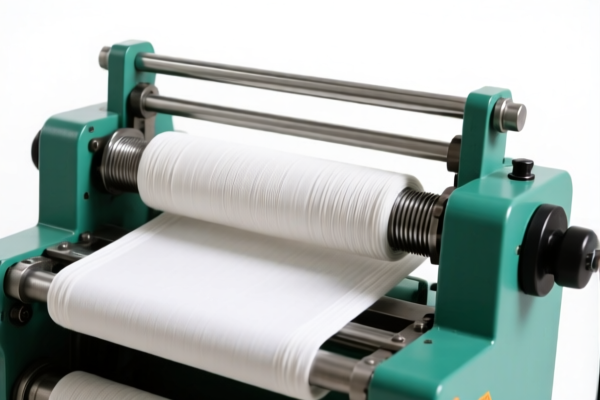
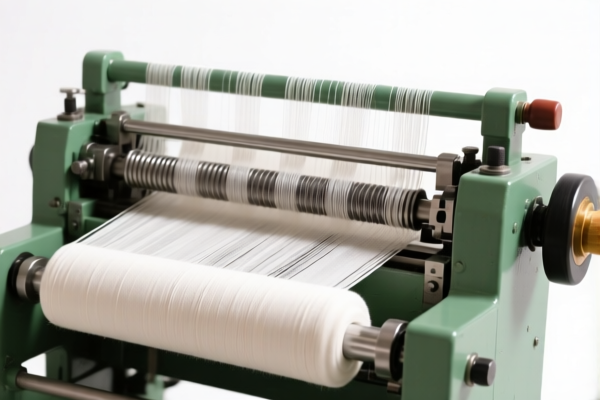
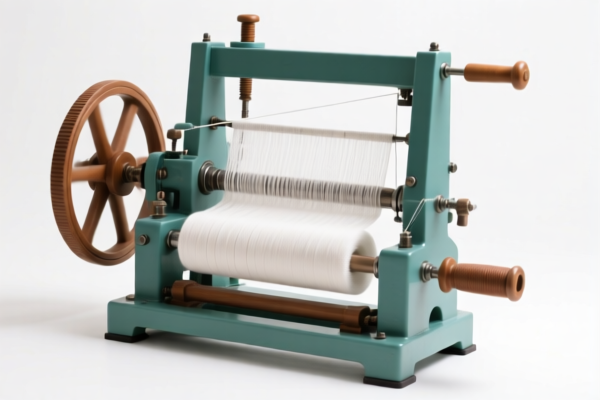
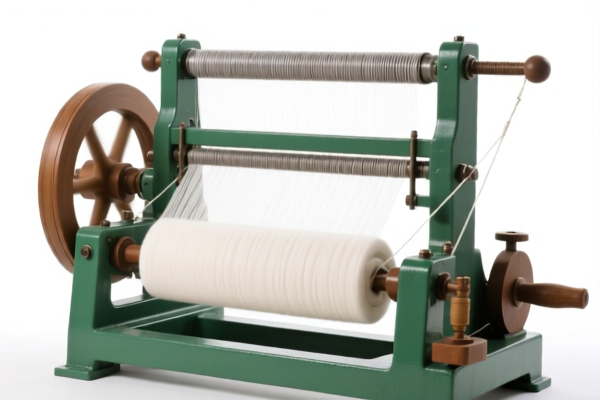
AI Analysis
🌾 Hulling Machine (Paddy Rice/Grain Processing Equipment)
🌐 HS Code Reference & Customs Clearance Guide | 2026 Latest Tariff Analysis | Professional Clearance Strategy
📌 One, Product Definition and Classification: Do You Really Understand "Hulling Machine"?
In the international trade of agricultural machinery and food processing equipment, "Hulling Machines" are critical devices used to remove the husk, chaff, or outer shell from grains (such as rice, wheat, oats) or dried leguminous vegetables. In the Harmonized System (HS), these machines generally fall under Chapter 84, specifically targeting machinery for cleaning, sorting, grading, or milling cereals.
Two Main Categories in : 1. Specialized Flour/Grain Mill Machines: Machinery specifically designed for milling grains into flour or fine meal. 2. Other Milling/Processing Machinery: General-purpose machinery for cleaning, sorting, grading, or working cereals/dried legumes that does not fit the specific "flour mill" definition.
⚠️ Key Distinction Point:
- If the machine is primarily a flour mill or specialized grain mill (crushing grains into flour/powder) → HS Code 8437.80.00.10
- If the machine is for cleaning, sorting, grading, or general hulling (removing shells without necessarily making flour) → HS Code 8437.80.00.90
📦 Two, HS Code Classification Details (2026 Latest Tariff Authoritative Comparison)
| HS Code | Product Description | Applicable Scenario | Tax Rate (Total) |
|---|---|---|---|
8437.80.00.10 |
Other machinery: Flour mill and grain mill machines | Specialized rice mills, wheat flour mills, corn grinding mills that produce flour/powder. | 25.0% |
8437.80.00.90 |
Other machinery: Other | Rice hullers, grain cleaners, destoners, graders, or general-purpose milling machines not classified as flour mills. | 25.0% |
🔍 Important Reminder:
- Both HS Codes share the same total tax rate of 25.0% (Base 0% + Additional 25%).
- However, the description must match the function:
- Use 8437.80.00.10 if the primary output is flour or the machine is explicitly a mill.
- Use 8437.80.00.90 if the primary function is hulling, cleaning, sorting, or grading (e.g., removing husks from paddy rice to make brown rice, or cleaning wheat kernels).
- Misclassification can lead to customs delays, even if the tax rate is the same, due to stricter regulatory scrutiny on specific equipment types.
💰 Three, 2026 Latest Tariff Rate Details (Including Additional Taxes)
✅ Applicable Country: United States (US)
✅ Country of Origin: China (CN)
✅ Effective Date: Based on current USITC Section 301 tariffs (likely subject to ongoing trade measures)
🎯 1. 8437.80.00.10 —— Flour Mill and Grain Mill Machines
| Item | Content |
|---|---|
| Base Duty Rate | 0.0% (ad valorem) |
| Additional Duty (Section 301) | +25.0% |
| Total Tax Rate | 25.0% |
| Tax Calculation | CIF Value × 25% |
| De Minimis Exemption Eligible? | ❌ No (Value exceeds $800 threshold for most commercial imports) |
| Legal Basis Path | HTSUS:8437.80.00.10 → USITC Footnote 9903.88.01 (Section 301) |
📌 Explanation:
- The 25% additional duty is applied due to the product’s origin (China) under Section 301 of the Trade Act.
- There is no base tariff for most agricultural machinery (0%), so the total burden is entirely driven by the additional duty.
- Total Cost Impact: For every $10,000 CIF value, expect $2,500 in additional duty.
🎯 2. 8437.80.00.90 —— Other Machinery (Cleaning, Sorting, Grading, General Hulling)
| Item | Content |
|---|---|
| Base Duty Rate | 0.0% (ad valorem) |
| Additional Duty (Section 301) | +25.0% |
| Total Tax Rate | 25.0% |
| Tax Calculation | CIF Value × 25% |
| De Minimis Exemption Eligible? | ❌ No |
| Legal Basis Path | HTSUS:8437.80.00.90 → USITC Footnote 9903.88.01 (Section 301) |
📌 Note:
- This code covers rice hullers, grain cleaners, and destoners.
- Even though the function differs from flour mills, the tax rate is identical.
- Proper classification is still crucial for regulatory compliance, especially if the machine involves electrical safety standards (UL/ETL) or agricultural machinery certifications.
🛠️ Four, Customs Clearance Practical Advice (Battle-Tested Pitfall Avoidance Guide)
✅ 1. Preparation Checklist (No Compromise)
| Document | Mandatory? | Description |
|---|---|---|
| ✅ Product Specification Sheet | ✔️ | Must detail capacity (tons/hour), power (kW), voltage, and specific function (hulling vs. milling). |
| ✅ Technical Diagrams | ✔️ | Show the internal mechanism: Is it a stone sorter, a destoner, or a flour mill? |
| ✅ Product Photos | ✔️ | Clear images of nameplate, model number, and key components (e.g., rollers, sieves). |
| ✅ Commercial Invoice | ✔️ | Must clearly state: "Hulling Machine for Rice/Grain" or "Flour Mill Machine" – do not use vague terms like "Agricultural Equipment." |
| ✅ Packing List | ✔️ | Detail all parts, accessories, and tools included. |
| ✅ Certificate of Origin | ✔️ | To prove origin (China) and confirm applicability of Section 301 tariffs. |
✅ 2. Declaration Tips (Key Mantra)
🔥 "Function First, Name Precise, Tax Same, But Compliance Diverges!"
| Scenario | Correct Declaration | Wrong Practice |
|---|---|---|
| Machine removes husk from rice (produces brown rice) | 8437.80.00.90 (Other Machinery) |
Misclassify as 8437.80.00.10 → Risk of audit for incorrect description. |
| Machine grinds wheat into flour | 8437.80.00.10 (Flour Mill) |
Misclassify as 8437.80.00.90 → Risk of audit. |
| Mixed line (Cleaning + Milling) | Declare based on primary function | Vague description like "Grain Processor" → Delay in clearance. |
| Parts for Hulling Machine | Separate HS Code (e.g., 8437.90) |
Declare parts as complete machine → Overpayment + Fraud Risk. |
✅ 3. Special Circumstances Handling
| Situation | Handling Advice |
|---|---|
| Dual-Function Machine (e.g., Cleans AND Mills) | Declare under the primary function. If milling is secondary, use 8437.80.00.90. If milling is primary, use 8437.80.00.10. Provide technical justification. |
| Used Machinery | Provide age certificate, maintenance records, and photos of wear. Some ports require additional inspection for used agricultural equipment. |
| Electrical Safety | Ensure the machine has UL or ETL certification for US market. Non-compliant electrical systems can be rejected at customs or by local authorities. |
| Wooden Packaging | Must comply with ISPM 15 standards (heat-treated, stamped). Non-compliant wood packaging can lead to shipment rejection. |
🌍 Five, Global Market Clearance Comparison (2026 Latest)
| Country/Region | Recommended HS Code | Tariff (China Origin) | Certification Required | Notes |
|---|---|---|---|---|
| 🇺🇸 USA | 8437.80.00.10 or .90 |
25.0% (Additional) | UL/ETL (Electrical) | Both codes have same tax; description matters for compliance. |
| 🇨🇳 China | 8437.80.00 |
Varies (0-14%) | CCC (if applicable) | Domestic trade; lower tariffs. |
| 🇪🇺 EU | 8437.80 |
0% (Most FTR) | CE Marking | No additional duties; CE mandatory. |
| 🇦🇺 Australia | 8437.80 |
5% | RCM | Moderate tariff. |
| 🇯🇵 Japan | 8437.80 |
0-5% | PSE (Electrical) | Low tariffs; strict safety standards. |
📌 Conclusion:
- USA remains the highest-cost market due to the 25% additional duty on Chinese-origin agricultural machinery.
- EU, Japan, and Australia offer more favorable tariff conditions (0-5%), making them attractive alternatives for export diversification.
- Compliance is key: Even with the same tax rate, incorrect classification can lead to audits, fines, or shipment holds.
📌 Six, Common Errors & Pitfall Avoidance (Blood and Tears Lessons)
❌ Error 1: Declaring a Hulling Machine as "Agricultural Equipment" (General Category)
👉 Consequence: Customs may reclassify under a different HS code with higher base tariffs or require additional documentation → Delay + Fees.
❌ Error 2: Mixing "Hulling" and "Milling" functions without clear primary function declaration
👉 Consequence: Customs may choose the stricter classification → Audit Risk.
❌ Error 3: Omitting UL/ETL Certification for electrical components
👉 Consequence: Shipment rejected at US port or local fire/electrical inspection failure → Return Shipment.
❌ Error 4: Using vague terms like "Grain Processor" or "Machine"
👉 Consequence: Insufficient specificity for customs valuation and classification → 3-4 week delay.
✅ Correct Practice:
"Rice Hulling Machine, Model XYZ, 5 Tons/Hour Capacity, Electric Motor 15kW, UL Certified, for Removing Husks from Paddy Rice"
or
"Flour Mill Machine, Model ABC, 10 Tons/Hour, for Grinding Wheat into Flour, CE/UL Certified"
🎯 Seven, Conclusion: Precise Classification Saves Time and Money!
🎯 Remember the Mantra:
🔹 "Hulling vs. Milling, Function Defines the Code!"
🔹 "25% Duty Applies to Both, But Compliance is the Difference!"
🔹 "Clear Description, Correct HS, Smooth Clearance!"
📌 Pro Tip:
- If your product is dual-purpose, consult a customs broker to determine the primary function based on technical specifications and marketing intent.
- For US exports, ensure UL/ETL certification is in place before shipment to avoid electrical compliance issues.
- Consider tariff engineering: If your machine can be classified under a different HS code with a lower base rate (unlikely here, but possible for other machinery), explore design modifications.
📣 Take Action Now:
📞 Engage a licensed customs broker + Provide technical specs + Apply for Pre-Ruling (USCBP) if uncertainty exists.
🚀 Ensure your Hulling Machines clear customs smoothly, minimize costs, and meet all regulatory standards!
✨ Professional Clearance Starts with Accurate Classification!
💼 Every Dollar Saved is Profit Earned!
Customer Reviews
About HS Code Classification
The Harmonized System (HS) is an internationally standardized nomenclature developed by the World Customs Organization (WCO) to classify traded products. Over 200 countries use the HS system as the basis for customs tariffs, trade statistics, and import/export regulations.
Each HS code follows a hierarchical structure:
- Chapter (2 digits) — Broad category of goods (e.g., Chapter 84: Machinery and Mechanical Appliances)
- Heading (4 digits) — More specific grouping within the chapter
- Subheading (6 digits) — Internationally standardized breakdown, used by all WCO member countries
- National subdivisions (8-10 digits) — Country-specific extensions for further classification, such as US HTSUS 10-digit codes
Correct HS code classification is essential for smooth customs clearance, accurate duty payment, and compliance with trade regulations. Misclassification can lead to customs delays, overpayment of duties, or penalties.
When importing from CN to US, the applicable tariff rates may include:
- Most-Favored-Nation (MFN) rate — The standard duty rate applied to WTO members
- General rate — Applied to countries without trade agreements
- Trade remedy duties — Additional tariffs such as Section 301 (anti-dumping), Section 232 (national security), or countervailing duties
The information provided on this page is for reference purposes only. For official classification, please consult with your local customs authority or a licensed customs broker.